



Digital programme booklet
-
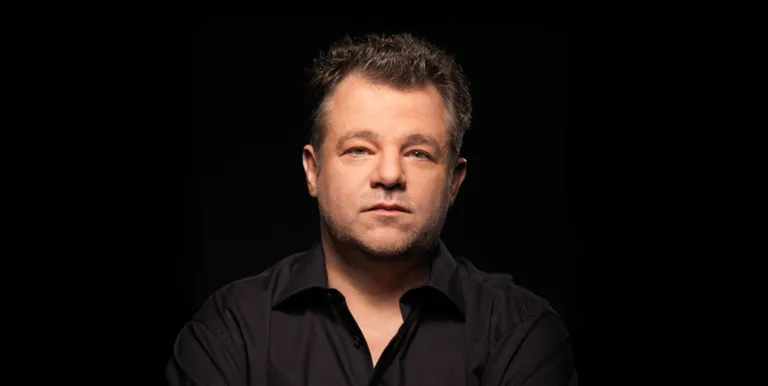
Artistic director and conductor:
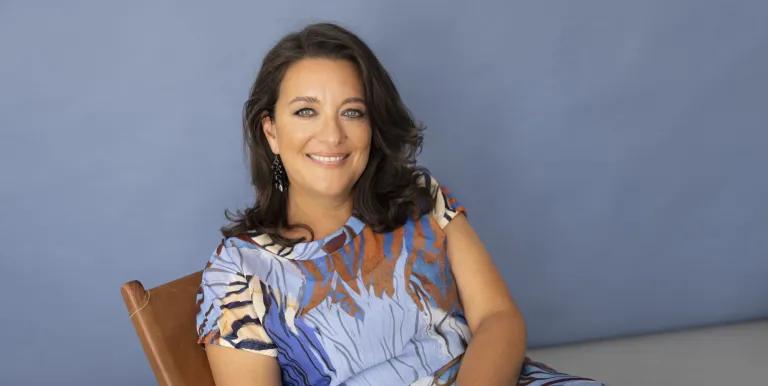
Ádám FischerCo-artistic director:
Martin RajnaCast:
Wotan Tomasz KoniecznyDonner Csaba SzegediFroh Zoltán MegyesiLoge Norbert ErnstFricka Atala SchöckFreia Lilla HortiErda Erika GálAlberich Jochen SchmeckenbecherMime Jürgen SacherFasolt Tijl FaveytsFafner Sorin ColibanWoglinde Orsolya SáfárWellgunde Gabriella FodorFlosshilde Zsófia KálnayFeaturing:
dancers Dóra Asztalos
Zoltán Csere
Laura Fehér
János Feledi
Anna Gulyás
István Horváth
Krisztián Kelemen
Richárd Kovács
Dániel Krizsán
Brigitta Tóth
Milán Újvári
Gábor Vidachild dancer Donát Dorián Hegedüs (18.06.) , Gergely Kalmár (25.06.)the Hungarian Radio Symphony OrchestraCreators:
dramaturgs Christian Martin Fuchs †, Dr. Christian Baiercostume and puppet design Corinna Cromelighting Máté Vajdachoreographer Gábor Vidavideo Szupermodern Filmstúdió Budapestassistant conductor János Kovácshead répétiteur Gábor Bartinaimusical assistants László Bartal
Gábor Bartinai
Dóra Bizják
Brigitta Kovács
Johannes Marsovszky
Paul Marsovszky
Martin Rajnarevival director Etelka Polgárdirector Hartmut Schörghofer -
Scene 1: The depths of the Rhine
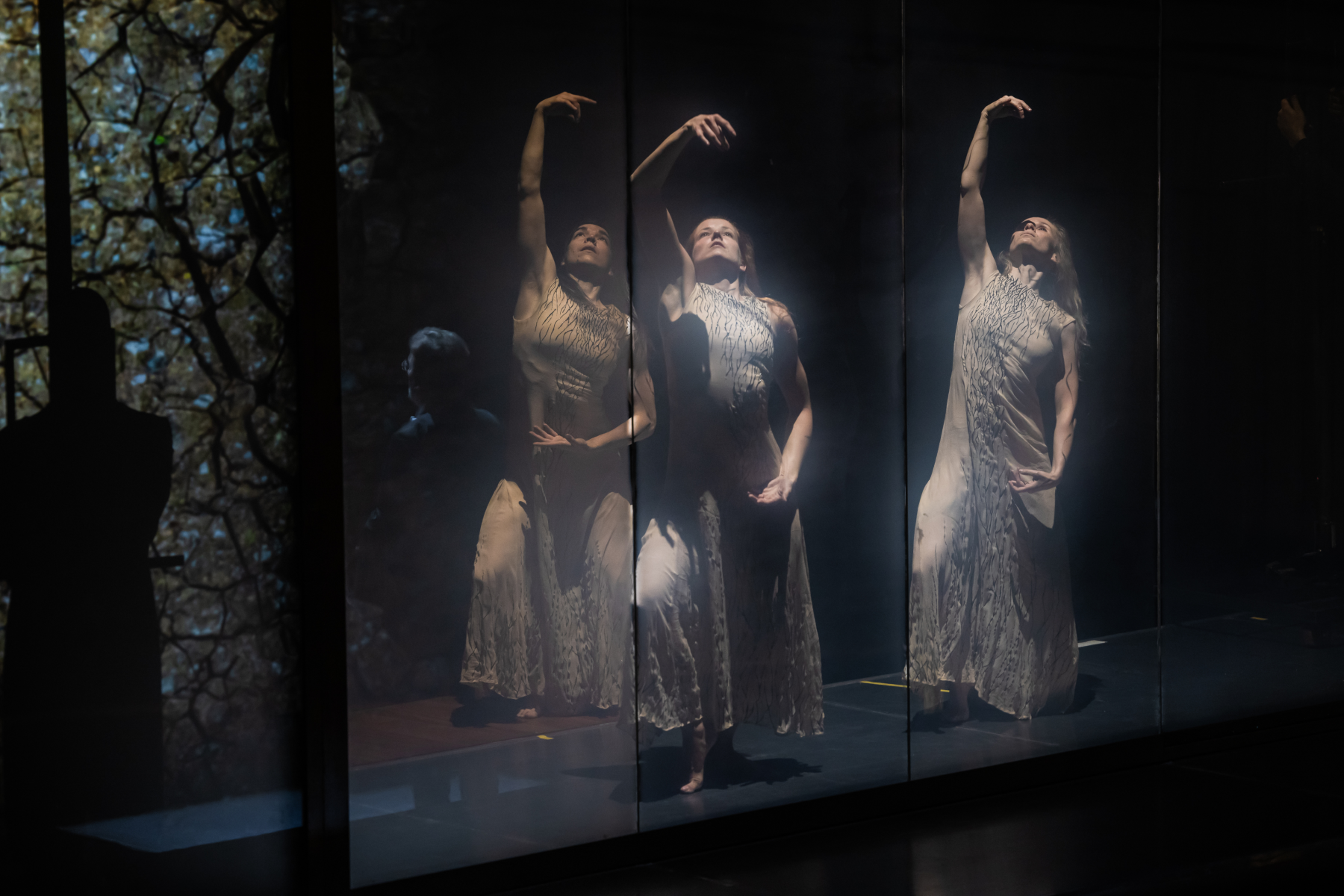
Woglinde, Wellgunde and Flosshilde, the three Rhinemaidens supposed to be guarding the Rhinegold, play merrily among the waves. Suddenly, the dwarf Alberich emerges from a dark chasm. Watching the maidens with wonder, he attempts to woo them in his own clumsy fashion, but they only make a fool of him. He becomes increasingly frustrated by their constant mockery. When he hears that the mysterious treasure of the Rhine can only be claimed by he who renounces love forever, he lays a curse on love and seizes the gold.
© Attila Nagy, Müpa
Scene 2: High in the mountains
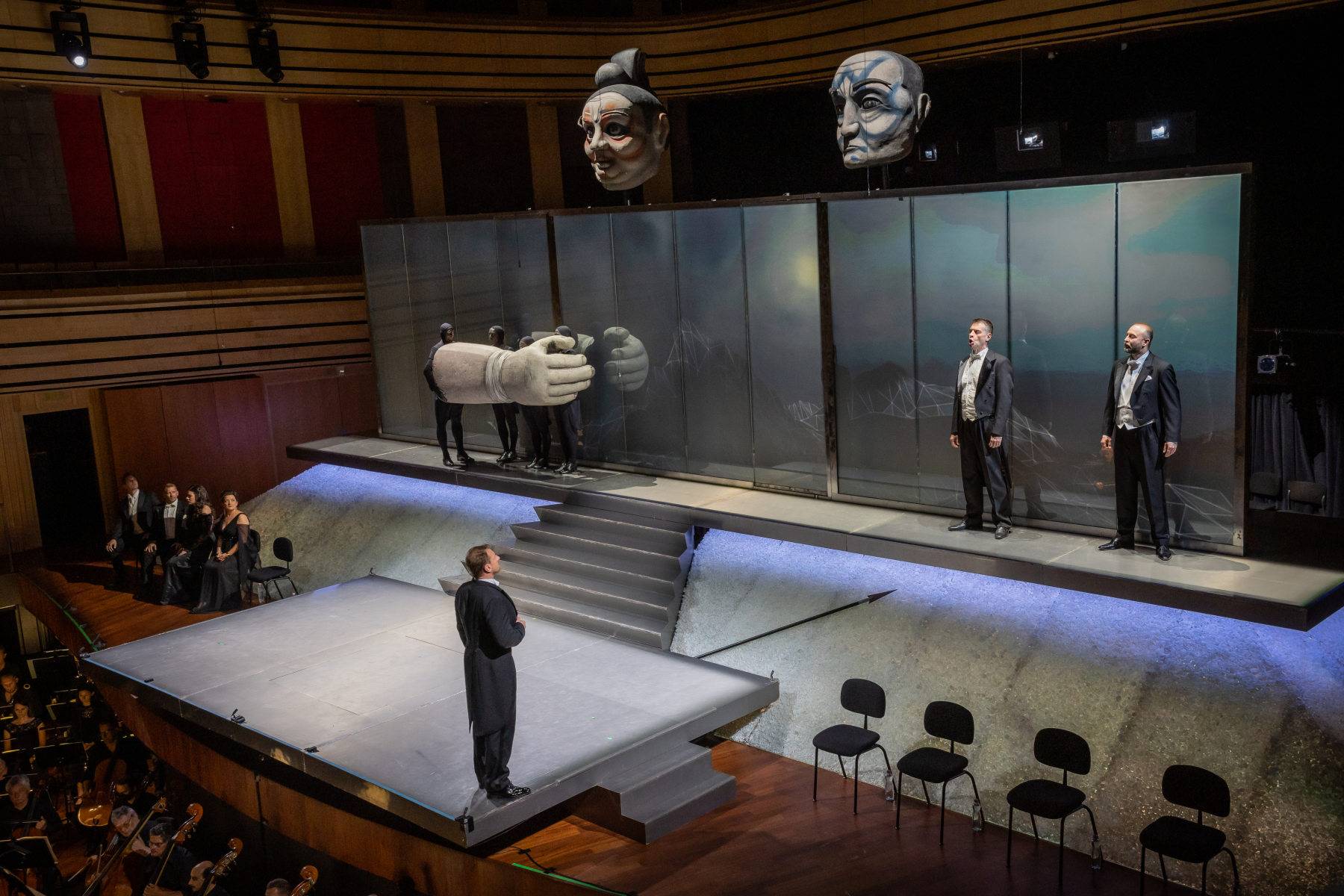
The fortress of Wotan, Lord of the Gods, is complete. However, the giants who built it, Fafner and Fasolt, have demanded a heavy price for their labour: Freia, the goddess of beauty and eternal youth. Wotan reassures his anxious wife, Fricka, that he will not hand the girl over to the giants, and that Loge, the cunning god of fire, will find a way out. When Loge finally emerges from the flickering flames, he chatters at first before reporting what Alberich has done and that the dwarf is using a magic ring forged from the Rhinegold to enslave the entire world. The giants decide they will exchange the gold for Freia, but they hold the goddess hostage for the time being. Wotan and Loge descend into the depths, towards the subterranean world of the dwarves.
Scene 3: Nibelheim, home of the Nibelungs
The two gods discover that Alberich has used the power of the ring to enslave his entire race, even tyrannising his own brother, Mime. He forces Mime to forge a magic helmet for him – anyone wearing it can instantly transport himself elsewhere or assume any shape he wishes. This plays right into the gods’ hands. They trick the dwarf into turning himself into a tiny toad and capture him.
Scene 4: Back on high
In exchange for Alberich’s freedom, Wotan and Loge demand his treasure, and eventually strip him of both the helmet and the ring. The humiliated dwarf places a curse on the ring. Wotan becomes ever more enchanted by the magical jewellery and grows reluctant to hand it over to the giants. At that moment, Erda, the Earth Mother, rises from the depths and warns him that the ring will be his downfall. Deeply shaken, the chief god finally surrenders the entire treasure to the giants. The power of the curse immediately becomes apparent: while dividing the treasure, Fafner kills Fasolt. The gods take possession of their new home, Valhalla.
© Attila Nagy, Müpa
-
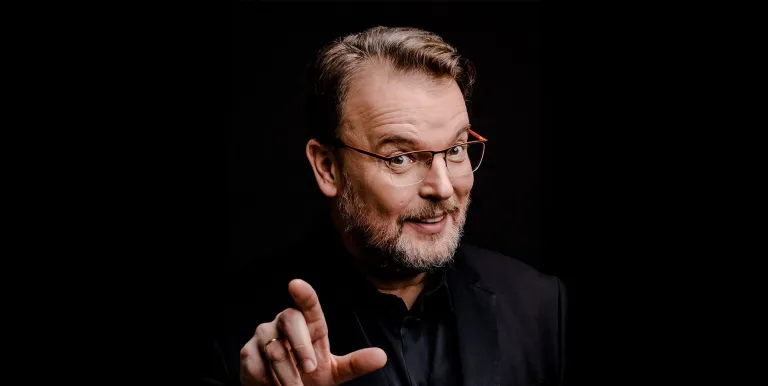
“Here, Wagner is easier to hear – and to understand” – Interview with Ádám Fischer
It was exactly 20 years ago that the Budapest Wagner Days series first kicked off. Ever since then, founding artistic director Ádám Fischer has remained an indispensable presence and leading figure in these celebrations of Wagner’s work at Müpa Budapest. This year, however, the conductor will be bidding farewell to The Ring of the Nibelung. And so we asked him to share his recollections of the Budapest Ring – as well as to talk about Parsifal, which this time will be presented to the audience in a distinctly music-focused production.
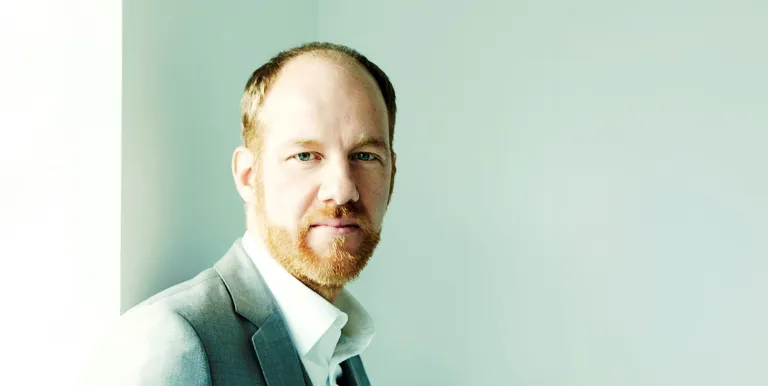
“A treat to be enjoyed not only by the few” – Interview with Martin Rajna
One of the most promising talents of the younger generation of Hungarian conductors, Martin Rajna graduated from Budapest’s Liszt Academy in 2020 and joined the Budapest Wagner Days team as a répétiteur in 2023. He is now co-artistic director of the event series and also serves as principal conductor of the Hungarian State Opera and will take up the post of music director of the Luxembourg Philharmonic later this year. We asked him about his connection to the Wagner festival, and his plans and ideas for it.
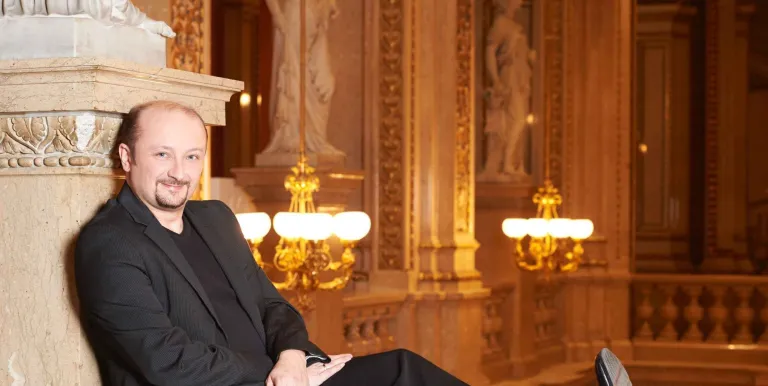
Yesterday’s Ring Today – Interview with Hartmut Schörghofer
Can a production still evolve after 20 years? Can a Wagner staging be both a finished work and a continuously unfolding creation? These questions arise with particular force in connection with Müpa Budapest’s legendary Ring. From the beginning, the production deliberately broke with traditional operatic forms: its minimalist space, projected images and unique fusion of concert hall and theatrical elements created an “open work” that continues to generate new meanings with every cast and in every era. In the following conversation, director Hartmut Schörghofer reflects on how two decades of social and artistic transformation have reshaped the interpretation of Wagner’s Ring, why he values the audience’s free associations, and what keeps a production alive for 20 years.
-
20 Years of Stories from the auditorium, the stage, and behind the scenes:
-
This glossary explains some of the most important concepts, characters and motifs that appear in Richard Wagner’s works, including emblematic vocal and orchestral passages and the sources of some of his ideas. From the mythological objects and figures of the Ring, the Good Friday Spell and the Rome Narrative to the leitmotifs illustrated with audio clips and the Tristan Chord, it serves as a guide to Wagner’s universe – for both experienced and curious first-time listeners alike.
chromaticism
The expansion of the diatonic scale – i.e. the seven-note scale, such as in a major or minor key, which divides the octave into five whole tones and two semitones – with new semitones between the whole tones. At first, these semitones were only used to colour the melody line (hence the name), but later on they were also incorporated into the harmonies. Composers – especially Liszt and Wagner – began to exploit the tension inherent in this increasingly boldly in the second half of the 19th century, which then led to the complete equalization of the 12 tones and the dissolution of tonality (the close connection of each note of the melody to a fundamental note) in the 20th century.
curse
[Ring]When Wotan, with Loge’s help, obtains the ring forged out of the Rheingold from Alberich, the dwarf vengefully curses it to bring destruction to all future owners.
Entrance of the Gods into Valhalla
[Ring]The triumphant procession in the final scene of Das Rheingold, when the gods occupy their newly built abode – with the shadow of their inevitable downfall already looming over them.
Forest Murmurs
[Ring]Orchestral passage from Act 2 of Siegfried. In this scene, Siegfried is alone in the woods. He thinks of his mother, whom he never knew, and listens to the sounds of nature: the rustling of leaves, the singing of birds and the mysterious vibrations of the forest.
Forging Song
[Ring]The title character sings this in Act 1 of Siegfried while forging his father’s broken sword, Nothung, in order to use it to defeat the dragon guarding the treasure.
Gesamtkunstwerk (Total Work of Art)
The endeavour to employ all the branches of the arts – such as poetry, music, dance, theatre, architecture and the visual arts – as equal elements in the service of the work’s message. Wagner saw music drama as the ideal form for its realisation.
ghost ship
[Der fliegende Holländer]The ship of the cursed Dutchman, who is doomed to wander for eternity and bring misfortune to all who encounter him. According to legend, the ship’s captain swore to the devil that he would navigate around the Cape of Good Hope in a storm, even if he had to sail for eternity. As punishment, he is condemned to sail the seas until the end of time. In Wagner’s opera, he is allowed to venture ashore once every seven years: if he finds a woman who redeems him with her faithfulness, the curse will be lifted.
Good Friday Spell
[Parsifal]A passage from Act 3 of Parsifal. When Parsifal returns to the Grail on Good Friday after years of wandering, he is amazed at the apparent contradiction between the sorrow of ‘the day of greatest mourning’ and the blossoming of nature in springtime. Gurnemanz then explains to him that nature shines with such a strange light because the sinful world is purified on the day of Christ’s death on the cross: “It is the tears of repentant sinners that fall like holy dew today to moisten field and meadow; thus making them fertile. Now all creatures rejoice in visible signs of the Redeemer.”
Grail Narrative
[Lohengrin]The title character’s monologue from Act 3. Although warned not to inquire about Lohengrin’s identity, Elsa does so anyway, and he reveals himself to be the son of Parsifal, the knight of the Holy Grail.
Hall Aria
[Tannhäuser]After learning that Tannhäuser – for whom she has unspoken tender feelings – has returned after a long absence, Elisabeth joyfully greets the venue of the previous singing competitions, of which she has so many happy memories.
leitmotif
A short, characteristic musical idea associated with a character, object or concept that recurs repeatedly, either unchanged or modified. One of the most important musical and dramaturgical devices of Wagner’s music dramas, the transformation of motifs and their development into a complex web reveals deeper layers of the story.
The final scene of Götterdämmerung is a rich fabric of all the motifs from the Ring.Magic Fire Music
[Ring]The final scene of Die Walküre. After Wotan bids farewell to Brünnhilde, his favourite child, whose disobedience has driven him to deprive her of her divine nature and cast her into a deep slumber, he surrounds the rock with fire so that only the bravest hero can awaken the girl. The music combines the blazing flames with feelings of love, resignation and the inevitability of fate.
Meistersinger
[Die Meistersinger von Nürnberg]German poet-musicians and master craftsmen of the 15th and 16th centuries. These ‘master singers’ composed their songs according to strict rules, and their skill was measured in singing competitions. One of the most famous Meistersinger was Hans Sachs, of whose compositions several have survived. A fictionalised version of him appears in Die Meistersinger von Nürnberg.
music drama
Wagner’s term for those of his works for the stage (Ring, Tristan und Isolde, Die Meistersinger von Nürnberg and Parsifal) in which he abandoned traditional operatic closed numbers and where the text, music, scenery and costumes all serve the cause of dramatic expression.
Nibelheim
[Ring]The underground realm of the Nibelungs, where the ring and the tarnhelm are made, and where Alberich enslaves his people. Wotan and Loge descend here to seize the ring from Alberich.
Nibelungenlied
[Ring]A heroic epic written in Middle High German and dating from the early 13th century. Its first part, along with the Völsunga Saga, the Poetic Edda and the Thidriks Saga, is one of the sources for The Ring of the Nibelung. It is based on the Nibelung legends, whose roots date back to the Germanic migration period. Its main characters are Siegfried, Kriemhild, Gunther (Kriemhild’s older brother), Brünhild and Hagen. In the Nibelungenlied, Siegfried also obtains Brünhild for Gunther, but there is no mention of their previous love affair.
norns
[Ring]Three mysterious goddesses of fate, the daughters of Erda, the earth-mother, who weave the past, present and future of the world into a rope. The rope later breaks, signalling the approaching end of the world.
Nothung
[Ring]A special sword that only a chosen hero can use. It breaks in Siegmund’s hands, but his son Siegfried reforges it and later uses it to defeat the dragon and break Wotan’s spear in two.
Pilgrims’ Chorus
[Tannhäuser]The famous chorus from Acts 1 and 3 of Tannhäuser is a song of repentance and hope. The title character joins the pilgrims on their way to Rome, seeking forgiveness for his sins, but does not receive the absolution he had hoped for from the Pope.
Rhinegold
[Ring]A golden treasure situated in the depths of the Rhine. Only those who renounce love can possess it. A symbol of untouched nature, its removal is a violation of the world’s original harmony.
Rhinemaidens
[Ring]Three aquatic creatures who guard the Rhinegold, which Alberich steals from them through cunning and force. They are the embodiment of innocence and natural balance, witnesses to the world’s lost harmony. In Götterdämmerung, they try to warn Siegfried of the danger lurking around him and to persuade him to return the ring to them, but Siegfried will not part with the piece of jewellery.
Ride of the Valkyries
[Ring]A famous passage from Die Walküre, depicting a ride by Wotan’s warrior daughters. The Valkyries are the executors of Wotan’s will, collecting and carrying the souls of fallen heroes to Valhalla, where they will protect the gods from the forces that seek their destruction.
ring
[Ring]A magical ring forged from the Rheingold that grants its wearer unlimited power. It is a symbol of total control – but it bears a curse.
Rome Narrative
[Tannhäuser]In this passage from Act 3, Tannhäuser dramatically relates the story of his pilgrimage to Rome and the curse of being denied absolution from the Pope.
Siegfried Idyll
[orchestral work]Wagner wrote this 1870 orchestral work to celebrate the birthday of his wife, Cosima. Although its title recalls the third part of the Ring (and incorporates some of its motifs), it also refers to the couple’s then one-year-old son, also named Siegfried. As an adult, Siegfried Wagner would serve as the director of the Bayreuth Festival for more than two decades.
Siegfried’s Death and Funeral March
[Ring]An overwhelming scene from Act 3 of Götterdämmerung: Siegfried is mortally wounded after Hagen’s betrayal, and with his last words remembers his love for Brünnhilde. The monumental orchestral funeral march following his death is one of Wagner’s greatest symphonic pieces, evoking the leitmotifs of the hero’s life and fate, simultaneously mourning both Siegfried’s downfall and the world itself as it spins inexorably towards destruction.
spear
[Ring]Wotan’s weapon symbolizing power, authority and order. The contracts inscribed on it forbid the god from breaking his word.
swan
[Lohengrin]The swan pulls Lohengrin’s boat; it is a symbol of mysterious, otherworldly origins. At the very end of the opera, it transforms back into Elsa’s brother, believed dead, who had been held captive by Ortrud’s spell.
Tarnhelm
[Ring]A magical object that allows its wearer to take on other forms. A symbol of invisible forms of power, it is a tool of manipulation and illusion. In Alberich’s hands it becomes an instrument of total control, but later Siegfried also uses it when he obtains Brünnhilde for Gunther. The associated leitmotif also creates a sense of uncertainty and transformation – as if the music itself were “disguising itself”.
Tristan Chord
[Tristan und Isolde]One of the most famous chords in the musical literature. Although the chord itself – built from an augmented fourth, augmented sixth and augmented ninth above the bass note – had appeared before, Wagner was the first to use it independently as such a powerful dramatic element. Instead of resolving – in accordance with musical tradition – these dissonant-sounding notes, which appear right away in the second bar of the prelude to Tristan und Isolde, he moves on to another dissonant chord and maintains this tension – as a symbol of incessant, tormenting longing – until the end of the opera, only reaching fulfilment in Isolde’s Liebestod finale.
Valhalla
[Ring]An enormous palace, the residence of the gods and the embodiment of their power. Nevertheless, it was built on compromises and debt (a bargain with the giants), Wotan pays for it with the ring stolen from Alberich. The foundations of power are already unstable, the destruction of Valhalla is inevitable and, at the end of Götterdämmerung, it will be engulfed in flames.
Wagner tuba
[Ring]A brass instrument named after Wagner, which was produced pitched in two different keys based on the composer’s ideas for the 1876 premiere of the Ring. Despite its name, the Wagner tuba is more similar to the horn, and is usually played by horn players. One of the best-known leitmotifs of the Ring, the Valhalla motif, is written for horns and Wagner tubas. The instrument was later used by composers including Bruckner, Richard Strauss and Stravinsky, and its distinctive sound can also be heard in Bartók’s The Miraculous Mandarin.
Wesendonck Lieder
[song cycle]Wagner’s song cycle for voice and piano, later arranged for orchestra by Felix Mottl. The lyrics to the songs were written by Mathilde Wesendonck, who played an important role in the composer’s life during the creation of Tristan und Isolde.
Finally, let us give the floor to one of Wagner’s more impartial contemporaries, Eduard Hanslick:
Meistersinger Overture
[Die Meistersinger von Nürnberg]“All the opera’s themes are dumped consecutively into a chromatic flood and finally tossed about in a kind of tonal typhoon… Only one thing saves it from being declared the most unpleasant overture in the world, and that is that the prelude to Tristan und Isolde is even more horrible.”
Or perhaps not?
-
With the help of our video selection, you can relive some memorable moments from the Budapest Wagner Days.
Everything in one: a summary of the first two decades. We bid farewell to the past with gratitude, and look to the future with excited curiosity about what the next 20 years will bring.
-
Click here for the biographies of the Wagner Days artists:
-
Artistic director and conductor:
Ádám FischerCo-artistic director:
Martin RajnaCast:
Wotan Tomasz KoniecznyDonner Csaba SzegediFroh Zoltán MegyesiLoge Norbert ErnstFricka Atala SchöckFreia Lilla HortiErda Erika GálAlberich Jochen SchmeckenbecherMime Jürgen SacherFasolt Tijl FaveytsFafner Sorin ColibanWoglinde Orsolya SáfárWellgunde Gabriella FodorFlosshilde Zsófia KálnayFeaturing:
dancers Dóra Asztalos
Zoltán Csere
Laura Fehér
János Feledi
Anna Gulyás
István Horváth
Krisztián Kelemen
Richárd Kovács
Dániel Krizsán
Brigitta Tóth
Milán Újvári
Gábor Vidachild dancer Donát Dorián Hegedüs (18.06.) , Gergely Kalmár (25.06.)the Hungarian Radio Symphony OrchestraCreators:
dramaturgs Christian Martin Fuchs †, Dr. Christian Baiercostume and puppet design Corinna Cromelighting Máté Vajdachoreographer Gábor Vidavideo Szupermodern Filmstúdió Budapestassistant conductor János Kovácshead répétiteur Gábor Bartinaimusical assistants László Bartal
Gábor Bartinai
Dóra Bizják
Brigitta Kovács
Johannes Marsovszky
Paul Marsovszky
Martin Rajnarevival director Etelka Polgárdirector Hartmut Schörghofer -
Scene 1: The depths of the Rhine
Woglinde, Wellgunde and Flosshilde, the three Rhinemaidens supposed to be guarding the Rhinegold, play merrily among the waves. Suddenly, the dwarf Alberich emerges from a dark chasm. Watching the maidens with wonder, he attempts to woo them in his own clumsy fashion, but they only make a fool of him. He becomes increasingly frustrated by their constant mockery. When he hears that the mysterious treasure of the Rhine can only be claimed by he who renounces love forever, he lays a curse on love and seizes the gold.
© Attila Nagy, Müpa
Scene 2: High in the mountains
The fortress of Wotan, Lord of the Gods, is complete. However, the giants who built it, Fafner and Fasolt, have demanded a heavy price for their labour: Freia, the goddess of beauty and eternal youth. Wotan reassures his anxious wife, Fricka, that he will not hand the girl over to the giants, and that Loge, the cunning god of fire, will find a way out. When Loge finally emerges from the flickering flames, he chatters at first before reporting what Alberich has done and that the dwarf is using a magic ring forged from the Rhinegold to enslave the entire world. The giants decide they will exchange the gold for Freia, but they hold the goddess hostage for the time being. Wotan and Loge descend into the depths, towards the subterranean world of the dwarves.
Scene 3: Nibelheim, home of the Nibelungs
The two gods discover that Alberich has used the power of the ring to enslave his entire race, even tyrannising his own brother, Mime. He forces Mime to forge a magic helmet for him – anyone wearing it can instantly transport himself elsewhere or assume any shape he wishes. This plays right into the gods’ hands. They trick the dwarf into turning himself into a tiny toad and capture him.
Scene 4: Back on high
In exchange for Alberich’s freedom, Wotan and Loge demand his treasure, and eventually strip him of both the helmet and the ring. The humiliated dwarf places a curse on the ring. Wotan becomes ever more enchanted by the magical jewellery and grows reluctant to hand it over to the giants. At that moment, Erda, the Earth Mother, rises from the depths and warns him that the ring will be his downfall. Deeply shaken, the chief god finally surrenders the entire treasure to the giants. The power of the curse immediately becomes apparent: while dividing the treasure, Fafner kills Fasolt. The gods take possession of their new home, Valhalla.
© Attila Nagy, Müpa
-
“Here, Wagner is easier to hear – and to understand” – Interview with Ádám Fischer
It was exactly 20 years ago that the Budapest Wagner Days series first kicked off. Ever since then, founding artistic director Ádám Fischer has remained an indispensable presence and leading figure in these celebrations of Wagner’s work at Müpa Budapest. This year, however, the conductor will be bidding farewell to The Ring of the Nibelung. And so we asked him to share his recollections of the Budapest Ring – as well as to talk about Parsifal, which this time will be presented to the audience in a distinctly music-focused production.
“A treat to be enjoyed not only by the few” – Interview with Martin Rajna
One of the most promising talents of the younger generation of Hungarian conductors, Martin Rajna graduated from Budapest’s Liszt Academy in 2020 and joined the Budapest Wagner Days team as a répétiteur in 2023. He is now co-artistic director of the event series and also serves as principal conductor of the Hungarian State Opera and will take up the post of music director of the Luxembourg Philharmonic later this year. We asked him about his connection to the Wagner festival, and his plans and ideas for it.
Yesterday’s Ring Today – Interview with Hartmut Schörghofer
Can a production still evolve after 20 years? Can a Wagner staging be both a finished work and a continuously unfolding creation? These questions arise with particular force in connection with Müpa Budapest’s legendary Ring. From the beginning, the production deliberately broke with traditional operatic forms: its minimalist space, projected images and unique fusion of concert hall and theatrical elements created an “open work” that continues to generate new meanings with every cast and in every era. In the following conversation, director Hartmut Schörghofer reflects on how two decades of social and artistic transformation have reshaped the interpretation of Wagner’s Ring, why he values the audience’s free associations, and what keeps a production alive for 20 years.
-
20 Years of Stories from the auditorium, the stage, and behind the scenes:
-
This glossary explains some of the most important concepts, characters and motifs that appear in Richard Wagner’s works, including emblematic vocal and orchestral passages and the sources of some of his ideas. From the mythological objects and figures of the Ring, the Good Friday Spell and the Rome Narrative to the leitmotifs illustrated with audio clips and the Tristan Chord, it serves as a guide to Wagner’s universe – for both experienced and curious first-time listeners alike.
chromaticism
The expansion of the diatonic scale – i.e. the seven-note scale, such as in a major or minor key, which divides the octave into five whole tones and two semitones – with new semitones between the whole tones. At first, these semitones were only used to colour the melody line (hence the name), but later on they were also incorporated into the harmonies. Composers – especially Liszt and Wagner – began to exploit the tension inherent in this increasingly boldly in the second half of the 19th century, which then led to the complete equalization of the 12 tones and the dissolution of tonality (the close connection of each note of the melody to a fundamental note) in the 20th century.
curse
[Ring]When Wotan, with Loge’s help, obtains the ring forged out of the Rheingold from Alberich, the dwarf vengefully curses it to bring destruction to all future owners.
Entrance of the Gods into Valhalla
[Ring]The triumphant procession in the final scene of Das Rheingold, when the gods occupy their newly built abode – with the shadow of their inevitable downfall already looming over them.
Forest Murmurs
[Ring]Orchestral passage from Act 2 of Siegfried. In this scene, Siegfried is alone in the woods. He thinks of his mother, whom he never knew, and listens to the sounds of nature: the rustling of leaves, the singing of birds and the mysterious vibrations of the forest.
Forging Song
[Ring]The title character sings this in Act 1 of Siegfried while forging his father’s broken sword, Nothung, in order to use it to defeat the dragon guarding the treasure.
Gesamtkunstwerk (Total Work of Art)
The endeavour to employ all the branches of the arts – such as poetry, music, dance, theatre, architecture and the visual arts – as equal elements in the service of the work’s message. Wagner saw music drama as the ideal form for its realisation.
ghost ship
[Der fliegende Holländer]The ship of the cursed Dutchman, who is doomed to wander for eternity and bring misfortune to all who encounter him. According to legend, the ship’s captain swore to the devil that he would navigate around the Cape of Good Hope in a storm, even if he had to sail for eternity. As punishment, he is condemned to sail the seas until the end of time. In Wagner’s opera, he is allowed to venture ashore once every seven years: if he finds a woman who redeems him with her faithfulness, the curse will be lifted.
Good Friday Spell
[Parsifal]A passage from Act 3 of Parsifal. When Parsifal returns to the Grail on Good Friday after years of wandering, he is amazed at the apparent contradiction between the sorrow of ‘the day of greatest mourning’ and the blossoming of nature in springtime. Gurnemanz then explains to him that nature shines with such a strange light because the sinful world is purified on the day of Christ’s death on the cross: “It is the tears of repentant sinners that fall like holy dew today to moisten field and meadow; thus making them fertile. Now all creatures rejoice in visible signs of the Redeemer.”
Grail Narrative
[Lohengrin]The title character’s monologue from Act 3. Although warned not to inquire about Lohengrin’s identity, Elsa does so anyway, and he reveals himself to be the son of Parsifal, the knight of the Holy Grail.
Hall Aria
[Tannhäuser]After learning that Tannhäuser – for whom she has unspoken tender feelings – has returned after a long absence, Elisabeth joyfully greets the venue of the previous singing competitions, of which she has so many happy memories.
leitmotif
A short, characteristic musical idea associated with a character, object or concept that recurs repeatedly, either unchanged or modified. One of the most important musical and dramaturgical devices of Wagner’s music dramas, the transformation of motifs and their development into a complex web reveals deeper layers of the story.
The final scene of Götterdämmerung is a rich fabric of all the motifs from the Ring.Magic Fire Music
[Ring]The final scene of Die Walküre. After Wotan bids farewell to Brünnhilde, his favourite child, whose disobedience has driven him to deprive her of her divine nature and cast her into a deep slumber, he surrounds the rock with fire so that only the bravest hero can awaken the girl. The music combines the blazing flames with feelings of love, resignation and the inevitability of fate.
Meistersinger
[Die Meistersinger von Nürnberg]German poet-musicians and master craftsmen of the 15th and 16th centuries. These ‘master singers’ composed their songs according to strict rules, and their skill was measured in singing competitions. One of the most famous Meistersinger was Hans Sachs, of whose compositions several have survived. A fictionalised version of him appears in Die Meistersinger von Nürnberg.
music drama
Wagner’s term for those of his works for the stage (Ring, Tristan und Isolde, Die Meistersinger von Nürnberg and Parsifal) in which he abandoned traditional operatic closed numbers and where the text, music, scenery and costumes all serve the cause of dramatic expression.
Nibelheim
[Ring]The underground realm of the Nibelungs, where the ring and the tarnhelm are made, and where Alberich enslaves his people. Wotan and Loge descend here to seize the ring from Alberich.
Nibelungenlied
[Ring]A heroic epic written in Middle High German and dating from the early 13th century. Its first part, along with the Völsunga Saga, the Poetic Edda and the Thidriks Saga, is one of the sources for The Ring of the Nibelung. It is based on the Nibelung legends, whose roots date back to the Germanic migration period. Its main characters are Siegfried, Kriemhild, Gunther (Kriemhild’s older brother), Brünhild and Hagen. In the Nibelungenlied, Siegfried also obtains Brünhild for Gunther, but there is no mention of their previous love affair.
norns
[Ring]Three mysterious goddesses of fate, the daughters of Erda, the earth-mother, who weave the past, present and future of the world into a rope. The rope later breaks, signalling the approaching end of the world.
Nothung
[Ring]A special sword that only a chosen hero can use. It breaks in Siegmund’s hands, but his son Siegfried reforges it and later uses it to defeat the dragon and break Wotan’s spear in two.
Pilgrims’ Chorus
[Tannhäuser]The famous chorus from Acts 1 and 3 of Tannhäuser is a song of repentance and hope. The title character joins the pilgrims on their way to Rome, seeking forgiveness for his sins, but does not receive the absolution he had hoped for from the Pope.
Rhinegold
[Ring]A golden treasure situated in the depths of the Rhine. Only those who renounce love can possess it. A symbol of untouched nature, its removal is a violation of the world’s original harmony.
Rhinemaidens
[Ring]Three aquatic creatures who guard the Rhinegold, which Alberich steals from them through cunning and force. They are the embodiment of innocence and natural balance, witnesses to the world’s lost harmony. In Götterdämmerung, they try to warn Siegfried of the danger lurking around him and to persuade him to return the ring to them, but Siegfried will not part with the piece of jewellery.
Ride of the Valkyries
[Ring]A famous passage from Die Walküre, depicting a ride by Wotan’s warrior daughters. The Valkyries are the executors of Wotan’s will, collecting and carrying the souls of fallen heroes to Valhalla, where they will protect the gods from the forces that seek their destruction.
ring
[Ring]A magical ring forged from the Rheingold that grants its wearer unlimited power. It is a symbol of total control – but it bears a curse.
Rome Narrative
[Tannhäuser]In this passage from Act 3, Tannhäuser dramatically relates the story of his pilgrimage to Rome and the curse of being denied absolution from the Pope.
Siegfried Idyll
[orchestral work]Wagner wrote this 1870 orchestral work to celebrate the birthday of his wife, Cosima. Although its title recalls the third part of the Ring (and incorporates some of its motifs), it also refers to the couple’s then one-year-old son, also named Siegfried. As an adult, Siegfried Wagner would serve as the director of the Bayreuth Festival for more than two decades.
Siegfried’s Death and Funeral March
[Ring]An overwhelming scene from Act 3 of Götterdämmerung: Siegfried is mortally wounded after Hagen’s betrayal, and with his last words remembers his love for Brünnhilde. The monumental orchestral funeral march following his death is one of Wagner’s greatest symphonic pieces, evoking the leitmotifs of the hero’s life and fate, simultaneously mourning both Siegfried’s downfall and the world itself as it spins inexorably towards destruction.
spear
[Ring]Wotan’s weapon symbolizing power, authority and order. The contracts inscribed on it forbid the god from breaking his word.
swan
[Lohengrin]The swan pulls Lohengrin’s boat; it is a symbol of mysterious, otherworldly origins. At the very end of the opera, it transforms back into Elsa’s brother, believed dead, who had been held captive by Ortrud’s spell.
Tarnhelm
[Ring]A magical object that allows its wearer to take on other forms. A symbol of invisible forms of power, it is a tool of manipulation and illusion. In Alberich’s hands it becomes an instrument of total control, but later Siegfried also uses it when he obtains Brünnhilde for Gunther. The associated leitmotif also creates a sense of uncertainty and transformation – as if the music itself were “disguising itself”.
Tristan Chord
[Tristan und Isolde]One of the most famous chords in the musical literature. Although the chord itself – built from an augmented fourth, augmented sixth and augmented ninth above the bass note – had appeared before, Wagner was the first to use it independently as such a powerful dramatic element. Instead of resolving – in accordance with musical tradition – these dissonant-sounding notes, which appear right away in the second bar of the prelude to Tristan und Isolde, he moves on to another dissonant chord and maintains this tension – as a symbol of incessant, tormenting longing – until the end of the opera, only reaching fulfilment in Isolde’s Liebestod finale.
Valhalla
[Ring]An enormous palace, the residence of the gods and the embodiment of their power. Nevertheless, it was built on compromises and debt (a bargain with the giants), Wotan pays for it with the ring stolen from Alberich. The foundations of power are already unstable, the destruction of Valhalla is inevitable and, at the end of Götterdämmerung, it will be engulfed in flames.
Wagner tuba
[Ring]A brass instrument named after Wagner, which was produced pitched in two different keys based on the composer’s ideas for the 1876 premiere of the Ring. Despite its name, the Wagner tuba is more similar to the horn, and is usually played by horn players. One of the best-known leitmotifs of the Ring, the Valhalla motif, is written for horns and Wagner tubas. The instrument was later used by composers including Bruckner, Richard Strauss and Stravinsky, and its distinctive sound can also be heard in Bartók’s The Miraculous Mandarin.
Wesendonck Lieder
[song cycle]Wagner’s song cycle for voice and piano, later arranged for orchestra by Felix Mottl. The lyrics to the songs were written by Mathilde Wesendonck, who played an important role in the composer’s life during the creation of Tristan und Isolde.
Finally, let us give the floor to one of Wagner’s more impartial contemporaries, Eduard Hanslick:
Meistersinger Overture
[Die Meistersinger von Nürnberg]“All the opera’s themes are dumped consecutively into a chromatic flood and finally tossed about in a kind of tonal typhoon… Only one thing saves it from being declared the most unpleasant overture in the world, and that is that the prelude to Tristan und Isolde is even more horrible.”
Or perhaps not?
-
With the help of our video selection, you can relive some memorable moments from the Budapest Wagner Days.
Everything in one: a summary of the first two decades. We bid farewell to the past with gratitude, and look to the future with excited curiosity about what the next 20 years will bring.
-
Click here for the biographies of the Wagner Days artists: