

Biographies
Dr. Christian Baier
Dr. Christian Baier has worked as a dramaturg for several music theatres and festivals and on international productions. For ten years, between 1996 and 2006, he directed Austria’s first German-language theatre company composed exclusively of immigrants. Between 2012 and 2016, he was the artistic director of the International Gluck Opera Festival, and between 2011 and 2021 served as the chief dramaturg of Ballet Dortmund. As a music theatre dramaturg, he has initiated the world premieres of numerous contemporary works and contributed to the rediscovery of forgotten classic operas. The internationally renowned dance pieces he has staged at Ballet Dortmund have helped to revive classical ballet in Germany.
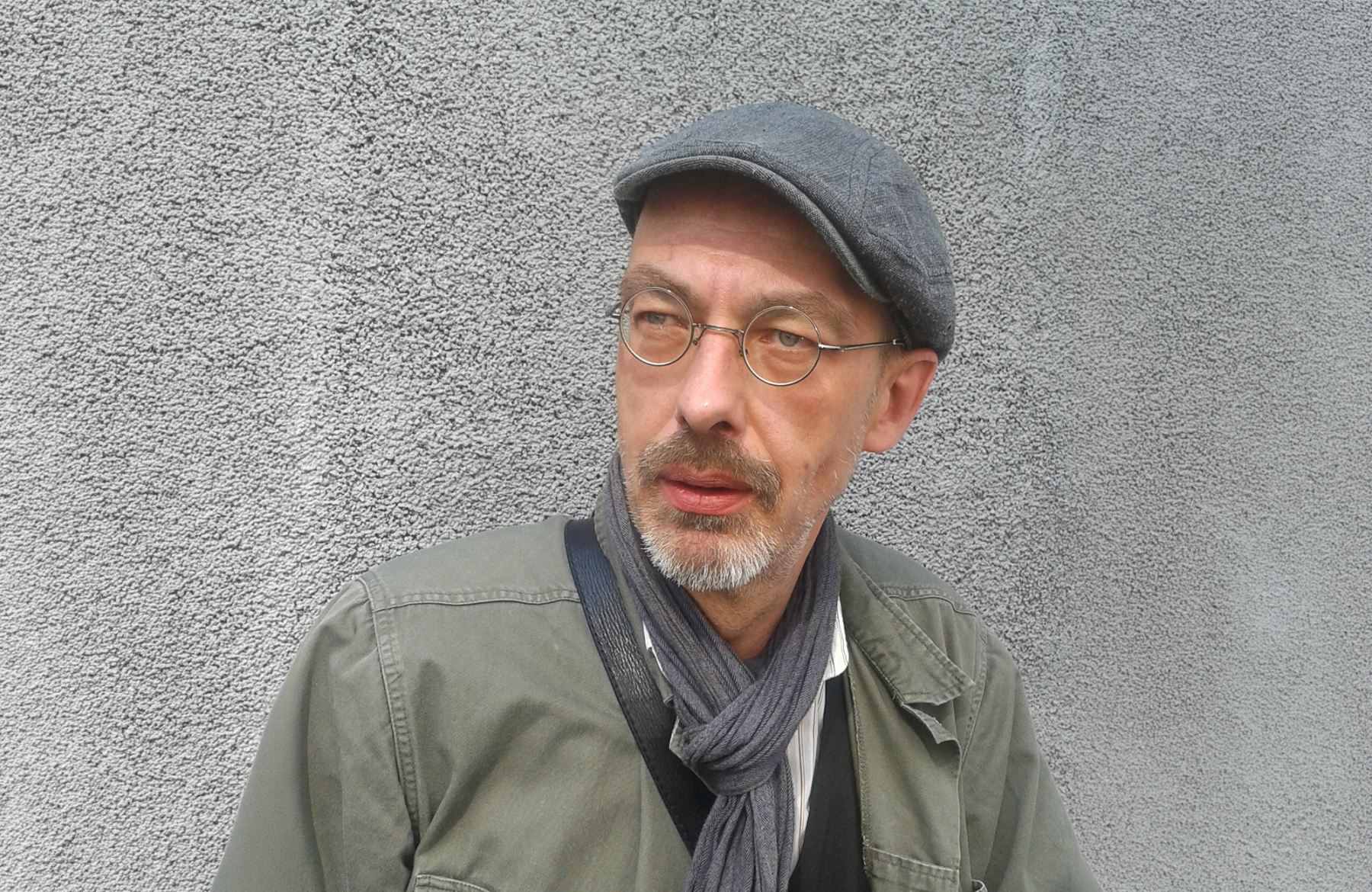
Balázs Bán
Balázs Bán was born in Budapest in 2001. He is currently a second-year student in the master’s programme in oratorio and song performance at the city’s Liszt Academy, where he studies with Péter Fried and Katalin Alter. He has participated in master classes with Emőke Baráth, György Vashegyi, Thomas Quasthoff, Éva Marton and Miklós Szinetár. In recent years, he has performed as a soloist in oratorios, masses and song recitals in various major concert halls in the Hungarian capital – the Liszt Academy, the Béla Bartók National Concert Hall, the Budapest Music Center, Nádor Hall and the Óbuda Cultural Centre – as well as in churches. In June 2025, he took first prize and several special prizes at the First National Opera Competition organised by the Hungarian State Opera for young singers.

Andrea Brassói-Jőrös
Andrea Brassói-Jőrös pursued her vocal studies with Éva Mohos Nagy in Debrecen and at the Liszt Academy under the guidance of Júlia Pászthy, earning her degree in opera singing in the class of András Almási-Tóth in 2016. She has collaborated with such artists as György Kurtág, Péter Eötvös, Gergely Vajda, András Keller, Zoltán Jeney, Gábor Csalog, Péter Halász, Zsolt Hamar and Alan Buribaiev. Contemporary works comprise a significant part of her repertoire, especially the compositions of György Kurtág. After making her Hungarian State Opera debut as Jade Boucher in Jake Heggie’s Dead Man Walking, she went on to sing Titania in A Midsummer Night’s Dream, Natasha Rostova in the production of Prokofiev’s War and Peace, and she also made her debut in the title role of Rusalka, Mimì and Countess Almaviva.
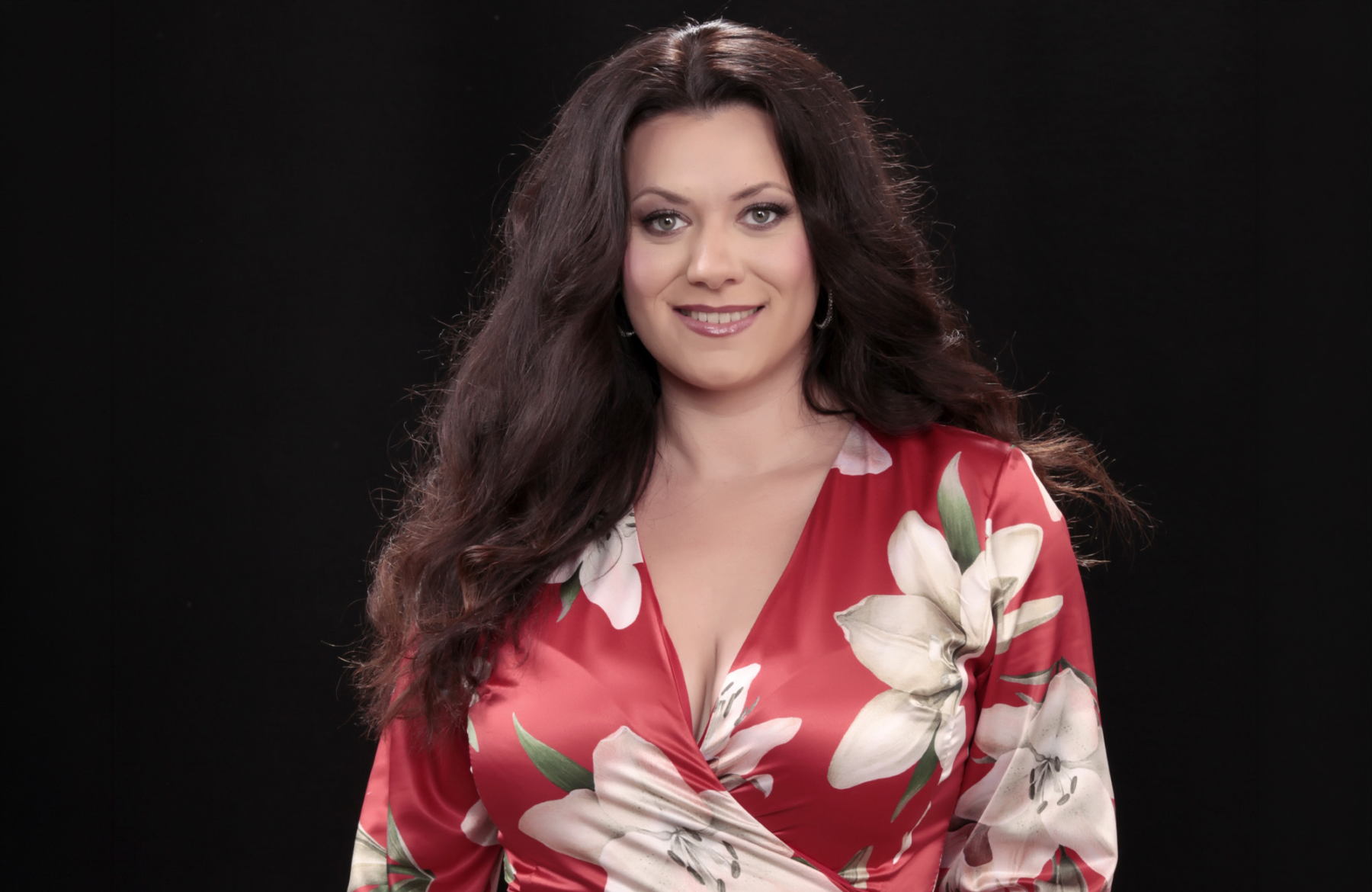
© Attila Juhász
Sorin Coliban
Sorin Coliban has sung at the ROH Covent Garden, at three of the Paris Opera Houses, at the Vienna State Opera and Volksoper, San Francisco, Tel Aviv, Rossini Festival in Pesaro, Bayerische Staatsoper, Amsterdam (Concertgebouw), Wiener Festwochen, Bregenz Festival. In 2013, he gave his debut at the Bayreuth Festival as Fafner. His repertoire includes roles such as Philipp II, the Grand Inquisiteur, Fiesco, Procida, Don Pasquale, Don Giovanni, Sarastro, Holländer, Alidoro and Don Magnifico. In 2021 he sang Timur in St Margarethen, Ramfis at the Danish National Opera. In 2023–2024 he debuted as King Henry in Lohengrin in Shanghai and sang Fasolt in Bologna, in 2026 Landgrave in Tannhäuser at Zagreb Opera. In 2022 he was invited to La Scala in Milan for Un ballo in maschera and The Tempest by Thomas Adès.
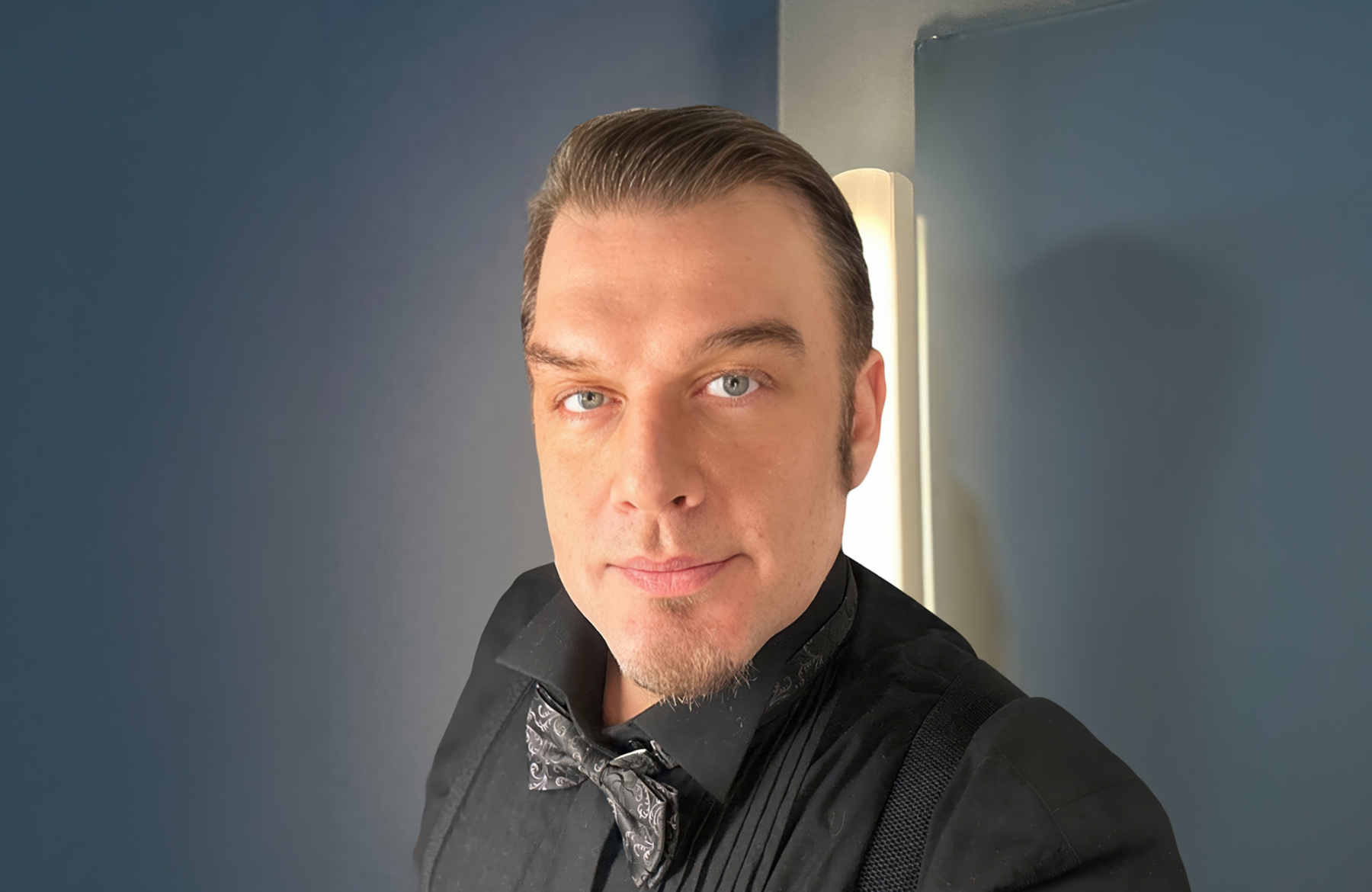
© Sorin Coliban
Corinna Crome
Corinna Crome studied costume and stage design at Salzburg’s Mozarteum before working as an assistant at the Bavarian State Theatre. She subsequently collaborated with Wilfried Minks, Philip Tiedemann and Michael Simon, among others. At the Bavarian State Theatre she designed the sets for a performance of The Shadow Line and was also the set and costume designer for Der gute Gott von Manhattan (again in Bavaria) and Amphitryon at the Hamburg Altona Theatre. She has accepted invitations to work at Toronto’s Opera House and Drama Theatre and at the Hungarian State Opera, as well as in Innsbruck, Lübeck and Dresden, at the Royal Swedish Opera (Andrea Chénier), Oper Bonn (Manon Lescaut) and Prague’s National Theatre (Orfeo ed Euridice).
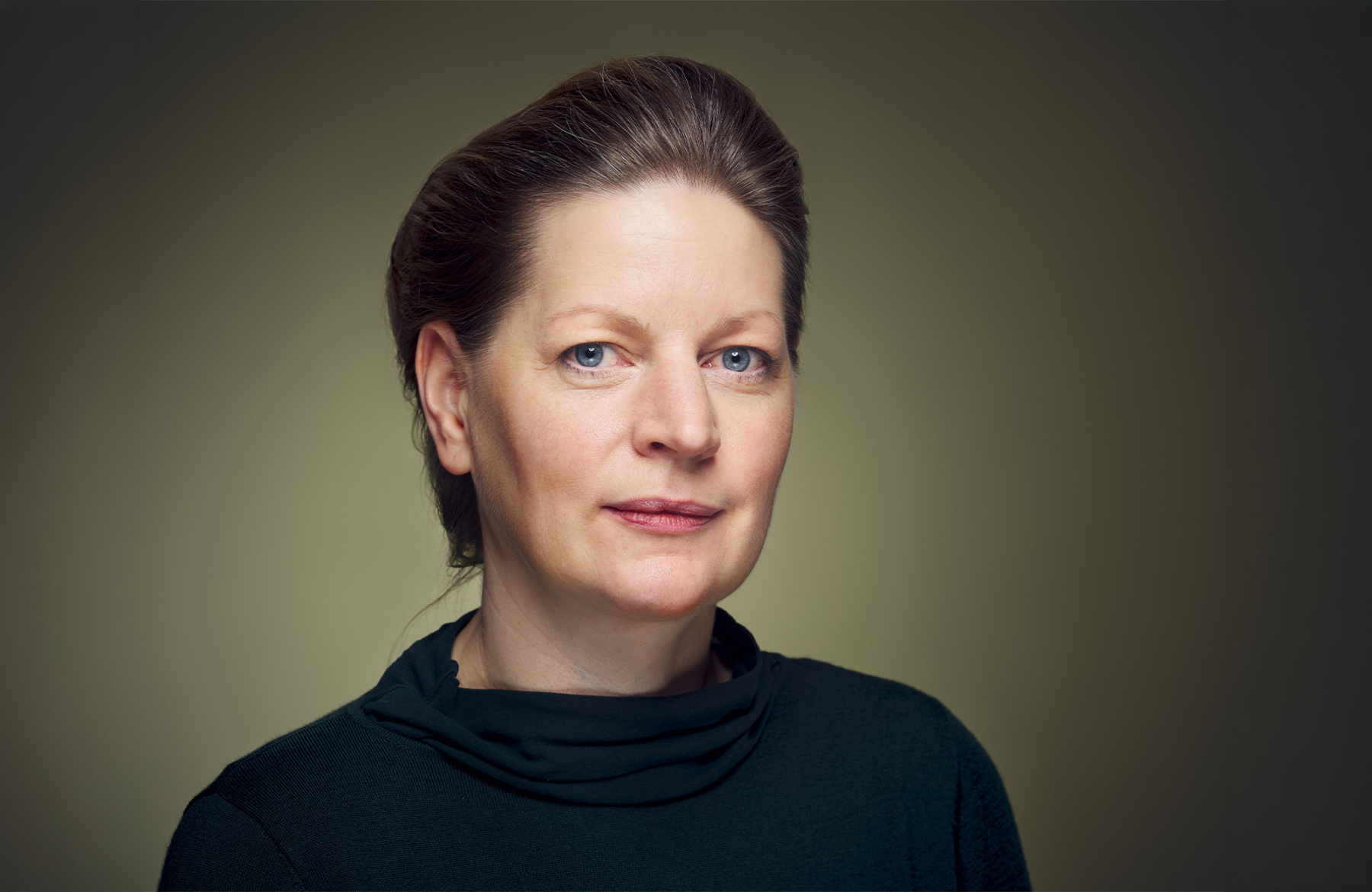
Helmut Deutsch
Helmut Deutsch, one of the world’s most sought-after and successful vocal accompanists, is a native Viennese artist, born in the Austrian capital, where he also completed his studies in piano, composition and musicology, and later worked as a professor. He has also enjoyed a distinguished career as a chamber musician, though the world of Lieder has always remained at the centre of his artistic interests. His career as a vocal accompanist began alongside Irmgard Seefried and later Hermann Prey. Today, Jonas Kaufmann, Diana Damrau and Michael Volle are among his most important artistic partners. For half of a century, he taught at the Universities of Music and Performing Arts in Vienna, Munich, Frankfurt and Salzburg, and he continues to give masterclasses worldwide.
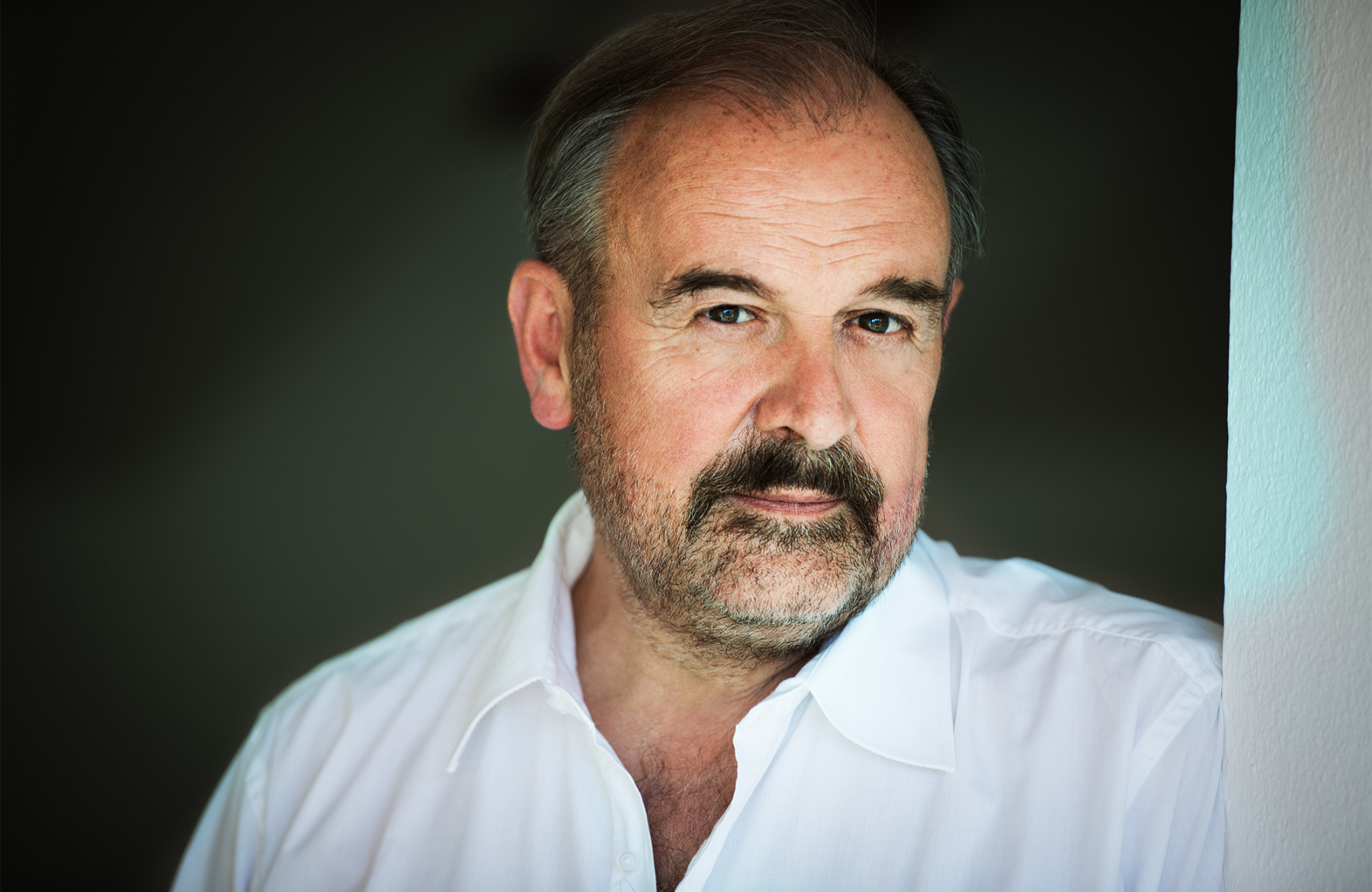
Soma Dinyés
Soma Dinyés graduated from Budapest’s Liszt Academy after studying choral conducting under István Párkai, Péter Erdei, Valér Jobbágy and Miklós Szabó. The Ars Longa Chamber Orchestra and Chamber Choir he founded has primarily performed the oratorical works of Johann Sebastian Bach at festivals both in Hungary and abroad. A specialist in Baroque music, he has worked with almost all of Hungary’s symphony orchestras as a harpsichordist or conductor, and also frequently joins Slovakian, Austrian, German, Czech and Transylvanian early music ensembles as a guest soloist or continuo player. In 2019, he took over the direction of the Hungarian Radio Children’s Choir, where, in addition to conducting rehearsals and concerts, he also plays a significant role in the children’s musical education.
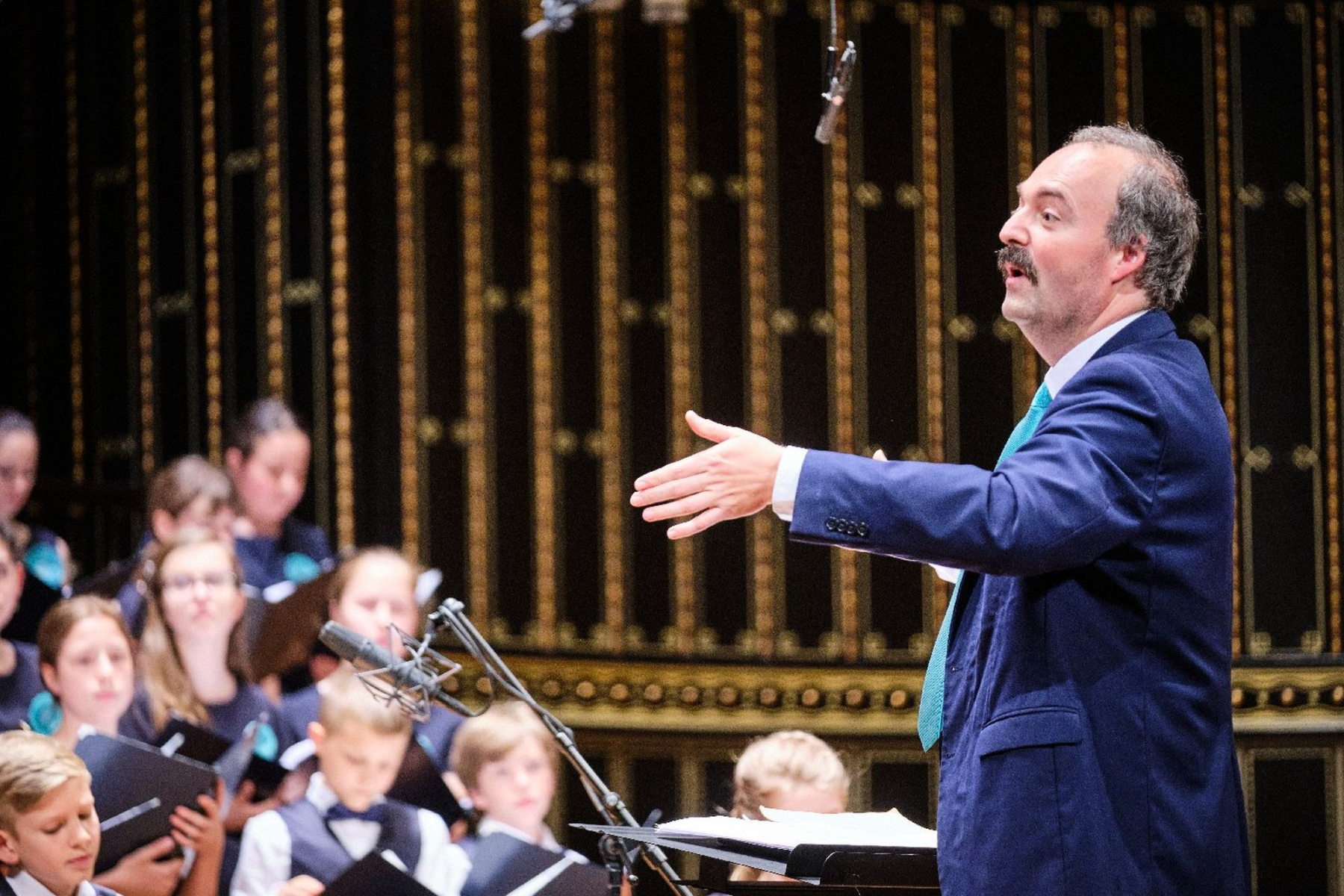
© Attila Vörös
Norbert Ernst
Norbert Ernst’s brilliant, luminous voice and powerful stage presence have brought him great acclaim as Loge, including at the Metropolitan Opera in New York. He has also sung major roles like Tannhäuser in London, Paul (in Die tote Stadt) and Tristan in Vienna, Siegmund in Valencia and Florestan in St Gallen, in addition to appearing at La Scala, Covent Garden and the Bayreuth Festival. Also in demand on the concert stage, he has performed at Carnegie Hall and the Musikverein, as well as collaborating with such conductors as Pierre Boulez, Kent Nagano, Christian Thielemann and Kirill Petrenko. He has featured on several opera DVDs in addition to releasing his own albums of arias (Lebt kein Gott) and lieder (Wohl fühl ich wie das Leben rinnt).
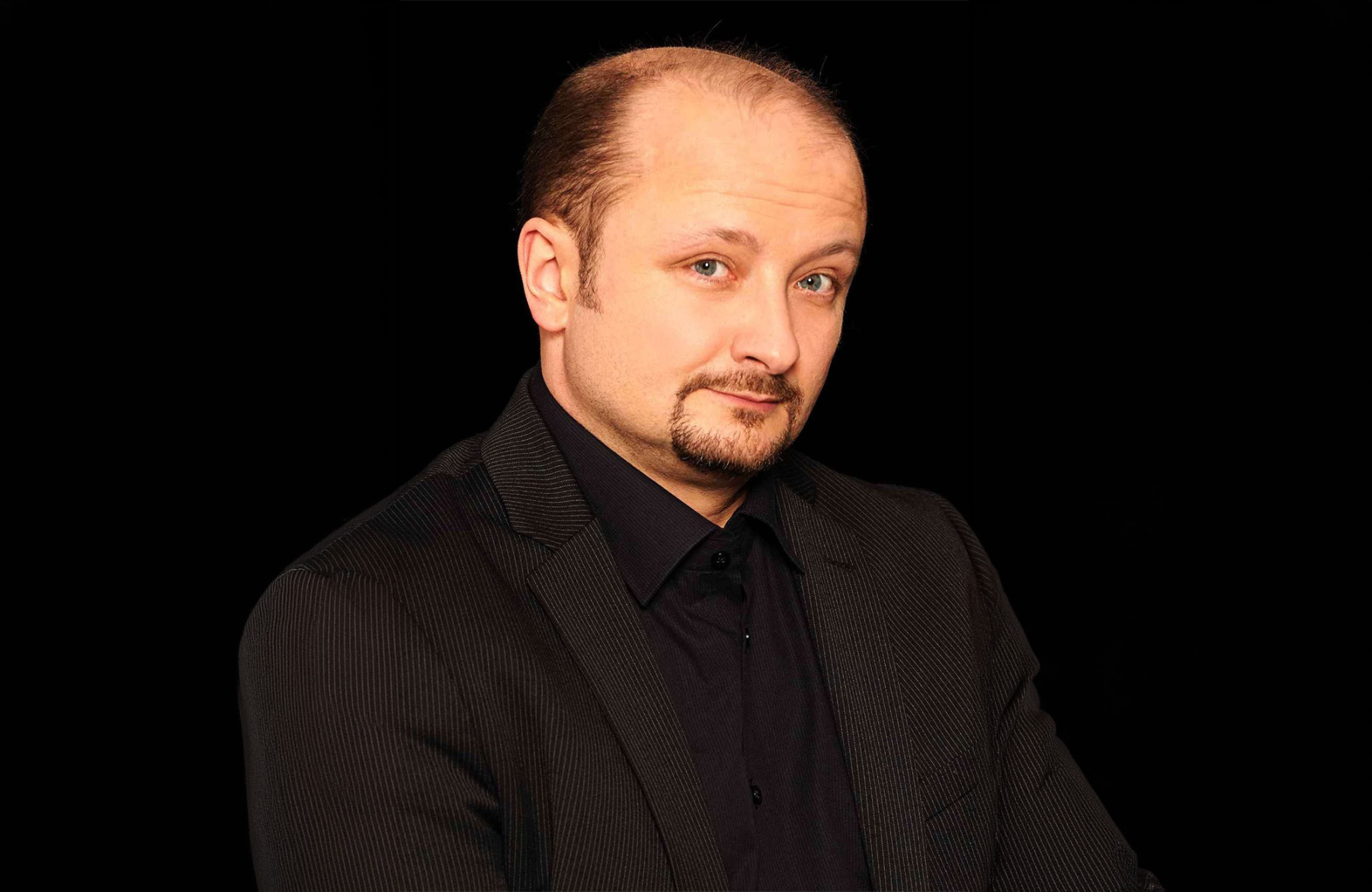
Tijl Faveyts
The Belgian bass Tijl Faveyts first attracted international attention when he sang Sarastro in Die Zauberflöte under the musical direction of Daniel Harding at the Aix-en-Provence Festival at the age of only 26. International guest engagements have recently taken him to the Bavarian State Opera Munich, to the Philharmonie Cologne and the Concertgebouw Amsterdam, to the Semperoper Dresden, to the Teatro Cervantes Málaga, to the Cologne Opera, as well as to Minden for his role debut as Gurnemanz in Parsifal. Having been a member of the Theater St. Gallen, the Aalto-Theater Essen and the Komische Oper Berlin, he will join the ensemble of the Cologne Opera in September 2026. He works with renowned conductors such as Christian Thielemann, Fabio Luisi, Esa-Pekka Salonen, Carlo Rizzi and Marc Albrecht.
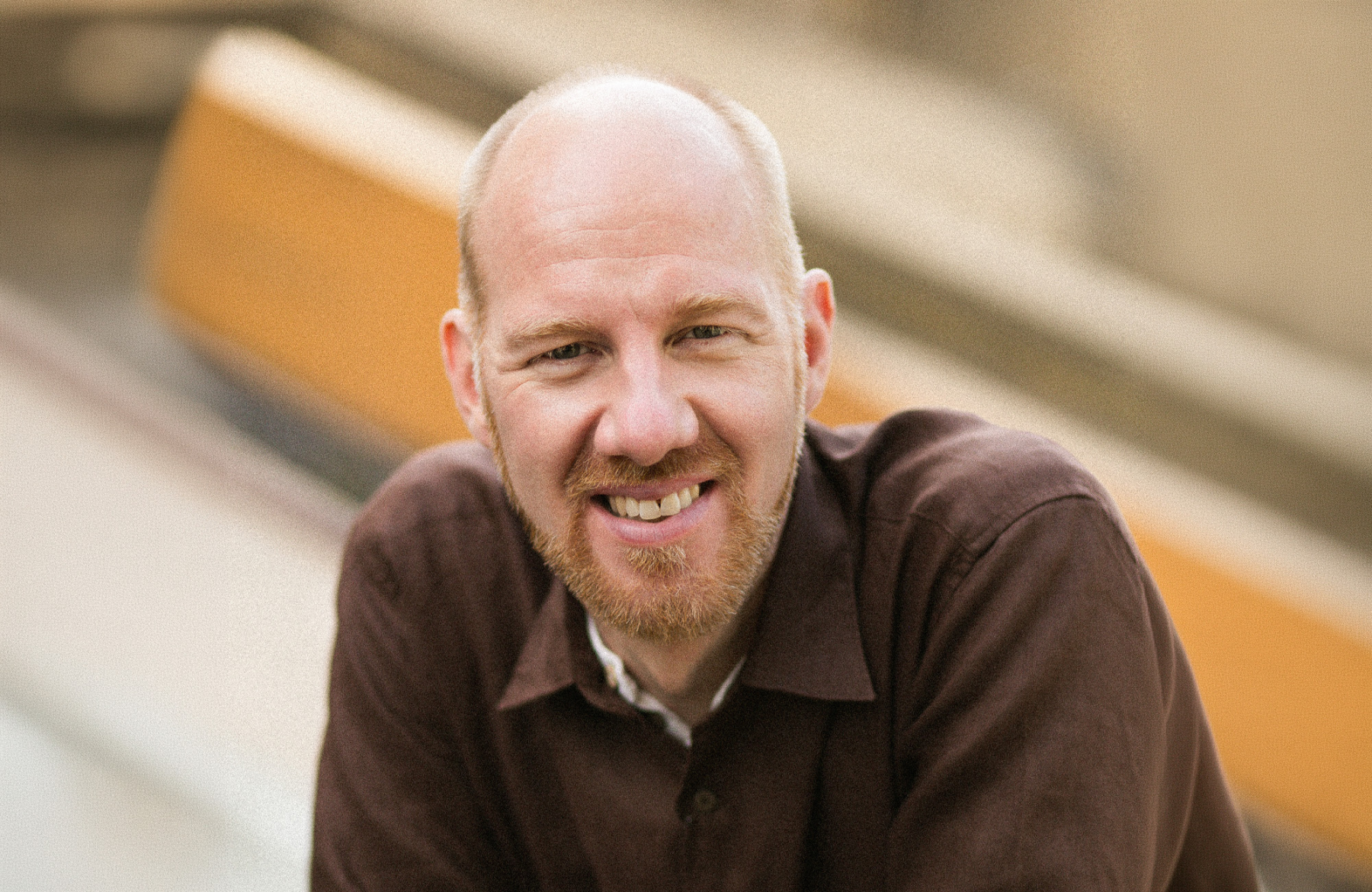
© Claudia Greco
Ádám Fischer
Ádám Fischer initially studied at the Conservatory in Budapest before earning his conducting degree at the Vienna Academy of Music under Hans Swarowsky in 1971. He later attended masterclasses held by Franco Ferrara in Venice and Siena. Key milestones in his career include European opera houses such as Graz, Sankt Pölten, Vienna, Helsinki, Munich, Freiburg, Kassel and Mannheim. He has also served as chief music director of both the Hungarian State Opera and the Hungarian Radio Symphony Orchestra. A frequent guest at major opera houses and concert halls in Europe and America, he has regularly conducted at Bayreuth. He is currently chief conductor of the Düsseldorf Symphony Orchestra and the Danish Chamber Orchestra, Honorary Member of the Vienna State Opera. He founded the Budapest Wagner Days in 2006 and has overseen the festival ever since, earning it significant international acclaim.
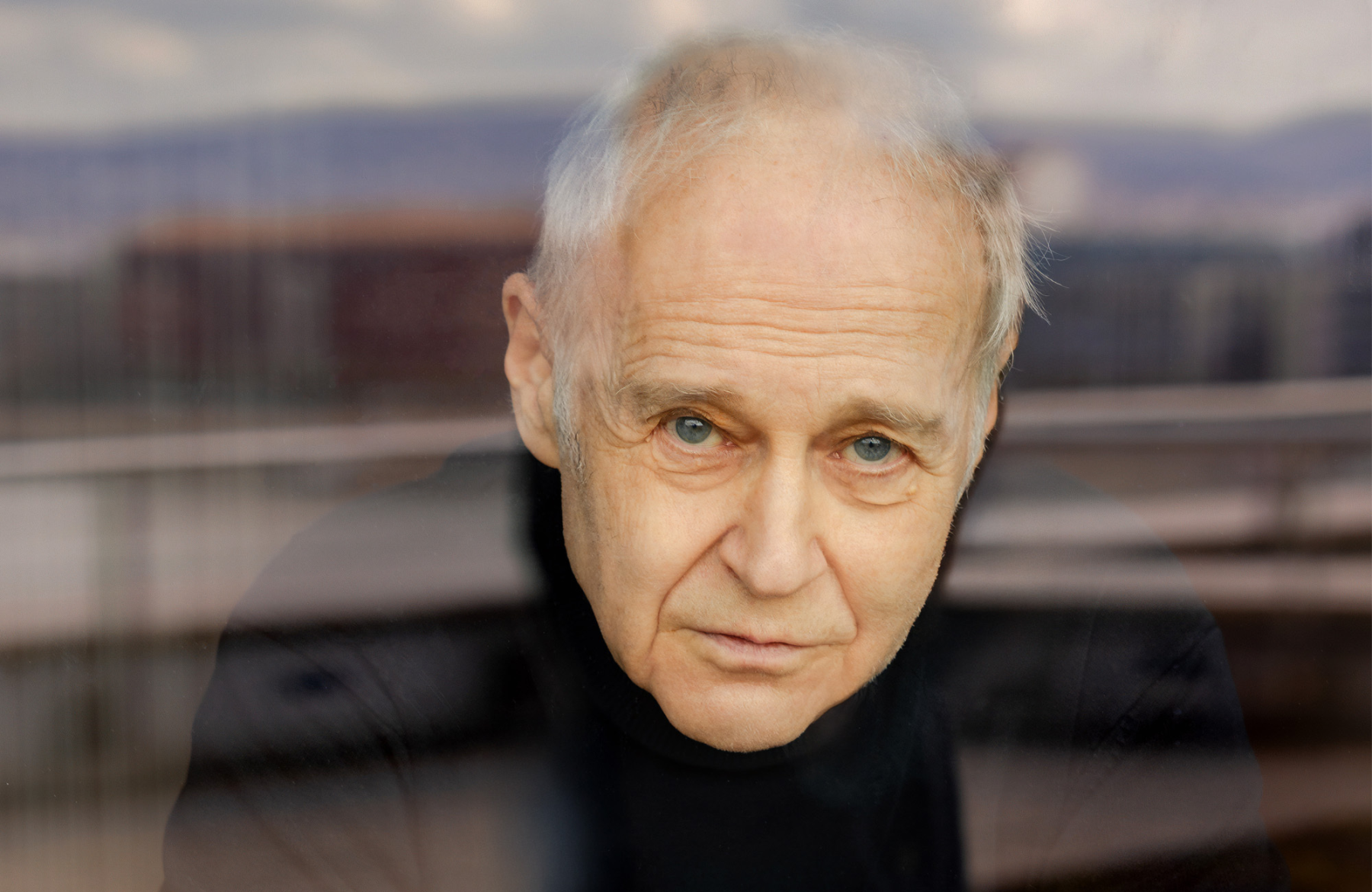
© Szilvia Csibi, Müpa
Beatrix Fodor
Beatrix Fodor graduated from Budapest’s Liszt Academy, where she studied under Júlia Pászthy, and continued her studies in Graz and Vienna. In 2002, she placed second at the Salzburg Mozarteum’s 8th International Mozart Competition and first at the Prague–Vienna–Budapest Summer Academy Competition. In addition to her many concert performances, she primarily sings roles from Mozart’s operas, enjoying great success as Donna Anna in Don Giovanni and, later on, in roles in Le nozze di Figaro and Die Zauberflöte, and has also appeared in Richard Strauss’s Elektra.
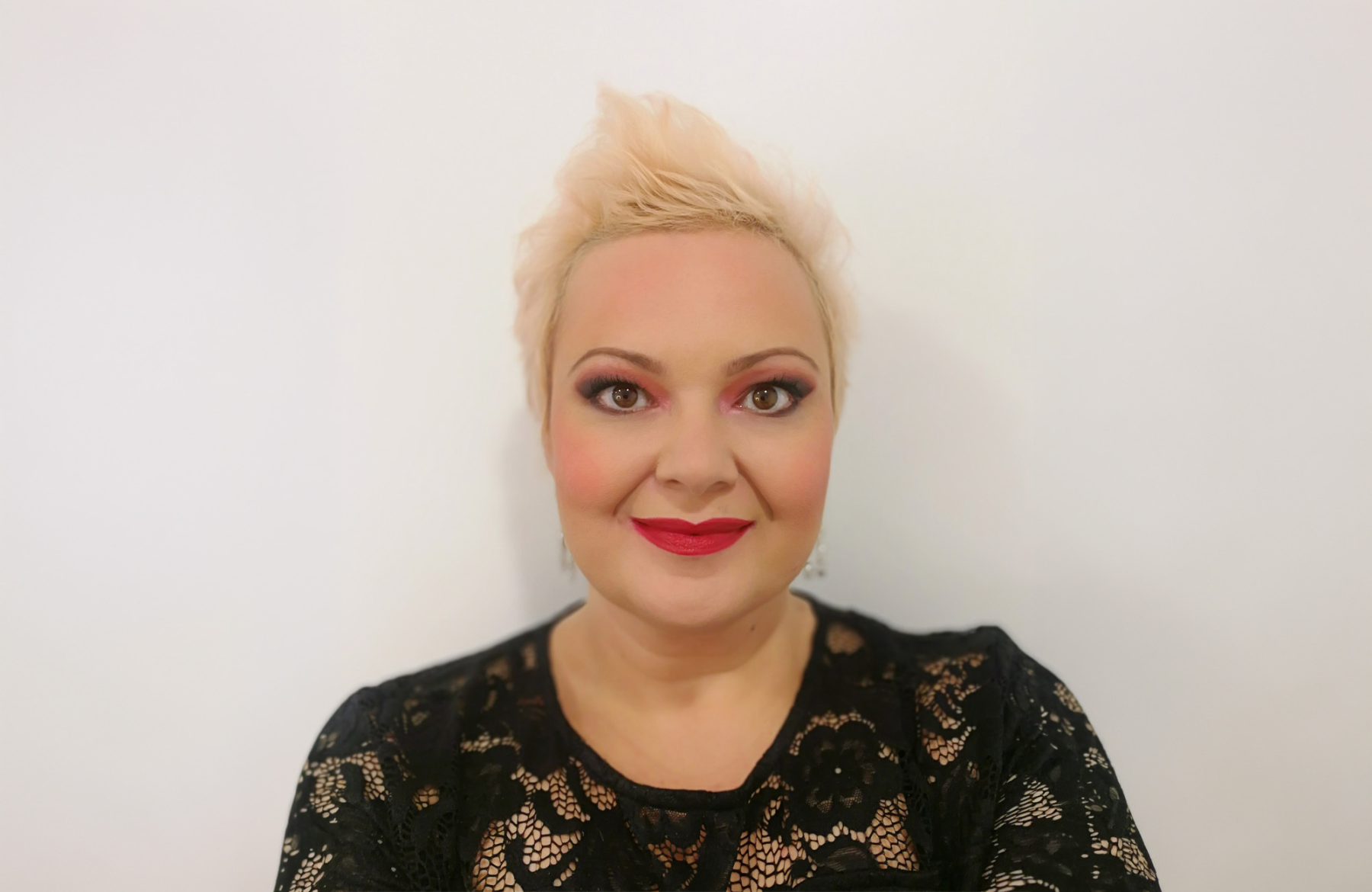
Gabriella Fodor
Gabriella Fodor graduated from the Liszt Academy with a degree in solo voice and opera. She made her debut at the Hungarian State Opera in 2004 as Miss Jessel in the Hungarian premiere of Britten’s opera The Turn of the Screw. Since then, she has sung the roles of Pamina, the Countess, Donna Elvira, Michaëla, Desdemona, Mimì, and both Margherita and Elena (in Boito’s Mefistofele), among others. She also regularly takes the stage at Hungarian and international festivals as a concert singer, and has taken part in performances of Beethoven’s Ninth Symphony, the St Matthew Passion, Peer Gynt, and the Requiems of Mozart and Frigyes Hidas. She has been a regular presence at the Budapest Wagner Days since 2008.
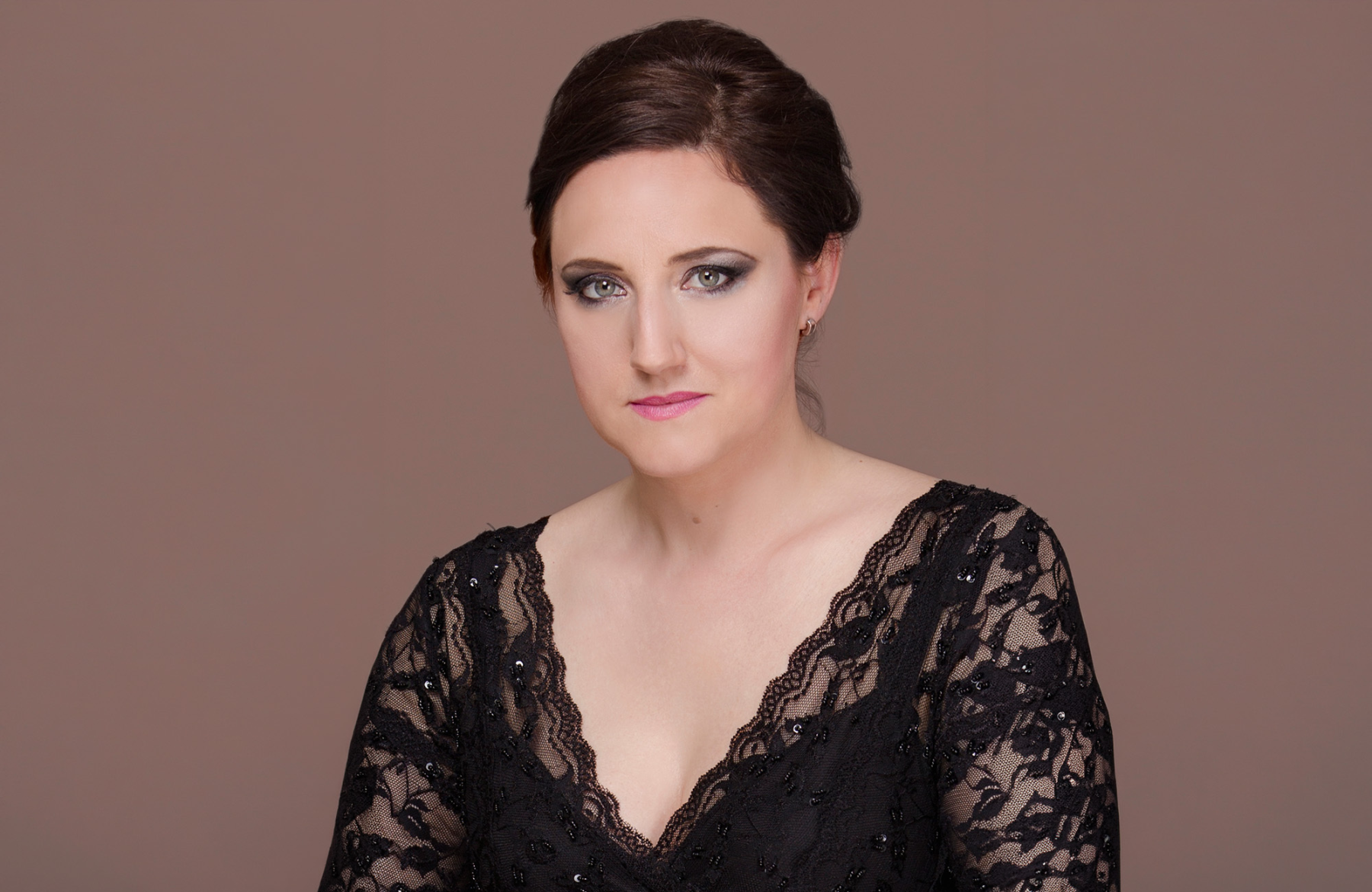
© Artbalance Stúdió
Erika Gál
Erika Gál is a Chamber Singer of the Hungarian State Opera who has been recognised with the Oláh Gusztáv Memorial Plaque, the Komlóssy and Závodszky awards and the Hungarian Silver Cross of Merit. In 2001, she won the Wagner Society’s Bayreuth scholarship. She was a recurring guest at the Miskolc Opera Festival and made her debut as Carmen at the Bucharest Opera Festival and as Amneris at the Szeged Open-Air Festival. Counting Plácido Domingo, José Cura, Renato Bruson, Anja Silja and Willard White among her past partners, she also sang the title role in the Hungarian State Opera’s production of Karl Goldmark’s The Queen of Sheba in New York and in Tel Aviv. She regularly performs at the Budapest Wagner Days in the roles of Flosshilde, Grimgerde, Erda and the First Norn.
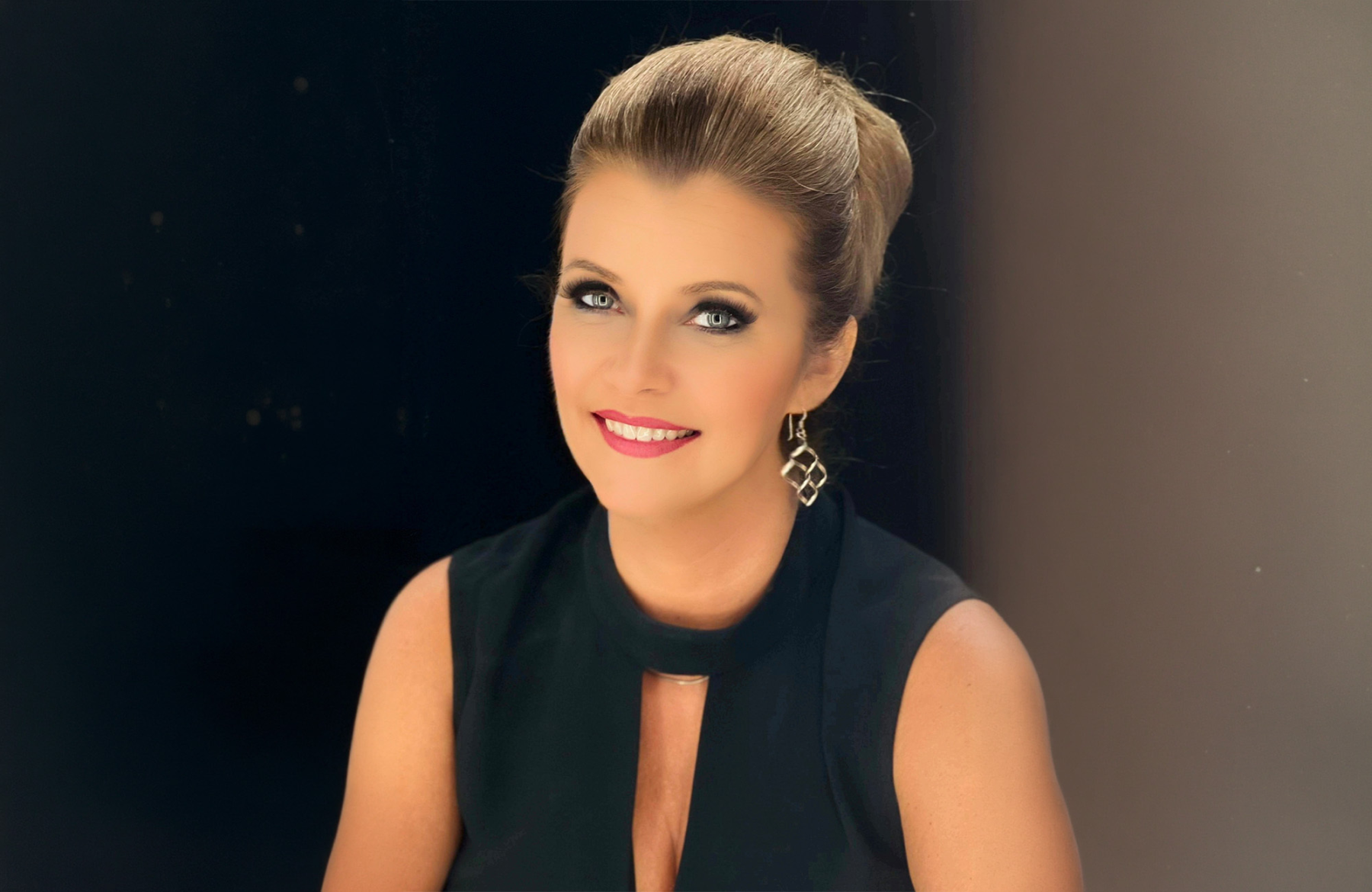
Magdalena Anna Hofmann
In the spring of 2026, Magdalena Anna Hofmann had her role debut as Elektra at the Deutsche Oper am Rhein. Her engagements to date have taken her to venues including La Scala in Milan (Lulu), the Opéra National de Bordeaux (Le Balcon), Bonn, Essen and Copenhagen as Senta, to Lyon as Senta and as Carlotta in Schreker’s Die Gezeichneten, several times to the Bregenz Festival, as Kundry in Bernhard Lang’s Mondparsifal at the Vienna and Berlin Festivals, as Fidelio in Bologna, as the Foreign Princess at the Semperoper, as Isolde in Hannover and Wiesbaden, as Sieglinde and Brünnhilde under Ádám Fischer at the Budapest Wagner Days, and as Marie in Wozzeck at the Antwerp/Ghent Opera. She was born in Warsaw, Poland, and studied lieder, oratorio and opera at the Vienna Conservatory.
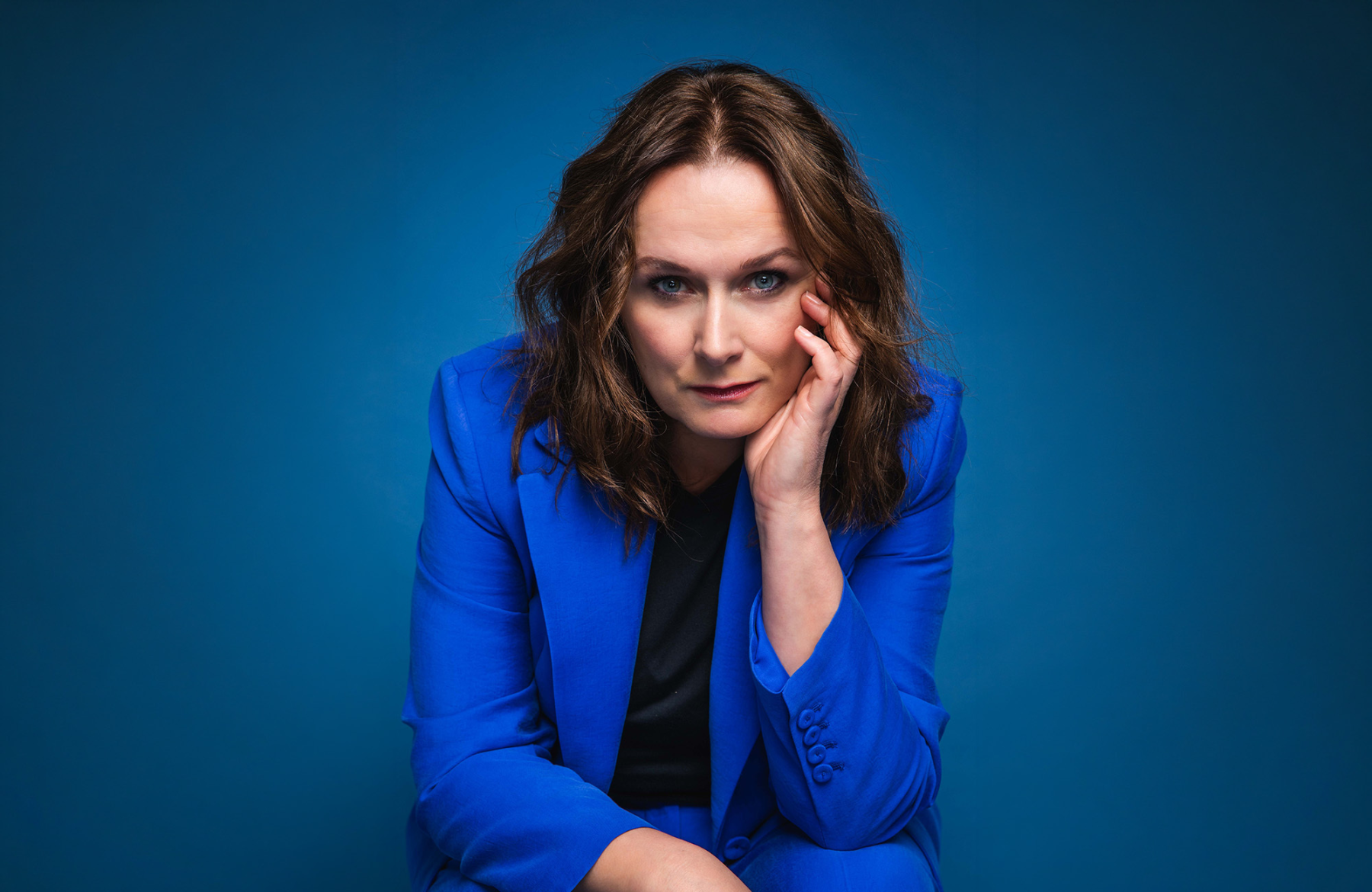
Lilla Horti
Lilla Horti is a Junior Prima Award- and Cziffra Award-winning artist, a returning guest at the Budapest Wagner Days. The soloist of the Hungarian State Opera pursued her studies in Hungary and Spain, earning her degree at Budapest’s Liszt Academy in 2017 as a student of Éva Marton. She has been active on the opera stage since 2013, and has been singing leading roles since 2017 at the Hungarian State Opera. She sang among others Fiordiligi, Donna Elvira, Nedda, Mimì, Antonia and Giulietta from The Tales of Hoffmann, Micaëla, Rosalinda, Szaffi, Bess, Liù, Tosca, Judith, as well as Freia, Gutrune, First Flowermaiden and Wellgunde. She has also appeared as a soloist in numerous song recitals, gala concerts and oratorio performances, and has performed in many European countries, as well as in China and India.
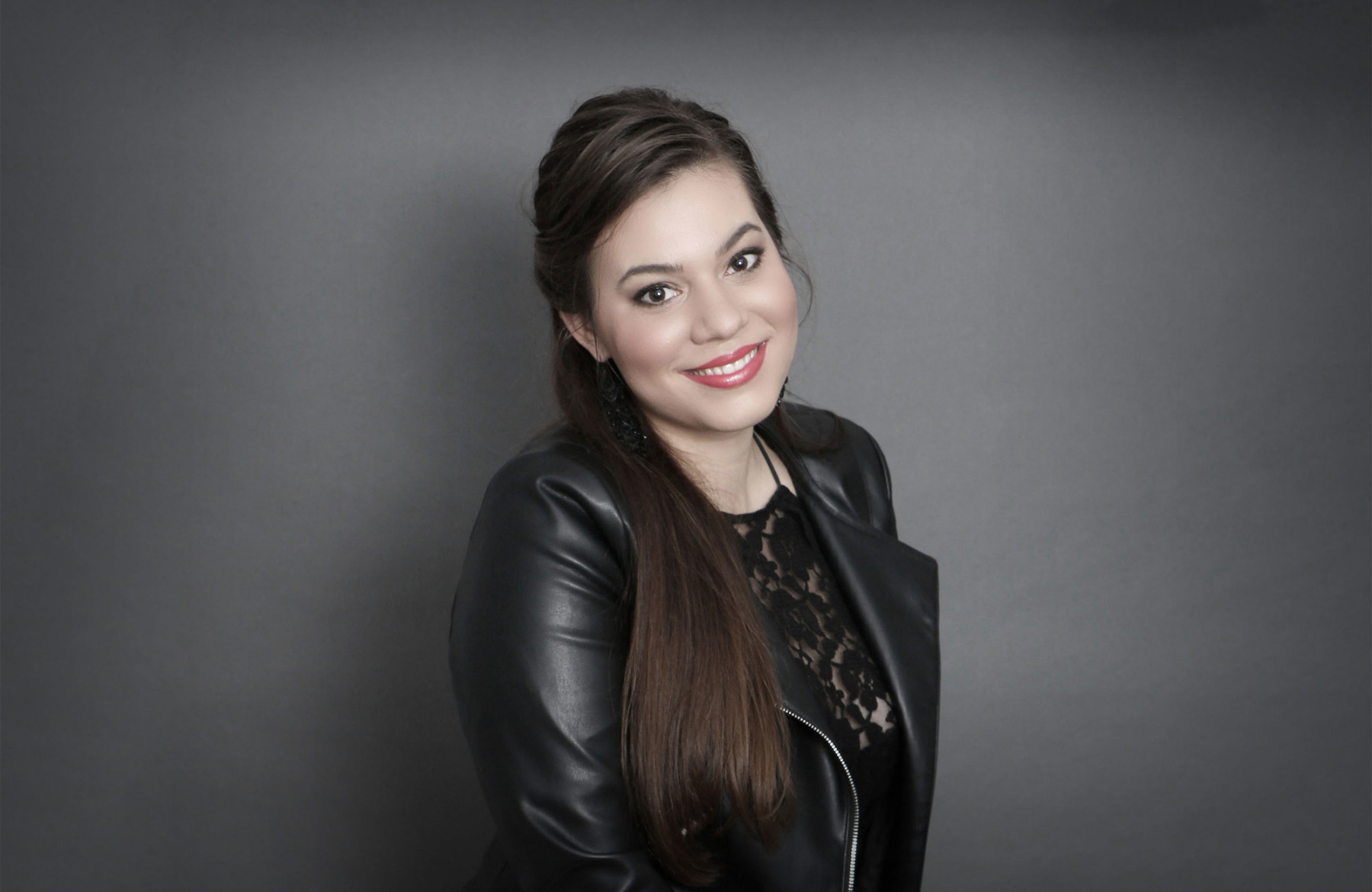
© Zsanett Frisenhan
Birgit Kajtna-Wönig
Birgit Kajtna-Wönig studied music theatre directing at the University of Music and Performing Arts in Vienna. From 2007 to 2025, she worked as a revival director at the Hamburg and Vienna State Operas, and collaborated with institutions and festivals including the Salzburg and Bregenz Festivals, the Bard SummerScape in New York, the Tokyo Bunka Kaikan, La Scala in Milan, and numerous opera houses throughout the German-speaking world. Since 2025, she has also been working as an intimacy coordinator for film and stage productions, most recently for Frauenliebe und -sterben at the Hamburg State Opera. She and Ádám Fischer developed a new staged format for the productions of Haydn’s Orfeo ed Euridice (Tonhalle Düsseldorf), Mozart’s Il re pastore (Salzburg Festival) and Mitridate, re di Ponto (Hamburg and Salzburg).
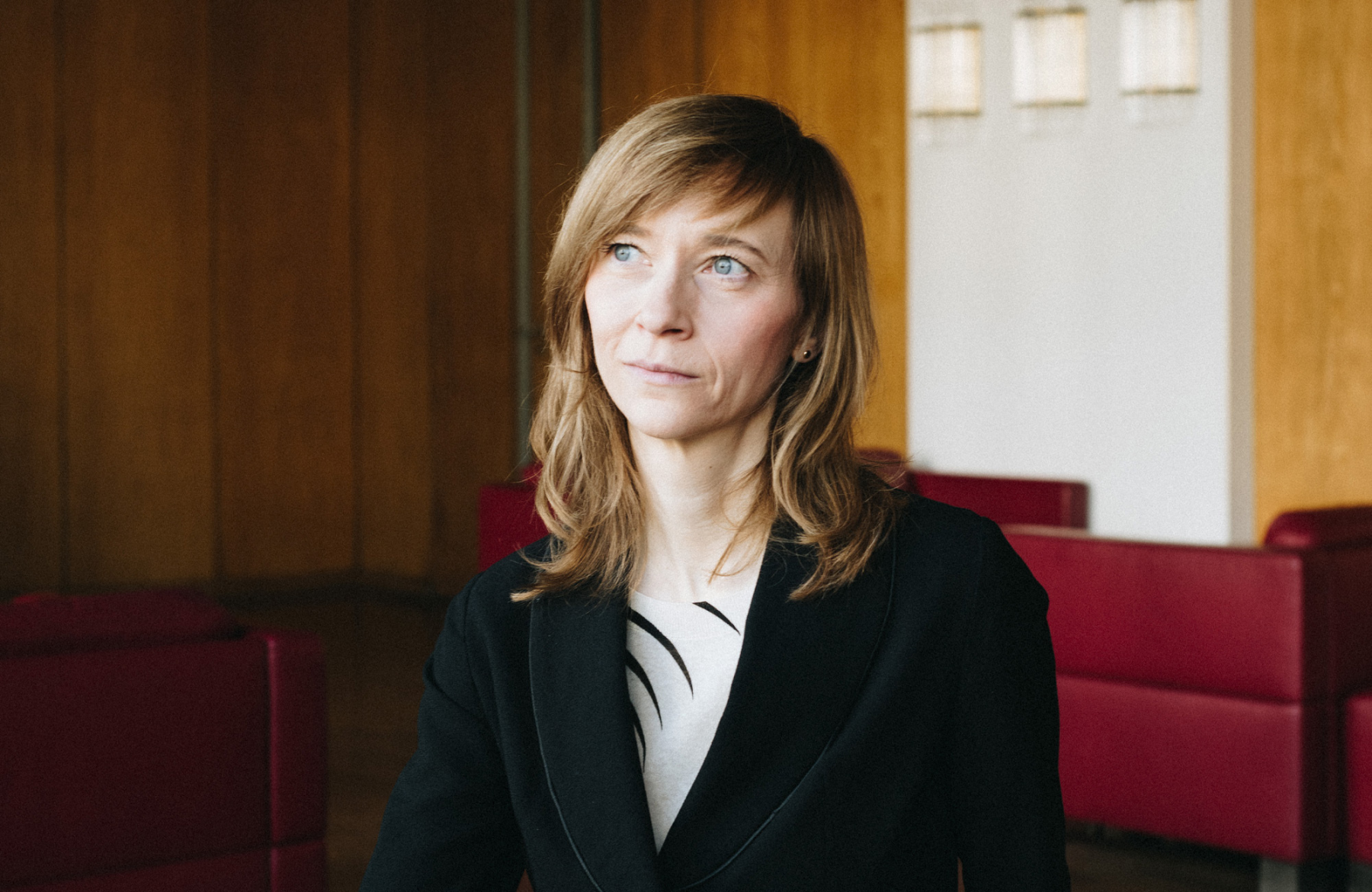
Zsófia Kálnay
Zsófia Kálnay won first prize at the Simándy József Singing Competition while studying under Mária Temesi at the University of Szeged’s Faculty of Music. The mezzo-soprano has been a soloist with the Hungarian State Opera since 2014, and also performs regularly at Müpa Budapest and other major opera venues around Hungary. Her portrayals include the roles of Cenerentola, Rosina, Dorabella, Cherubino and Hänsel, which have brought her great acclaim from audiences at the Hungarian State Opera, as well as the national theatres in Pécs, Győr, Szeged and Debrecen. A regular fixture at the Budapest Wagner Days, she has been singing the roles of Flosshilde and Rossweisse since 2014. In 2025, she made her Miskolc National Theatre debut as Judith in Béla Bartók’s opera Bluebeard’s Castle.
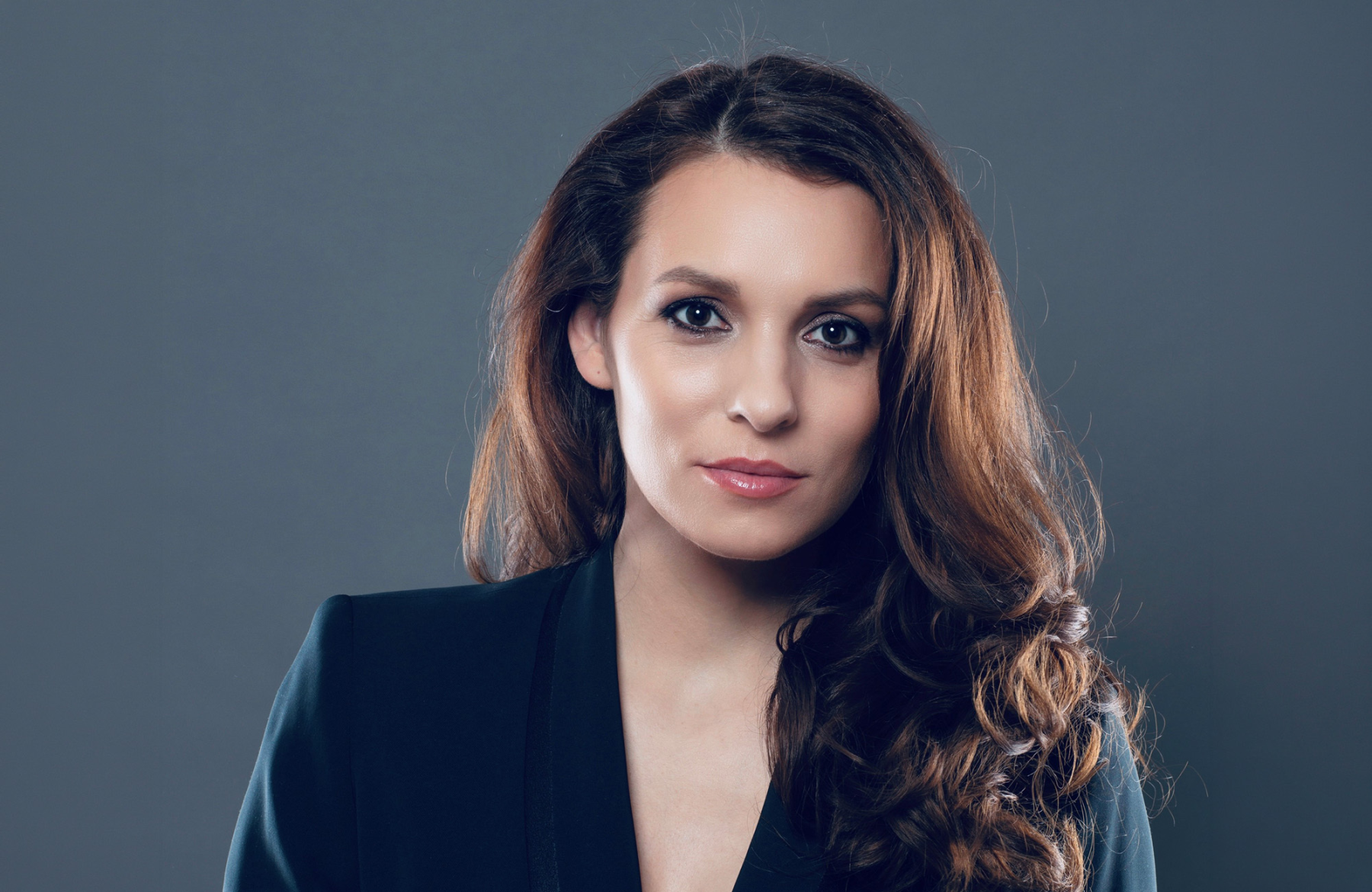
© Csilla Kálnay
Anja Kampe
German soprano Anja Kampe is among the most important singers of our time. With many of her role portrayals she has set standards, including as Brünnhilde at the Berlin and Vienna State Operas, as Kundry in Vienna and at the Opéra de Paris, as Sieglinde at the Bayreuth Festival, as Isolde at the Berlin and Munich State Operas, as Katerina Ismailova and Minnie at the Bavarian State Opera, as well as the Wozzeck’s Marie in Vienna and in London’s Covent Garden. Recent highlights include Ariadne in Hamburg and Vienna, Senta at the Metropolitan Opera, and concerts with Simon Rattle, Iván Fischer and Jaap van Zweden. She has collaborated with Daniel Barenboim, Christian Thielemann, Riccardo Muti and Zubin Mehta, and is celebrated worldwide for her dramatic intensity and vocal power.
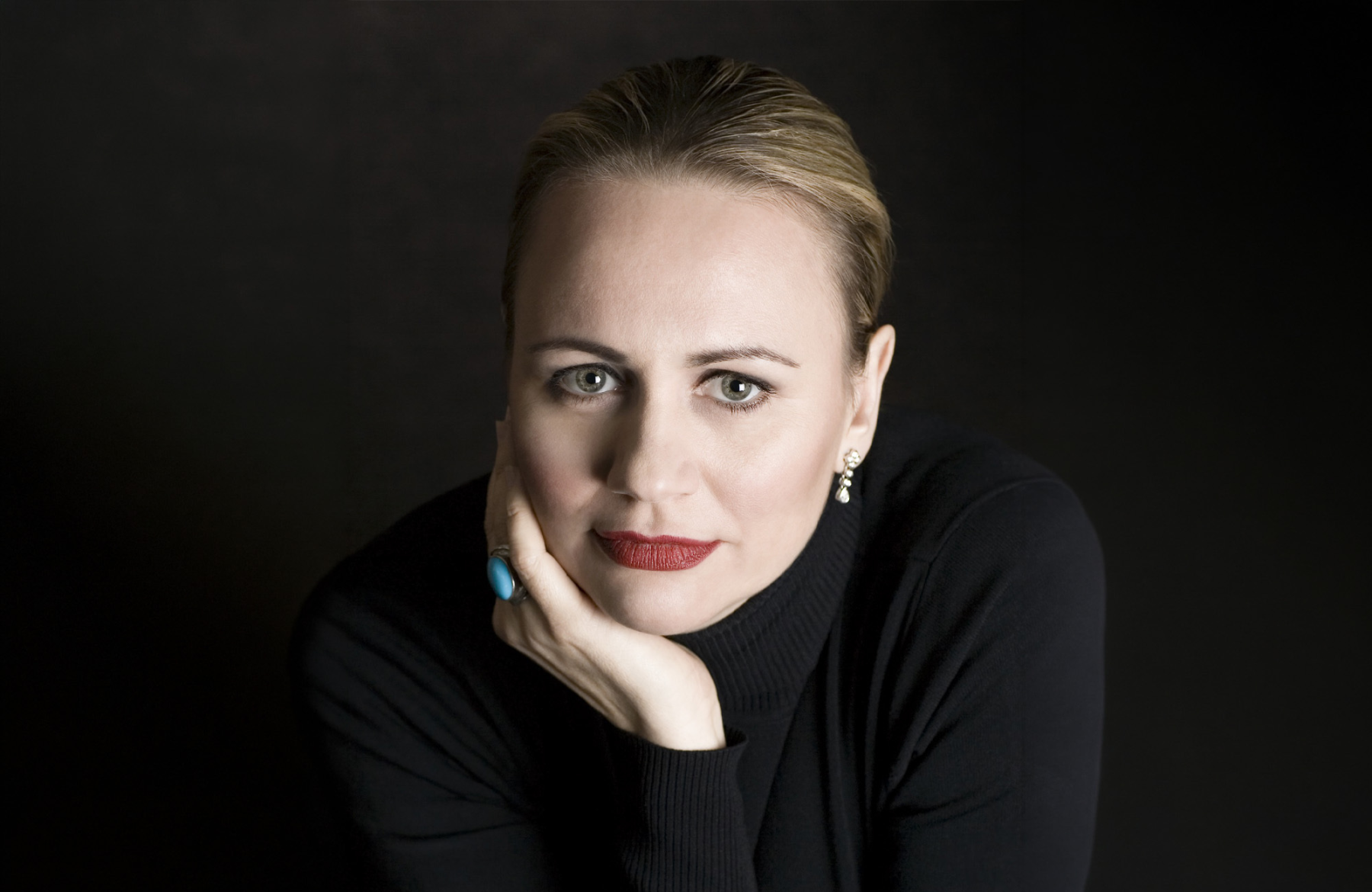
© Sasha Vasiljev
Wolfgang Koch
Wolfgang Koch is one of today’s most important dramatic baritones. In the 2025/26 season, he appeared as Falstaff at the Hamburg State Opera, and took the role of the Wanderer in concert performances of Siegfried in Sydney under the baton of Simone Young. In Berlin and Baden-Baden he was heard as Telramund in Lohengrin, and in Munich he performed the role of Jochanaan in Salome. He is a regular guest at the Bayreuth Festival and the Budapest Wagner Days. He has appeared at the opera houses of Vienna, Munich, London and Paris, as well as at the Metropolitan Opera, working with conductors such as Kirill Petrenko, Daniel Barenboim and Christian Thielemann. His most important roles include Wotan/Wanderer, Hans Sachs, Amfortas, the Dutchman, Kurwenal, Barak (Die Frau ohne Schatten), Scarpia and Mandryka.
Tomasz Konieczny
Tomasz Konieczny regularly appears at the most important international stages: at the Met, La Scala, the Bavarian State Opera, the Opera Bastille and the Semperoper, as well as at the Bayreuth and Salzburg Festivals. His repertoire includes Wotan/Wanderer, Holländer, Telramund, Scarpia, Mandryka, Jochanaan, Pizarro and many more. The Polish bass-baritone is also in demand as a concert singer and recitalist. He works with renowned conductors such as Christian Thielemann, Ádám Fischer, Marek Janowski, Andrew Davis, Gianandrea Noseda and Franz Welser-Möst.
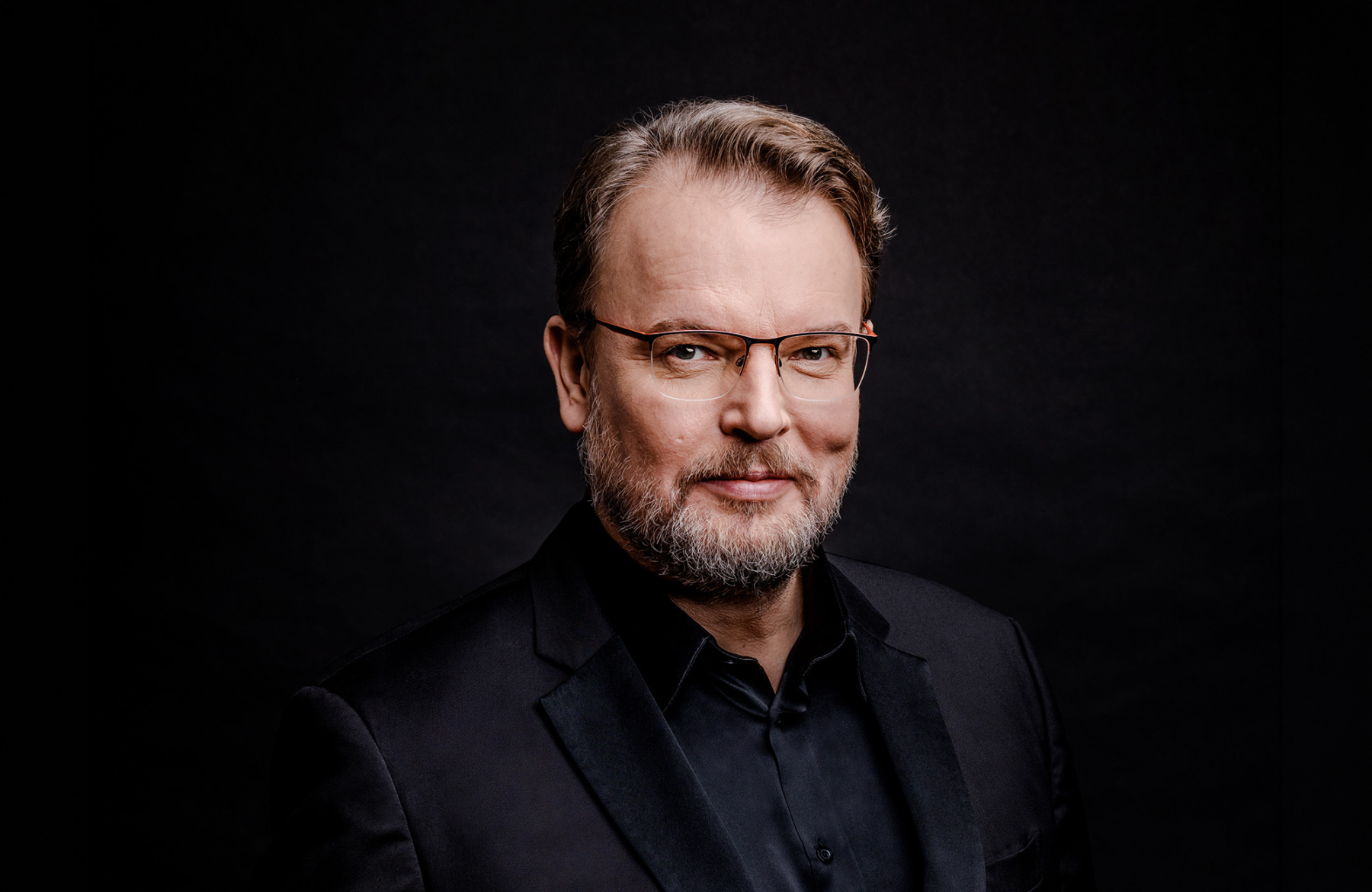
János Kovács
Conductor János Kovács’s artistic work has been recognised with the Liszt Prize, the Artist of Merit distinction, the Kossuth Prize, the Prima Primissima Award, the Middle Cross of the Hungarian Order of Merit and the Artisjus Award. He regularly conducts all the major Hungarian orchestras and was named an Eternal Member of the Hungarian State Opera. With a repertoire embracing contemporary pieces as well as Classical and Romantic operas, he has conducted the world premieres of several Hungarian works. He has also released numerous CD recordings and has worked with such outstanding Hungarian artists as Ildikó Komlósi, Éva Marton, Andrea Rost, László Polgár, Zoltán Kocsis, Dezső Ránki and János Starker. Since 2014, he has served as the permanent conductor of the Hungarian Radio Symphony Orchestra.
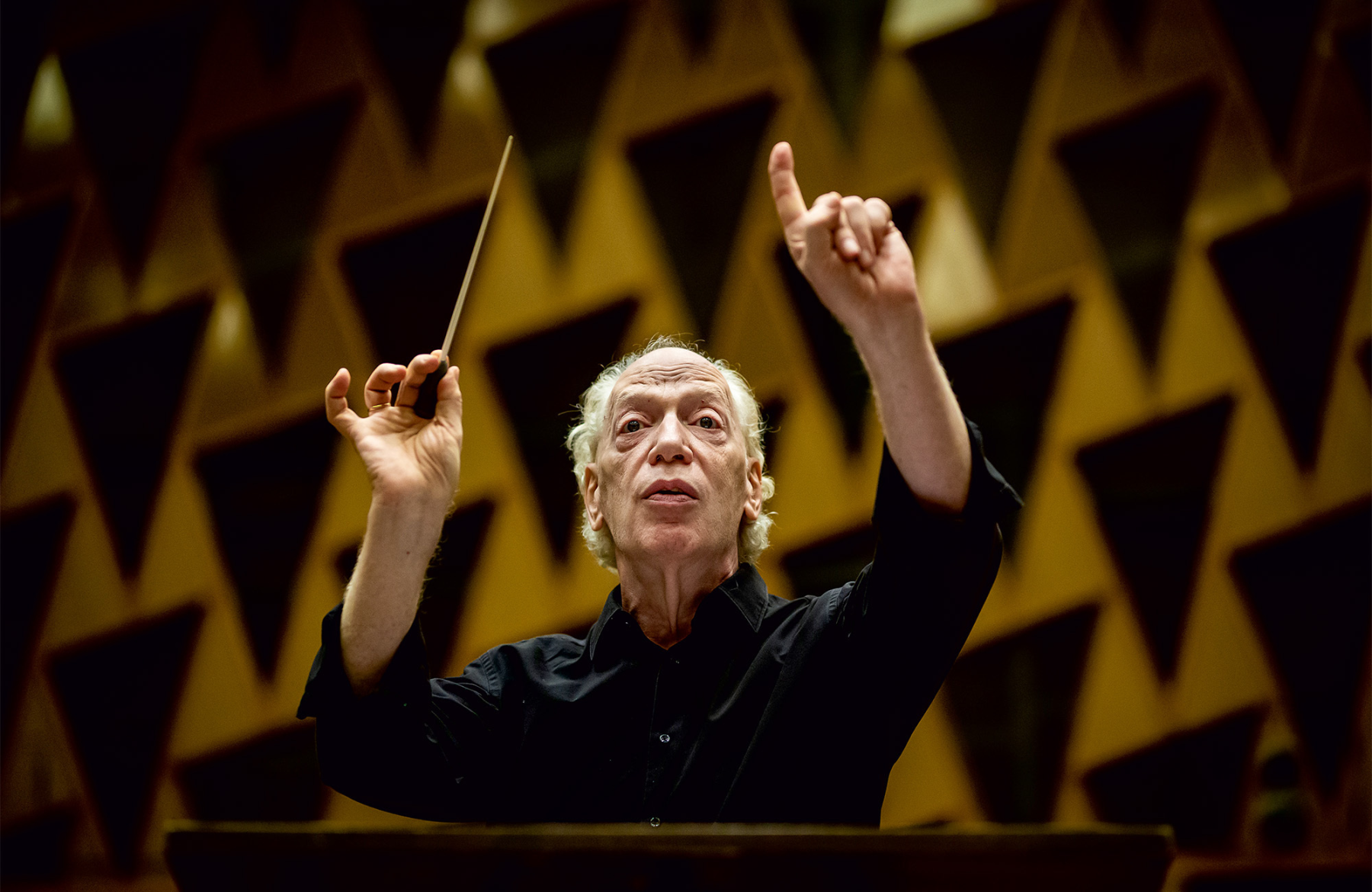
© Attila Vörös
Daniela Köhler
Daniela Köhler has been rising to the forefront of her voice type with impressive consistency. Ever since her acclaimed debut as Sieglinde at Oper Leipzig in 2018, she has quickly established herself in the Wagner and Strauss repertoire. Her most important roles include Elisabeth, Senta, Gutrune, Brünnhilde, Isolde, Chrysothemis and Ariadne, as well as Norma and Leonore. She has performed at the Bayreuth Festival, the Deutsche Oper Berlin, the Zurich Opera, the Bavarian State Opera, in Amsterdam, Madrid and Tokyo. She earned great acclaim in Bayreuth for her portrayal of Brünnhilde in Siegfried in 2022 and 2023, as well as for her 2025 turns in Berlin and Amsterdam as the Empress in Die Frau ohne Schatten. Critics have lauded her vocal power and lyrical depth, along with her expressive stage presence.
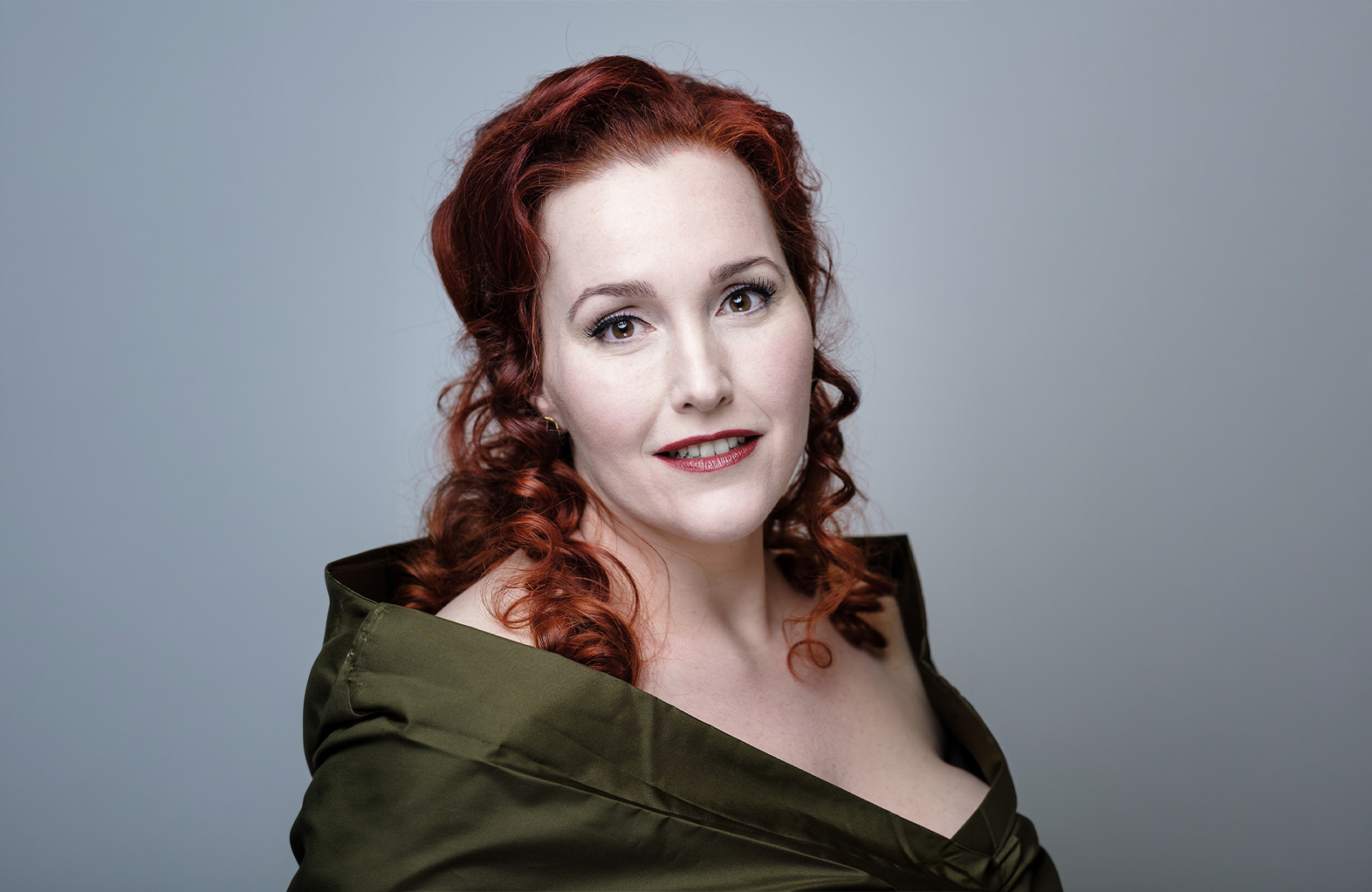
© Admill Kuyler
Zoltán Megyesi
Zoltán Megyesi was born in Szeged in 1975 and studied voice in his native city before going on to Budapest’s Liszt Academy. He earned a doctorate in mathematics alongside his musical studies. His repertoire ranges from Monteverdi and oratorios by Bach and Handel to leading Mozartian roles and the operas of Puccini and Wagner. Outside of Hungary, he has performed in many European countries, as well as in the United States, Japan and South Korea. He has appeared at the Cologne Philharmonic Concert Hall, the Concertgebouw in Bruges, the Konzerthaus in Vienna, the Danish Radio Auditorium, the Théâtre des Champs-Élysées in Paris and New York’s Lincoln Center under the batons of Ádám Fischer, Iván Fischer, Zoltán Kocsis, György Vashegyi, Helmuth Rilling and Nicholas McGegan, among others.
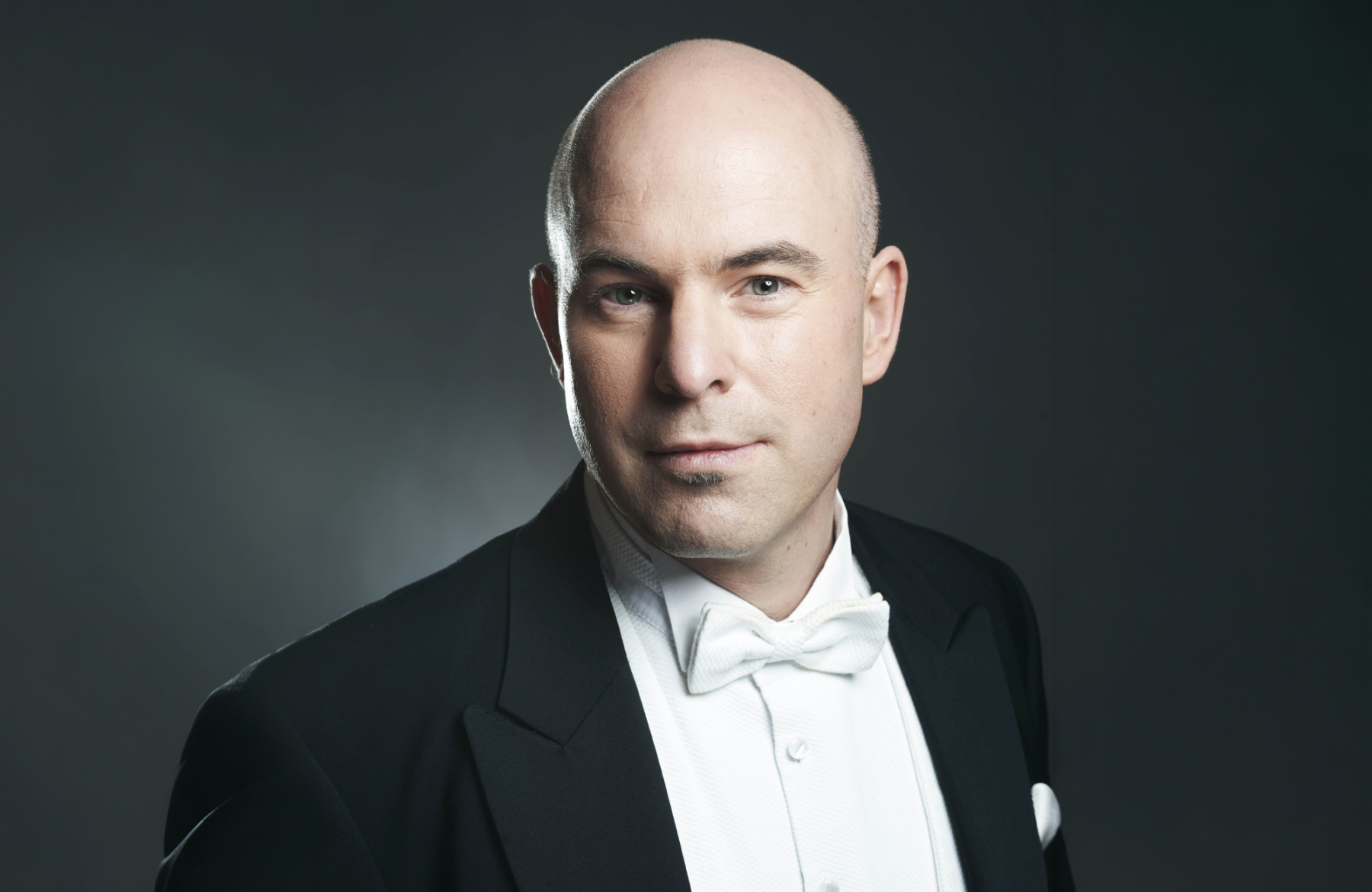
© Attila Vörös
Ildikó Megyimórecz
Born into a musical family in Pécs, Ildikó Megyimórecz attended her native city’s Secondary School of Arts before studying classical voice under Éva Marton at Budapest’s Liszt Academy, graduating with honours. While still an academy student, she made her Hungarian State Opera debut as the female lead in Jenő Kenessey’s opera The Gold and the Woman. She also won a special prize at the Third International Éva Marton Singing Competition, a scholarship from the Bayreuth Wagner Society and, in 2019, the Junior Prima Award. She regularly takes part in cultural events throughout Hungary and is a soloist with the Hungarian State Opera. Her principal roles include Violetta (La traviata), Marguerite (Faust) and Fiordiligi (Così fan tutte). In 2024, she partnered with Plácido Domingo on stage in Singapore.
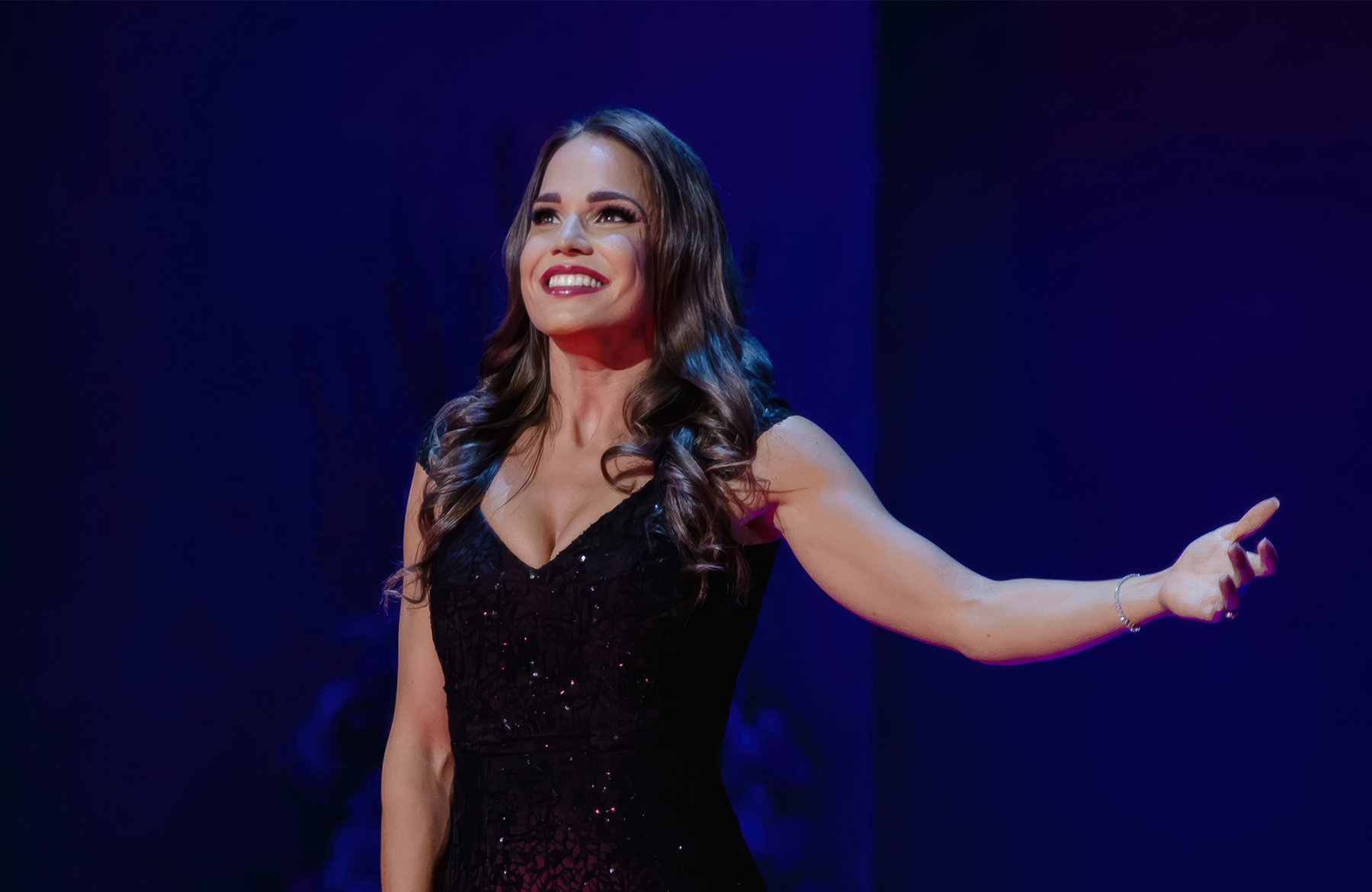
© Attila Nagy
Ninh Duc Hoang Long
Ninh Duc Hoang Long is a Hungarian opera singer of Vietnamese descent. He earned his master’s degree at the Liszt Academy as a pupil of Attila Kiss-B. In 2016 and 2018, he won first prize at the József Simándy International Singing Competition, he was the overall winner of the Virtuózok classical music talent show in 2018, and he also won the International Ferenc Lehár Operetta Singing Competition in 2019. He is a soloist at the Hungarian State Opera and a regular guest artist at the Budapest Operetta Theatre, as well as at all major musical theatres in Hungary. His international career has taken him to cities including Berlin, London, Dubai, Tokyo, Astana, Ankara and Hanoi, sharing the stage with world-renowned artists such as Plácido Domingo and Sumi Jo.
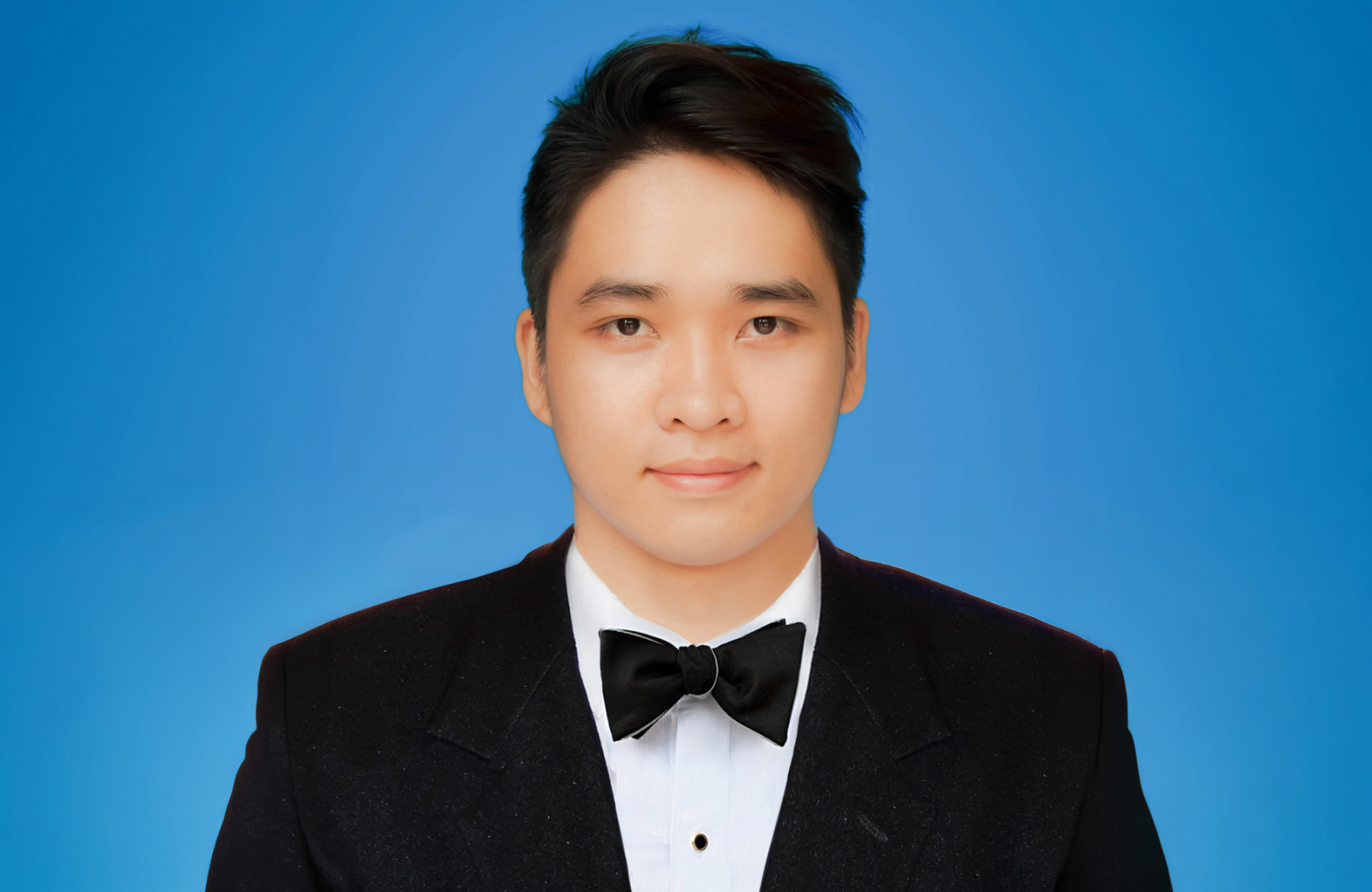
© Tubass
Camilla Nylund
Camilla Nylund is an internationally acclaimed Finnish soprano and former ensemble member in Hanover and at the Semperoper Dresden. She appears at leading opera houses and festivals worldwide, with a repertoire spanning from Wagner and Richard Strauss to Italian roles such as Tosca and Turandot, and major dramatic parts including Isolde and Brünnhilde. She also performs regularly in concert and recital, and has collaborated with leading conductors such as Christian Thielemann, Simone Young, Philippe Jordan, among others. Since November 2022, she has been the recipient of the Lotte Lehmann Memorial Ring, one of the most prestigious honors bestowed upon opera singers worldwide. She holds the honorary titles of Austrian Kammersängerin and Saxon Kammersängerin.
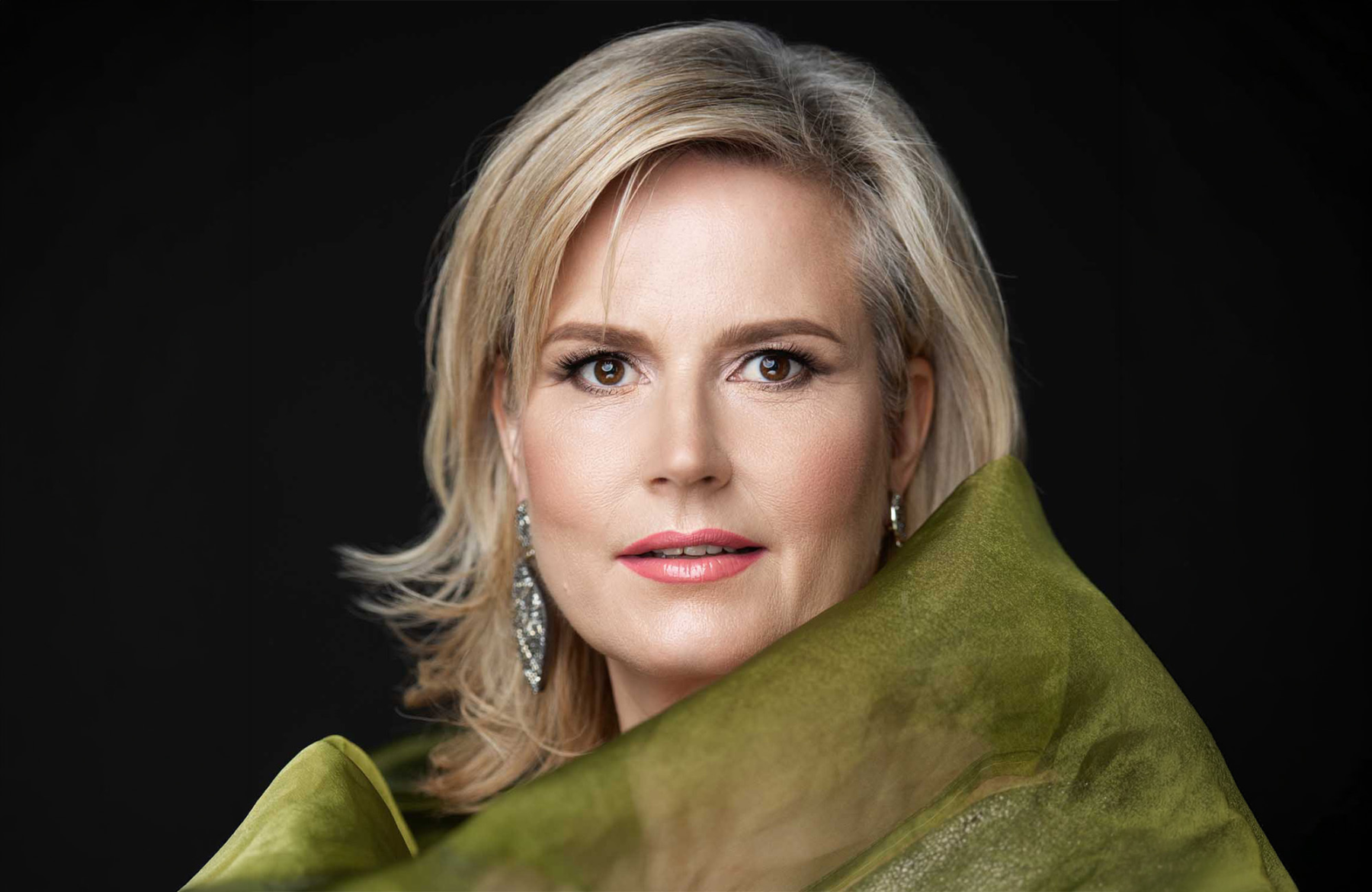
© Shirley Suarez
Balázs Papp
Balázs Papp graduated from the Liszt Academy in 2024, where he studied under Péter Fried. While still a student, he made his debut at the Hungarian State Opera, where he has since appeared regularly; most recently, he performed the role of Pedrillo in Mozart’s Die Entführung aus dem Serail. He has also taken part in several world premieres, including Péter Eötvös’s Valuska and Péter Tóth’s fairy-tale opera Beauty and the Beast. In 2021, as a special prize winner of the József Simándy International Singing Competition, he made his debut at Müpa Budapest in Donizetti’s Lucrezia Borgia under the baton of Andriy Yurkevych. At the Budapest Operetta Theatre, he performs leading male roles in The Gypsy Baron, The Csárdás Princess and The Circus Princess. He also sang the title role in a concert performance of Pongrác Kacsóh’s musical play Rákóczi.
Albert Pesendorfer
Albert Pesendorfer is in high demand both nationally and internationally. With an operatic repertoire comprising some 70 roles, the Austrian bass includes many Wagnerian heroes (Gurnemanz, King Marke, Daland, Landgrave Hermann and Henry the Fouwler) among his acclaimed portrayals. His performance as Hagen prompted professional journal Opernwelt to name him its “Singer of the year”. In addition to the great Wagnerian roles, he also sings roles such as Sarastro, Osmin, Rocco, Ochs auf Lerchenau, Orest and Boris Godunov, as well as the Verdian bass roles of Sparafucile, Banco and the Grand Inquisiteur.
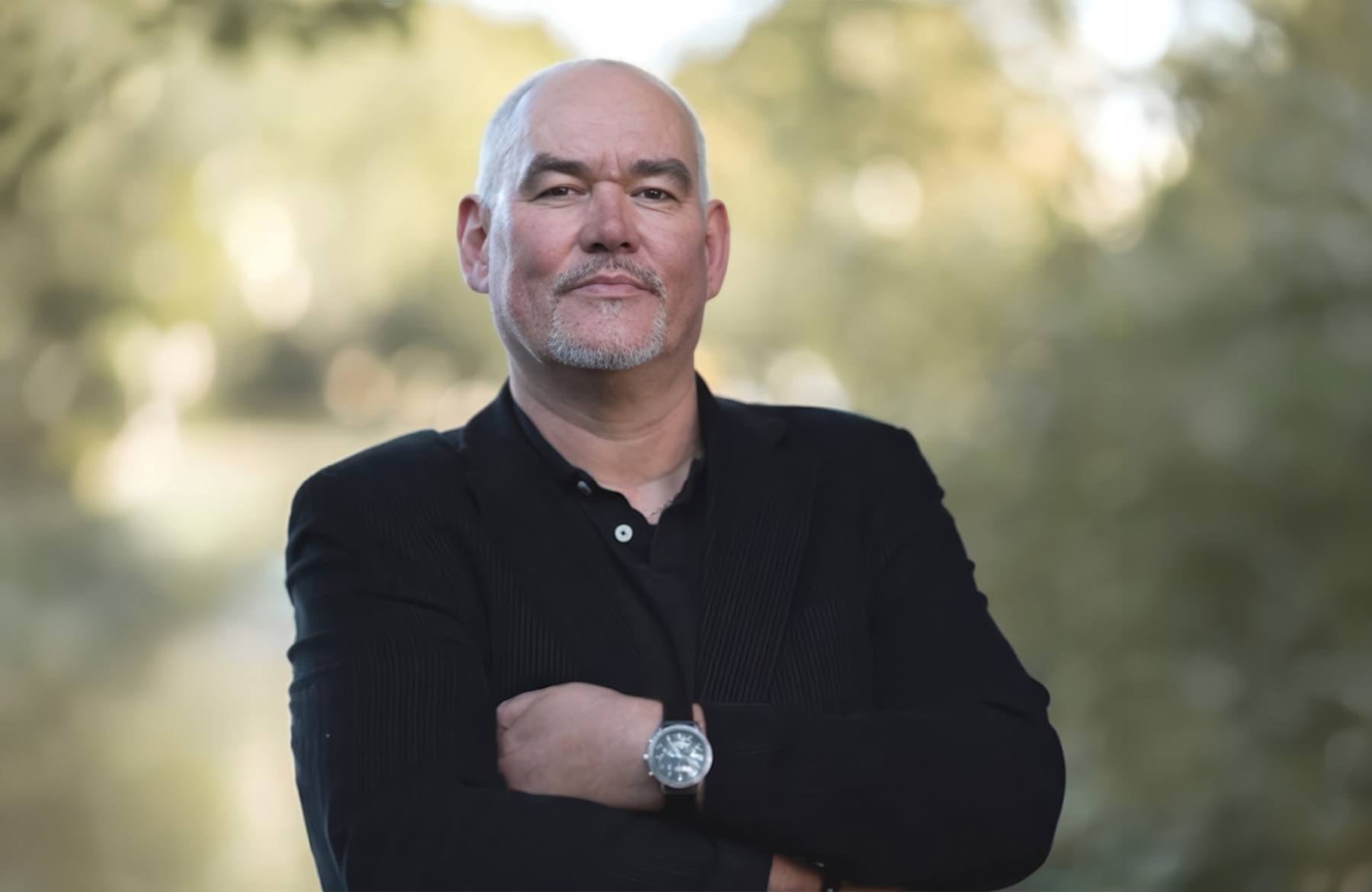
© Johanna Pesendorfer
Etelka Polgár
Etelka Polgár is a director, revival director and singer. She holds a degree in American studies and, after pursuing cantorial and voice studies, is currently completing her education in stage direction at the University of Music and Performing Arts Vienna. She has served as a revival director at Müpa Budapest since 2018. Under the guidance of Ádám Fischer, she oversees the revivals of Hartmut Schörghofer’s Ring production. She has staged Menotti’s comic opera The Old Maid and the Thief at Vienna’s Neue Studiobühne, Donizetti’s Don Pasquale at the Schönbrunn Court Theatre, and, in May 2026, directed Bartók’s Bluebeard’s Castle and six scenes from Janáček’s The Cunning Little Vixen at the Graz University of the Arts.
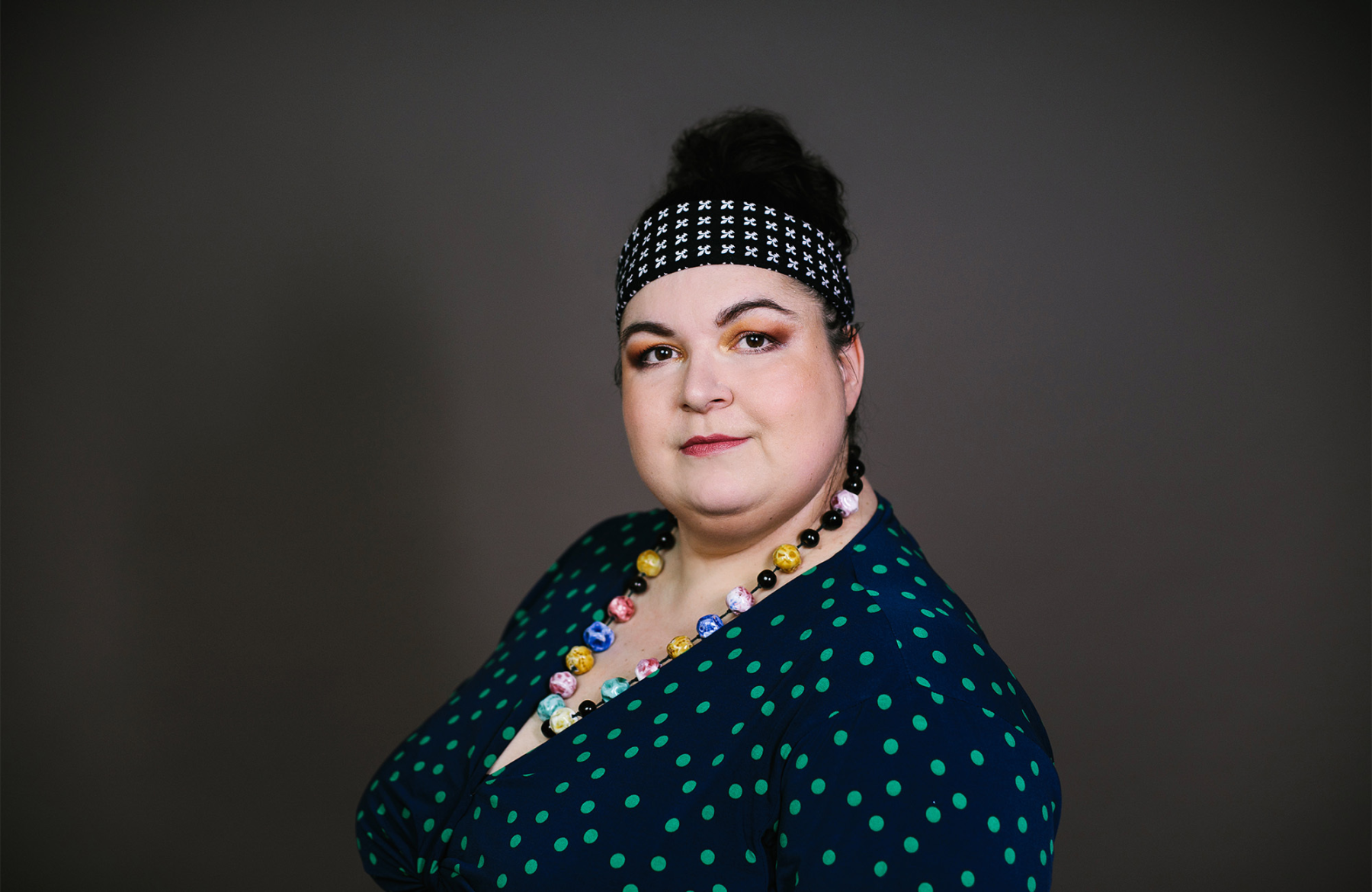
Birger Radde
International engagements have recently taken Birger Radde to the Vienna State Opera, the Maggio Musicale Fiorentino, Zürich Opera, Royal Opera Stockholm, Liège, Nice, Monte-Carlo, Bologna, Bari, Salzburg, Brno and the Bayreuth Festival, with roles such as Wolfram, Kurwenal, Donner, Gunther, Melot, Wozzeck, Don Giovanni, Jochanaan and Faninal. He has captivated audiences at the Budapest Wagner Days as Gunther in 2024 and as Wolfram in 2025. Most recently, he made his debut as the Holländer in Chemnitz, gave song recitals in Bayreuth and Barcelona, and sang Mahler’s Eighth with the Tokyo Metropolitan Symphony Orchestra and the Bremen Philharmonic. Next engagements include Grigorius in Greek Passion at the Semperoper Dresden, Kurwenal in Nice and Dublin, Olivier in Capriccio in Liège.
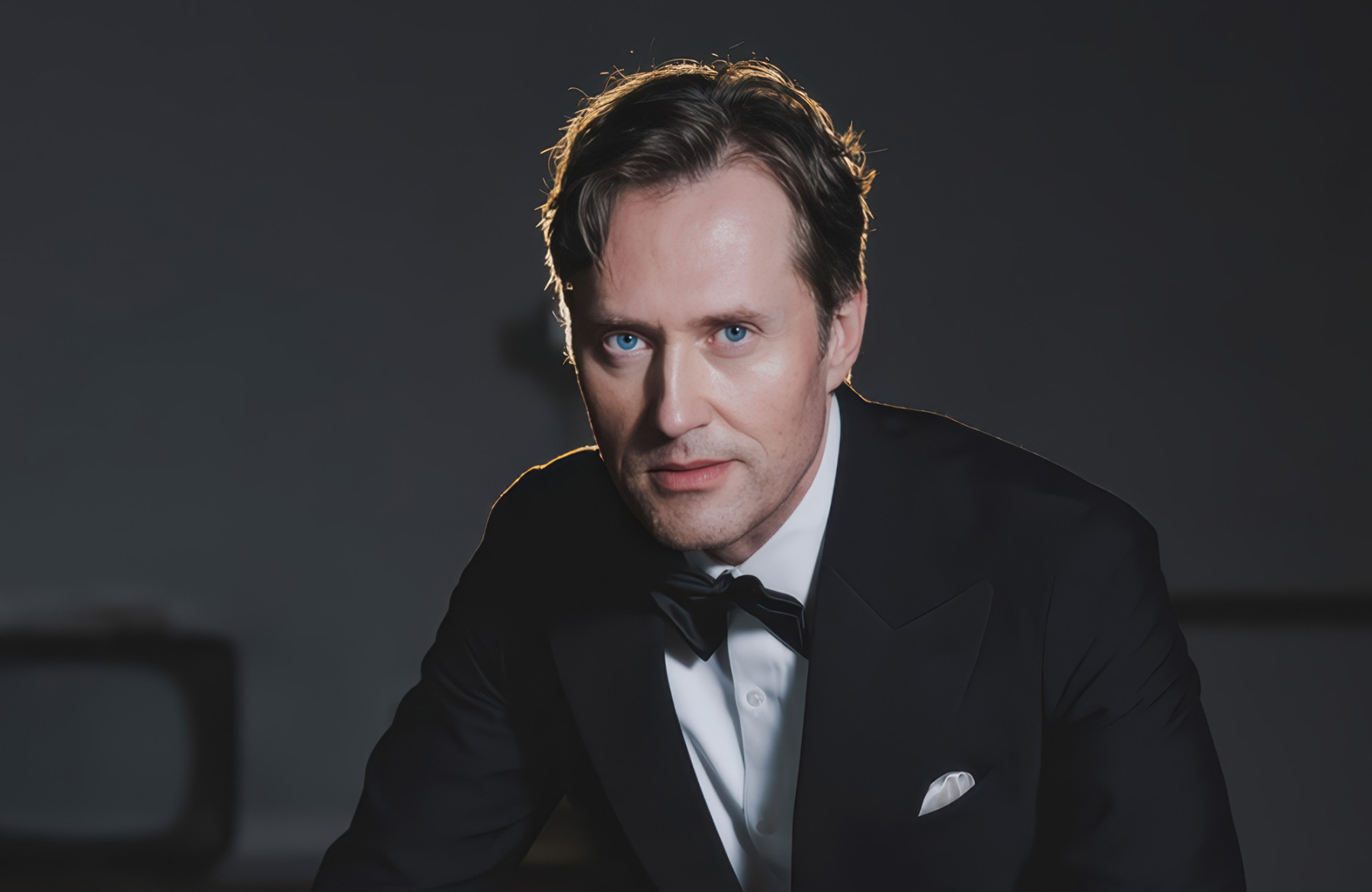
© Michele Monasta
Martin Rajna
Martin Rajna is an outstanding representative of the young generation of Hungarian conductors. Since 2023, he has served as first conductor of the Hungarian State Opera House, and he has been appointed as the next music director of the Luxembourg Philharmonic from autumn 2026. Between 2021 and 2025, he was the chief conductor of the Győr Philharmonic Orchestra. He already has several significant international debuts to his name, including at the helm of the London Philharmonic, the orchestra of Venice’s Teatro La Fenice and Maggio Musicale Fiorentino. In 2025, he conducted Bluebeard’s Castle at the Tyrolean Festival, which is headed by Jonas Kaufmann as artistic director, as well as Poulenc’s opera La Voix humaine in a production directed by Claus Guth. He joined the Budapest Wagner Days as a répétiteur in 2023, and now he is co-artistic director of the event series. In 2018, he received the Junior Prima Award.
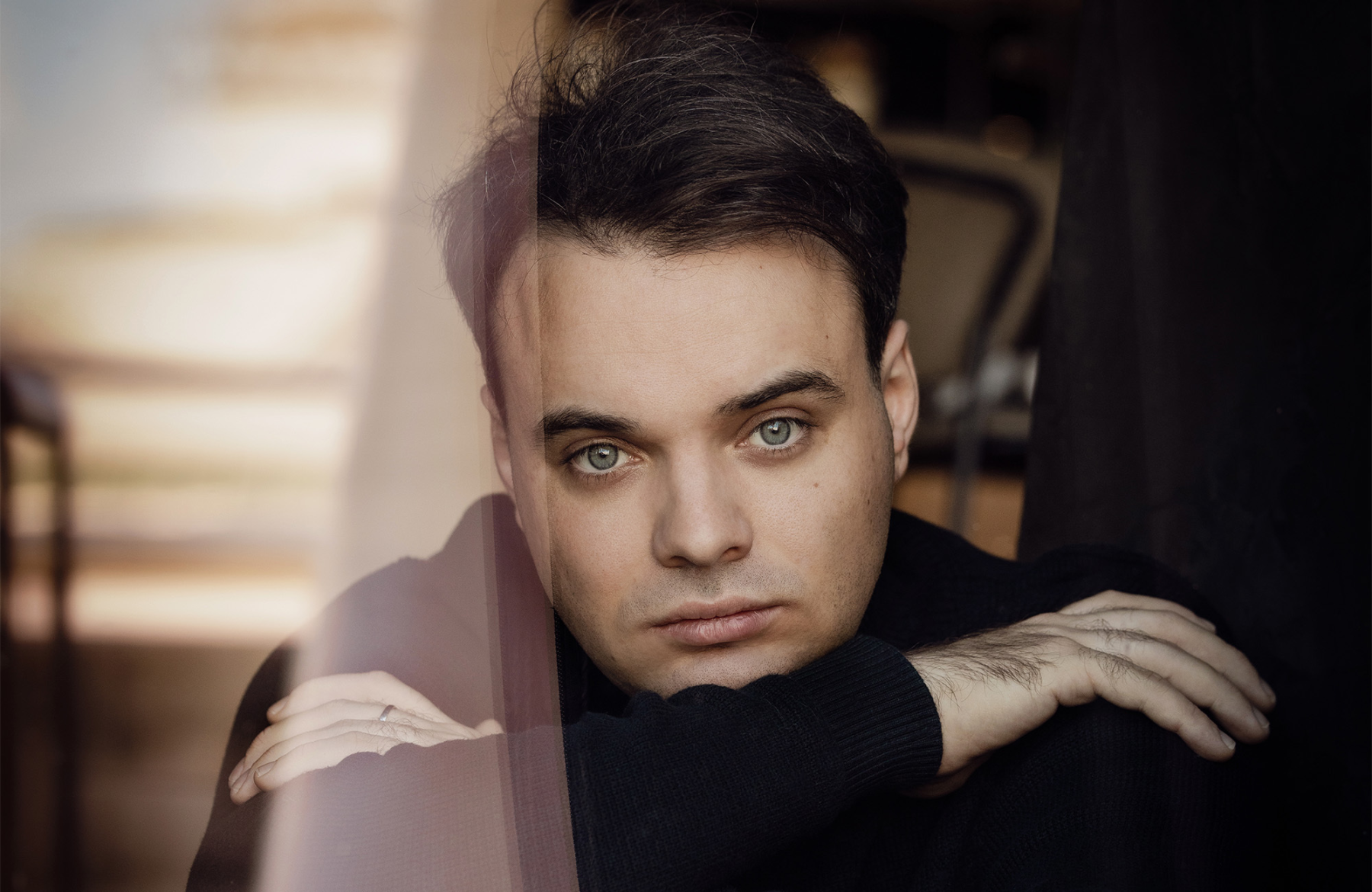
© Szilvia Csibi, Müpa
Bryan Register
American tenor Bryan Register has garnered critical acclaim for his expressive vocal artistry in roles including Tristan, Siegfried, Parsifal, Erik and Énée. He has performed in prestigious theatres around the world including Bavarian State Opera, Semperoper Dresden, Festspielhaus Baden-Baden and La Monnaie. In 2025/26 he returns to the roles of Siegmund (Die Walküre) at the Budapest Wagner Days and Tristan in the productions of Korean National Opera in Seoul and Gran Teatre del Liceu in Barcelona. At Mannheim National Theatre, he gave his staged debut as Parsifal and at Opera HNK Zagreb his role debut as Tannhäuser. He has also appeared in Copenhagen, Essen, Prague, Madrid, Bologna, London, Savonlinna, Hong Kong, Tokyo, Taipei and Singapore.
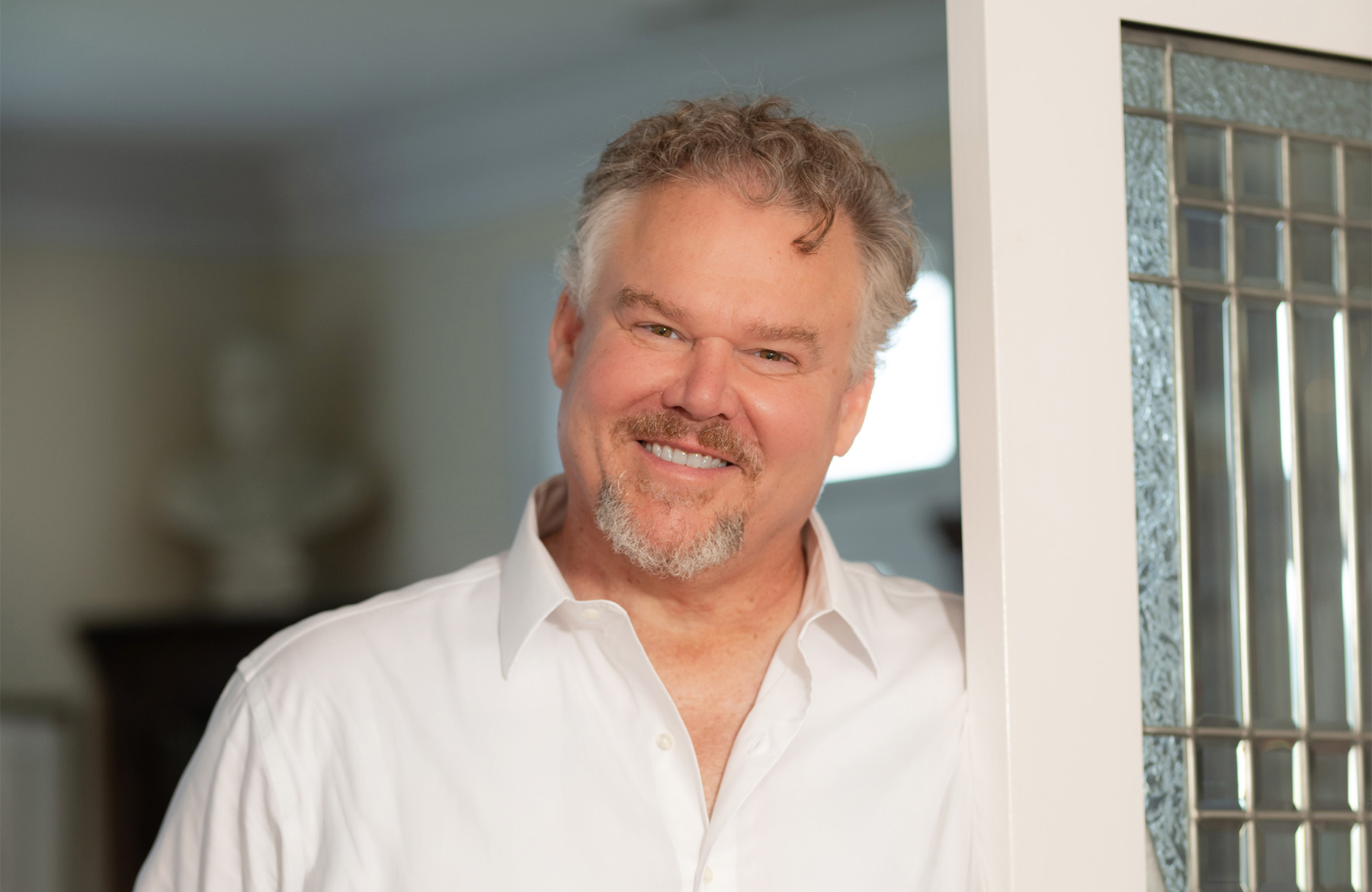
© Michele Coleman
Richárd Riederauer
Richárd Riederauer is a conductor and composer who is also choirmaster of the Hungarian National Male Choir. He has composed original music for numerous productions by the Pécs Ballet, including Vasarely Etudes, performed at Müpa Budapest as part of the Bartók Spring, and The Three Musketeers at the Pécs National Theatre. His work spans music for theatre and short films, songs used in feature films, and choral transcriptions, while he has also served as the musical director and conductor for numerous music theatre productions. In recent years, his symphonic arrangements have been performed by such prestigious ensembles as the Hungarian Radio Symphony Orchestra and the Budafok Dohnanyi Orchestra.
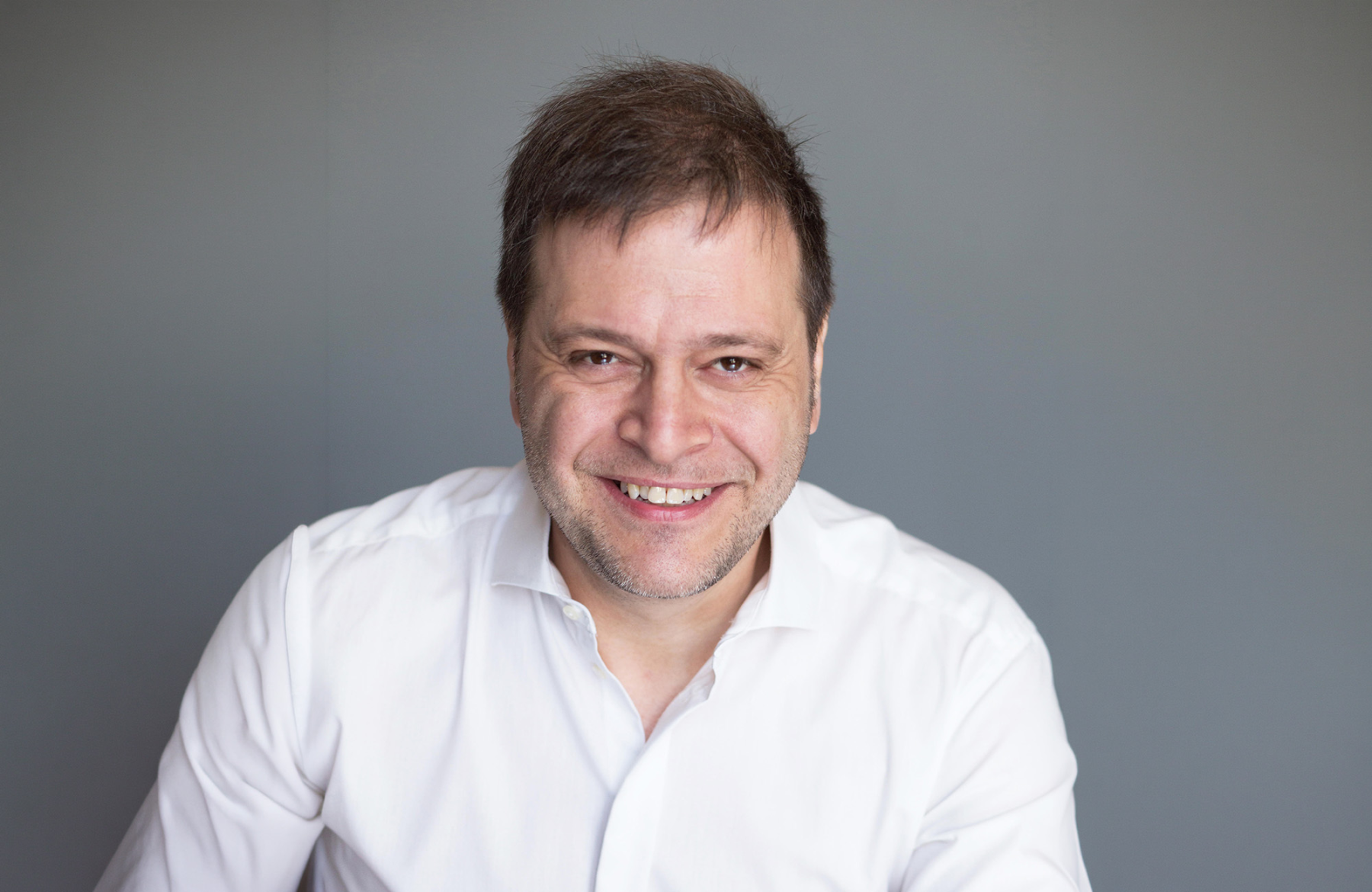
Kurt Rydl
Kurt Rydl is one of the leading bass singers of our time. A member of the Vienna State Opera since 1976, he was awarded the title of Kammersänger and named an Honorary Member of the company. He has appeared in approximately 1,150 performances in Vienna alone, singing the entire Wagner bass repertoire alongside major roles by Verdi and Richard Strauss. A regular guest at the Salzburg Festival, Bayreuth, Verona, Edinburgh and Bregenz, he has sung more than 120 roles in over 3,500 performances worldwide. His signature roles include Sarastro, Ochs, Hagen, Gurnemanz, Osmin, Rocco, Boris, Attila and Mephisto. He has also taken part in opening premieres at La Scala and made numerous acclaimed recordings with conductors such as Herbert von Karajan, James Levine, Riccardo Muti and Zubin Mehta.
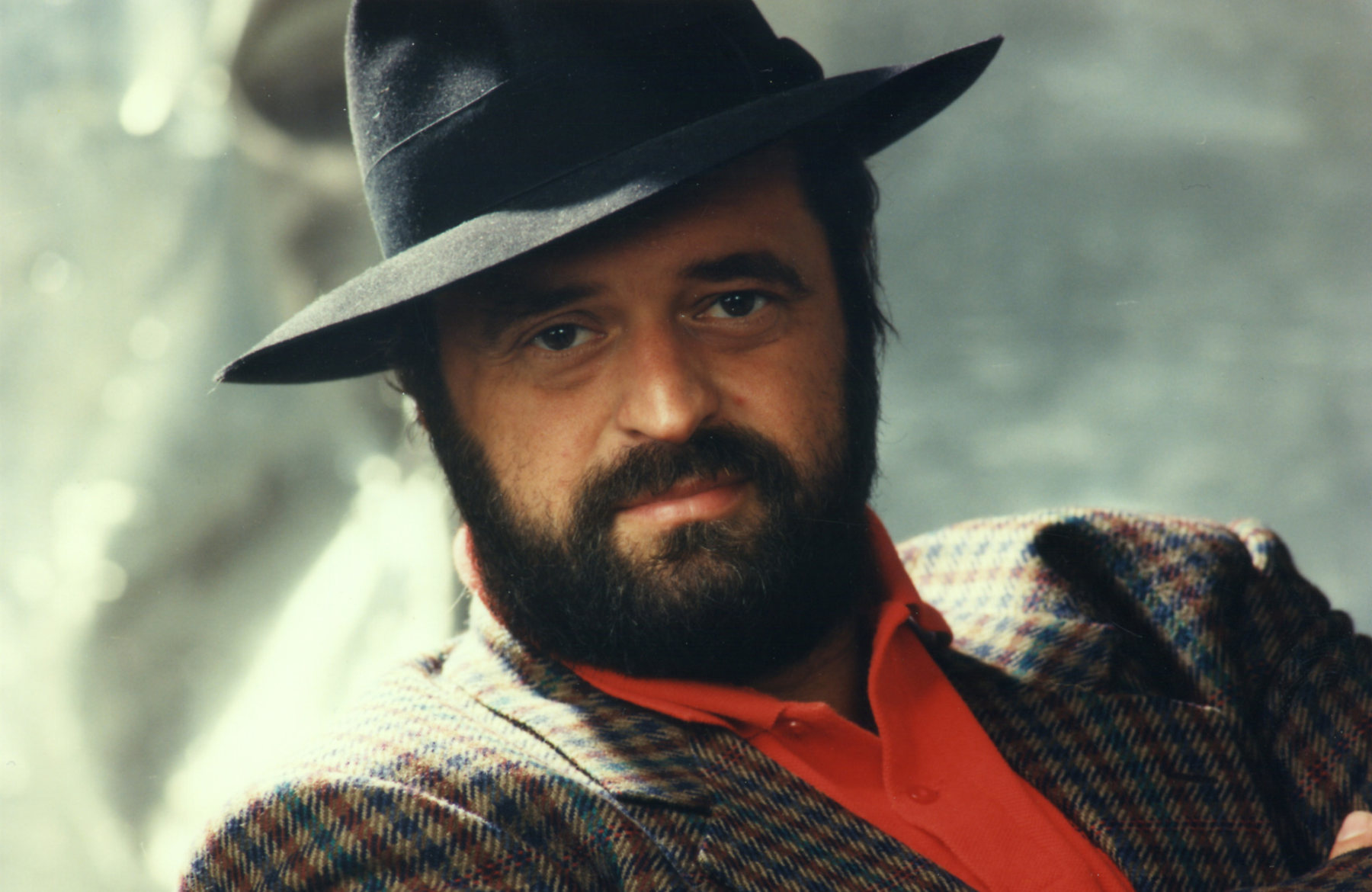
© Wenzel Jelinek
Jürgen Sacher
In addition to his roles at his main opera house, the Hamburg State Opera, which include Loge and Mime in the Ring, Tichon in Kát’a Kabanova, Dr Caius in Falstaff, Aegisth in Elektra, Herodes in Salome and the Captain in Wozzeck, Jürgen Sacher has in recent years been a regular guest at the Berlin State Opera, as Dr Caius under Zubin Mehta, the Witch in Hänsel und Gretel and Monostatos in The Magic Flute, at the Hungarian State Opera as Mime in Siegfried, at the Semperoper Dresden as Mime under Christian Thielemann, in São Paulo under John Neschling as Herodes and Aegisth, at the Theater an der Wien as the Dancing Master in Ariadne auf Naxos staged by Harry Kupfer and conducted by Bertrand de Billy, and at the Bavarian State Opera as Goro in Madama Butterfly.
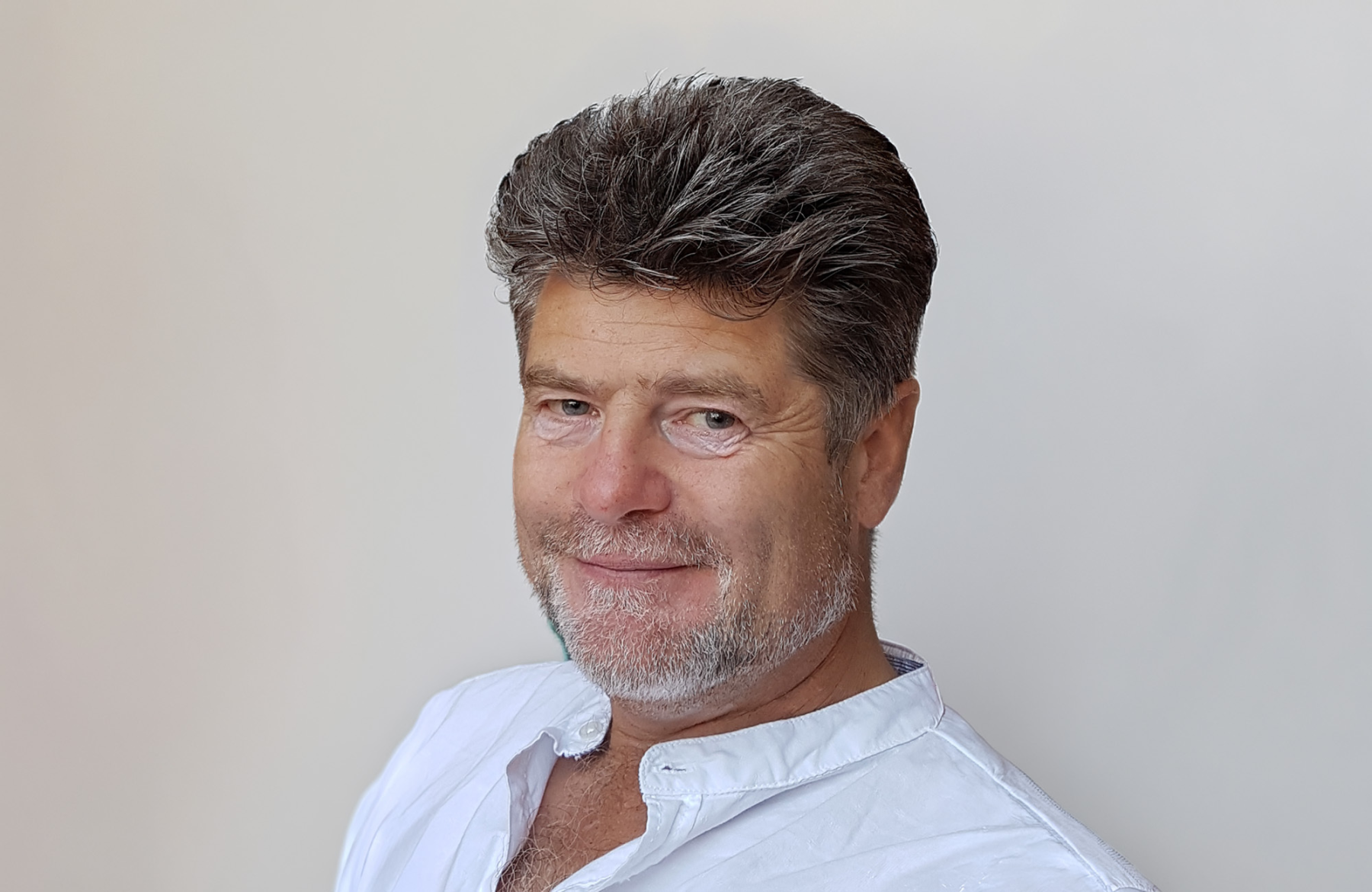
Orsolya Sáfár
Orsolya Sáfár is an Artisjus Award-winning soprano and a recipient of the Hungarian Silver and Gold Cross of Merit, contracted regularly as a soloist with the Hungarian State Opera. She earned her degree in voice and voice pedagogy from Budapest’s Liszt Academy in 2004. With awards from international singing competitions under her belt, she is a recognised part of Hungary’s classical music scene, as both a concert and art song singer. A scholarship from the Hungarian Richard Wagner Society took her even to Bayreuth. Her principal roles include Violetta, Desdemona, Donna Anna, Pamina, Nedda, Maria Stuarda, Marguerite, Micaëla, Mimì, Liù, Norina and Adina. Her repertoire is enriched by numerous songs, song cycles, and oratorio works. In addition to earning the Juventus Award (2013) and the Oláh Gusztáv Memorial Plaque (2015), she was also named a Chamber Singer of the Hungarian State Opera in 2018.
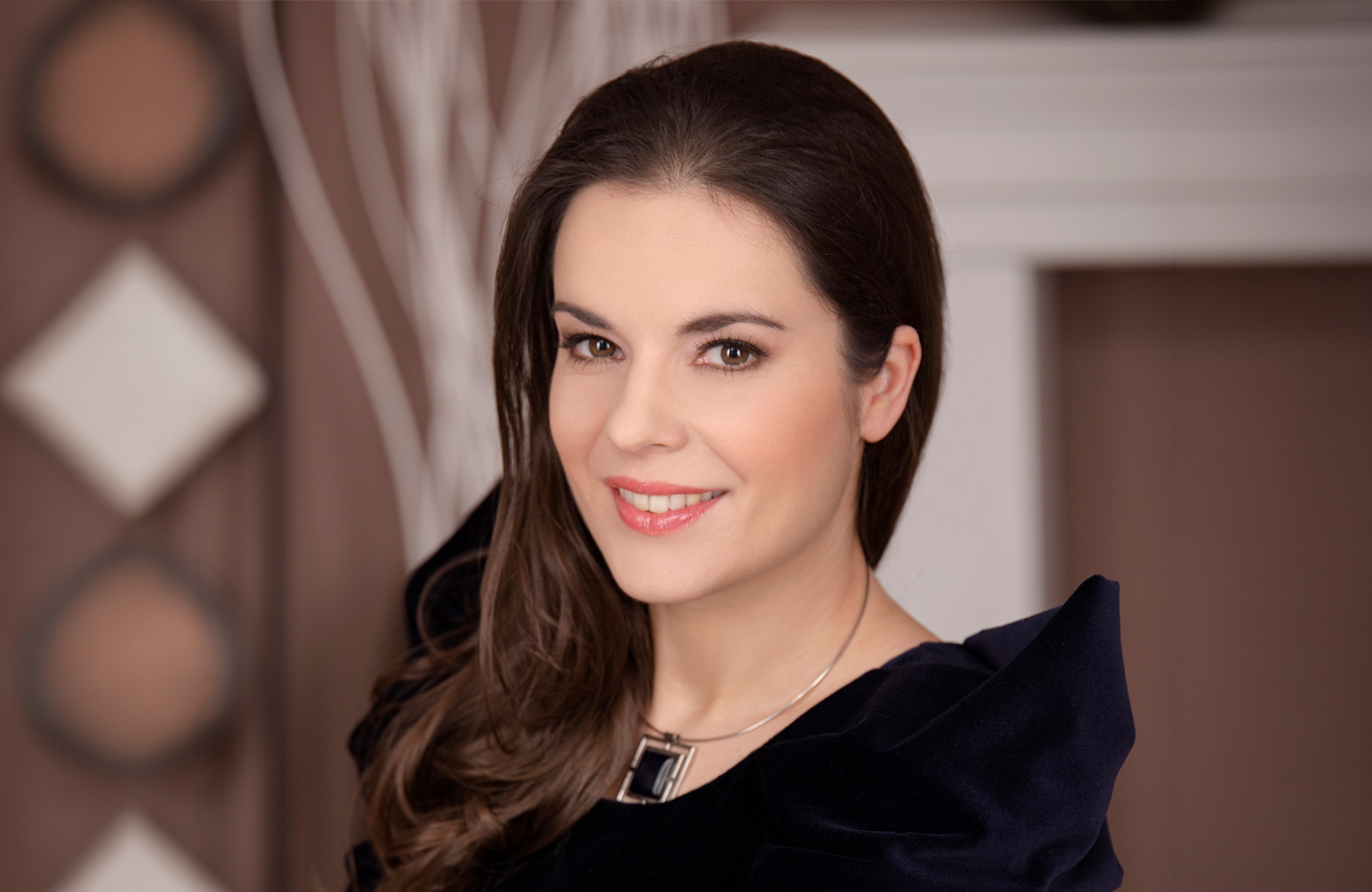
© Artbalance Stúdió
Tobias Schabel
German bass Tobias Schabel has been an ensemble member of the Bonn Opera since 2019, where he has sung Baron Ochs in Der Rosenkavalier, Figaro in Le nozze di Figaro, Philip II in Don Carlo and Méphistophéles in La Damnation de Faust. Recent highlights include Hans Sachs at Bonn Opera and at the Budapest Wagner Days, as well as Baron Ochs at Leipzig Opera. He has appeared at leading venues including the Hanover State Opera, Staatsoper Berlin, the Salzburg Festival and Milan’s La Scala, performing roles such as Sarastro in Die Zauberflöte and Daland in Der fliegende Holländer. His rich concert repertoire includes Elias, Paulus, the Requiems of Mozart and Verdi, the Passions of J. S. Bach and Beethoven’s Ninth Symphony. A graduate of Hamburg University, he is a recipient of the Hamburg Mozart Prize.
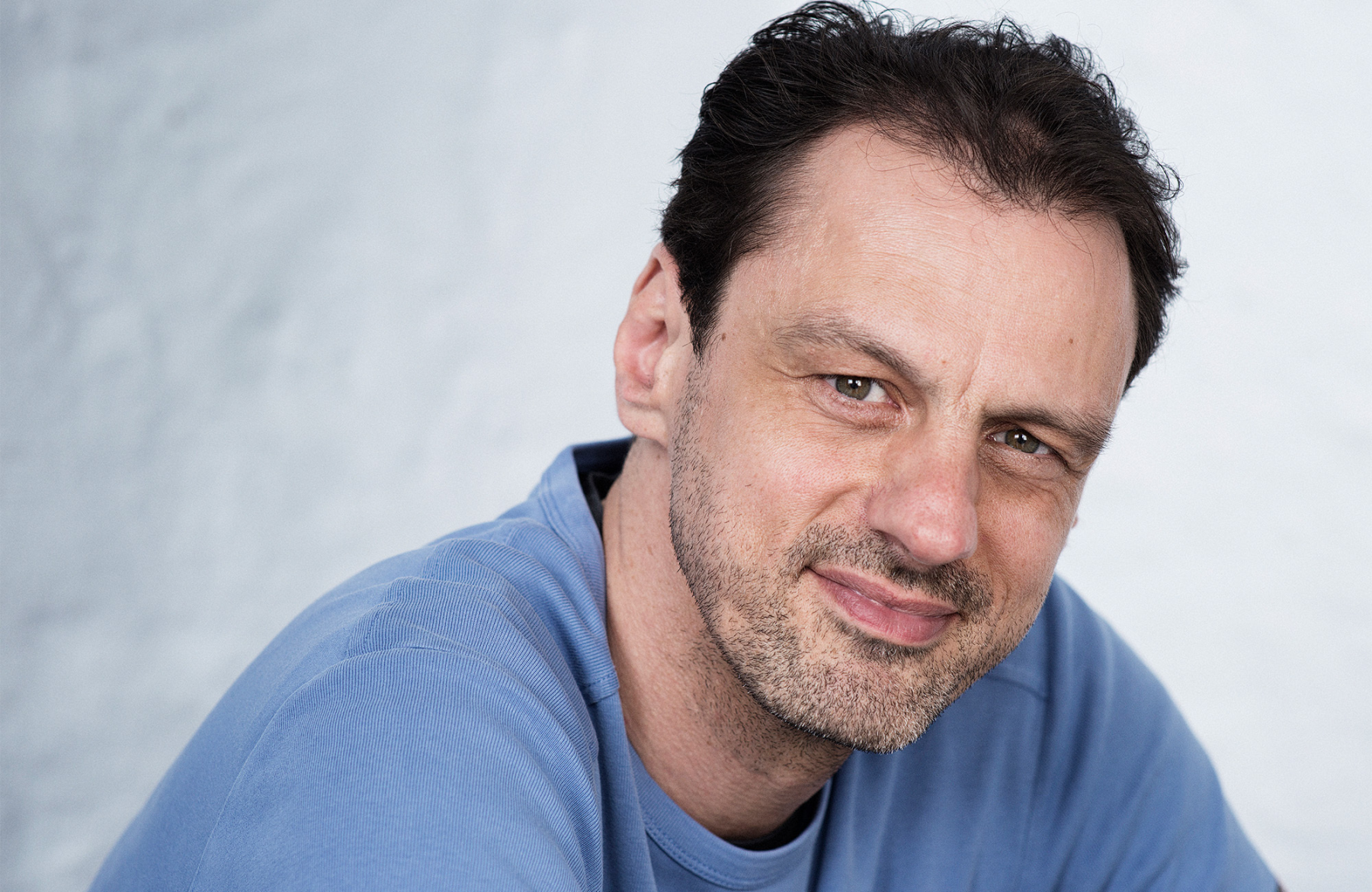
© Thomas Jauk
Jochen Schmeckenbecher
Jochen Schmeckenbecher studied with Kurt Moll at the Musikhochschule Köln. After being a member of the ensembles at the Theater Hagen and the Komische Oper Berlin, the German baritone has been a guest on the leading opera and concert stages like the Staatsoper Berlin, Dresden, Hamburg, Munich, Stuttgart, Vienna, Opéra National de Paris, Metropolitan Opera in New York, La Scala in Milan, Liceu in Barcelona, Teatro Real in Madrid, and Salzburger Festspiele, as well as the opera companies in Düsseldorf, Frankfurt, Leipzig, Zürich, Lyon, Turin, San Francisco, Dallas and Philadelphia. His main roles include Alberich, Amfortas, Klingsor, Kurwenal, Musiklehrer (Ariadne auf Naxos), Faninal (Rosenkavalier), Orest (Elektra), Peter (Hänsel und Gretel), Pizarro (Fidelio), Dr. Schön (Lulu) and Wozzeck.
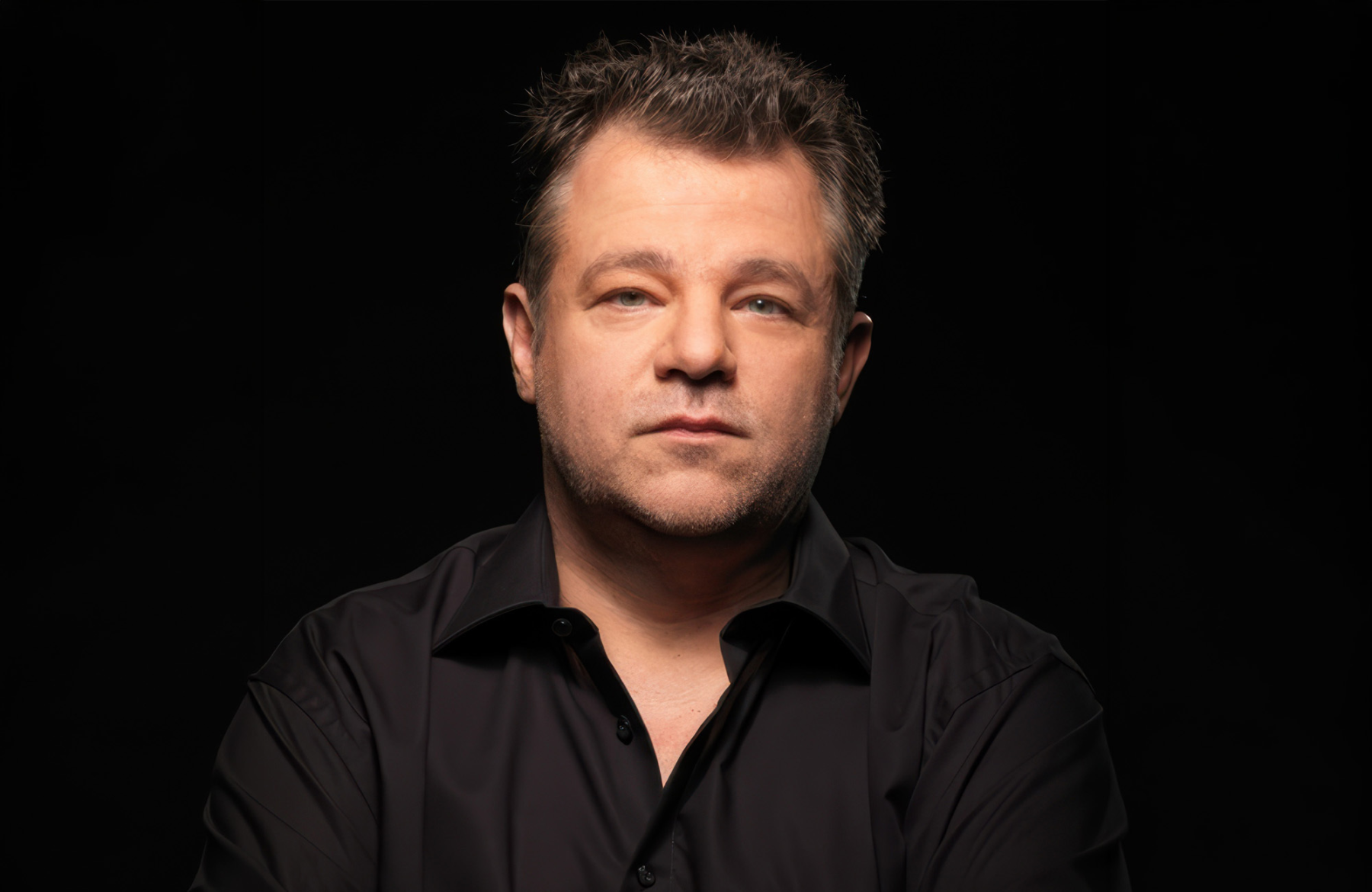
© Lucas Beck
Atala Schöck
Atala Schöck, as one of the most sought-after Hungarian altos/mezzosopranos in both opera and concert performance, participated in the Bayreuth Festival four years in a row, in its production of Parsifal conducted by Pierre Boulez and Ádám Fischer. The Liszt Award-winning opera singer has appeared, among other venues, at Dresden’s Semperoper, at La Monnaie in Brussels, at Theater an der Wien as well as at Opéra Bastille in Paris. She has received great acclaim around the world for her performances of Wagner heroines, as well as Judith in Bartók’s opera Bluebeard’s Castle. Audiences at the Budapest Wagner Days have been able to see her regularly since 2006, first as the Celestial Voice in Parsifal and one of the Flowermaidens, as well as Flosshilde and Rossweisse, and since 2016 in the roles of Brangäne and Fricka.
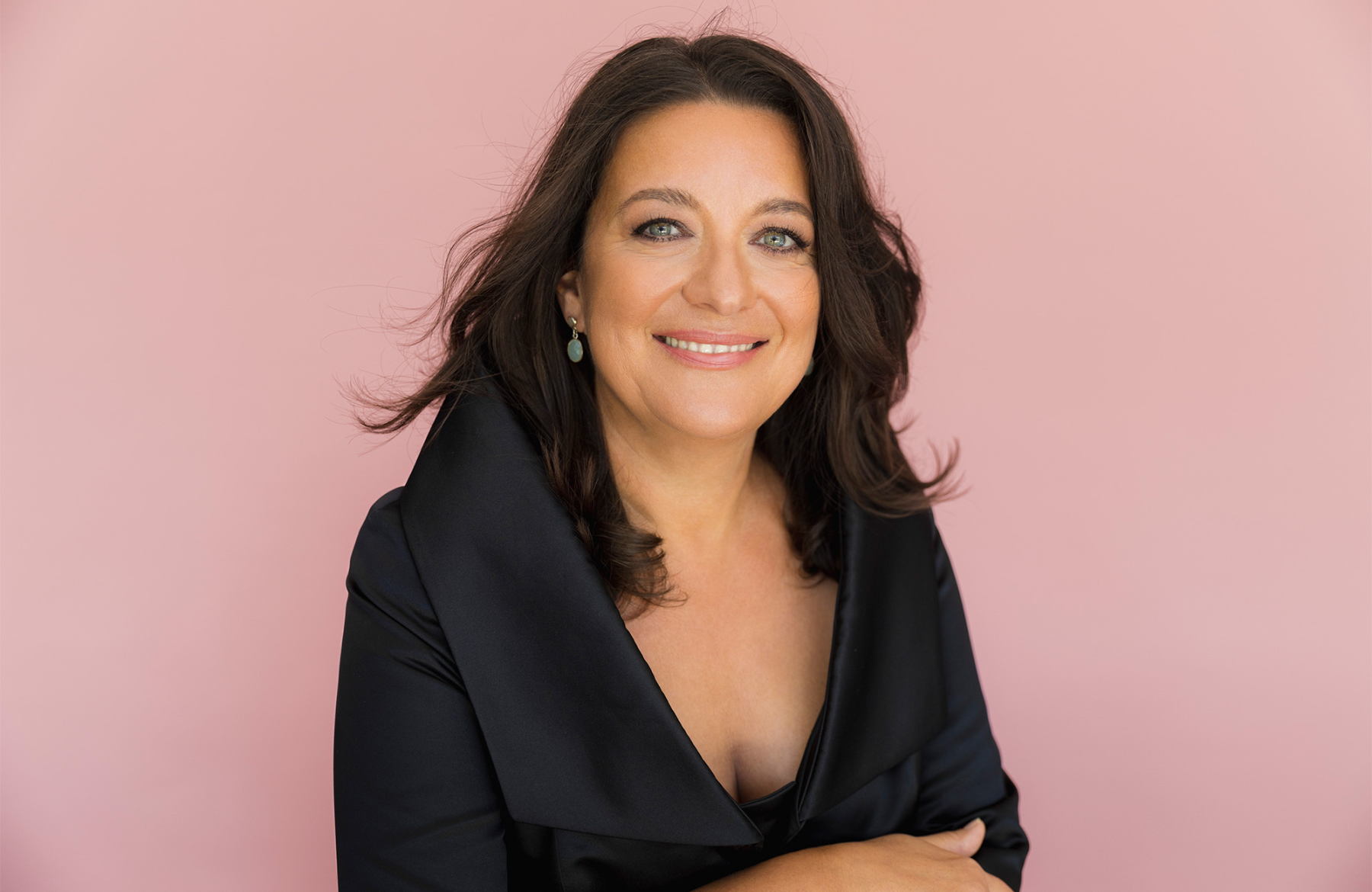
Hartmut Schörghofer
Hartmut Schörghofer studied interior architecture in Linz and stage design at the Mozarteum University Salzburg. Since 1989 he has worked as a stage designer, increasingly devoting himself to opera direction. Among his most notable projects are Der Ring des Nibelungen and Bluebeard’s Castle in Budapest. His productions at the National Theatre in Prague (Gluck: Orfeo ed Euridice; Mysliveček: L’Olimpiade) were also highly acclaimed. Austria, Germany and Switzerland form the core geographical focus of his work, though engagements have also taken him to France, Belgium, Russia, Sweden and Slovenia. He held a professorship in stage design at the University of Music and Performing Arts Graz, and from 2020 to 2024, he was also involved in the organisation of the Tyrolean Festival Erl as Technical Director.
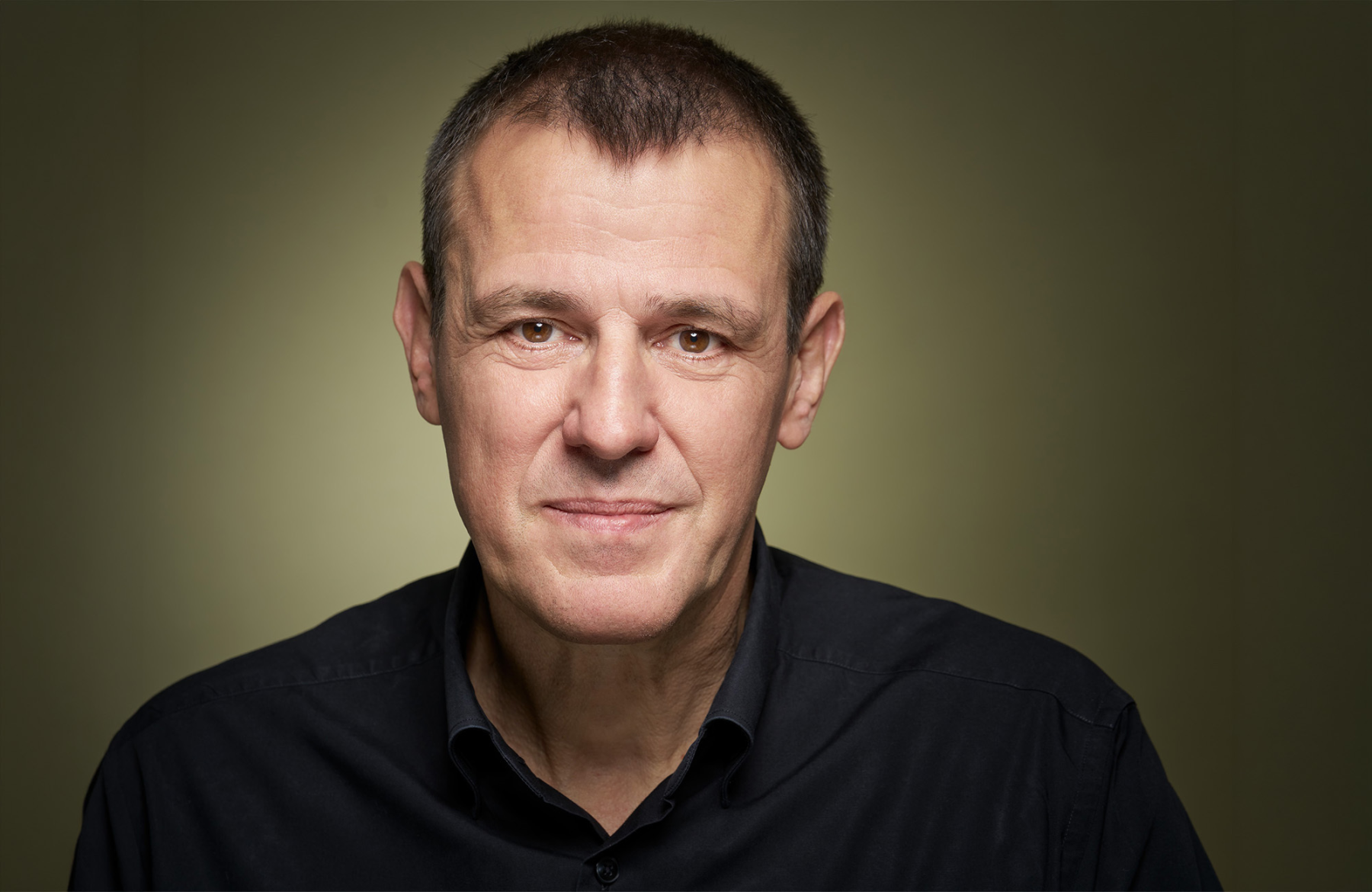
Csaba Somos
Csaba Somos earned his degrees in choral and orchestral conducting at the Liszt Academy, complementing his studies by attending masterclasses held by Johannes Moesus, Jürgen Jürgens and Yuri Simonov. For 17 years, he was the choirmaster of the Vasas Choir and he led the Vass Lajos Chamber Choir, which he founded, from 2002 to 2017. He served as music director of the Csokonai Theatre and the Pécs National Theatre, as well as chief conductor of the Hungarian Radio Choir. He has also appeared as a guest conductor and choirmaster in Italy, Spain, Romania, Austria, Germany, Japan and China. A Liszt Prize-winning Artist of Merit, he teaches at the Liszt Academy, serves as a jury member for music competitions and festivals, and is co-president of the KÓTA, the association of Hungarian choirs, orchestras and folk bands. He has led the Hungarian National Choir since 2016.
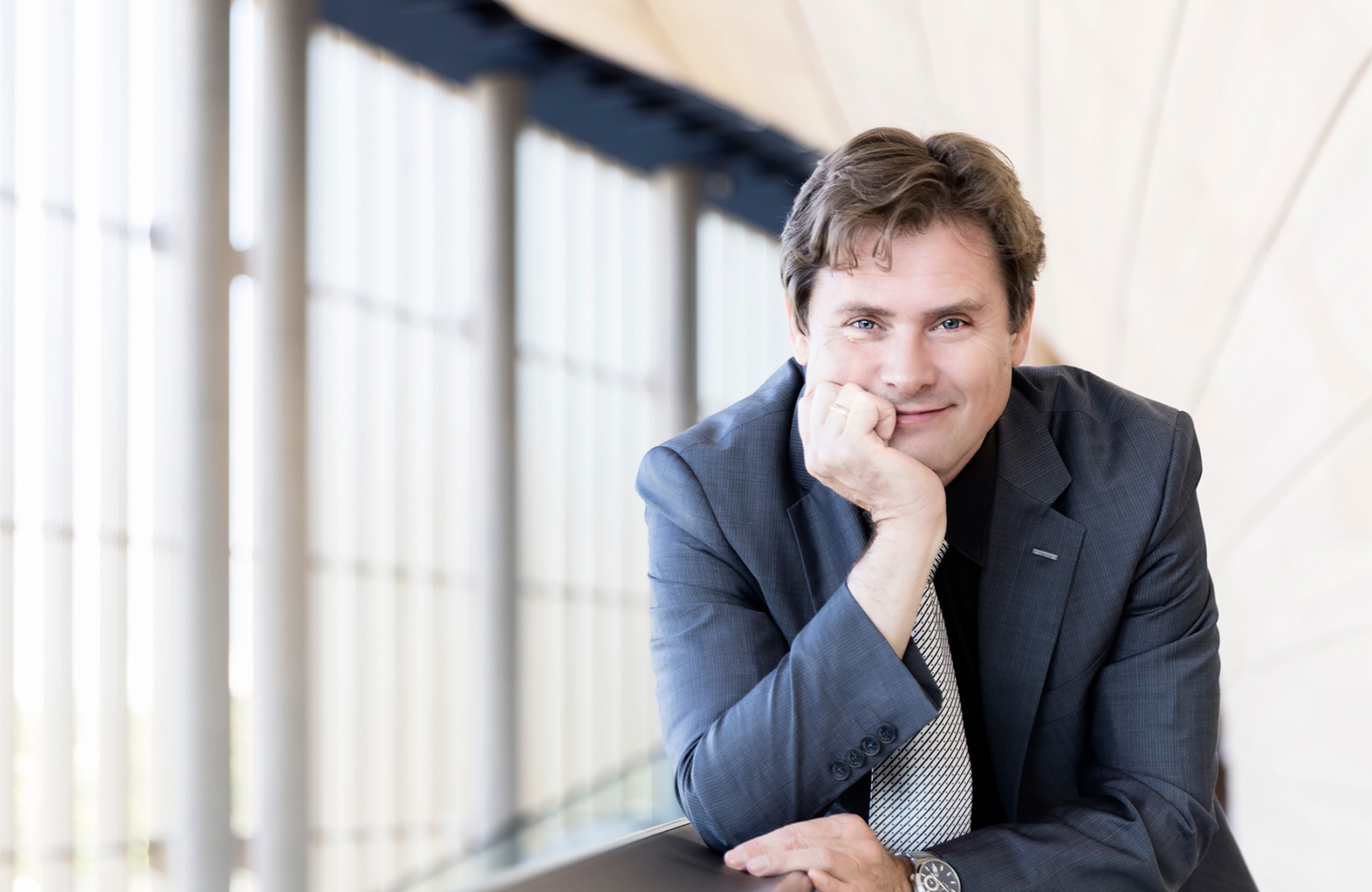
© Andrea Felvégi
Elisabet Strid
Elisabet Strid performs roles such as Elisabeth, Sieglinde, Brünnhilde, Senta, Isolde, Rusalka, Tosca, Turandot and Salome. Guest engagements take her to major international opera houses and festivals across Europe and overseas, including Deutsche Oper Berlin, Royal Operas Copenhagen and Stockholm, Teatro Real in Madrid, Valencia, Genève, Moscow, Tokyo or Chicago, as well as the Bayreuth Festival, Baltic Sea, Ravello and Hong Kong Festivals. She collaborates with renowned conductors and stage directors such as Zubin Mehta, Antonio Pappano, Andris Nelsons, Barrie Kosky, Frank Castorf, David Pountney or Calixto Bieito. Since 2024 she has been captivating audiences at the ROH London as Senta as well as Brünnhilde in Die Walküre and Siegfried. Her first CD, Leuchtende Liebe, was released by OehmsClassics.
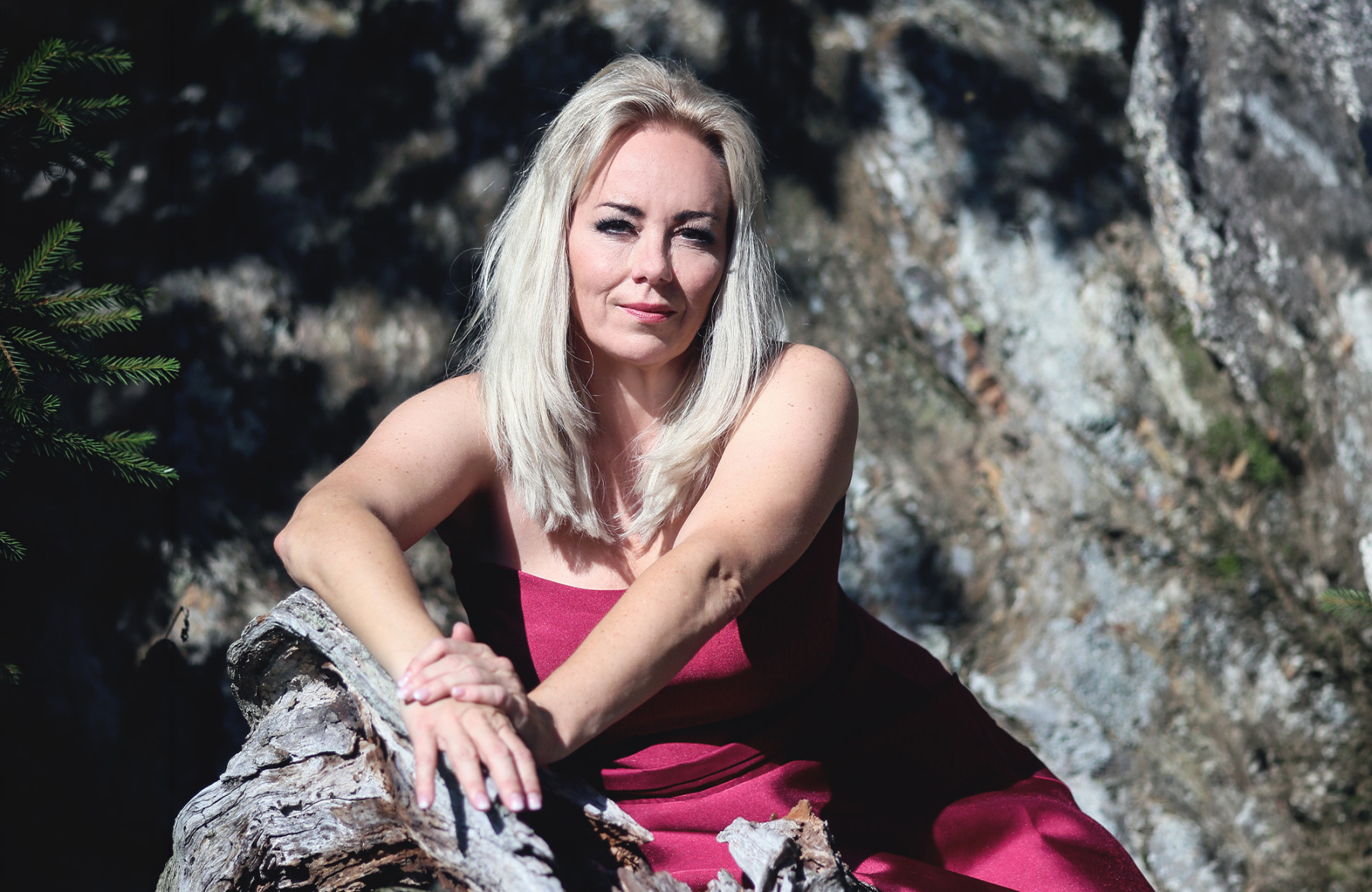
© Emelie Kroon
Máté Szabó Sipos
Máté Szabó Sipos graduated from Budapest’s Liszt Academy and since 1996 has been principal conductor of the Eger Symphony Orchestra, while both founding and heading the Eger Chamber Opera Festival. From 2000 to 2003, he served as chief choirmaster of the Kodály Choir Debrecen, returning to the role from 2016 to 2020 after over a decade at the Hungarian State Opera as choirmaster and conductor. Between 2016 and 2020, he also headed up the opera department at Debrecen’s Csokonai Theatre. With his broad repertoire, he has performed around the world, from Austria to Argentina, while also engaging in diverse teaching activities. His accolades include the Hungarian Radio Award of Excellence, the Artisjus Award and the Pro Agria Award. He was appointed principal conductor of the Hungarian Radio Choir in 2026.
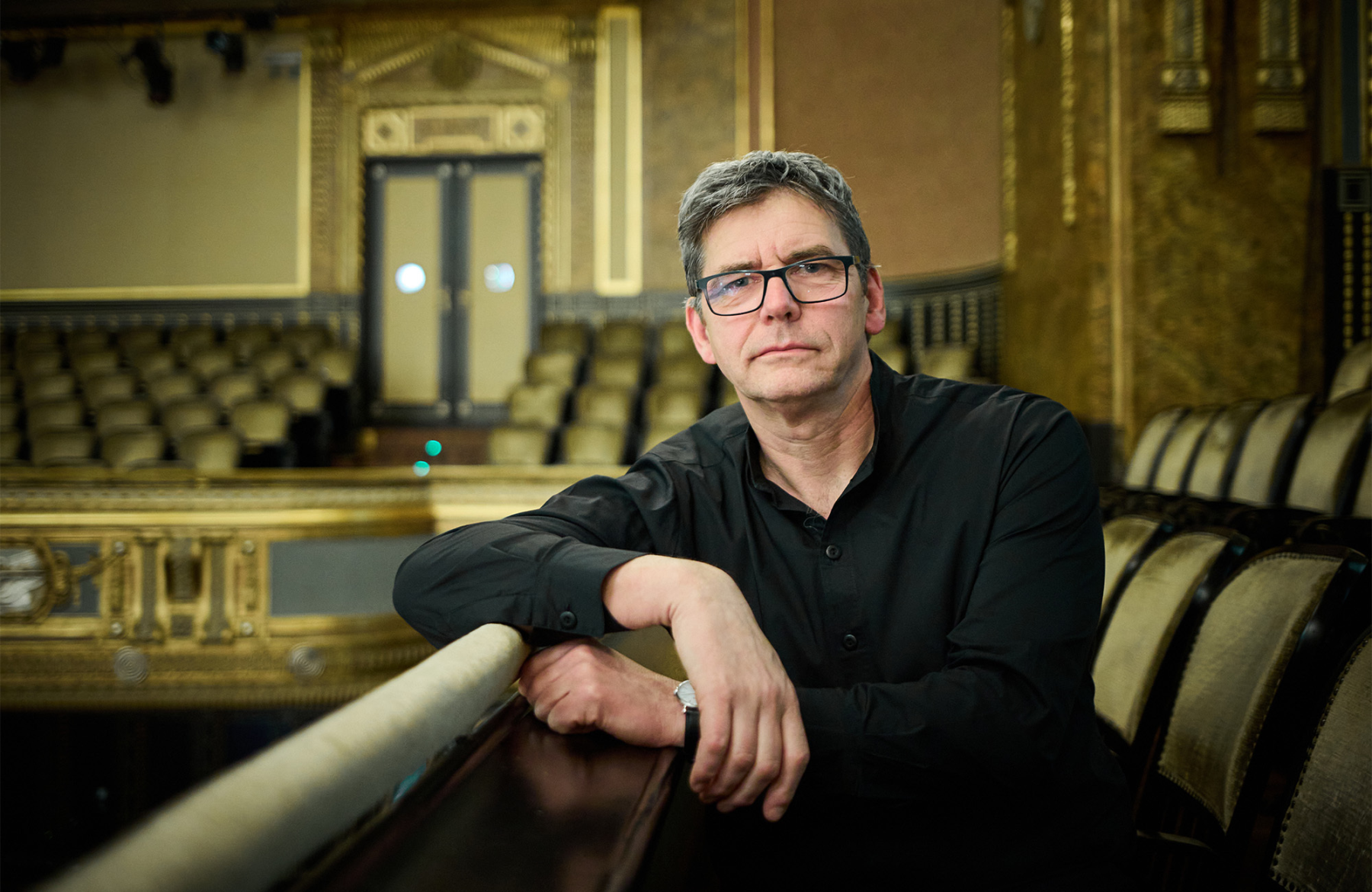
© Attila Vörös
Andrea Szántó
Andrea Szántó studied at Budapest’s Liszt Academy. After a one-year scholarship at the Hungarian State Opera, she was engaged by the National Theatres of Bielefeld and later Mannheim in Germany, where she built up a vast repertoire. She has performed to great acclaim in many countries around the world, including as Judith in Bluebeard’s Castle, a role she also performed in the Müpa Budapest production conducted by Zoltán Kocsis. A soloist with the Hungarian State Opera House since 2017, she was named the institution’s Chamber Singer for the 2022/23 season, and has also won the Zoltán Závodszky Award (2022), and the Hungarian Gold Cross of Merit (2024). Her primary roles include Carmen, Eboli, Kundry, Santuzza, Delila, Laura, Preziosilla and Leonore.
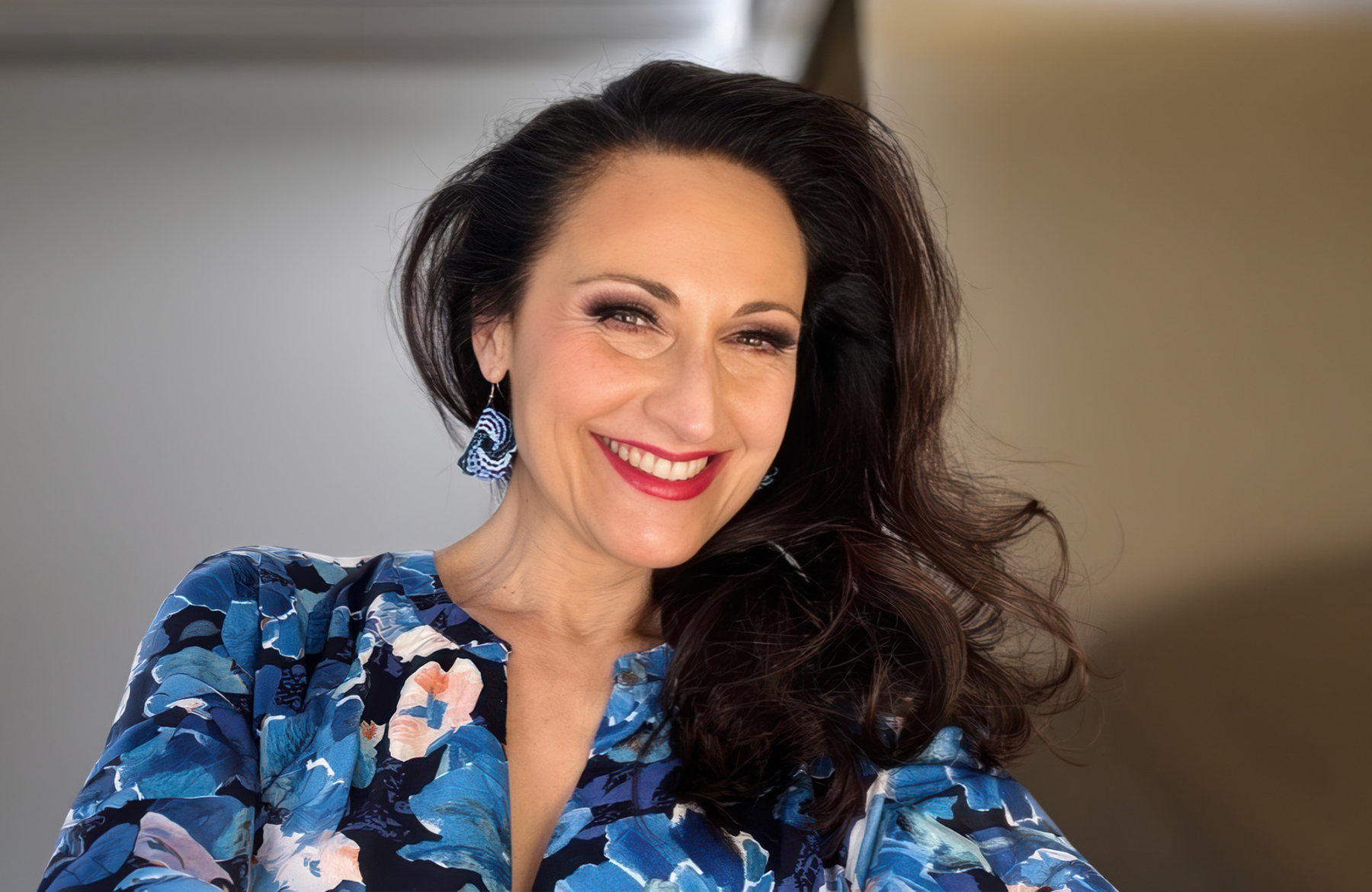
Csaba Szegedi
Csaba Szegedi trained at Budapest’s Liszt Academy under Sándor Sólyom-Nagy and, later on, director Balázs Kovalik, among others. Since 2010, he has been singing major roles in the lyric baritone repertoire, ranging from works by Donizetti and Mozart to those of Verdi, Puccini, Tchaikovsky, Ferenc Erkel, Richard Strauss and Péter Eötvös, including in Klagenfurt, Bonn and Dresden, and at the Salzburg Easter Festival. A winner of the Junior Prima and György Melis awards, he was named a Chamber Singer of the Hungarian State Opera in 2018 and 2023, in addition to receiving the Hungarian Bronze Cross of Merit and numerous other awards and scholarships.
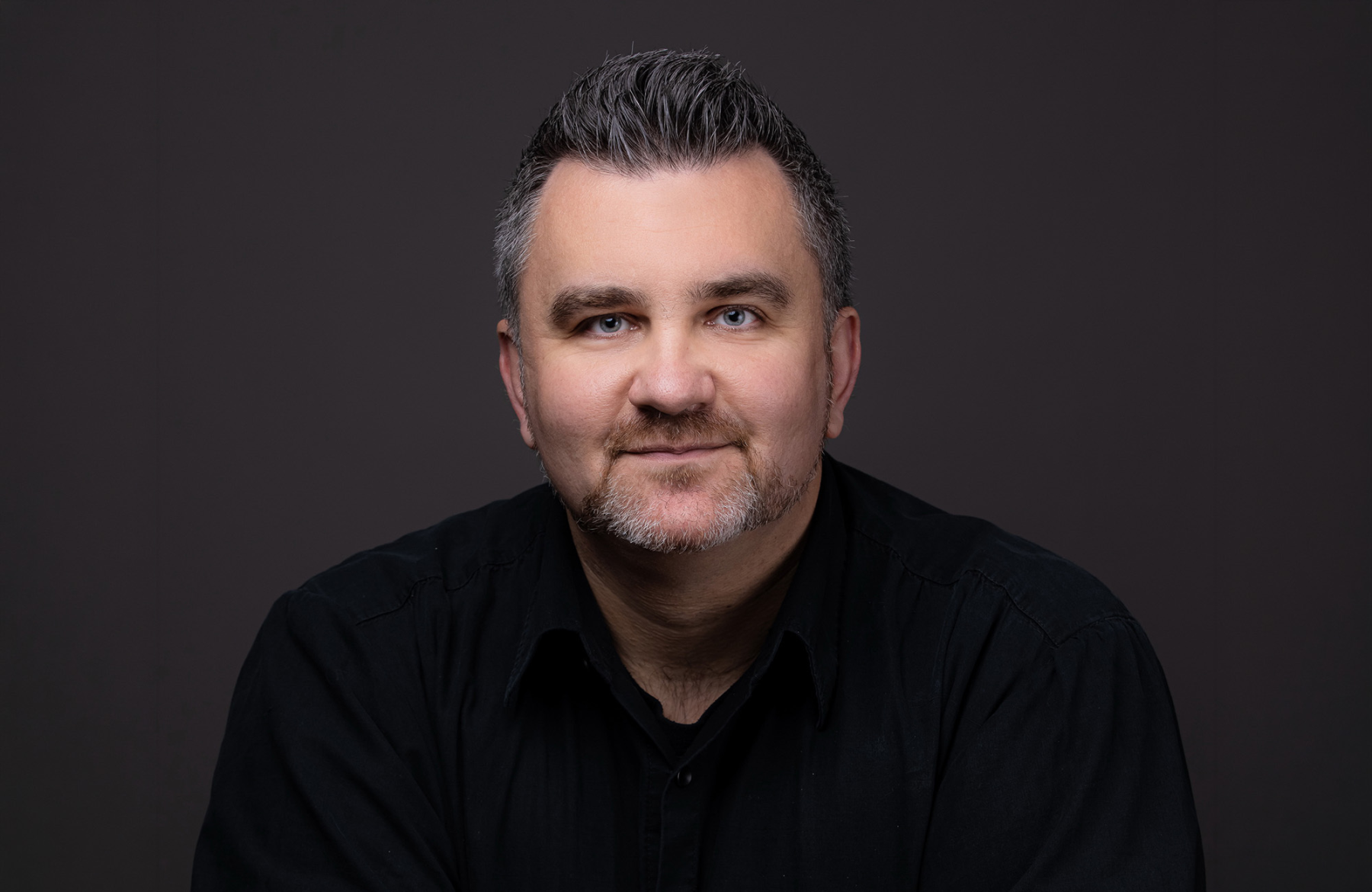
© Attila Nagy
Zita Szemere
The Budapest-born lyric coloratura soprano Zita Szemere graduated from her native city’s Liszt Academy and has been a prominent presence in the Hungarian opera world since 2012. Her repertoire includes such leading roles as Lucia (Lucia di Lammermoor), Marie (La Fille du régiment), Norina (Don Pasquale), Gilda (Rigoletto), Pamina (The Magic Flute) and Melinda (Bánk bán) – with the latter bringing her great acclaim in New York in 2018. Along with her operatic work, she is also often invited to the concert stage, and has sung solo parts in Mahler’s Symphony No. 8 and Orff’s Carmina Burana. Her vocal coach is István Kovácsházi. In addition to her Junior Prima award, in 2026 she received the Hungarian Silver Cross of Merit and the Hungarian State Opera’s most prestigious honour, the title of Chamber Singer.
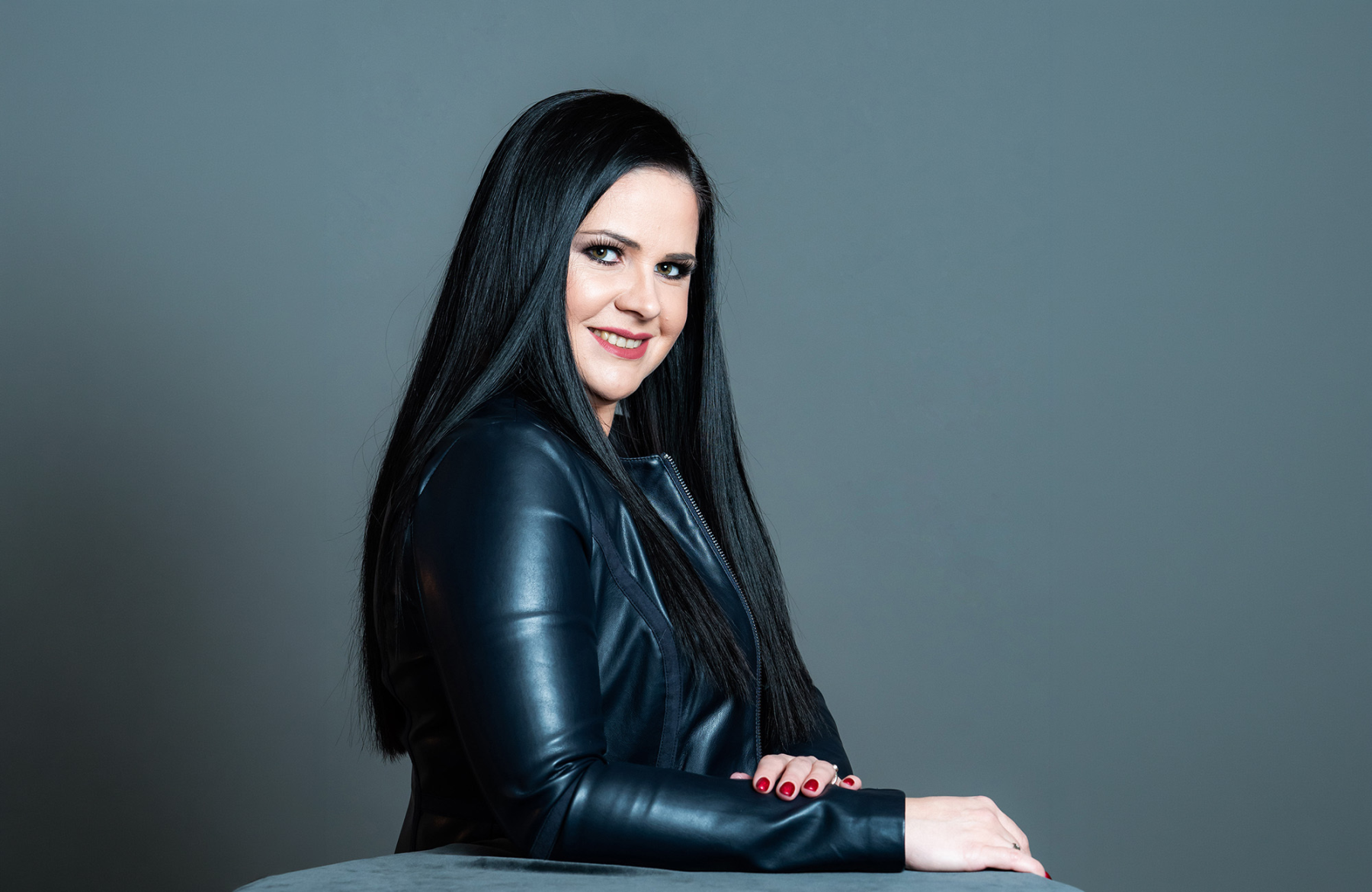
© Berecz Valter
Szilágyi Szilvia
Szilágyi Szilvia completed her studies in her hometown of Debrecen and later at the Liszt Academy in Budapest. Until 2012, she was a member of the Csokonai Theatre. In 2020, she won the Danubia Talents Competition, and in 2021 she received first prize with a distinction at the Moscow International Music Competition. In that same year, she participated in the New Generation series lead by János Ács at the Csokonai Theatre, and on Margaret Island in Budapest, she performed in Sándor Szokolay’s opera Saint Margaret. In 2022, she made her debut as Azucena in Il trovatore in Debrecen, a role she has since performed with great success in Italy as well. Audiences have also seen her as Queen Gertrude in Pécs and in The Gypsy Baron at the Budapest Operetta Theatre. She is a recurring guest at the Budapest Wagner Days.

© Tímea Papp
Laura Topolánszky
Laura Topolánszky began her vocal studies in 2006 in Tamás Bubnó’s children’s choir, and later became a student of Veronika Dobi-Kiss at the Béla Bartók Conservatory. In 2016, she was admitted to the Liszt Academy and earned both her BA degree in Classical Voice and her MA degree in Opera Performance in the class of Andrea Meláth. Since 2021, her teacher has been Ildikó Komlósi. She made her debut at the Eiffel Art Studios in 2021 in Debussy’s Pelléas et Mélisande, and first appeared at the Hungarian State Opera in 2022 as Papagena. Her signature roles include Elettra, Zdenka, Cherubino, Lauretta and Gilda. In May 2026, she appeared as a guest artist in Warsaw as Fiordiligi in Così fan tutte, and in June she will make her Japanese debut as Pamina.
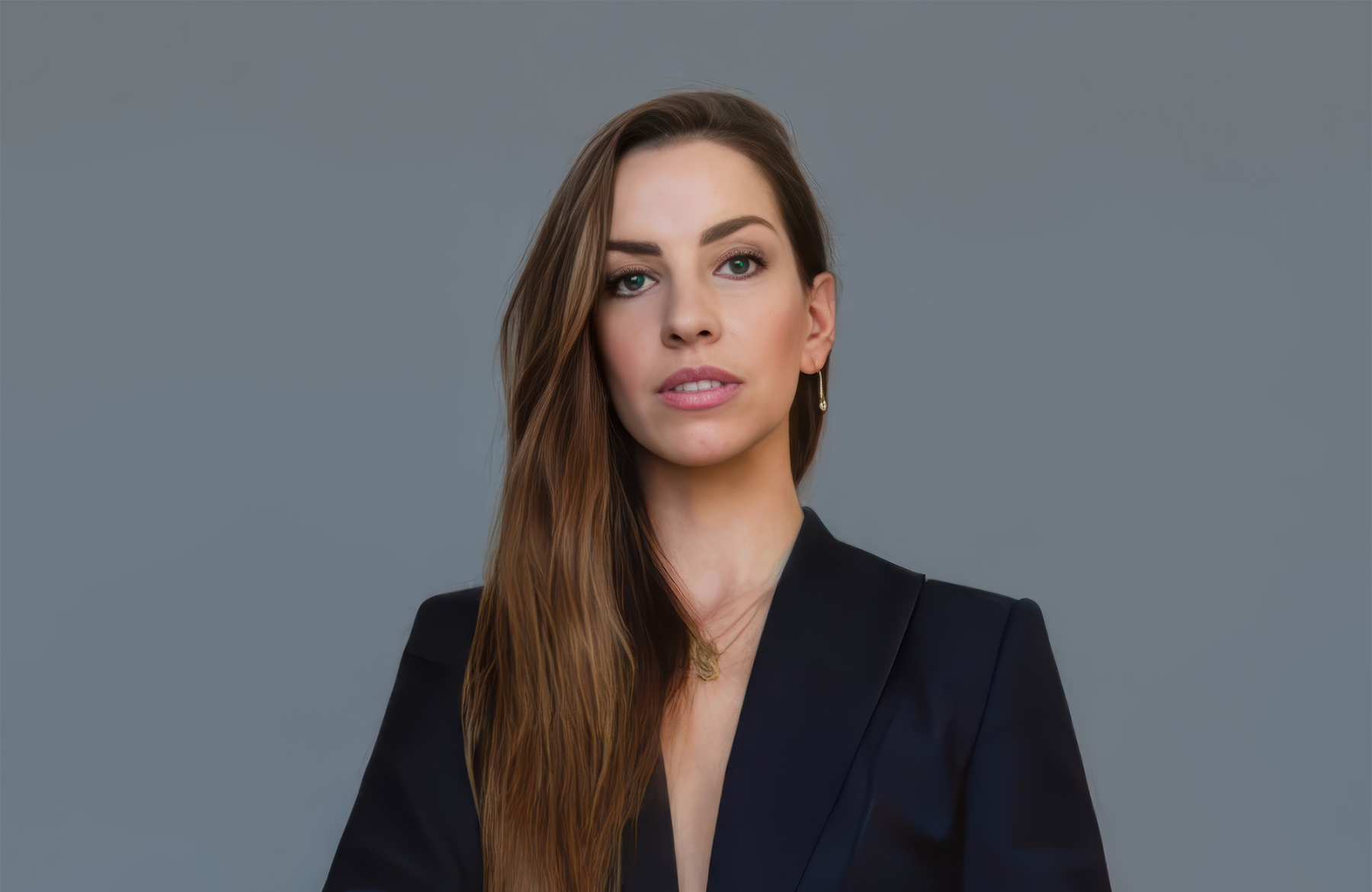
© Márk Viszlay
Máté Vajda
Máté Vajda started designing, installing and distributing lighting technology systems after graduating from high school and later went on to complete the technical management course at the University of Theatre and Film Arts Budapest. During this period, he worked as a freelance lighting technician at several theatres, eventually moving into lighting design. He served as the deputy manager of Müpa Budapest’s lighting team for 20 years, from the opening of the institution. Among his most significant creative work at Müpa Budapest are the Budapest Wagner Days productions of Tannhäuser and Tristan und Isolde, as well as the Krisztián Gergye Company’s production The Doll of Kokoschka.
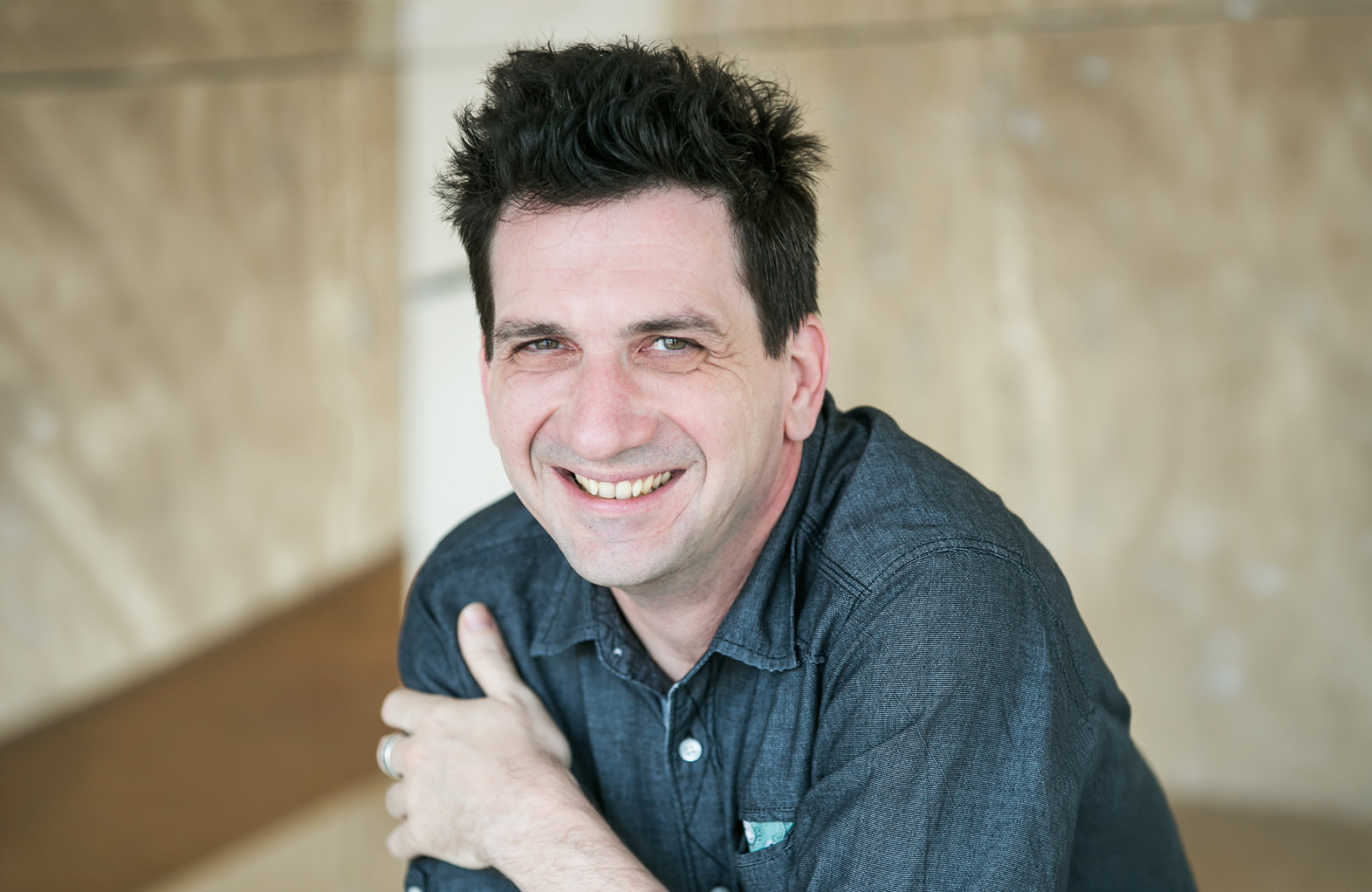
© Szilvia Csibi, Müpa
Zita Váradi
Zita Váradi started her career at the Csokonai Theatre in Debrecen and joined the Hungarian State Opera as a soloist in 2001. Best known for her opera roles, she has also enjoyed success as a concert performer over the past 25 years. Her principal roles include Susanna, Norina, Adina, Musetta, Pamina, Micaëla, Nedda, Zdenka, Liù, Madame Lidoine, Naiad, Frasquita, Marzelline, Zerlina, Clorinda, Lauretta and (in Kodály’s Háry János) the French Princess and the Empress. The Hungarian State Opera recognised her work on the stage with the title Chamber Singer of the 2012/13 season, and with the award founded by Dr and Mrs Andor Mándi. In 2016, she received the Knight’s Cross of the Hungarian Order of Merit.
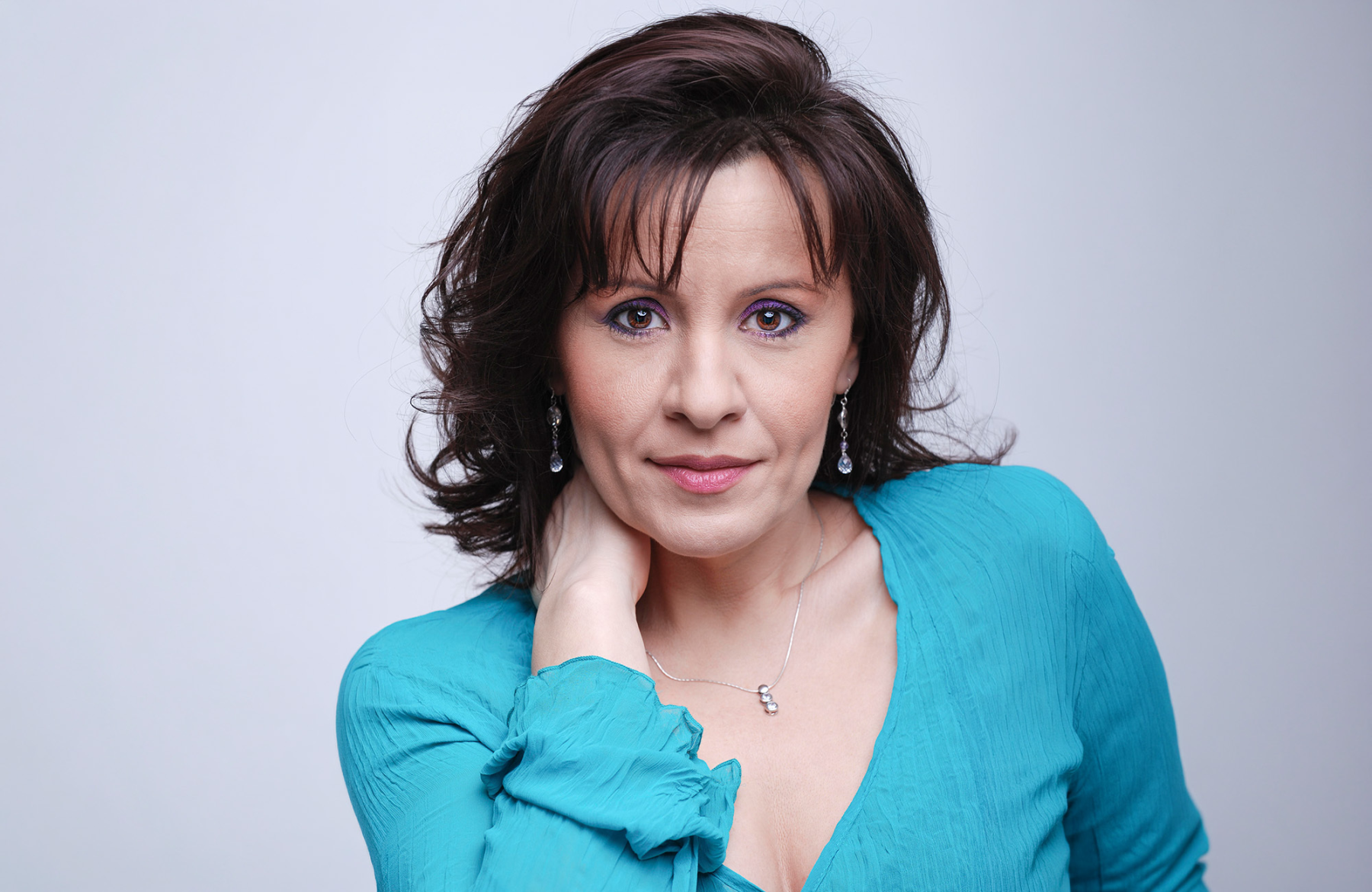
© Attila Monoki
Éva Várhelyi
Éva Várhelyi graduated from the Liszt Academy. She has since been a soloist at the Hungarian State Opera, where she has sung 44 roles so far, including the Composer, Xerxes, Octavian, Dorabella, Cherubino, Carmen and Prince Orlofsky. In 2007, as one of the winners of the Monteverdi Singing Competition, she sang one of the lead roles in L’Orfeo in Verona and Mantua. She has made guest appearances in England, Japan, Finland, Munich and Kyiv. She celebrated the 25th anniversary of the start of her career in March 2023 by singing the role of Judith in Bluebeard’s Castle. She regularly gives song recitals and performs at oratorio concerts, and is a regular performer at the Budapest Wagner Days. For sixteen years, she has been a vocal teacher at the Aelia Sabina Music School, and she is deeply committed to training young talents and supporting their careers.
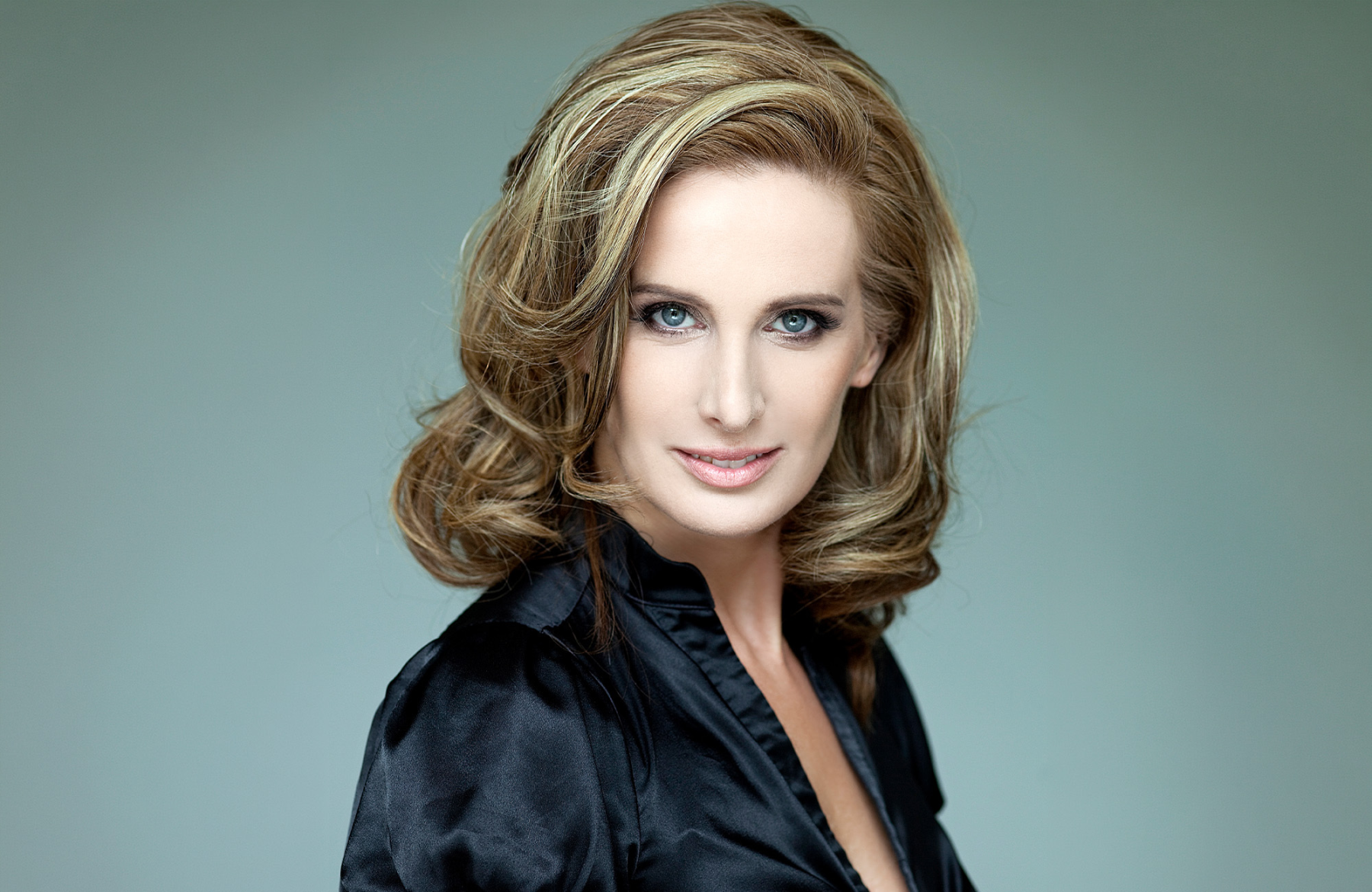
Gábor Vida
Gábor Vida graduated from the University of Theatre and Film in Budapest in 2007. He has contributed to productions at the National Theatre in Budapest, at the Szeged National Theatre, and at the Jókai Theatre in Komarno (Slovakia), the József Attila Theatre in Budapest, the Gárdonyi Géza Theatre in Eger, the Csokonai Theatre in Debrecen and Nyíregyháza’s Móricz Zsigmond Theatre. He is also widely recognised as a dancer and choreographer.

Magnus Vigilius
International engagements bring Magnus Vigilius to houses like the Deutsche Oper Berlin, Semperoper Dresden, Zürich Opera, Grand Théâtre de Geneve, Royal Opera Houses of Stockholm and Copenhagen, as well as to Leipzig, Naples, Strasbourg, Prague, Amsterdam, Brussels or the Bayreuth Festival. The Danish tenor can be heard in roles like Lohengrin, Walther in Die Meistersinger, Siegmund and Siegfried, Erik in Der fliegende Holländer, Steva in Jenůfa, Boris and Tichon in Kát’a Kabanova, Albert Gregor in Věc Makropulos, Cavaradossi in Tosca or Bacchus in Ariadne auf Naxos. He performs concerts in Japan, Germany, Switzerland, Denmark, among others. He won two prizes at The Lauritz Melchior International Singing Competition and his portrayal of Siegmund was recognised with the Danish Reumert Prize.
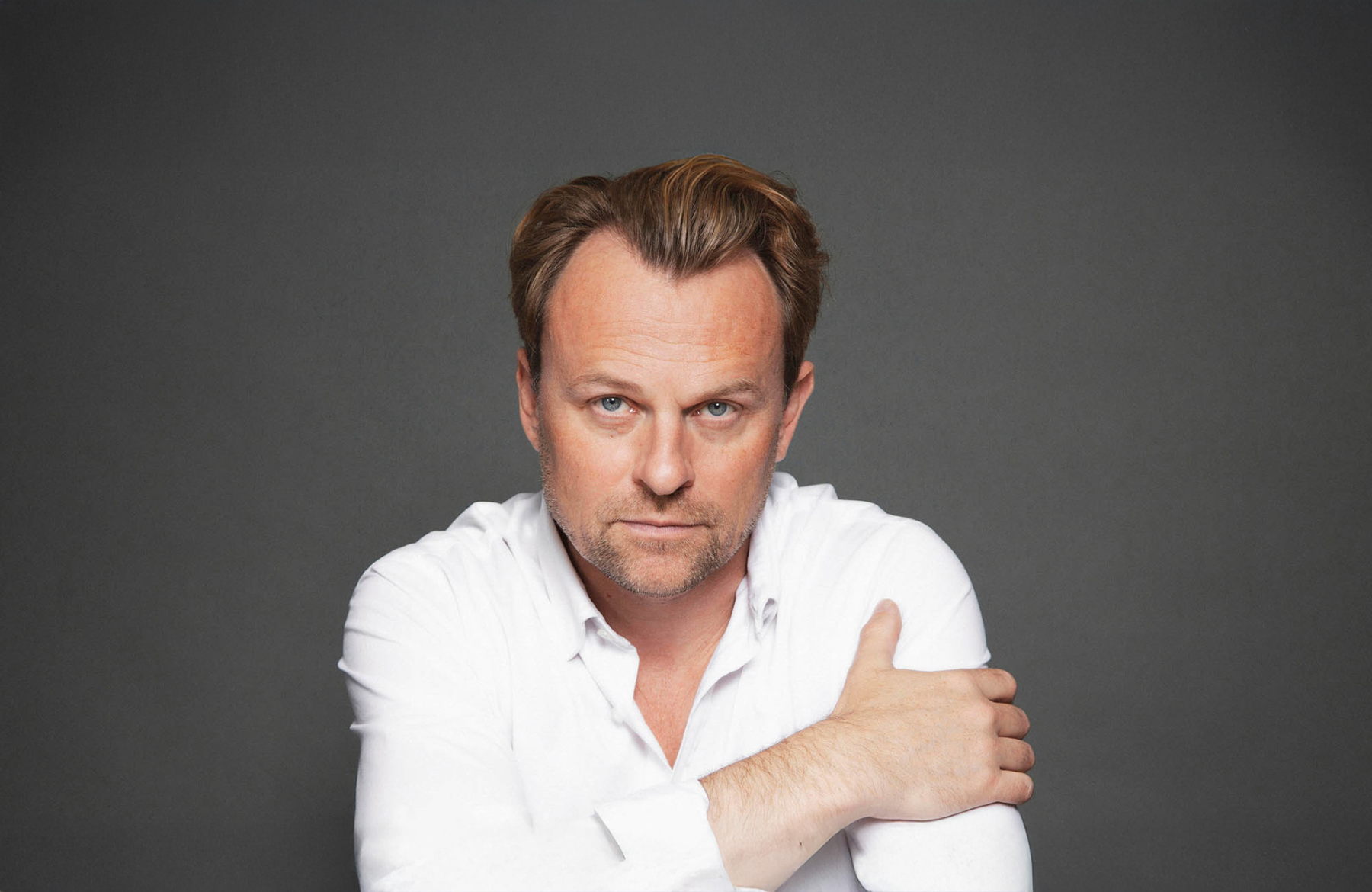
© Lena Paaske
Klára Vincze
Klára Vincze earned her degrees in opera voice and, later on, pedagogy at Budapest’s Liszt Academy after studying under Éva Marton and István Andrejcsik. Her current vocal coach is Judit Németh. In 2005 she won the Ádám Jenő National Singing Competition, which was followed in 2008 by a first-place showing in the song category, as well as a special prize for the best performance of a Liszt song, at the Gyula International Opera and Song Competition. In 2018, she portrayed the lead female role in a Košice production of Wagner’s opera Die Feen, and has also made guest appearances in Japan and Austria. Between 2022 and 2025, she was a soloist at the Hungarian State Opera, where she performed in works by Wagner, in addition to singing Santuzza in Cavalleria rusticana. Her repertoire and studies have included the roles of Sieglinde and Kundry, among others. Since 2017, she has taught at the University of Theatre and Film Arts.
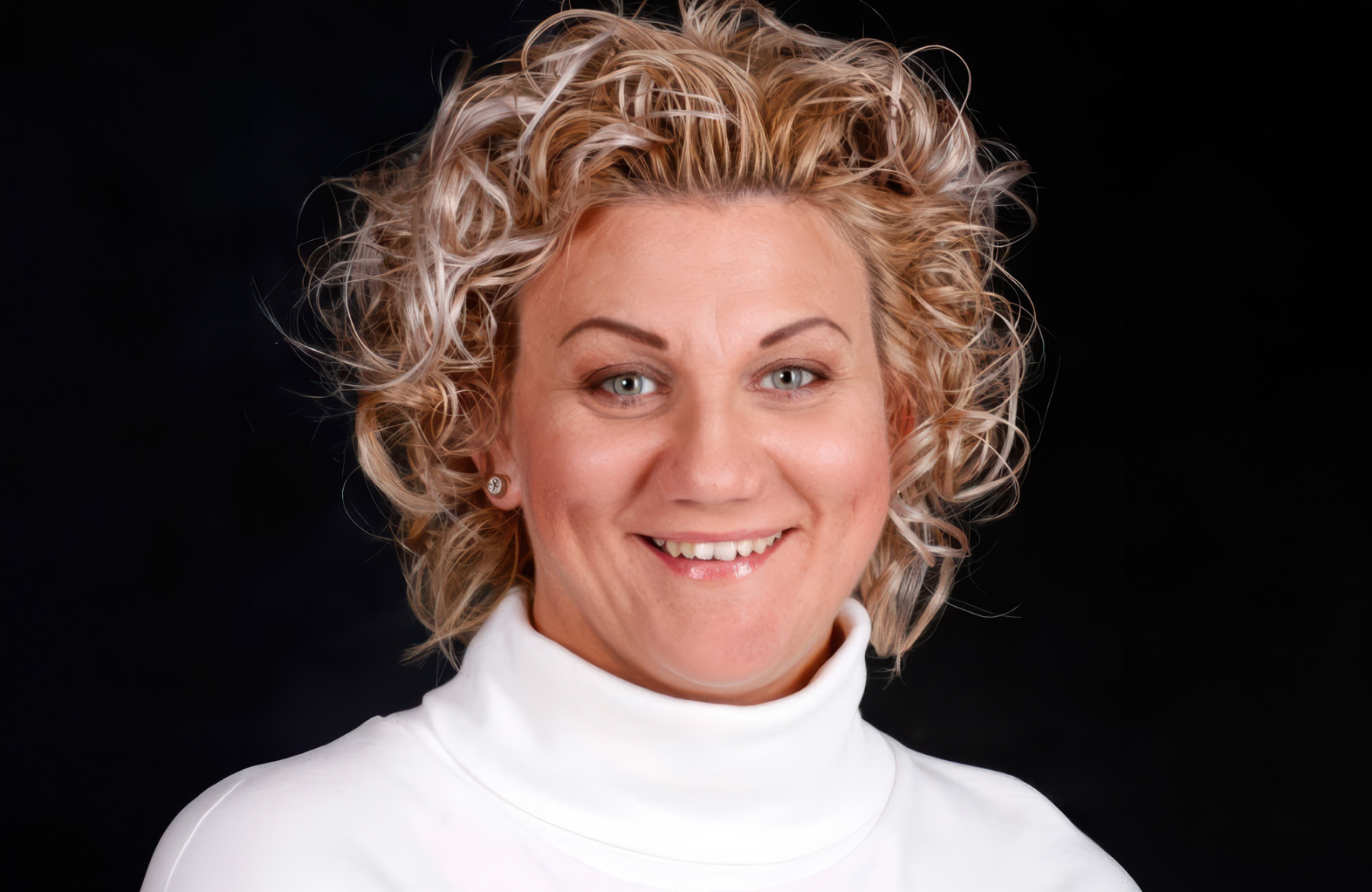
Stefan Vinke
German heldentenor Stefan Vinke graduated from the Cologne College of Music. He has been awarded with several international prizes, among others “Male Newcomer of the Year” by the Opernwelt magazine. Globally renowned as a Wagner interpreter, he has sung the title roles of Tristan, Tannhäuser, Parsifal, Lohengrin and Rienzi, as well as Siegmund, Siegfried, Erik and Walther. His numerous Ring cycle appearances include the Royal Opera House Covent Garden, the Metropolitan Opera, the Wiener Staatsoper, the Salzburg and Bayreuth Festivals. He has also sung the title role of Idomeneo, Florestan in Fidelio, Bacchus in Ariadne auf Naxos, Paul in Die tote Stadt, and Menelas in Die ägyptische Helena, in the theatres of Berlin, Paris, Madrid, Seattle, Sydney, Bejing and Tokyo.
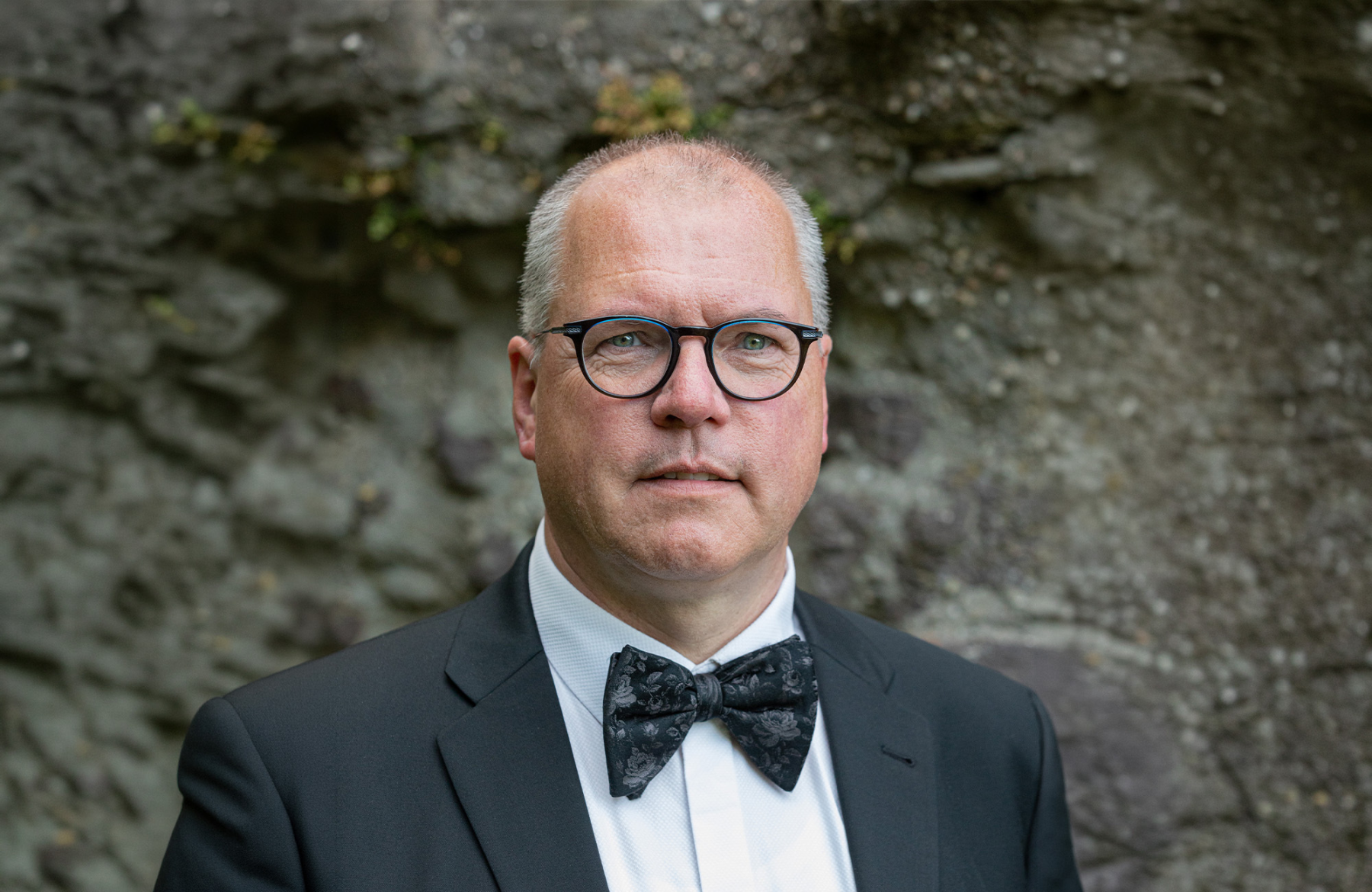
Szilvia Vörös
Hungarian mezzo-soprano Szilvia Vörös studied at the Liszt Academy in Budapest under Éva Marton. She was awarded the Grand Prize at the Éva Marton International Singing Competition and First Prize at the Portofino International Singing Competition. As a soloist of the Hungarian State Opera and the Vienna State Opera, she has achieved notable success in roles such as Fenena, Waltraute and Isabella. She appeared at La Monnaie in Brussels as Laura in La Gioconda, as Judith in Bartók’s Bluebeard’s Castle with the Helsinki Philharmonic under Susanna Mälkki, and at the Rome Opera under Michele Mariotti. In recent seasons, she has sung Verdi’s Requiem at the Verdi Festival in Parma with James Conlon, with the Dresden Staatskapelle under Daniele Gatti, and the role of Preziosilla in La forza del destino in Barcelona.
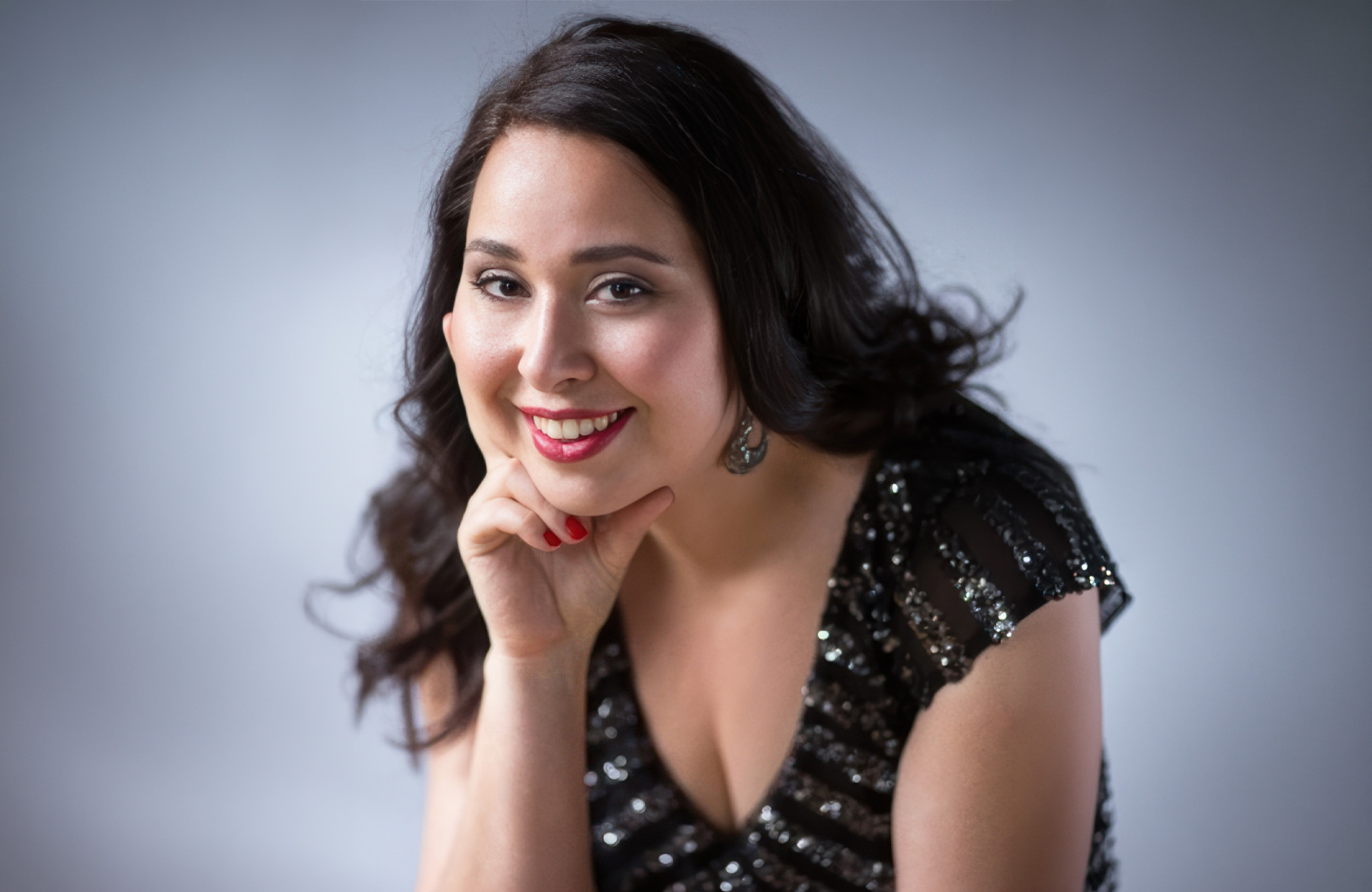
Derek Welton
Australian bass-baritone Derek Welton is recognised as one of the leading voices of his generation, with a repertoire ranging from Bach to the present day. He is a regular guest of the world’s leading opera houses in roles such as Wotan (Der Ring des Nibelungen), Holländer (Der fliegende Holländer), Orest (Elektra), Pizarro (Fidelio) and Bluebeard (Bluebeard’s Castle). Welton’s engagements for the 2026/2027 season include Wotan (Die Walküre) at the Hamburgische Staatsoper, Holländer at the Staatsoper Stuttgart and the Deutsche Oper am Rhein, Wanderer at the Opéra de Monte-Carlo and Orest at the Royal Ballet and Opera; as well as The Dream of Gerontius in Oslo, Weihnachts-Oratorium in Montreal, Gurre-Lieder in Warsaw and Elias in Essen.
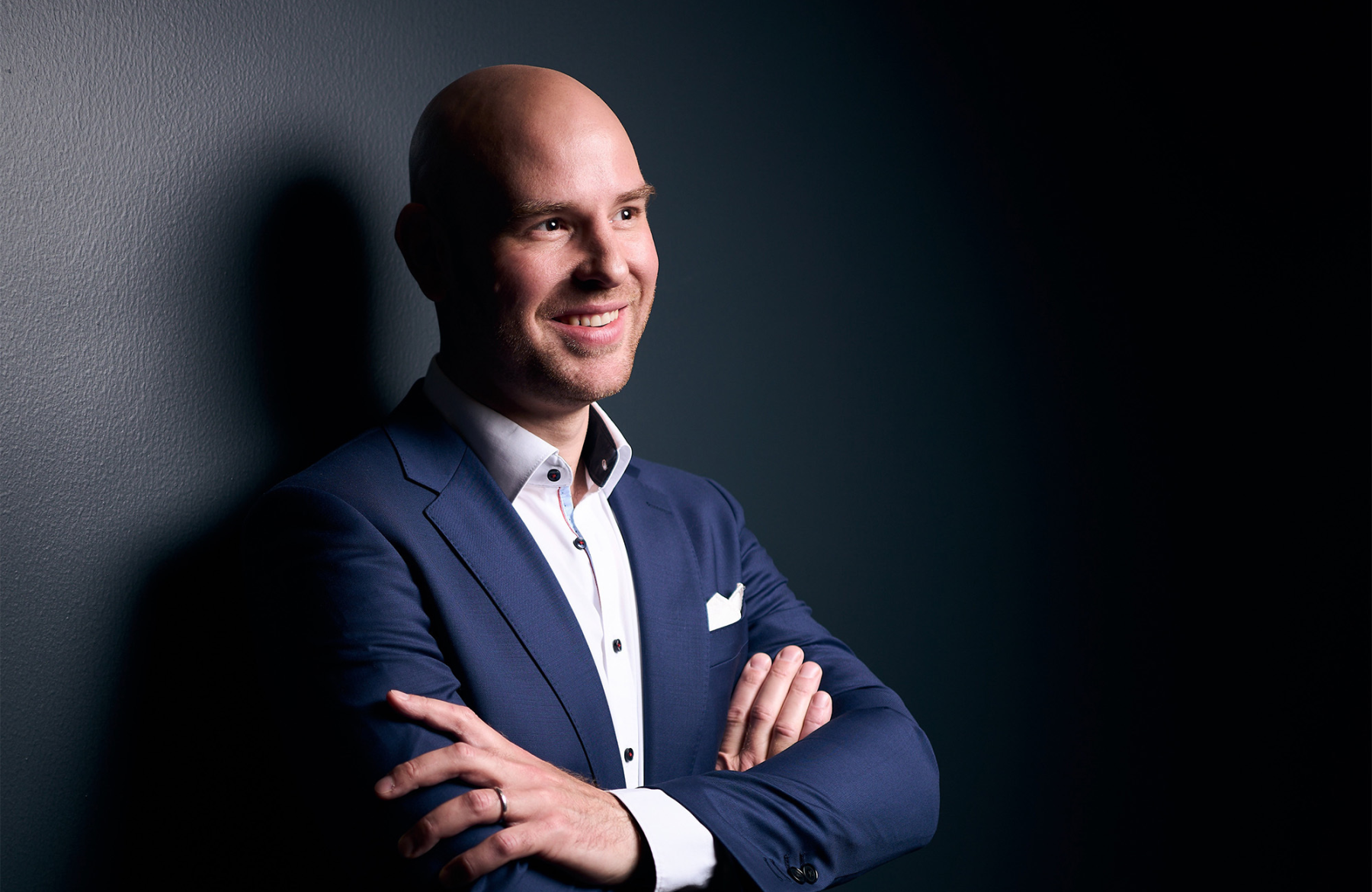
© Eduardus Lee
Gertrúd Wittinger
After graduating from the Liszt Academy, Gertrúd Wittinger continued her education at the University of Music and Performing Arts Vienna. She has performed in the Austrian capital – at both the Volksoper and the Staatsoper – as well as at the Opéra Bastille in Paris and the Hungarian State Opera. She is a former member of the National Theatre of Szeged. A regular fixture at the Budapest Wagner Days, her repertoire includes contemporary opera roles, oratorios and art songs along with the classics.
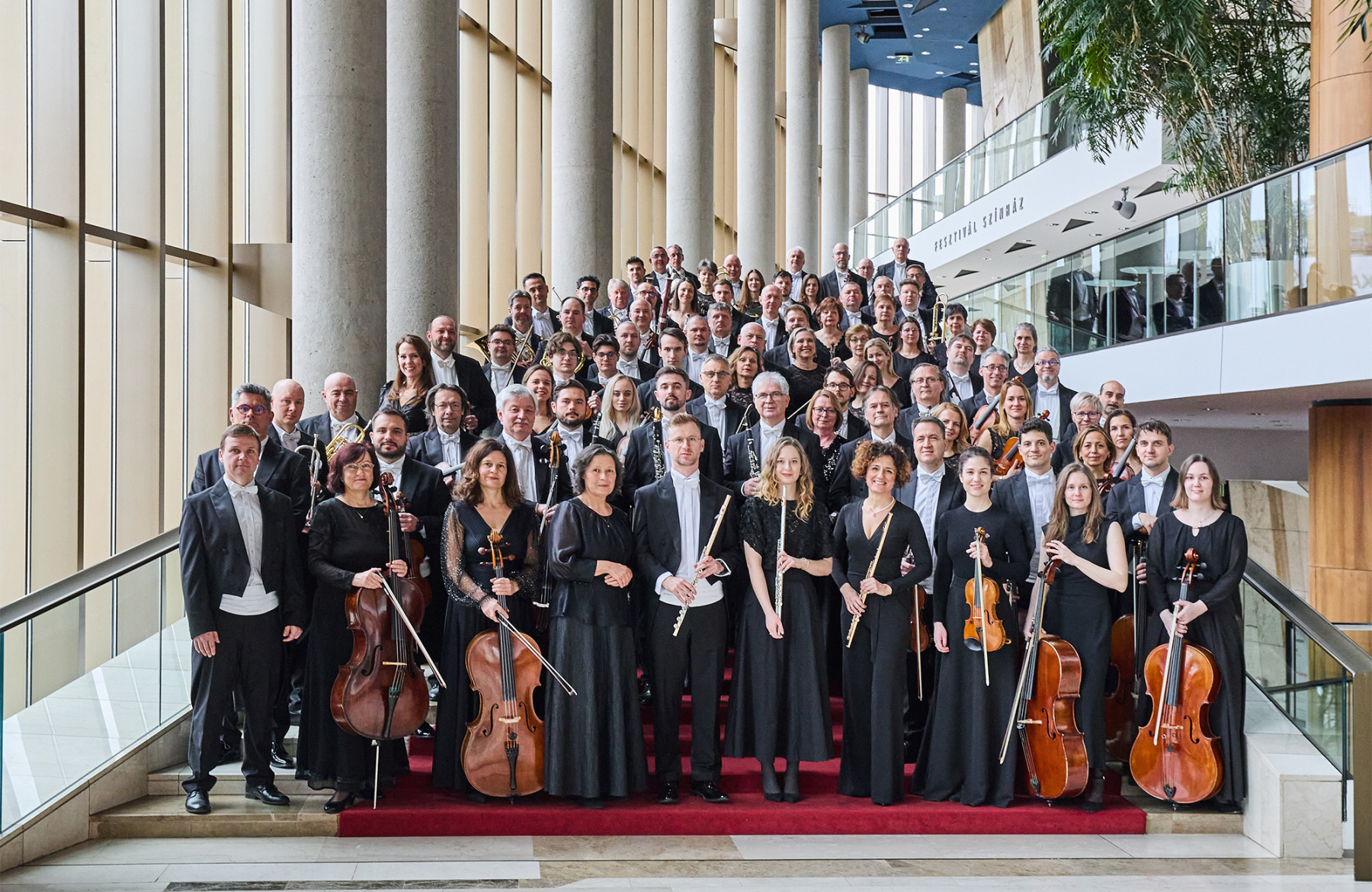
Hungarian Radio Symphony Orchestra
The Hungarian Radio Symphony Orchestra was formed in 1943 following an initiative by Ernő Dohnányi and established its international rank and reputation through its numerous concerts both in Hungary and abroad, as well as through CDs and radio recordings. The orchestra has further enhanced the fine reputation of Hungarian music culture in more than 50 countries across four continents. Its balanced sound, flexibility and preservation activities that promote the popularity and recording of contemporary Hungarian music have received international acclaim from critics, guest conductors, soloists and composers. The orchestra has participated in the Budapest Wagner Days since the start, receiving much acclaim. The chief music director of the Hungarian Radio Art Groups is Domonkos Héja, a winner of the Liszt Award, the Gundel Art Award and the Junior Prima Award, an Artist of Merit.
© Attila Vörös
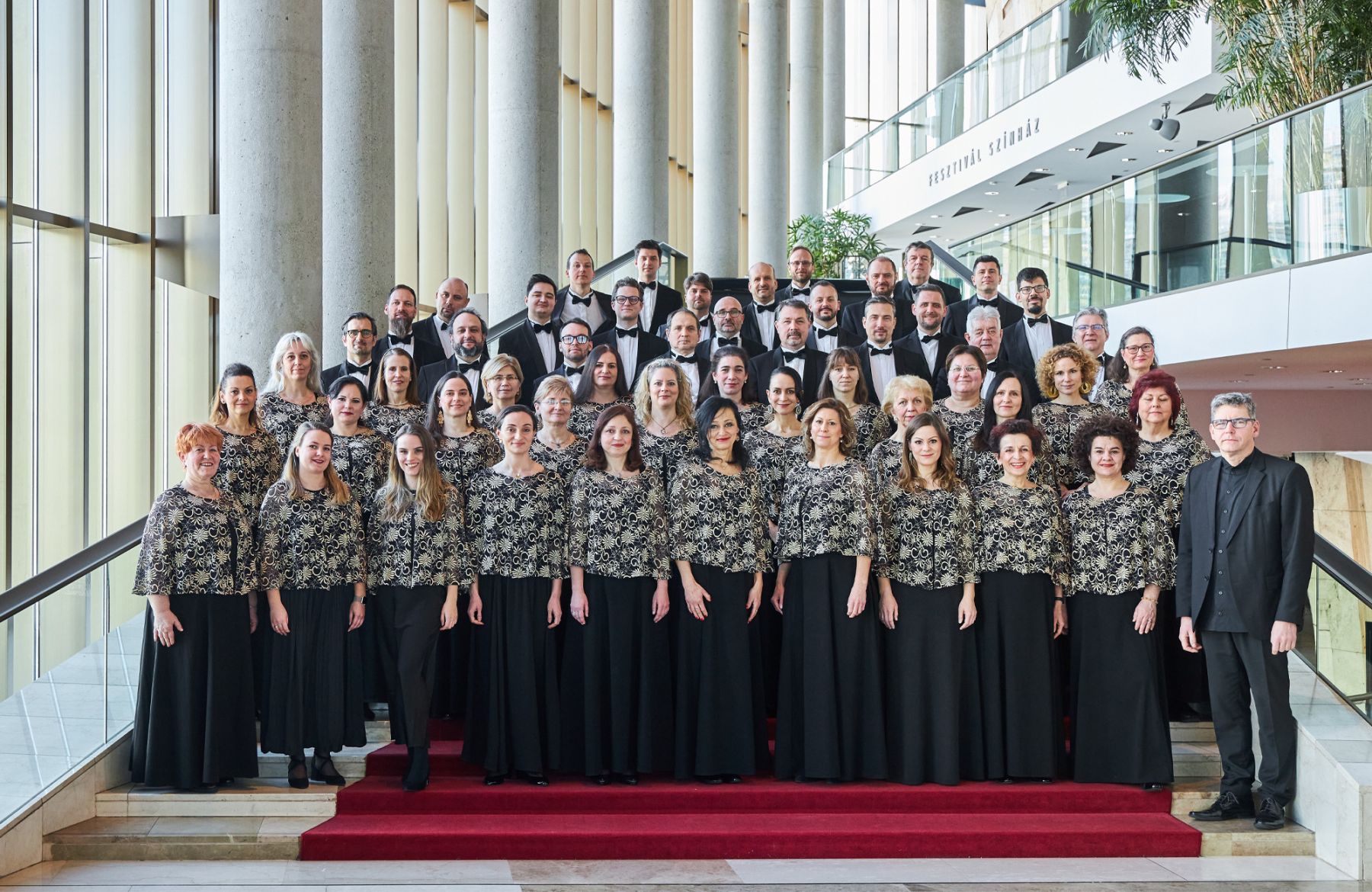
Hungarian Radio Choir
The Hungarian Radio Choir, founded in 1950, celebrates its 75th anniversary this season. Its repertoire embraces all areas of choral singing, including opera and oratorio, from the Renaissance to the present. Works by contemporary Hungarian composers are frequently featured in their performances. In 1985, the choir was awarded the Bartók–Pásztory Prize in recognition of its outstanding artistic achievements. A frequent guest at prestigious international music festivals, the choir has appeared at such events in Salzburg and Vienna. The list of famous conductors that the chorus has worked with includes Lamberto Gardelli, Lovro von Matačić, Kurt Masur, Yehudi Menuhin, Giuseppe Patane, Helmuth Rilling, Yuri Simonov, Paul Sacher and Eric Ericson. Its principal choirmaster is Máté Szabó Sipos.
© Attila Vörös
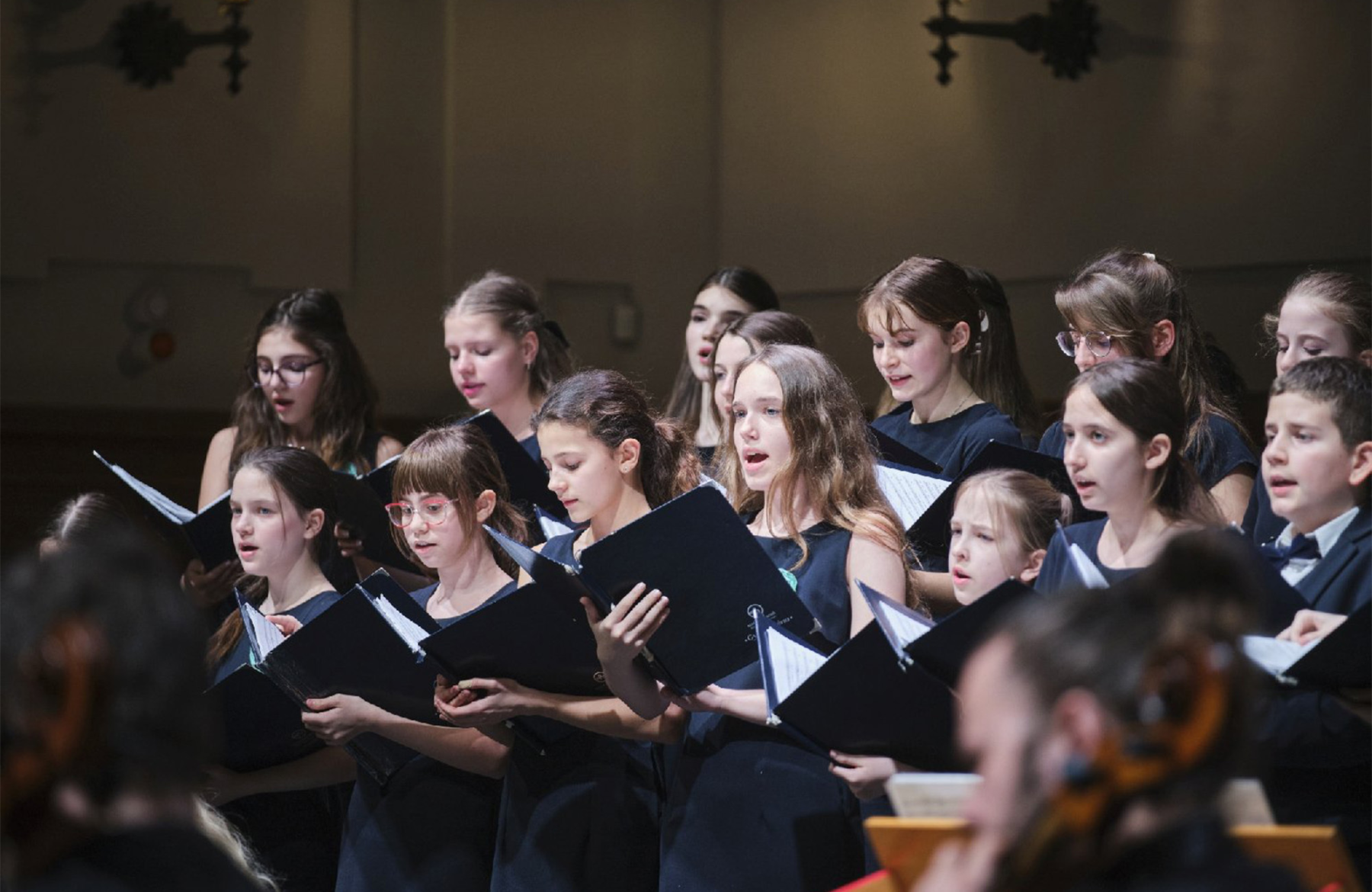
Hungarian Radio Children’s Choir
The Hungarian Radio Children’s Choir is a recognised fixture in the Hungarian and international music scene, regularly taking part in music festivals both in Hungary and around Europe, making numerous radio and television recordings, and winning the Bartók-Pásztory and Prima awards along the way. They have been invited to sing in almost every country in Europe, and have also visited the United States and Japan. The ensemble has worked with such distinguished musicians as Luciano Berio, Semyon Bychkov, Myung-Whun Chung, José Cura, Dennis Russell Davies, Peter Maxwell Davies, Philip Glass, the King’s Singers, Ken’ichiro Kobayashi, Zoltán Kocsis, Zoltán Peskó and Tamás Vásáry. Since 2019, the ensemble have been led by principal choirmaster Soma Dinyés and second choirmaster Magdaléna Szűcs.
© Attila Vörös
Hungarian National Male Choir
The Hungarian National Male Choir (formerly known as the Honvéd Male Choir) is the only professional male choir in Hungary. The ensemble, originally formed from soldiers in 1949, now consists of highly trained singers, and its sound combines the dramatic power of Russian choirs, the sophistication of Western choral groups and the expressive power of Central European choral tradition. With a repertoire ranging from Gregorian chants to oratorios, operas and a cappella choral works, they also enjoy performing at jazz, rock and electronic music concerts. Over the decades, the choir has toured dozens of countries on four continents, from Mexico and the United States to China. Their work has been recognised with the Prima Primissima Award, the Hungarian Heritage Award, the Bartók-Pásztory Award, and the Grand Prix du Disque of the Académie Charles Cros. Their current choirmaster is Richárd Riederauer.
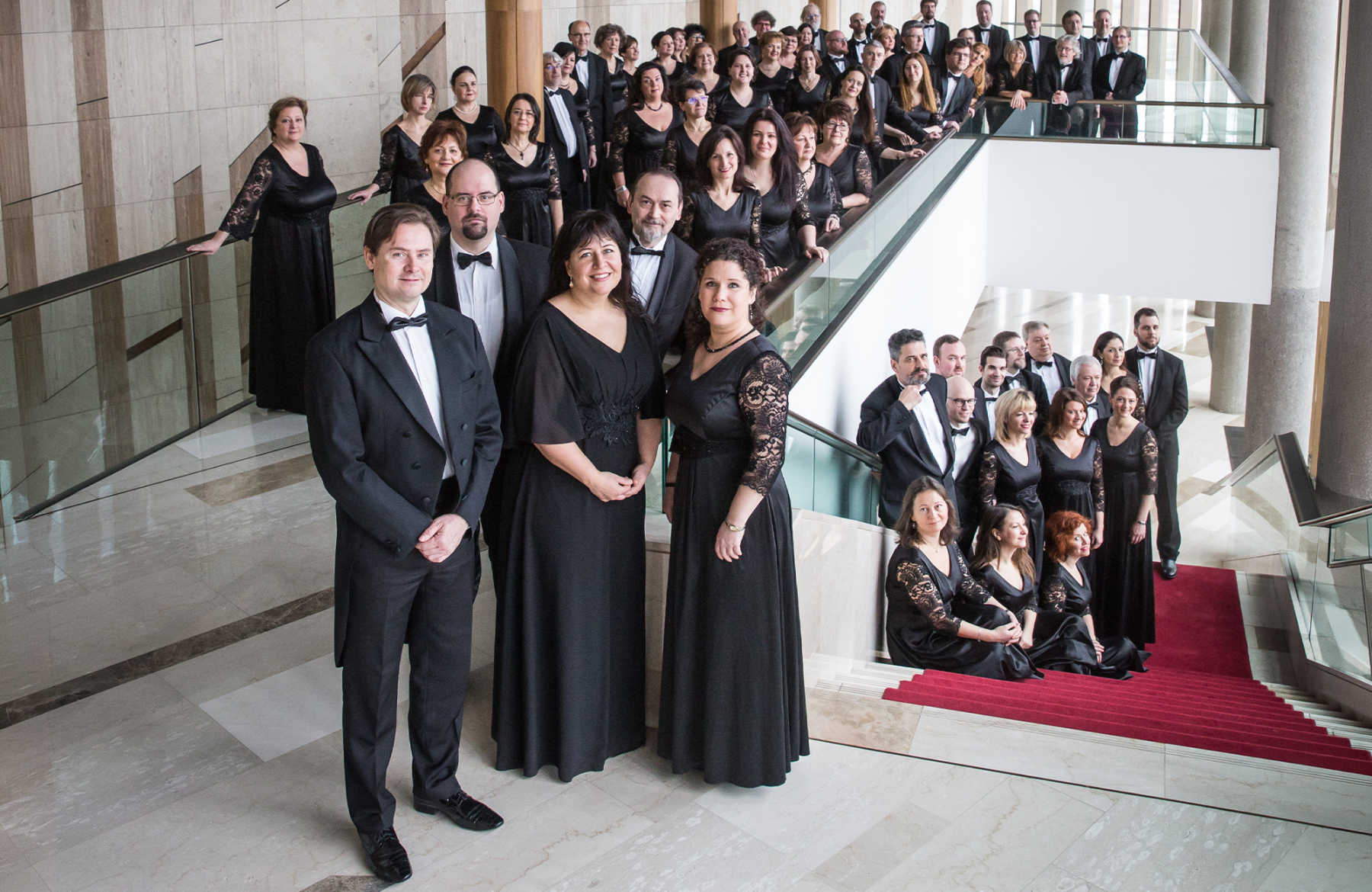
Hungarian National Choir
The Hungarian National Choir, founded in 1985 as the Hungarian State Choir, has as its primary mission the performance of large-scale works for choir and orchestra, including oratorios, while also being equally at home in the a cappella repertoire. Its first choirmaster was Miklós Pászti, while from 1990 to 2016 it was led by Mátyás Antal, during which time the ensemble became one of Hungary’s leading professional choirs. Its current leader is Csaba Somos. When shaping its repertoire, the choir attaches particular importance to the performance of contemporary works. They have given numerous world and Hungarian premieres, including Zoltán Jeney’s Funeral Rite and György Kurtág’s Songs of Despair and Sorrow.
© Szilvia Csibi, Müpa Budapest