

Digital programme booklet
-
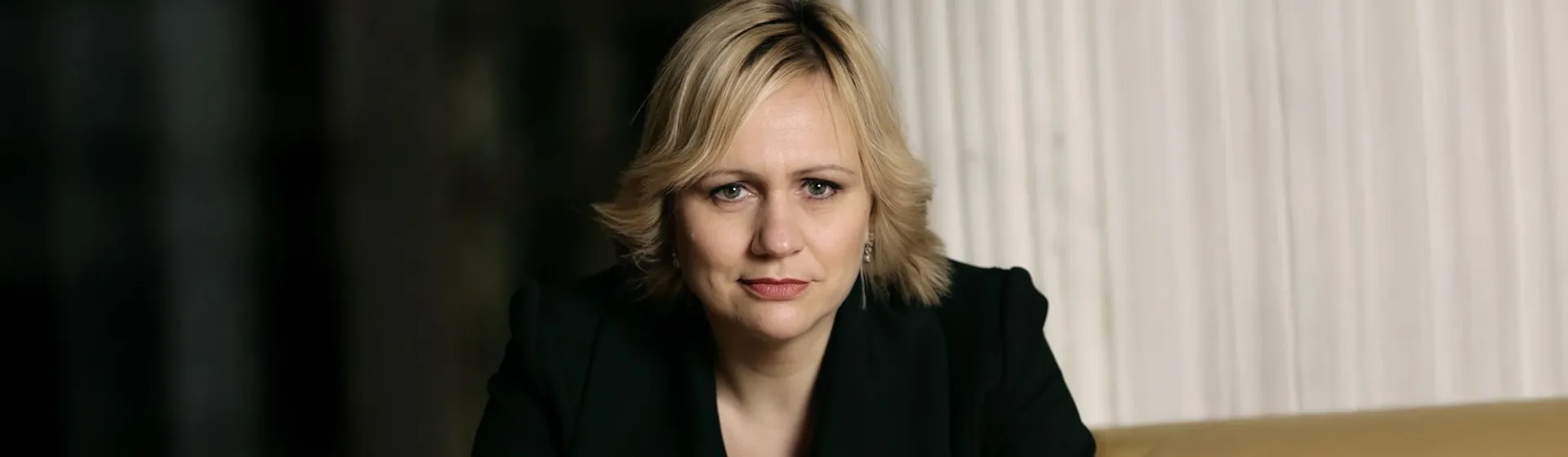
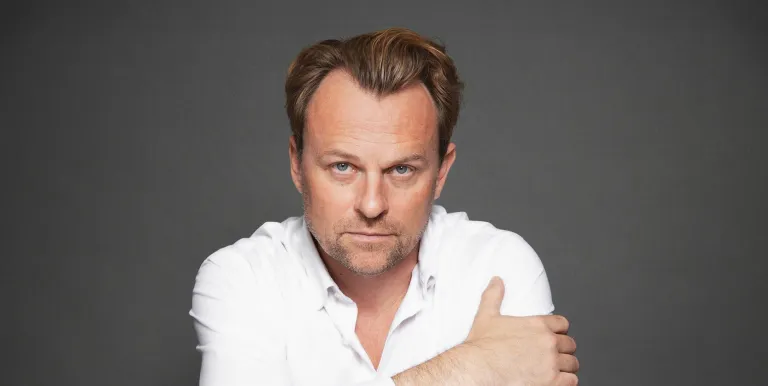
Artistic director and conductor:
Ádám Fischer
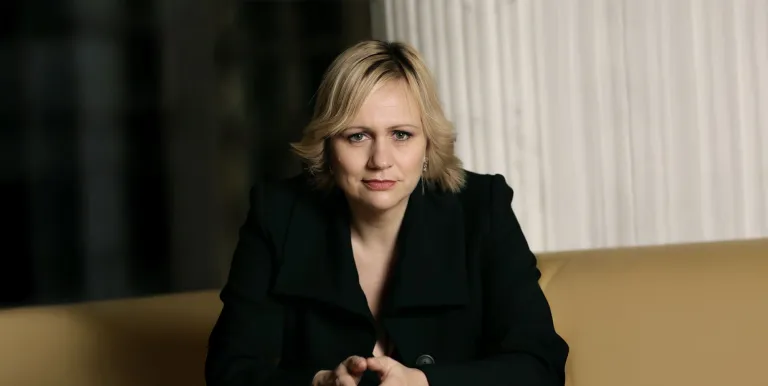
Stage director:
Birgit Kajtna-Wönig
Amfortas: Wolfgang Koch
Titurel: Kurt Rydl
Gurnemanz: Tijl Faveyts
Parsifal: Magnus Vigilius
Klingsor: Jochen Schmeckenbecher (5 June) / Tobias Schabel (30 June)
Kundry: Anja Kampe
First Grail Knight: Balázs Papp
Second Grail Knight: Balázs Bán
First squire: Mira Braunmüller (répétiteur: Nikolett Hajzer)
Second squire: Dániel Tanka (répétiteur: Nikolett Hajzer)
Third squire: Zoltán Megyesi
Fourth squire: Ninh Duc Hoang Long
Flowermaidens: Lilla Horti, Laura Topolánszky (5 June) / Ildikó Megyimórecz (30 June), Klára Vincze, Beatrix Fodor, Andrea Brassói-Jőrös, Zsófia Kálnay
Voice from Above: Zsófia KálnayFeaturing:
Hungarian Radio Symphony Orchestra and Choir (choirmaster: Máté Szabó Sipos)
Hungarian Radio Children’s Choir (choirmaster: Soma Dinyés)
Hungarian National Choir (choirmaster: Csaba Somos) -
The Parsifal theme occupied Richard Wagner (1813–1883) for fully 40 years. His attention was already drawn to the figure of Wolfram von Eschenbach during the creation of Tannhäuser (1845) and Lohengrin (1848), when he became acquainted with his chivalric poems, Titurel and Parzival (1210). The libretto completed in the spring of 1877 uses the name “Parsifal” for the first time, adopting the erroneous etymology of the name from the anonymous Lohengrin epic in Joseph von Görres’s 1813 edition. According to Görres, the name is a transposition of the Persian fal parsi (foolish pure), which Wagner logically translated as the pure fool (der reine Tor).
Wagner’s work reflects Ludwig Feuerbach’s critique of religion and Arthur Schopenhauer’s pessimistic philosophy. According to the latter, the very will to live (“Wille”) itself requires redemption through sexual abstinence and actions motivated by selfless compassion. The most obvious sign of Schopenhauerian pessimism in Parsifal is the fact that the drama’s “solution” is Good Friday, not the Resurrection. The inspirational core of the work was born from the natural surroundings that struck the composer on the shores of Lake Zurich, from which the deeply moving music of the Good Friday Spell emerged.
In his theoretical writing Religion and Art (1880), composed alongside his final work, Wagner acknowledges that while Jesus – the compassionate, long-suffering human – remained close to him throughout his life, he could not come to terms with Christ’s divinity. In his view, institutionalised Christianity bears no small responsibility for the frailty of the world (“Hinfälligkeit der Welt”). However, Wagner saw his own task not in reforming the Church, but in transplanting the deepest essence of the Christian faith into his art.
Although opinions about the work agree that its music is incomparably more valuable than its text, assessments of that music differ: some emphasize its connection to the rest of his oeuvre, while others highlight its separation from it. While György Kroó (1983) writes that “Parsifal, though possessing an unmistakably individual voice and an incomparably intimate atmosphere, allows the full dramatic and musical currents of the entire oeuvre to flow through it,” Martin Gregor-Dellin (1980) observes that “the work’s unique voice suggests an old man’s avant-gardism that a young man’s fiery language could not equal. Here, boldness has assumed the cloak of superior calm. The archaic and the modern: art once again shows its Janus face.”
-
Artistic director and conductor:
Ádám Fischer
Stage director:
Birgit Kajtna-Wönig
Amfortas: Wolfgang Koch
Titurel: Kurt Rydl
Gurnemanz: Tijl Faveyts
Parsifal: Magnus Vigilius
Klingsor: Jochen Schmeckenbecher (5 June) / Tobias Schabel (30 June)
Kundry: Anja Kampe
First Grail Knight: Balázs Papp
Second Grail Knight: Balázs Bán
First squire: Mira Braunmüller (répétiteur: Nikolett Hajzer)
Second squire: Dániel Tanka (répétiteur: Nikolett Hajzer)
Third squire: Zoltán Megyesi
Fourth squire: Ninh Duc Hoang Long
Flowermaidens: Lilla Horti, Laura Topolánszky (5 June) / Ildikó Megyimórecz (30 June), Klára Vincze, Beatrix Fodor, Andrea Brassói-Jőrös, Zsófia Kálnay
Voice from Above: Zsófia KálnayFeaturing:
Hungarian Radio Symphony Orchestra and Choir (choirmaster: Máté Szabó Sipos)
Hungarian Radio Children’s Choir (choirmaster: Soma Dinyés)
Hungarian National Choir (choirmaster: Csaba Somos) -
The Parsifal theme occupied Richard Wagner (1813–1883) for fully 40 years. His attention was already drawn to the figure of Wolfram von Eschenbach during the creation of Tannhäuser (1845) and Lohengrin (1848), when he became acquainted with his chivalric poems, Titurel and Parzival (1210). The libretto completed in the spring of 1877 uses the name “Parsifal” for the first time, adopting the erroneous etymology of the name from the anonymous Lohengrin epic in Joseph von Görres’s 1813 edition. According to Görres, the name is a transposition of the Persian fal parsi (foolish pure), which Wagner logically translated as the pure fool (der reine Tor).
Wagner’s work reflects Ludwig Feuerbach’s critique of religion and Arthur Schopenhauer’s pessimistic philosophy. According to the latter, the very will to live (“Wille”) itself requires redemption through sexual abstinence and actions motivated by selfless compassion. The most obvious sign of Schopenhauerian pessimism in Parsifal is the fact that the drama’s “solution” is Good Friday, not the Resurrection. The inspirational core of the work was born from the natural surroundings that struck the composer on the shores of Lake Zurich, from which the deeply moving music of the Good Friday Spell emerged.
In his theoretical writing Religion and Art (1880), composed alongside his final work, Wagner acknowledges that while Jesus – the compassionate, long-suffering human – remained close to him throughout his life, he could not come to terms with Christ’s divinity. In his view, institutionalised Christianity bears no small responsibility for the frailty of the world (“Hinfälligkeit der Welt”). However, Wagner saw his own task not in reforming the Church, but in transplanting the deepest essence of the Christian faith into his art.
Although opinions about the work agree that its music is incomparably more valuable than its text, assessments of that music differ: some emphasize its connection to the rest of his oeuvre, while others highlight its separation from it. While György Kroó (1983) writes that “Parsifal, though possessing an unmistakably individual voice and an incomparably intimate atmosphere, allows the full dramatic and musical currents of the entire oeuvre to flow through it,” Martin Gregor-Dellin (1980) observes that “the work’s unique voice suggests an old man’s avant-gardism that a young man’s fiery language could not equal. Here, boldness has assumed the cloak of superior calm. The archaic and the modern: art once again shows its Janus face.”