

Digital programme booklet
-
Dvořák
Gypsy Songs, Op. 55
1. Má píseň zas mi láskou zní (My song sounds of love)
2. Aj, kterak trojhranec můj (Hah, how my triangle ringing)
3. A les je tichý kolem kol (The forest is quiet all around)
4. Když mne stará matka (Songs my mother taught me)
5. Struna naladěna (The string is tuned)
6. Široké rukávy (Wide sleeves)
7. Dejte klec jestřábu (Give a hawk a cage)Wagner
Gretchen am Spinnrade (Gretchen at the Spinning Wheel), WWV 15Wagner
Tout n’est qu’images fugitives (All is But Fleeting Images), WWV 58Wagner
Attente (Waiting), WWV 55Berg
Seven Early Songs
1. Nacht (Night)
2. Schilflied (Song amid the reeds)
3. Die Nachtigall (The nightingale)
4. Traumgekrönt (Crowned in dream)
5. Im Zimmer (Indoors)
6. Liebesode (Ode to Love)
7. Sommertage (Summer days)Sibelius
Illalle (To Evening), Op. 17, No. 6Sibelius
Norden (The North), Op. 90, No. 1Sibelius
En slända (A Dragonfly), Op. 17, No. 5Sibelius
Soluppgång (Sunrise), Op. 37, No. 3Sibelius
Höstkväll (Autumn Evening), Op. 38, No. 1R. Strauss
Lob des Leidens (In Praise of Suffering), Op. 15, No. 3R. Strauss
Die Nacht (The Night), Op. 10, No. 3R. Strauss
Die Georgine (The Dahlia), Op. 10, No. 4R. Strauss
Allerseelen (All Soul’s Day), Op. 10, No. 8R. Strauss
Wer hat’s getan (Who Did It?), Op. 84AR. Strauss
Wie sollten wir geheim sie halten (How Could We Keep it Secret?), Op. 19, No. 4Featuring:
Camilla Nylund – soprano
Helmut Deutsch – piano -
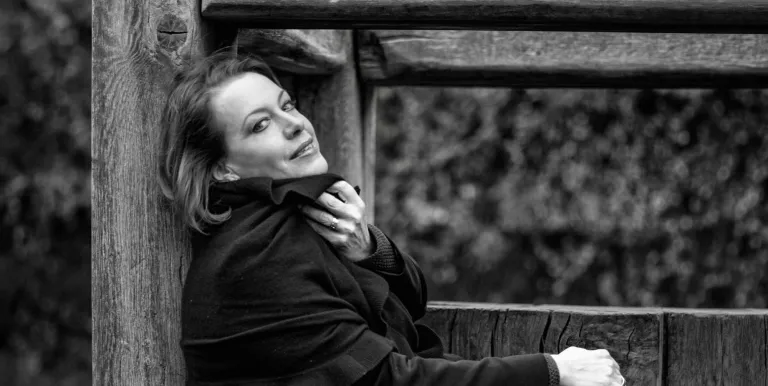
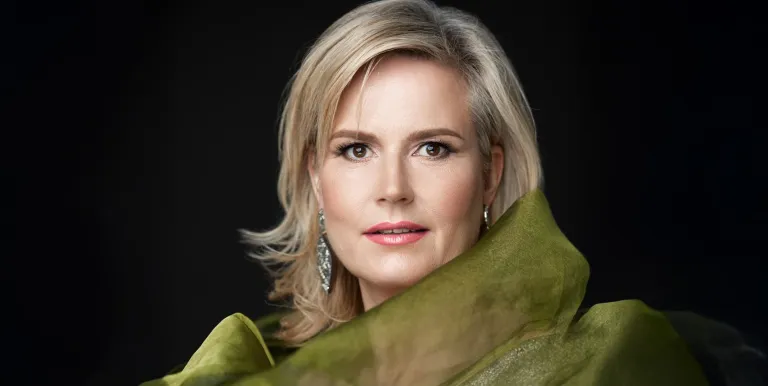
The internationally acclaimed Finnish soprano, Camilla Nylund appears at leading opera houses and festivals worldwide, with a repertoire spanning from Italian roles such as Tosca and Turandot to Wagner and Richard Strauss, her major dramatic parts including Isolde and Brünnhilde. She also performs regularly in concert and recital, and has collaborated with leading conductors. She has been the recipient of the Lotte Lehmann Memorial Ring, and holds the honorary titles of Austrian and Saxon Kammersängerin. While the Müpa Budapest audience might have first encountered her as Elsa in 2011’s Lohengrin, we also got to hear her perform in a song recital in 2018, then, as now, alongside Helmut Deutsch. The renowned Austrian pianist and teacher has remained one of the world’s most sought-after accompanists for many decades; during his long career, he has worked with such outstanding singers as Hermann Prey, Irmgard Seefried, Ileana Cotrubas, Grace Bumbry, Barbara Bonney, Angelika Kirchschlager, Olaf Bär, Bo Skovhus, Michael Volle, Matthias Goerne and Bernd Weikl. His several previous visits to Müpa Budapest include a joint song recital by Diana Damrau and Jonas Kaufmann.
Camilla Nylund and Helmuth Deutsch can also be heard together on this recording:
Tonight’s concert programme features 28 sensitively selected songs from the Czech, German, Austrian and Finnish repertoires of the 19th century and the fin-de-siècle period. In this context, the three compositions by Richard Wagner (1813–1883) primarily serve as curiosities, in part revealing how the future author of music dramas approached composition in the years before his mature period, and also to show Wagner’s musical language inside the framework of what was for him an ‘atypical’ genre, the lied. Of particular interest in this selection is Wagner’s version of Gretchen am Spinnrade, which Schubert had already set to music 17 years earlier. Representing the second wave of Romanticism, Antonín Dvořák (1841–1904) sneaks some Slavic folk flavours into the programme with the sounds of Gypsy Songs (1880), while listening to Alban Berg’s (1885–1935) Seven Songs, written between 1905 and 1908, we can marvel at the complexity of the composer’s maturing style, one that embraced many different influences. The five songs by Finland’s Jean Sibelius (1865–1957), whose unique “voice” masterfully bridged late Romanticism and early Modernism, capture the light and communicativeness of Nordic music, while the compositions by Richard Strauss (1864–1949), the last German Romantic, are dominated primarily by their sense of passion and emotional and sensual intensity.
-
Dvořák
Gypsy Songs, Op. 55
1. Má píseň zas mi láskou zní (My song sounds of love)
2. Aj, kterak trojhranec můj (Hah, how my triangle ringing)
3. A les je tichý kolem kol (The forest is quiet all around)
4. Když mne stará matka (Songs my mother taught me)
5. Struna naladěna (The string is tuned)
6. Široké rukávy (Wide sleeves)
7. Dejte klec jestřábu (Give a hawk a cage)Wagner
Gretchen am Spinnrade (Gretchen at the Spinning Wheel), WWV 15Wagner
Tout n’est qu’images fugitives (All is But Fleeting Images), WWV 58Wagner
Attente (Waiting), WWV 55Berg
Seven Early Songs
1. Nacht (Night)
2. Schilflied (Song amid the reeds)
3. Die Nachtigall (The nightingale)
4. Traumgekrönt (Crowned in dream)
5. Im Zimmer (Indoors)
6. Liebesode (Ode to Love)
7. Sommertage (Summer days)Sibelius
Illalle (To Evening), Op. 17, No. 6Sibelius
Norden (The North), Op. 90, No. 1Sibelius
En slända (A Dragonfly), Op. 17, No. 5Sibelius
Soluppgång (Sunrise), Op. 37, No. 3Sibelius
Höstkväll (Autumn Evening), Op. 38, No. 1R. Strauss
Lob des Leidens (In Praise of Suffering), Op. 15, No. 3R. Strauss
Die Nacht (The Night), Op. 10, No. 3R. Strauss
Die Georgine (The Dahlia), Op. 10, No. 4R. Strauss
Allerseelen (All Soul’s Day), Op. 10, No. 8R. Strauss
Wer hat’s getan (Who Did It?), Op. 84AR. Strauss
Wie sollten wir geheim sie halten (How Could We Keep it Secret?), Op. 19, No. 4Featuring:
Camilla Nylund – soprano
Helmut Deutsch – piano -
The internationally acclaimed Finnish soprano, Camilla Nylund appears at leading opera houses and festivals worldwide, with a repertoire spanning from Italian roles such as Tosca and Turandot to Wagner and Richard Strauss, her major dramatic parts including Isolde and Brünnhilde. She also performs regularly in concert and recital, and has collaborated with leading conductors. She has been the recipient of the Lotte Lehmann Memorial Ring, and holds the honorary titles of Austrian and Saxon Kammersängerin. While the Müpa Budapest audience might have first encountered her as Elsa in 2011’s Lohengrin, we also got to hear her perform in a song recital in 2018, then, as now, alongside Helmut Deutsch. The renowned Austrian pianist and teacher has remained one of the world’s most sought-after accompanists for many decades; during his long career, he has worked with such outstanding singers as Hermann Prey, Irmgard Seefried, Ileana Cotrubas, Grace Bumbry, Barbara Bonney, Angelika Kirchschlager, Olaf Bär, Bo Skovhus, Michael Volle, Matthias Goerne and Bernd Weikl. His several previous visits to Müpa Budapest include a joint song recital by Diana Damrau and Jonas Kaufmann.
Camilla Nylund and Helmuth Deutsch can also be heard together on this recording:
Tonight’s concert programme features 28 sensitively selected songs from the Czech, German, Austrian and Finnish repertoires of the 19th century and the fin-de-siècle period. In this context, the three compositions by Richard Wagner (1813–1883) primarily serve as curiosities, in part revealing how the future author of music dramas approached composition in the years before his mature period, and also to show Wagner’s musical language inside the framework of what was for him an ‘atypical’ genre, the lied. Of particular interest in this selection is Wagner’s version of Gretchen am Spinnrade, which Schubert had already set to music 17 years earlier. Representing the second wave of Romanticism, Antonín Dvořák (1841–1904) sneaks some Slavic folk flavours into the programme with the sounds of Gypsy Songs (1880), while listening to Alban Berg’s (1885–1935) Seven Songs, written between 1905 and 1908, we can marvel at the complexity of the composer’s maturing style, one that embraced many different influences. The five songs by Finland’s Jean Sibelius (1865–1957), whose unique “voice” masterfully bridged late Romanticism and early Modernism, capture the light and communicativeness of Nordic music, while the compositions by Richard Strauss (1864–1949), the last German Romantic, are dominated primarily by their sense of passion and emotional and sensual intensity.