


Digital programme booklet
-
Kálmán
Countess Maritza – PreludeKálmán
Countess Maritza – “Wenn es Abend wird” (“Grüß mir mein Wien”) / “When the evening comes” (“Greet my Vienna”)Lehár
Gypsy Love – “Hör’ ich Cymbalklänge” / “I hear the sound of cymbals”Lehár
The Tzarevich – „Allein, wieder allein!“ (Wolgalied) / "Alone, alone again!" (The Volga Song)Kálmán
The Devil’s Rider – “So verliebt kann ein Ungar nur sein” (“Tief wie der Bergsee”) / “Only a Hungarian can be so much in love” (“As deep as a mountain lake”)J. Strauss II
The Gypsy Baron – MarchKálmán
Countess Maritza – “Komm mit nach Varasdin!” / “Let’s go to Varasdin!”Kálmán
Countess Maritza – “Komm, Zigan!” / “Play, Gypsy!”Erkel
Bánk bán – “Hazám, hazám” (Bánk’s aria, Act 2) / “My homeland, my homeland”Lehár
The Land of Smiles – PreludeLehár
The Land of Smiles – “Immer nur lächeln” / Sou Chong’s entry ariaLehár
The Land of Smiles – “Wer hat die Liebe uns ins Herz gesenkt” / Heart DuetLehár
Friederike – “O, Mädchen, mein Mädchen” / “Oh, girl, my girl”Goldmark
The Queen of Sheba – Night Piece and Festal MusicGoldmark
The Queen of Sheba – “Magische Töne, berauschender Duft” / “Magical sounds, intoxicating scent”Kálmán
The Gypsy Princess – “Heia, in den Bergen ist mein Heimatland” / Sylva’s entry ariaKálmán
The Gypsy Princess – “Tanzen möcht’ ich… Tausend kleine Engel singen” / “I want to dance... A thousand little angels sing”
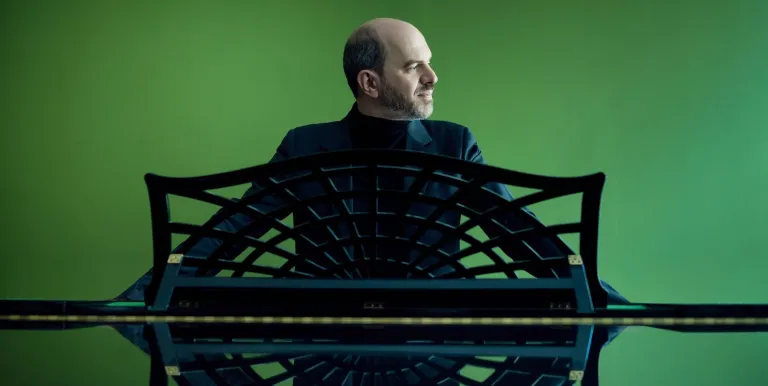
Featuring:Jonas Kaufmann – tenor
Malin Byström – soprano
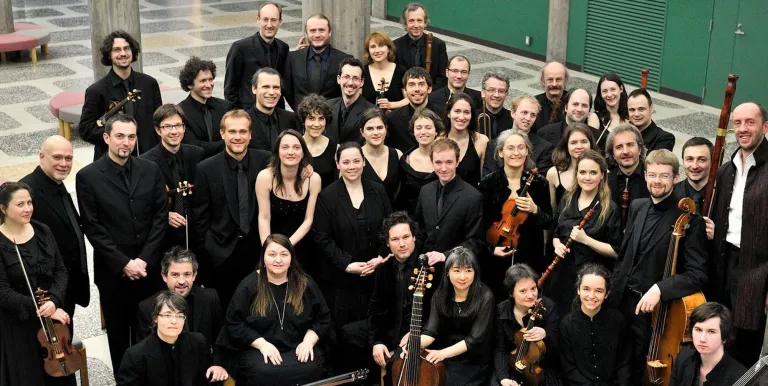
Baden-Baden Philharmonic OrchestraConductor:
Jochen Rieder
-
Jonas Kaufmann will take to the stage of Müpa Budapest with a selection of his favourite operetta and opera hits from his latest album (Magische Töne), which features nothing but Hungarian or Hungarian-themed material. On this evening, the audience in the Béla Bartók National Concert Hall will welcome the world-renowned tenor in the company of the excellent Swedish soprano Malin Byström, who is making her debut here, the conductor Jochen Rieder – already well known to us from his work with the German star tenor – and the Baden-Baden Philharmonic Orchestra with its impressive traditions.
The backbone of the programme – built around operetta, the genre especially dear to Jonas Kaufmann’s heart since his childhood and teenage years – is provided by hits from the two most popular operetta composers born in Hungary, Ferenc (Franz) Lehár and Imre (Emmerich) Kálmán. The concert will bring to life some of the most emblematic pieces in the genre, such as Die Csárdásfürstin (The Gypsy Princess), Gräfin Mariza (Countess Maritza) and Das Land des Lächelns (The Land of Smiles).
Dein is mein ganzes Herz – You are my heart’s delight:
For these two masters of operetta’s silver age, the Austro-Hungarian Monarchy was both a natural and vital environment and, even in its passing, a source of inspiration and nostalgic memory. This enduring influence can still be vividly heard in their works to this day. Exuberant humour and sincere sentimentality, buffoonery and love blend together in the numbers on the programme with the same natural ease as the splendid variety of musical colour associated with the peoples of Central Europe and the era’s fashionable, ever-changing dance forms and varied rhythmic patterns – from the waltz through the foxtrot to the tango.
Alongside Kálmán, Lehár and – for a single number – the King of the Waltz, Johann Strauss the younger, who is celebrated in the rousing entrance march from Der Zigeunerbaron (The Gypsy Baron), two further composers whose works are of a more serious and even elevated tone will also delight the audience this evening. Ferenc Erkel and Károly (Karl) Goldmark are represented by the most famous tenor arias from their best-known operas, Bánk bán and Die Königin von Saba (The Queen of Sheba): the stirring “Hazám, hazám” (“My homeland, my homeland”), which never fails to quicken the hearts of Hungarian audiences, and “Magische Töne”, an aria recorded by countless legendary opera singers past and present.
-
Kálmán
Countess Maritza – PreludeKálmán
Countess Maritza – “Wenn es Abend wird” (“Grüß mir mein Wien”) / “When the evening comes” (“Greet my Vienna”)Lehár
Gypsy Love – “Hör’ ich Cymbalklänge” / “I hear the sound of cymbals”Lehár
The Tzarevich – „Allein, wieder allein!“ (Wolgalied) / "Alone, alone again!" (The Volga Song)Kálmán
The Devil’s Rider – “So verliebt kann ein Ungar nur sein” (“Tief wie der Bergsee”) / “Only a Hungarian can be so much in love” (“As deep as a mountain lake”)J. Strauss II
The Gypsy Baron – MarchKálmán
Countess Maritza – “Komm mit nach Varasdin!” / “Let’s go to Varasdin!”Kálmán
Countess Maritza – “Komm, Zigan!” / “Play, Gypsy!”Erkel
Bánk bán – “Hazám, hazám” (Bánk’s aria, Act 2) / “My homeland, my homeland”Lehár
The Land of Smiles – PreludeLehár
The Land of Smiles – “Immer nur lächeln” / Sou Chong’s entry ariaLehár
The Land of Smiles – “Wer hat die Liebe uns ins Herz gesenkt” / Heart DuetLehár
Friederike – “O, Mädchen, mein Mädchen” / “Oh, girl, my girl”Goldmark
The Queen of Sheba – Night Piece and Festal MusicGoldmark
The Queen of Sheba – “Magische Töne, berauschender Duft” / “Magical sounds, intoxicating scent”Kálmán
The Gypsy Princess – “Heia, in den Bergen ist mein Heimatland” / Sylva’s entry ariaKálmán
The Gypsy Princess – “Tanzen möcht’ ich… Tausend kleine Engel singen” / “I want to dance... A thousand little angels sing”
Featuring:Jonas Kaufmann – tenor
Malin Byström – soprano
Baden-Baden Philharmonic OrchestraConductor:
Jochen Rieder
-
Jonas Kaufmann will take to the stage of Müpa Budapest with a selection of his favourite operetta and opera hits from his latest album (Magische Töne), which features nothing but Hungarian or Hungarian-themed material. On this evening, the audience in the Béla Bartók National Concert Hall will welcome the world-renowned tenor in the company of the excellent Swedish soprano Malin Byström, who is making her debut here, the conductor Jochen Rieder – already well known to us from his work with the German star tenor – and the Baden-Baden Philharmonic Orchestra with its impressive traditions.
The backbone of the programme – built around operetta, the genre especially dear to Jonas Kaufmann’s heart since his childhood and teenage years – is provided by hits from the two most popular operetta composers born in Hungary, Ferenc (Franz) Lehár and Imre (Emmerich) Kálmán. The concert will bring to life some of the most emblematic pieces in the genre, such as Die Csárdásfürstin (The Gypsy Princess), Gräfin Mariza (Countess Maritza) and Das Land des Lächelns (The Land of Smiles).
Dein is mein ganzes Herz – You are my heart’s delight:
For these two masters of operetta’s silver age, the Austro-Hungarian Monarchy was both a natural and vital environment and, even in its passing, a source of inspiration and nostalgic memory. This enduring influence can still be vividly heard in their works to this day. Exuberant humour and sincere sentimentality, buffoonery and love blend together in the numbers on the programme with the same natural ease as the splendid variety of musical colour associated with the peoples of Central Europe and the era’s fashionable, ever-changing dance forms and varied rhythmic patterns – from the waltz through the foxtrot to the tango.
Alongside Kálmán, Lehár and – for a single number – the King of the Waltz, Johann Strauss the younger, who is celebrated in the rousing entrance march from Der Zigeunerbaron (The Gypsy Baron), two further composers whose works are of a more serious and even elevated tone will also delight the audience this evening. Ferenc Erkel and Károly (Karl) Goldmark are represented by the most famous tenor arias from their best-known operas, Bánk bán and Die Königin von Saba (The Queen of Sheba): the stirring “Hazám, hazám” (“My homeland, my homeland”), which never fails to quicken the hearts of Hungarian audiences, and “Magische Töne”, an aria recorded by countless legendary opera singers past and present.