
Digital programme booklet
-
Liszt–Dupré
Ad nos ad salutarem undam (transcription for organ and orchestra)
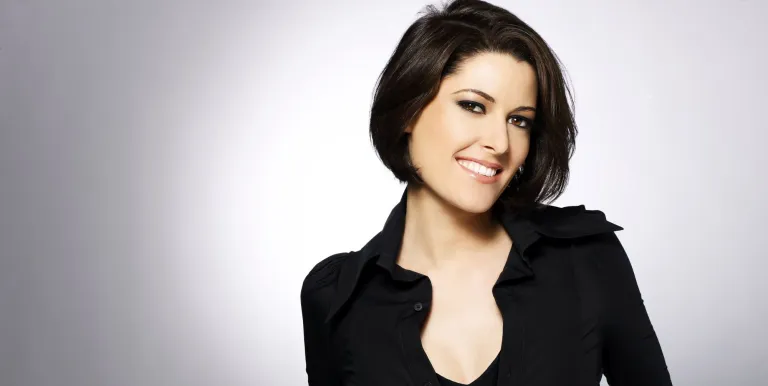
Judit Varga
Endless Fall Through Purple Sky — Horizon Devours Time – world premiere
Conductor:
Antanina KalechytsFeaturing:
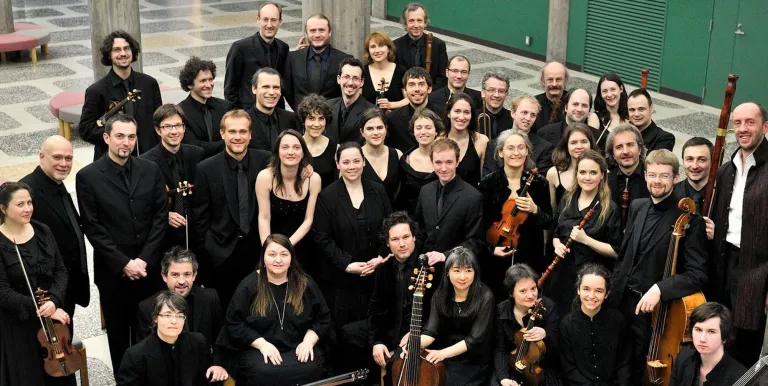
organ Alexis GrizardDanubia Orchestra -
An instrument that unites music and architecture
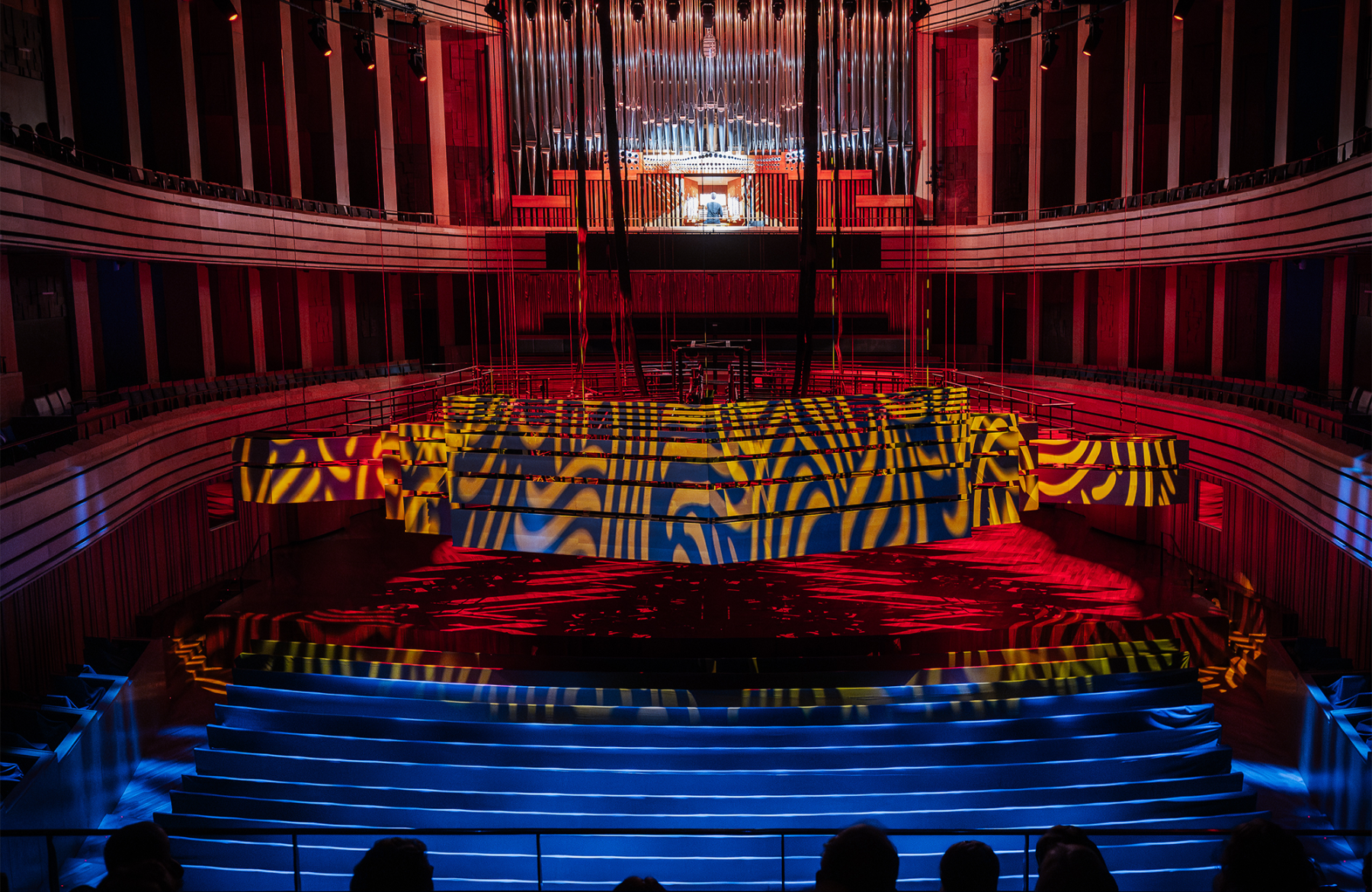
A building within a building that can make sweet music. An instrument organically integrated into the Müpa Budapest concert hall, the two are intrinsically linked. By accommodating a chamber the size of a five-storey residential building, the designers of the organ were able to incorporate 6,804 pipes, while the organists playing the instrument can harness these inert components to create a soaring musical vitality. The infinite number of possible sounds inspires continuous discovery, while the console is a genuine musical playground that makes endless experimentation possible. With the help of a creative imagination, matter can be transformed into something every listener can engage with in keeping with their own individual personality.
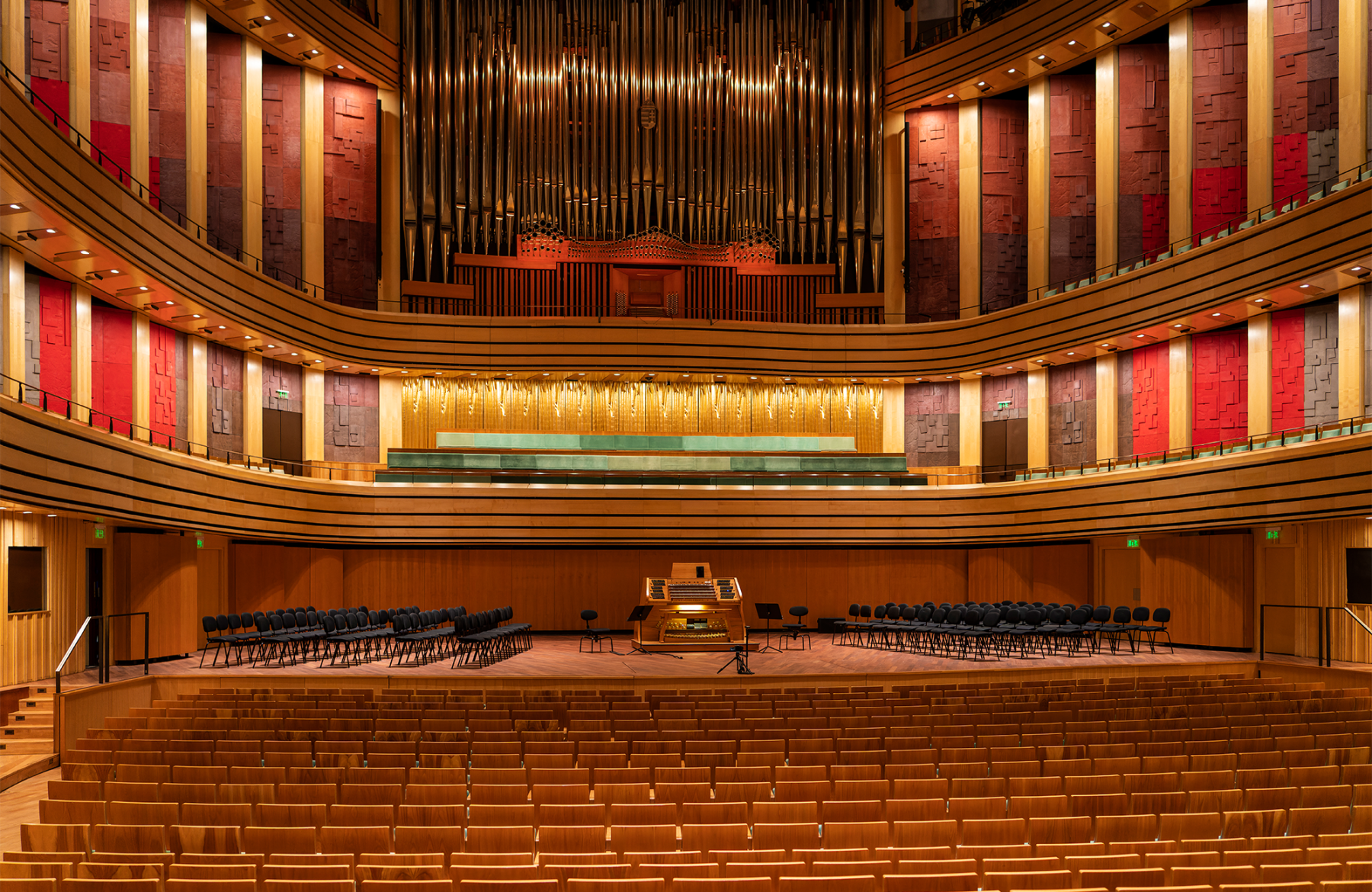
© János Posztós, Müpa
An instrument that builds a bridge between past and present
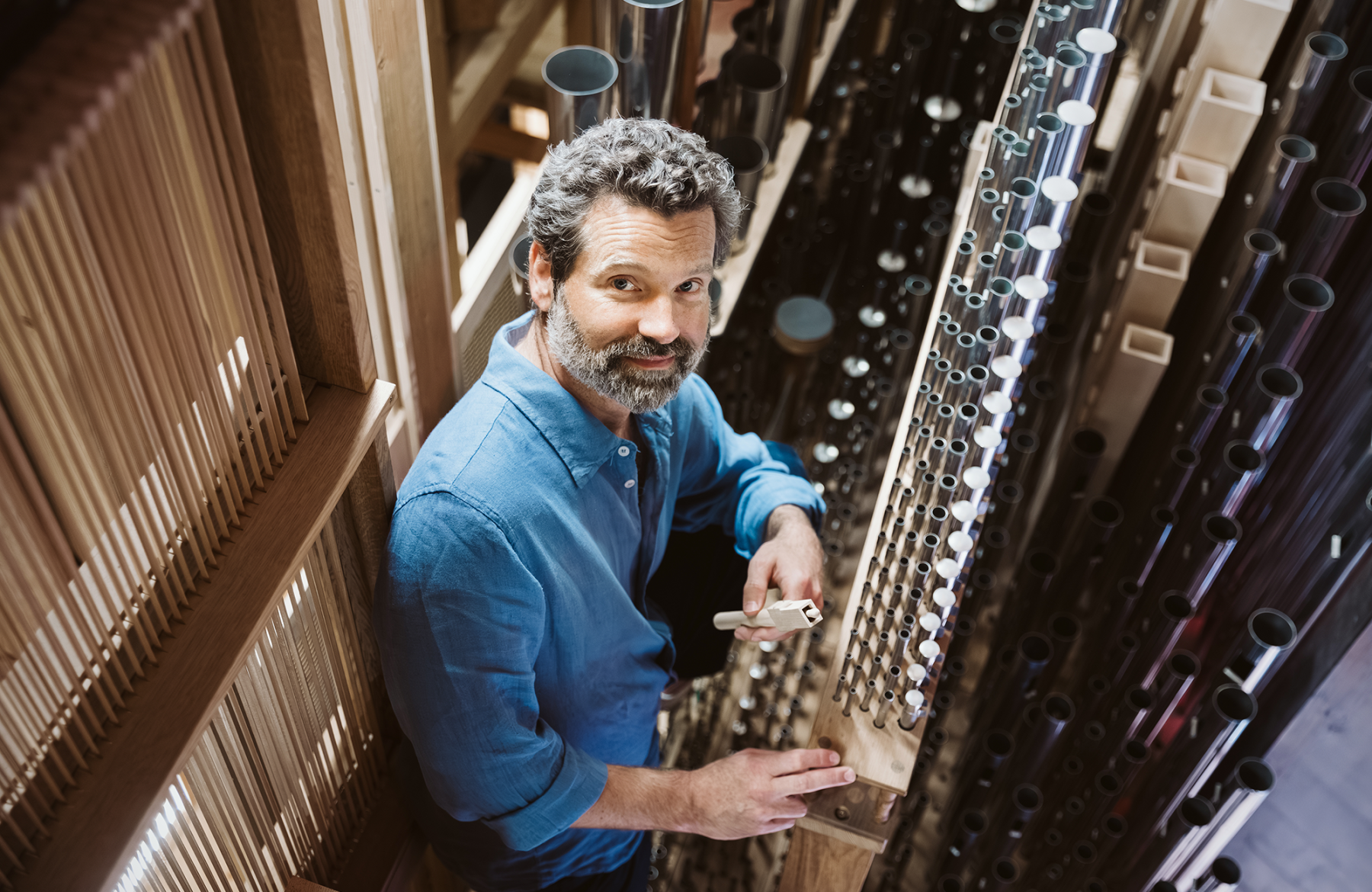
The organ’s origins date back to the 3rd century BC, when Ctesibius, working in Alexandria, built the first organ. This was essentially a mechanised version of pan pipes: air was produced by bellows and stored at even pressure in a reservoir, from which it was directed into the pipes by means of various valves. This basic principle has remained unchanged to this day (every organ consists of three main parts: the wind supply – which provides the air needed for sound production; the pipes – which create the sound; and the action – the mechanism that controls when air flows into which pipe). Only the realisation has changed: each era has added something according to the technological possibilities of the time. The Müpa Budapest organ is therefore the fruit of an innovative process that began more than two thousand years ago.
© Attila Nagy, Müpa
An instrument that connects people
The organ has moved from the closed and mysterious world of church galleries to become the jewel in the crown of any concert hall, thereby expanding the horizons of the musical and social interactions that revolve around it. The Müpa organ brings together creative artists from many different genres – classical music, folk music, world music, jazz, pop, improvisation, film, dance, visual arts and theatre – all of whom have performed with the instrument over the past 20 years.
It connects audiences who have come into contact with this extraordinary instrument: in the auditorium, on the balcony, during Organ Expeditions on stage, and even inside the instrument itself.
It connects us all, because it reminds us of what we share: within each of us lives a child who is innovative, creative and loves to play.
© Attila Nagy, Müpa
-
Liszt–Dupré
Ad nos ad salutarem undam (transcription for organ and orchestra)
Judit Varga
Endless Fall Through Purple Sky — Horizon Devours Time – world premiere
Conductor:
Antanina KalechytsFeaturing:
organ Alexis GrizardDanubia Orchestra -
An instrument that unites music and architecture
A building within a building that can make sweet music. An instrument organically integrated into the Müpa Budapest concert hall, the two are intrinsically linked. By accommodating a chamber the size of a five-storey residential building, the designers of the organ were able to incorporate 6,804 pipes, while the organists playing the instrument can harness these inert components to create a soaring musical vitality. The infinite number of possible sounds inspires continuous discovery, while the console is a genuine musical playground that makes endless experimentation possible. With the help of a creative imagination, matter can be transformed into something every listener can engage with in keeping with their own individual personality.
© János Posztós, Müpa
An instrument that builds a bridge between past and present
The organ’s origins date back to the 3rd century BC, when Ctesibius, working in Alexandria, built the first organ. This was essentially a mechanised version of pan pipes: air was produced by bellows and stored at even pressure in a reservoir, from which it was directed into the pipes by means of various valves. This basic principle has remained unchanged to this day (every organ consists of three main parts: the wind supply – which provides the air needed for sound production; the pipes – which create the sound; and the action – the mechanism that controls when air flows into which pipe). Only the realisation has changed: each era has added something according to the technological possibilities of the time. The Müpa Budapest organ is therefore the fruit of an innovative process that began more than two thousand years ago.
© Attila Nagy, Müpa
An instrument that connects people
The organ has moved from the closed and mysterious world of church galleries to become the jewel in the crown of any concert hall, thereby expanding the horizons of the musical and social interactions that revolve around it. The Müpa organ brings together creative artists from many different genres – classical music, folk music, world music, jazz, pop, improvisation, film, dance, visual arts and theatre – all of whom have performed with the instrument over the past 20 years.
It connects audiences who have come into contact with this extraordinary instrument: in the auditorium, on the balcony, during Organ Expeditions on stage, and even inside the instrument itself.
It connects us all, because it reminds us of what we share: within each of us lives a child who is innovative, creative and loves to play.
© Attila Nagy, Müpa