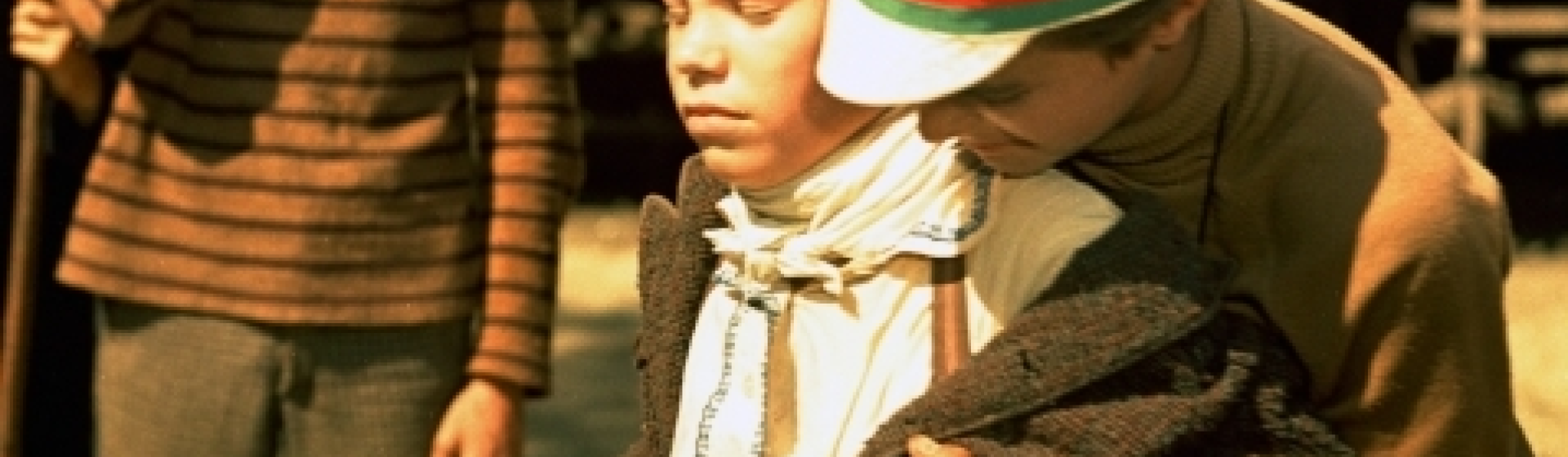
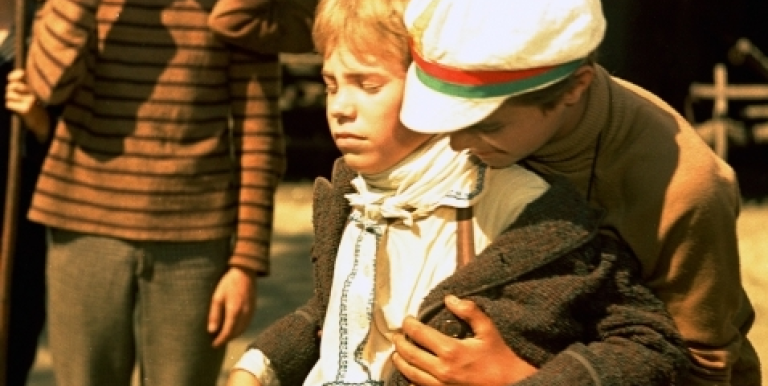
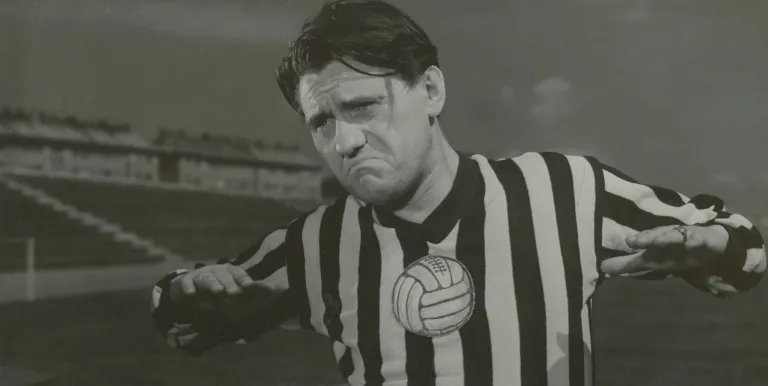
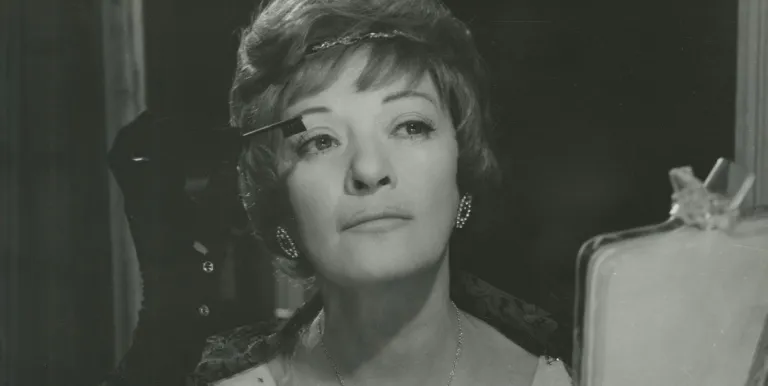
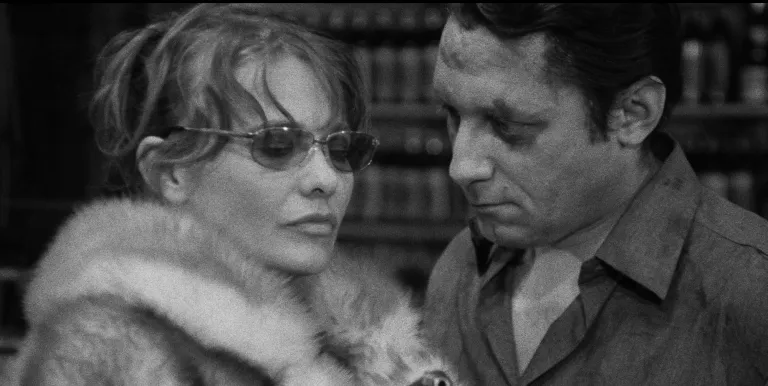
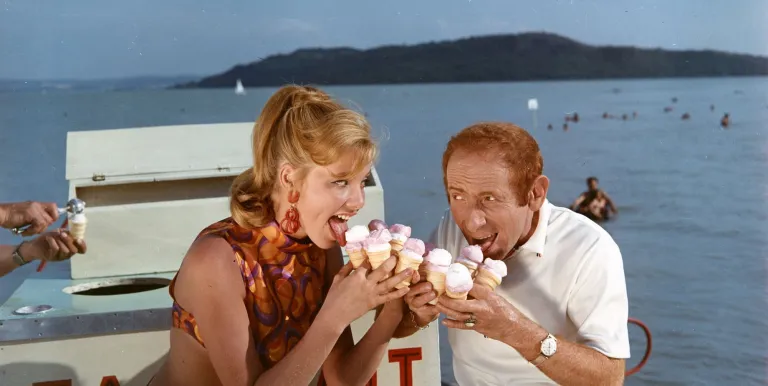

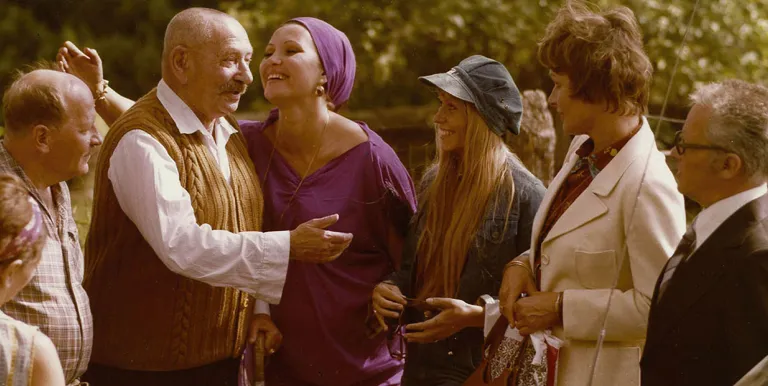
Through the cooperation of the Palace of Arts and the Hungarian National Digital Archive and Film Institute (MaNDA), this new series will present the finest works of legendary Hungarian film directors. The first half of the year sees digital screenings of a selection of ten films from the life’s oeuvre of Zoltán Fábri. Although the three-time Kossuth Prize-winner Zoltán Fábri occupied pride of place in the display case of Socialist cultural policy, his work as a film director (1952-1983) was defined by the banning of his screenplays, so that he conveyed his humanist message about the world, dictatorship and human relationships in a series of literary adaptations that reached an audience of millions. Although he was essentially not an innovator in terms of the language of film, few directors would have as many powerful sequences in a hypothetical reel of the great symbolic moments in modern Hungarian film – from the dramatic merry-go-round scene in Körhinta (1955) to the vacant building site in A Pál utcai fiúk (1968), and from the expressive stadium in Hannibál tanár úr (1956) to Zoltán Latinovits’s major absurdly packing boxes in Isten hozta, őrnagy úr (1969). In 1967, Fábri was beyond the mixed reception given to Utószezon (Late Season), his film based on György Rónay’s novel Esti gyors (Evening Express), which caused a stir not only with its taboo-upsetting Holocaust subject matter, but also with its eclectic form and parade of exaggerated modernist elements. Having also passed over a politically sticky and aborted screenplay based on a novella by Mihály Sükösd (Egymás mellett, akár a fókák), he was offered the opportunity by the American producer Endre Bohém to film The Boys of Paul Street with English child actors. Bohém, who held filming rights for the works of Ferenc Molnár, had some idiosyncratic ideas: Fábri needed to fight to allow Ernő Nemecsek to die at the end of the film to prevent it turning into some kind of Hungarian Robin Hood story. Although the parents root American-style as their children defend the vacant lot from the balconies of neighbouring houses, everyone still mourns the death of its saviour just as in the novel, thanks to the wonderful performance of Anthony Kemp, who would later play in the Prince and the Pauper. There are scarcely any Hungarian child actors in the film, except for Miklós Jancsó Jnr, who would go on to become a cinematographer, in the role of the younger Pásztor. The Fábri shoot, which enjoyed legendary status at the time in the film industry, allowed for a lot of experimentation: cinematographer György Illés had the chance, when filming the gathering of the Red Shirts in the arboretum at Vácrátót, to find out how the “American night” could be shot in the daytime. Remaining faithful to the novel, Fábri’s heartfelt film was a worldwide success and was nominated for an Oscar in 1969. Presented by: Palace of Arts
Presented by:
-
Parking is free of charge for visitors with tickets to any of our paid performances on the day of the performance. Upon entering the car park, you can either scan the barcode or QR code on your concert ticket, or take a parking ticket and validate it together with your concert ticket at one of the payment machines. Either option will enable you to exit through the gates operated by the number plate recognition system. We recommend that you plan to arrive at Müpa in good time, so that you can find the ideal parking spot quickly and without difficulty and arrive at your performance comfortably. The detailed parking policy of Müpa Budapest is available here.