Digital programme booklet
-
Olli Mustonen
Nonetto II
1. Inquieto
2. Allegro impetuoso
3. Adagio
4. VivacissimoHaydn
Symphony No. 93 in D major, Hob I:93
I. Adagio – Allegro assai
II. Largo cantabile
III. Menuetto. Allegro
IV. Finale. Presto ma non troppoBeethoven
Piano Concerto No. 5 in E-flat major, Op. 73
I. Allegro
II. Adagio un poco mosso
III. Rondo. Allegro ma non troppoFeaturing:
Víkingur Ólafsson – piano
Franz Liszt Chamber Orchestra (concertmaster: Péter Tfirst)Conductor:
István Várdai
-
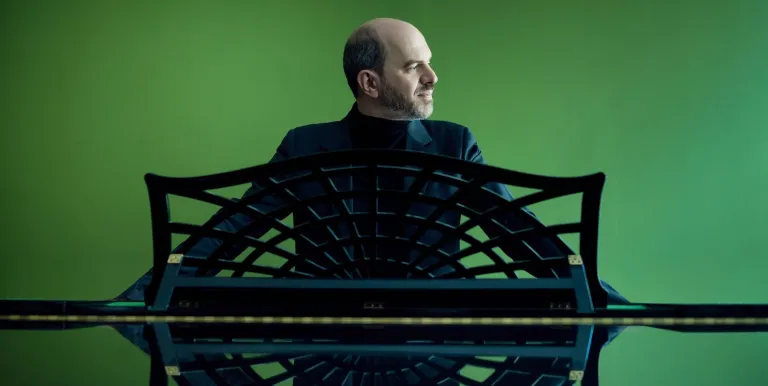
The internationally renowned Icelandic pianist Víkingur Ólafsson (b. 1984) has become one of the most celebrated instrumentalists in the world. A critic from the New York Times referred to him as “Iceland’s Glenn Gould” and he is a regular guest at the world’s top concert halls and festivals, while his partners include the foremost orchestras and the finest conductors.
15 Questions for Víkingur Ólafsson:
His rich repertoire embraces works by Bach, Mozart and Beethoven, as well as the music of Schubert, Brahms and Debussy. He also performs a great deal of contemporary music ranging from Philip Glass to John Adams, and is a devoted interpreter of the compositions of György Kurtág. He is appearing at Müpa Budapest several times in 2025/2026 as the venue’s Artist of the Season.
© Szilvia Csibi / Müpa
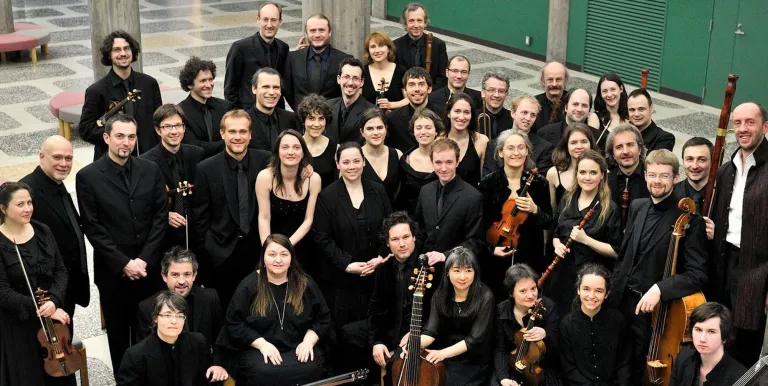
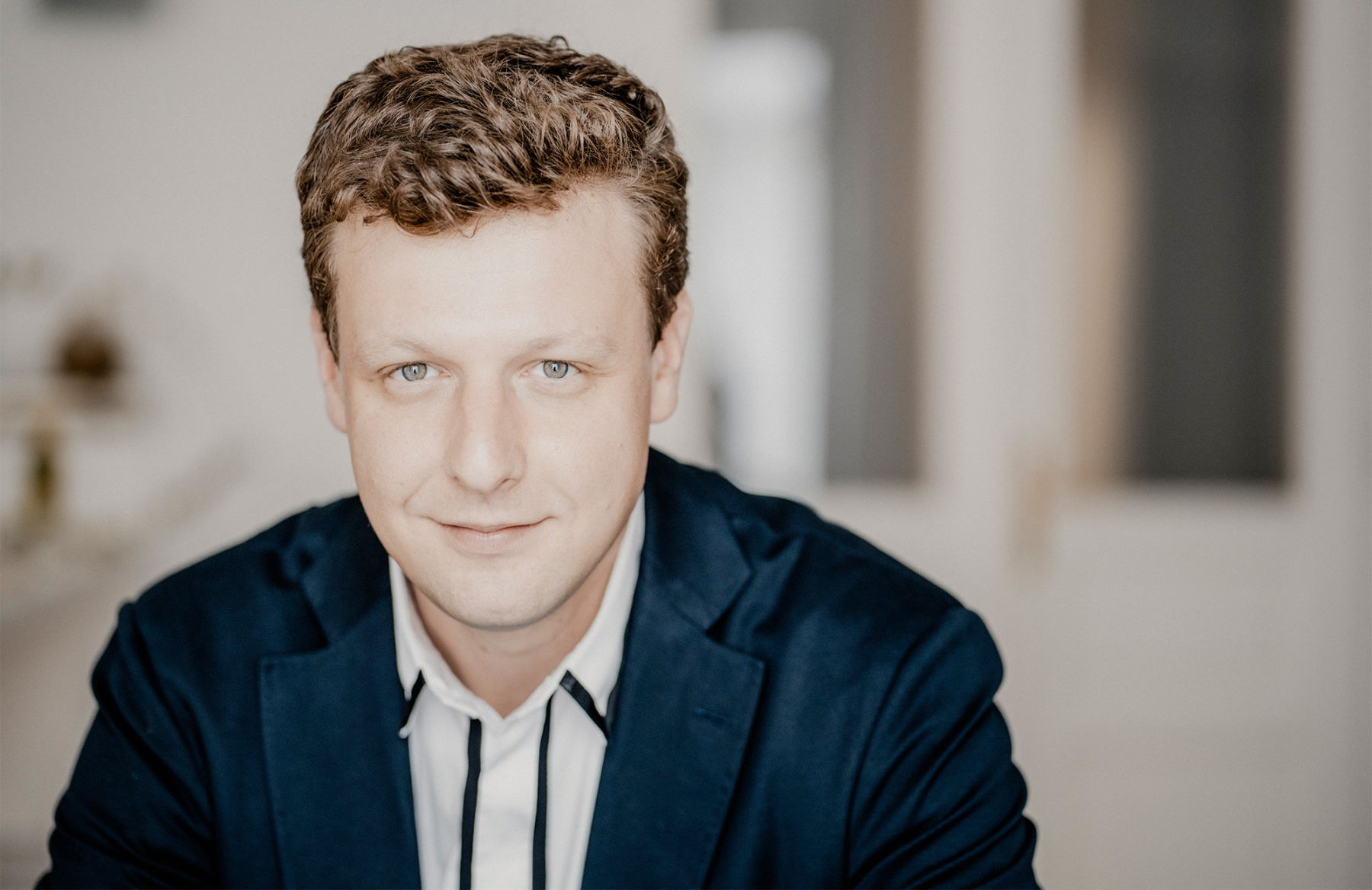
The Franz Liszt Chamber Orchestra was founded in 1963 by string students at the Liszt Academy in Budapest. The ensemble first worked under the direction of Frigyes Sándor, before achieving worldwide fame with concertmaster János Rolla providing the artistic leadership. In recent years, the orchestra has been rejuvenated by its current concertmaster Péter Tfirst, who works alongside artistic director István Várdai, a world-renowned cellist and conductor.
© Marco Borggreve
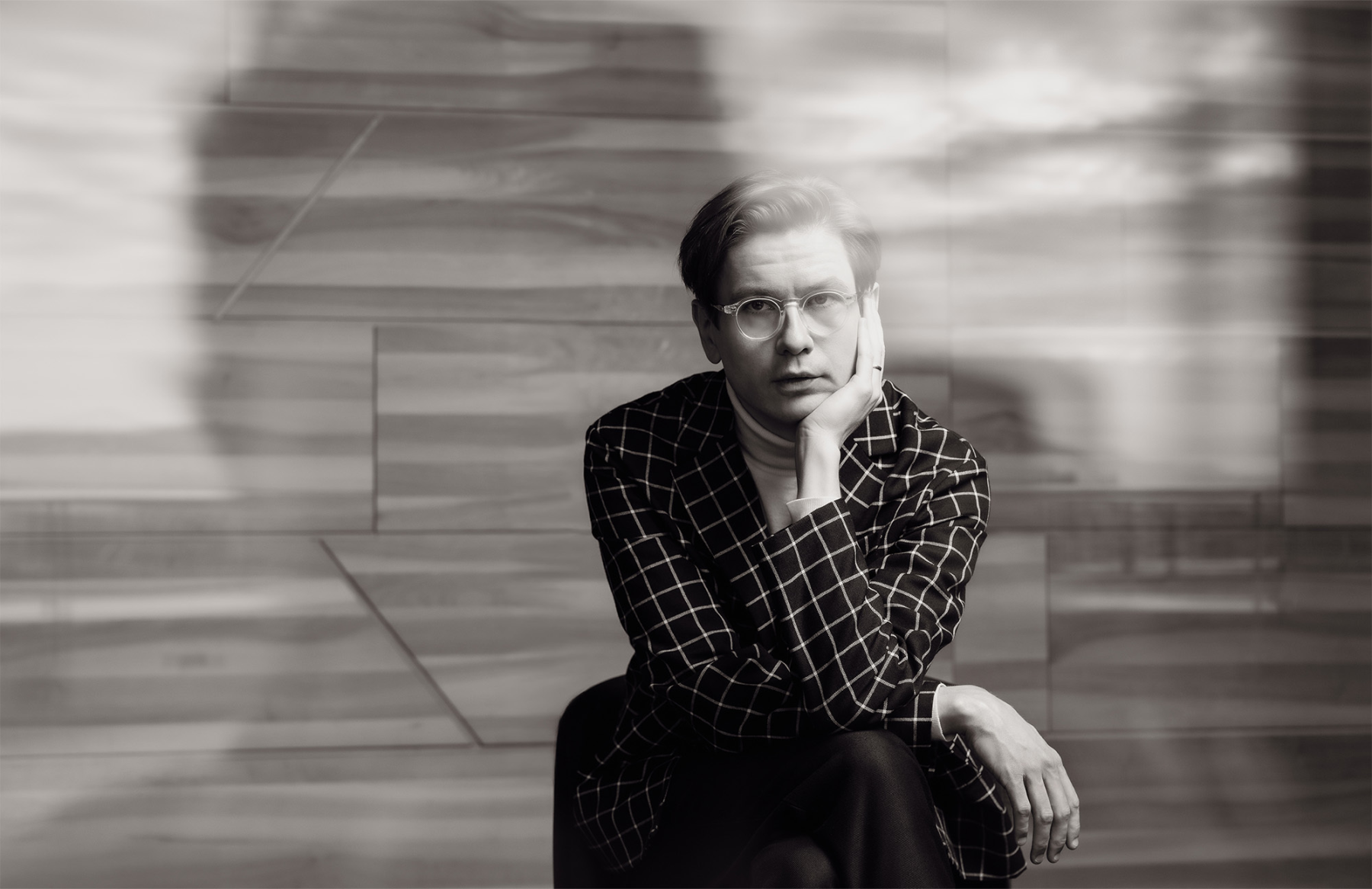
The Finnish pianist, conductor and composer Olli Mustonen (b. 1967) exhibits a style that embraces such diverse influences as the neoclassical, neo-baroque, neo-romantic and minimalist movements. His Nonet No. 2 for strings (2000) is a contrapuntally constructed, virtuoso contemporary chamber music piece that reveals echoes of the music of the past, such as the works of Vivaldi, Mendelssohn and Schubert.
The first great Viennese Classical master, Joseph Haydn (1732–1809), reached the pinnacle of his symphonic output with the 12 “London” Symphonies, which he composed during his two visits to the English capital in 1791–92 and 1794–95. His Symphony No. 93 in D major received its first performance at the Hanover Square Rooms on 17 February 1792. The work is a representative example of Haydn’s mature orchestral musicality.
Ludwig van Beethoven (1770–1827), who brought the development of the Viennese Classical style to its fulfilment and paved the way for Romanticism, updated the concerto genre in terms of both its form and means of expression. These bold reforms are embodied in the triumphant energy of his grand and sonorous Piano Concerto No. 5 in E-flat major. Premiered in 1811, it is a work characterised by imperial splendour and steadfast pride.
Intimate confession and noble virtuosity:
-
Olli Mustonen
Nonetto II
1. Inquieto
2. Allegro impetuoso
3. Adagio
4. VivacissimoHaydn
Symphony No. 93 in D major, Hob I:93
I. Adagio – Allegro assai
II. Largo cantabile
III. Menuetto. Allegro
IV. Finale. Presto ma non troppoBeethoven
Piano Concerto No. 5 in E-flat major, Op. 73
I. Allegro
II. Adagio un poco mosso
III. Rondo. Allegro ma non troppoFeaturing:
Víkingur Ólafsson – piano
Franz Liszt Chamber Orchestra (concertmaster: Péter Tfirst)Conductor:
István Várdai
-
The internationally renowned Icelandic pianist Víkingur Ólafsson (b. 1984) has become one of the most celebrated instrumentalists in the world. A critic from the New York Times referred to him as “Iceland’s Glenn Gould” and he is a regular guest at the world’s top concert halls and festivals, while his partners include the foremost orchestras and the finest conductors.
15 Questions for Víkingur Ólafsson:
His rich repertoire embraces works by Bach, Mozart and Beethoven, as well as the music of Schubert, Brahms and Debussy. He also performs a great deal of contemporary music ranging from Philip Glass to John Adams, and is a devoted interpreter of the compositions of György Kurtág. He is appearing at Müpa Budapest several times in 2025/2026 as the venue’s Artist of the Season.
© Szilvia Csibi / Müpa
The Franz Liszt Chamber Orchestra was founded in 1963 by string students at the Liszt Academy in Budapest. The ensemble first worked under the direction of Frigyes Sándor, before achieving worldwide fame with concertmaster János Rolla providing the artistic leadership. In recent years, the orchestra has been rejuvenated by its current concertmaster Péter Tfirst, who works alongside artistic director István Várdai, a world-renowned cellist and conductor.
© Marco Borggreve
The Finnish pianist, conductor and composer Olli Mustonen (b. 1967) exhibits a style that embraces such diverse influences as the neoclassical, neo-baroque, neo-romantic and minimalist movements. His Nonet No. 2 for strings (2000) is a contrapuntally constructed, virtuoso contemporary chamber music piece that reveals echoes of the music of the past, such as the works of Vivaldi, Mendelssohn and Schubert.
The first great Viennese Classical master, Joseph Haydn (1732–1809), reached the pinnacle of his symphonic output with the 12 “London” Symphonies, which he composed during his two visits to the English capital in 1791–92 and 1794–95. His Symphony No. 93 in D major received its first performance at the Hanover Square Rooms on 17 February 1792. The work is a representative example of Haydn’s mature orchestral musicality.
Ludwig van Beethoven (1770–1827), who brought the development of the Viennese Classical style to its fulfilment and paved the way for Romanticism, updated the concerto genre in terms of both its form and means of expression. These bold reforms are embodied in the triumphant energy of his grand and sonorous Piano Concerto No. 5 in E-flat major. Premiered in 1811, it is a work characterised by imperial splendour and steadfast pride.
Intimate confession and noble virtuosity: