Digital programme booklet
-
J. S. Bach
Brandenburg Concerto No. 4 in G major, BWV 1049
I. Allegro
II. Andante
III. PrestoJ. S. Bach
Brandenburg Concerto No. 6 in B-flat major, BWV 1051
I. Allegro
II. Adagio ma non tanto
III. AllegroJ. S. Bach
Brandenburg Concerto No. 2 in F major, BWV 1047
I. Allegro
II. Andante
III. Allegro assaiJ. S. Bach
Brandenburg Concerto No. 5 in D major, BWV 1050
I. Allegro
II. Affettuoso
III. AllegroJ. S. Bach
Brandenburg Concerto No. 3 in G major, BWV 1048
I. Allegro
II. Adagio
III. AllegroJ. S. Bach
Brandenburg Concerto No. 1 in F major, BWV 1046
I. Allegro
II. Adagio
III. Allegro
IV. Menuet – Trio I – Menuet da capo – Polacca – Menuet da capo – Trio II – Menuet da capoFeaturing:
Bach Collegium Japan
Conductor:
Masato Suzuki
-
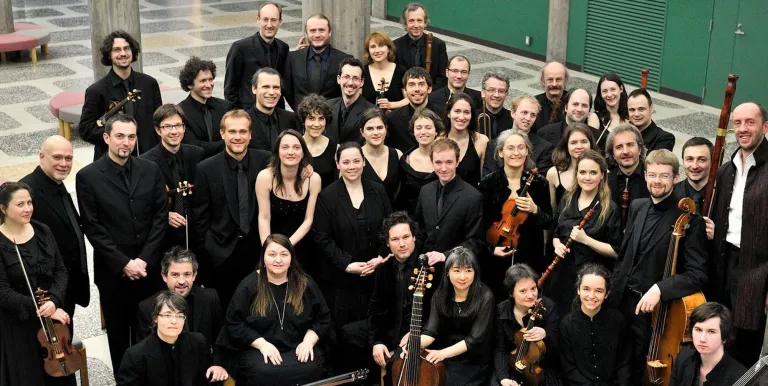
Bach Collegium Japan is an orchestra and chorus specialising in the Baroque repertoire and performing on period instruments. It was founded in 1990 by the Japanese organist, harpsichordist and conductor Masaaki Suzuki, who continues to serve as the ensemble’s artistic director. They have collaborated with artists such as Nancy Argenta, Hana Blažíková, Michael Chance, Max van Egmond, Monika Frimmer, Peter Kooij, Christoph Prégardien, Michael Schopper, Gerd Türk and Kai Wessel.
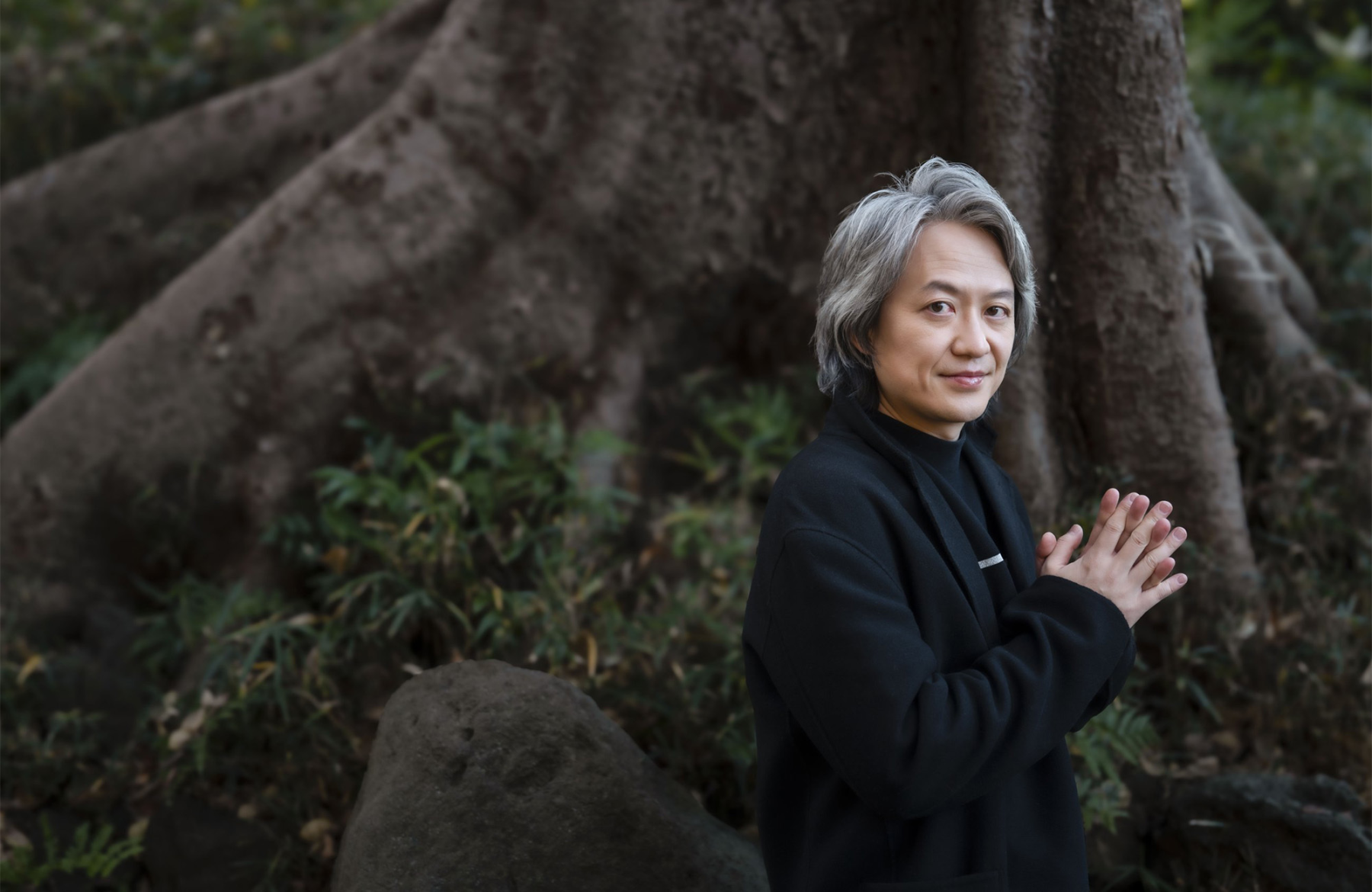
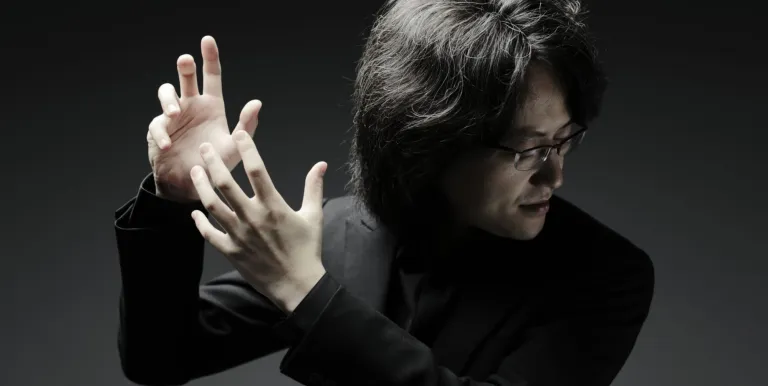
Masaaki Suzuki’s son, Masato Suzuki, was born in the Netherlands in 1981 and is a world-renowned pianist, harpsichordist, organist, conductor and composer. Equally at home in Baroque and 20th-century music, his repertoire ranges from Monteverdi through Brahms to Hindemith. He has received invitations from ensembles including the NHK Symphony Orchestra, the Hamburg Symphony Orchestra, the Netherlands Bach Society and the Academy of Ancient Music.
Johann Sebastian Bach (1685–1750), the supreme master who brought the Baroque style to its culmination and was the central figure of the Bach dynasty of composers, spent the years between 1717 and 1723 in the service of Prince Leopold in Köthen. This was one of the most productive periods of his life, during which he wrote a significant portion of his instrumental music – a dazzling treasure trove of masterpieces. In 1718, he accompanied Leopold to Carlsbad. There he met Margrave Christian Ludwig of Brandenburg, who, like the Prince, maintained a court orchestra. The Margrave commissioned works for his ensemble from the composer, who eventually sent him the manuscript of the Six Brandenburg Concertos. The dedication on the manuscript is dated 24 March 1721. The Brandenburg Concertos are considered one of the pinnacles of music history and are among the most magnificent works in the Baroque concerto grosso literature.
Bach, The Fifth Evangelist:
The tonal universe of the six works is consistent: the series contains only major-key pieces, and occupies a relatively limited range even within this framework. The concertos are in F major, F major, G major, G major, D major and B-flat major. In terms of form, Bach prefers the forward-looking three-movement model, with only the first concerto concluding with a fourth movement in the form of a rondo-like dance suite. The main themes of the opening movements are typically founded on arpeggiated triads. Each concerto features a different instrumental scoring, so the listener is constantly encountering new tone colours. The works are characterised by an inexhaustibly varied character, masterly craftsmanship, and the defining role of contrapuntal thinking.
-
J. S. Bach
Brandenburg Concerto No. 4 in G major, BWV 1049
I. Allegro
II. Andante
III. PrestoJ. S. Bach
Brandenburg Concerto No. 6 in B-flat major, BWV 1051
I. Allegro
II. Adagio ma non tanto
III. AllegroJ. S. Bach
Brandenburg Concerto No. 2 in F major, BWV 1047
I. Allegro
II. Andante
III. Allegro assaiJ. S. Bach
Brandenburg Concerto No. 5 in D major, BWV 1050
I. Allegro
II. Affettuoso
III. AllegroJ. S. Bach
Brandenburg Concerto No. 3 in G major, BWV 1048
I. Allegro
II. Adagio
III. AllegroJ. S. Bach
Brandenburg Concerto No. 1 in F major, BWV 1046
I. Allegro
II. Adagio
III. Allegro
IV. Menuet – Trio I – Menuet da capo – Polacca – Menuet da capo – Trio II – Menuet da capoFeaturing:
Bach Collegium Japan
Conductor:
Masato Suzuki
-
Bach Collegium Japan is an orchestra and chorus specialising in the Baroque repertoire and performing on period instruments. It was founded in 1990 by the Japanese organist, harpsichordist and conductor Masaaki Suzuki, who continues to serve as the ensemble’s artistic director. They have collaborated with artists such as Nancy Argenta, Hana Blažíková, Michael Chance, Max van Egmond, Monika Frimmer, Peter Kooij, Christoph Prégardien, Michael Schopper, Gerd Türk and Kai Wessel.
Masaaki Suzuki’s son, Masato Suzuki, was born in the Netherlands in 1981 and is a world-renowned pianist, harpsichordist, organist, conductor and composer. Equally at home in Baroque and 20th-century music, his repertoire ranges from Monteverdi through Brahms to Hindemith. He has received invitations from ensembles including the NHK Symphony Orchestra, the Hamburg Symphony Orchestra, the Netherlands Bach Society and the Academy of Ancient Music.
Johann Sebastian Bach (1685–1750), the supreme master who brought the Baroque style to its culmination and was the central figure of the Bach dynasty of composers, spent the years between 1717 and 1723 in the service of Prince Leopold in Köthen. This was one of the most productive periods of his life, during which he wrote a significant portion of his instrumental music – a dazzling treasure trove of masterpieces. In 1718, he accompanied Leopold to Carlsbad. There he met Margrave Christian Ludwig of Brandenburg, who, like the Prince, maintained a court orchestra. The Margrave commissioned works for his ensemble from the composer, who eventually sent him the manuscript of the Six Brandenburg Concertos. The dedication on the manuscript is dated 24 March 1721. The Brandenburg Concertos are considered one of the pinnacles of music history and are among the most magnificent works in the Baroque concerto grosso literature.
Bach, The Fifth Evangelist:
The tonal universe of the six works is consistent: the series contains only major-key pieces, and occupies a relatively limited range even within this framework. The concertos are in F major, F major, G major, G major, D major and B-flat major. In terms of form, Bach prefers the forward-looking three-movement model, with only the first concerto concluding with a fourth movement in the form of a rondo-like dance suite. The main themes of the opening movements are typically founded on arpeggiated triads. Each concerto features a different instrumental scoring, so the listener is constantly encountering new tone colours. The works are characterised by an inexhaustibly varied character, masterly craftsmanship, and the defining role of contrapuntal thinking.