-
J. S. Bach
Partita No. 2 in D minor for solo violin, BWV 1004 – No. 1, Allemande; No. 2, Courante; No. 3, Sarabande; No. 4, GigueYsaÿe
Sonata for solo violin, Op. 27, No. 4
1. Allemande (Lento maestoso)
2. Sarabande (Quasi lento)
3. Finale (Presto ma non troppo)Anders Hillborg
Ava (commissioned by ECHO) – Hungarian premiereBacewicz
Sonata No. 2 for solo violin
1. Adagio – Allegro
2. Adagio
3. PrestoFeaturing:
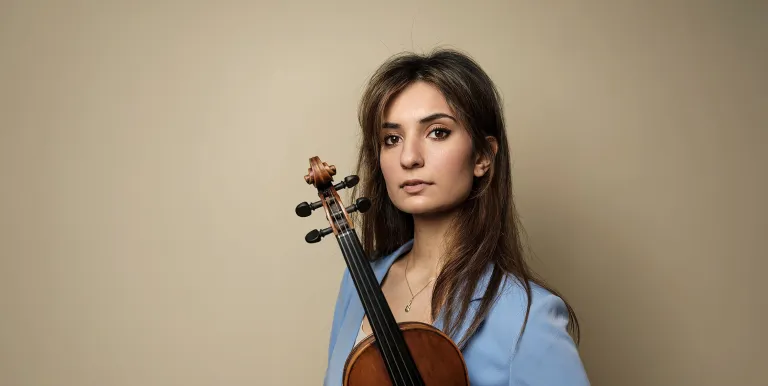
Ava Bahari – violin
Host and moderator of the audience encounter following the concert: Endre Tóth
Nominated for the Rising Stars programme by: Konserthuset Stockholm, Cité de la musique – Philharmonie de Paris, NOSPR Katowice.
-
The Rising Stars series run by the European Concert Hall Organisation (ECHO) is an initiative of the prestigious concert halls that make up the alliance to provide the musicians and ensembles selected – according to strict professional criteria – from among the institutions’ nominees the opportunity to embark on a concert tour to perform in major venues like Vienna’s Konzerthaus, the Amsterdam Concertgebouw, London’s Barbican Centre and Elbphilharmonie Hamburg, to name just a few. Past iterations of Rising Stars have served as important episodes in the careers of pianists Khatia Buniatishvili and Igor Levit, cellists Harriet Krijgh and Kian Soltani, recorder player Lucie Horsch, Armida Quartett and Signum Saxophone Quartet. Müpa Budapest has been a member of ECHO since 2010 and a number of Hungarian musicians have participated in the series in recent years, including violinists Ádám Banda and Júlia Pusker, pianist János Balázs, trumpet player Tamás Pálfalvi and cimbalom player Áron Horváth.
Another thing that makes these Rising Stars concerts so special is the fact that the young artists and ensembles also play a contemporary work composed specifically for them that was commissioned by ECHO from a composer nominated either by the Rising Star or the delegating institution. This means that Müpa Budapest will be the site of Hungarian premieres.
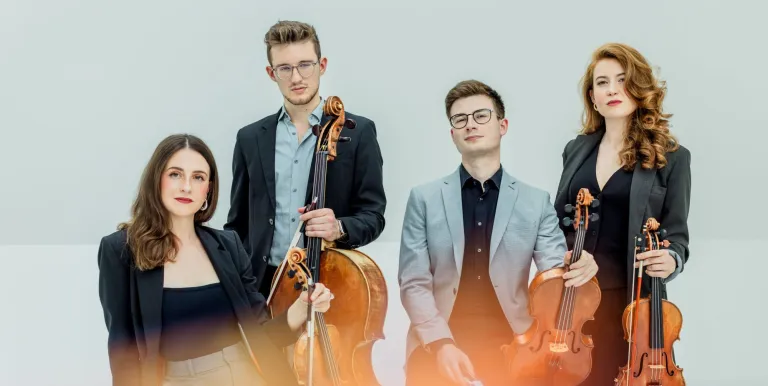
In the 2026 season, the audience will explore six distinct worlds and remarkable artistic personalities. The ten-year-old Javus Quartett started out in Salzburg and is now based in Vienna. Sandwiched between Bacewicz’s vigorous String Quartet No. 3 and Haydn’s late masterpiece in G major is Oscar Jockel’s das schweigen der farben, a work that treats silence not as the absence of sound but as a colourful presence that opens up the possibilities of hearing.
The solo recital by the Swedish violinist Ava Bahari traces the evolution of violin playing from Bach’s Partita in D minor through to works by Ysaÿe and Bacewicz. Anders Hillborg’s Ava, written for the artist herself, sets calm double-stopped lines against rapid tremolos to draw a kind of musical portrait of its performer.
Elionor Martínez and Josep Maria Martí Duran will lead the listener through Baroque Europe by means of an intimate dialogue between the human voice and plucked strings. Monteverdi, Strozzi, Caccini, Purcell and Handel are joined by Anna Campmany’s Catalan song cycle entitled Paisatges mallorquins, with its first movement a lullaby dedicated to the soprano’s recently born daughter.
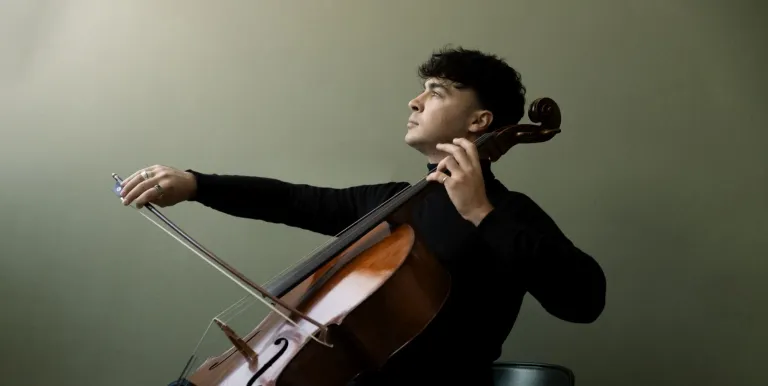
Petar Pejčić’s cello recital Prayer to Ecstasy follows the path of Orthodox prayer from contemplation to rapture. The introverted music of Bach, dall’Abaco and Bloch will be answered by intense works by Sokolović, Sollima and Ligeti; with Đuro Živković’s latest piece, The Icon, taking centre stage and drawing on Byzantine mysticism.
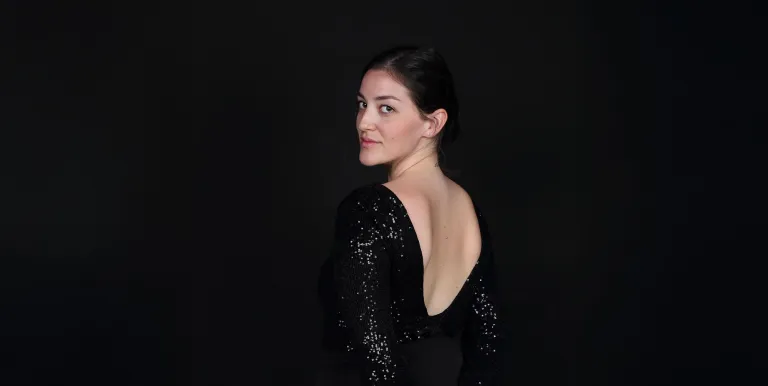
Camila Mandillo and Filipe Gaio Pereira’s concert will speak of fragility, memory and renewal through songs by Messiaen, Ruth Schönthal and Richard Strauss. Bushra El-Turk’s Arabic-language composition, Revolution on the Tip of My Mouth, is set to a poem by the Palestinian poet Asma Azaizeh as a way of exploring the preservation of language, heritage and identity in times of catastrophe.
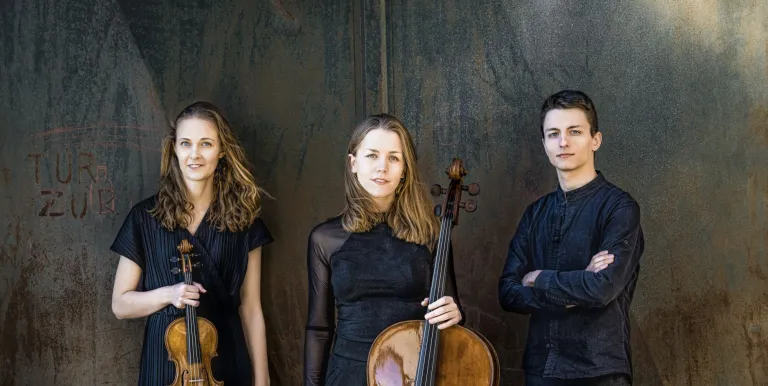
The members of the Amelio Trio have been making music together from the age of 13. Between Haydn’s witty Trio in F major and Brahms’s dense, dramatic Trio in C minor comes Helena Winkelman’s ...ISOLE..., which is dedicated to the band and forges a new, sonically rich path between islands of movement and stillness, activity and rest.
-
J. S. Bach
Partita No. 2 in D minor for solo violin, BWV 1004 – No. 1, Allemande; No. 2, Courante; No. 3, Sarabande; No. 4, GigueYsaÿe
Sonata for solo violin, Op. 27, No. 4
1. Allemande (Lento maestoso)
2. Sarabande (Quasi lento)
3. Finale (Presto ma non troppo)Anders Hillborg
Ava (commissioned by ECHO) – Hungarian premiereBacewicz
Sonata No. 2 for solo violin
1. Adagio – Allegro
2. Adagio
3. PrestoFeaturing:
Ava Bahari – violin
Host and moderator of the audience encounter following the concert: Endre Tóth
Nominated for the Rising Stars programme by: Konserthuset Stockholm, Cité de la musique – Philharmonie de Paris, NOSPR Katowice.
-
The Rising Stars series run by the European Concert Hall Organisation (ECHO) is an initiative of the prestigious concert halls that make up the alliance to provide the musicians and ensembles selected – according to strict professional criteria – from among the institutions’ nominees the opportunity to embark on a concert tour to perform in major venues like Vienna’s Konzerthaus, the Amsterdam Concertgebouw, London’s Barbican Centre and Elbphilharmonie Hamburg, to name just a few. Past iterations of Rising Stars have served as important episodes in the careers of pianists Khatia Buniatishvili and Igor Levit, cellists Harriet Krijgh and Kian Soltani, recorder player Lucie Horsch, Armida Quartett and Signum Saxophone Quartet. Müpa Budapest has been a member of ECHO since 2010 and a number of Hungarian musicians have participated in the series in recent years, including violinists Ádám Banda and Júlia Pusker, pianist János Balázs, trumpet player Tamás Pálfalvi and cimbalom player Áron Horváth.
Another thing that makes these Rising Stars concerts so special is the fact that the young artists and ensembles also play a contemporary work composed specifically for them that was commissioned by ECHO from a composer nominated either by the Rising Star or the delegating institution. This means that Müpa Budapest will be the site of Hungarian premieres.
In the 2026 season, the audience will explore six distinct worlds and remarkable artistic personalities. The ten-year-old Javus Quartett started out in Salzburg and is now based in Vienna. Sandwiched between Bacewicz’s vigorous String Quartet No. 3 and Haydn’s late masterpiece in G major is Oscar Jockel’s das schweigen der farben, a work that treats silence not as the absence of sound but as a colourful presence that opens up the possibilities of hearing.
The solo recital by the Swedish violinist Ava Bahari traces the evolution of violin playing from Bach’s Partita in D minor through to works by Ysaÿe and Bacewicz. Anders Hillborg’s Ava, written for the artist herself, sets calm double-stopped lines against rapid tremolos to draw a kind of musical portrait of its performer.
Elionor Martínez and Josep Maria Martí Duran will lead the listener through Baroque Europe by means of an intimate dialogue between the human voice and plucked strings. Monteverdi, Strozzi, Caccini, Purcell and Handel are joined by Anna Campmany’s Catalan song cycle entitled Paisatges mallorquins, with its first movement a lullaby dedicated to the soprano’s recently born daughter.
Petar Pejčić’s cello recital Prayer to Ecstasy follows the path of Orthodox prayer from contemplation to rapture. The introverted music of Bach, dall’Abaco and Bloch will be answered by intense works by Sokolović, Sollima and Ligeti; with Đuro Živković’s latest piece, The Icon, taking centre stage and drawing on Byzantine mysticism.
Camila Mandillo and Filipe Gaio Pereira’s concert will speak of fragility, memory and renewal through songs by Messiaen, Ruth Schönthal and Richard Strauss. Bushra El-Turk’s Arabic-language composition, Revolution on the Tip of My Mouth, is set to a poem by the Palestinian poet Asma Azaizeh as a way of exploring the preservation of language, heritage and identity in times of catastrophe.
The members of the Amelio Trio have been making music together from the age of 13. Between Haydn’s witty Trio in F major and Brahms’s dense, dramatic Trio in C minor comes Helena Winkelman’s ...ISOLE..., which is dedicated to the band and forges a new, sonically rich path between islands of movement and stillness, activity and rest.