



The program was cancelled
The program was cancelled
Due to technical difficulties the concert had to be cancelled.
Valid tickets can be redeemed at the point of purchase until 8 July.
Conductor:
Featuring:
Károly Binder
For Seven Days
- Lullaby
- Deep Bowing
- Inner Silence - to Panna
- Prayer at Dawn
- Upward Tears
- To You
- Us Two
Fanshawe
African Sanctus
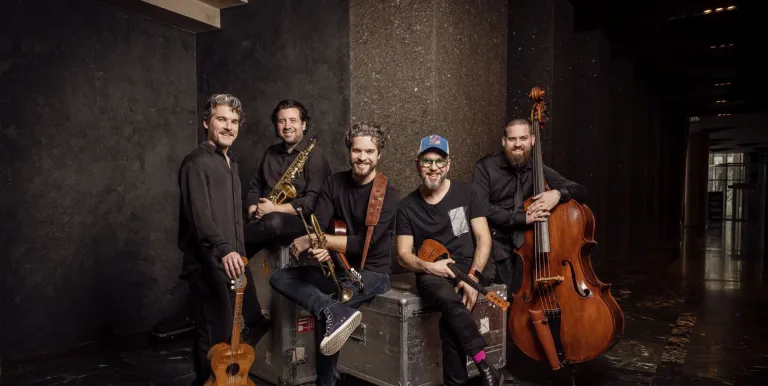
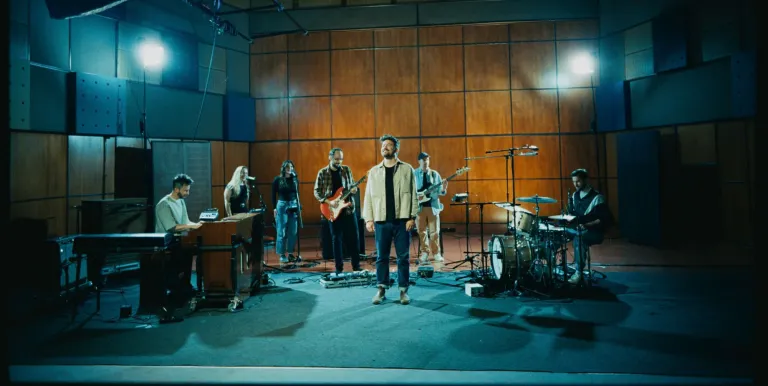
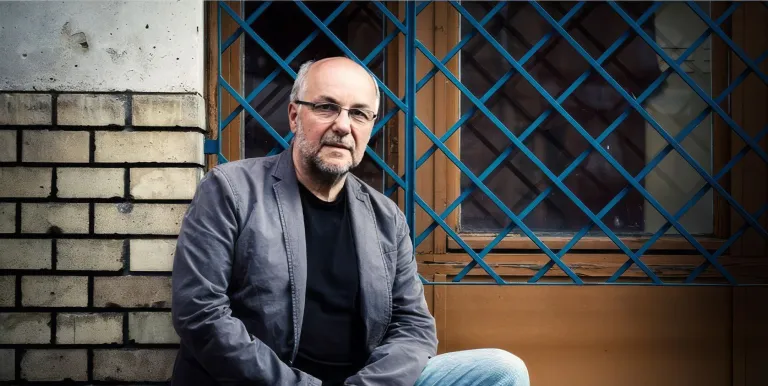
The first part of the concert features seven beautiful trio ballads from Károly Binder's 2016 album For Seven Days ("Hét napra”). A pianist and composer, Binder is also a department head and professor at the Franz Liszt Academy of Music. His development as a composer can be clearly traced to the influence of the magnificent oeuvre of Béla Bartók, the folkloric riches of the Carpathian Basin and the melodic world of the Volga-Kama region, the original homeland of the Hungarian people, as well as the American "repetitive” school associated with Steve Reich.
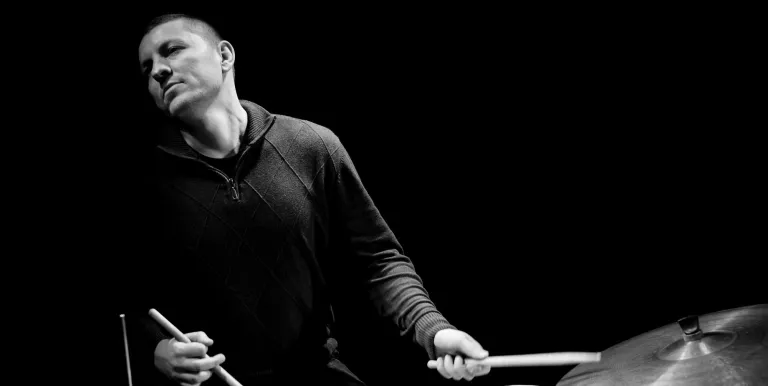
In keeping with its title, For Seven Days encompasses seven numbers, each of them a profound musical story for a different day of the week. Joining the pianist to make up the trio will be double-bassist Tibor Fonay and drummer Ákos Benkó.
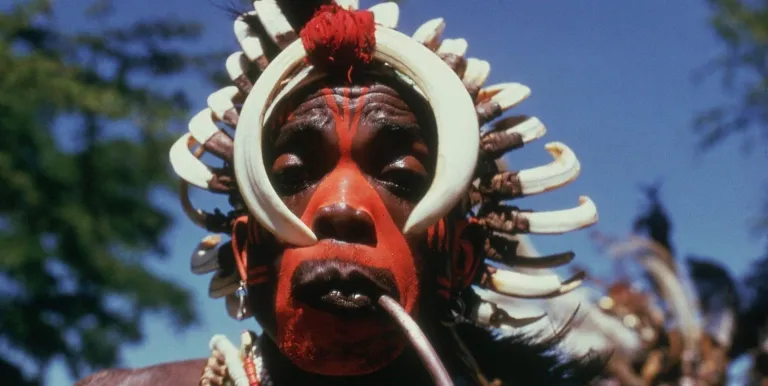
David Fanshawe (1942-2010) was an English composer, ethnomusicologist and explorer. His musical oeuvre is situated at the crossroads of traditional and modern music. He wrote his best-known work, African Sanctus, in 1972.
His father was an English staff officer who was stationed in India for many years, which fired the composer's enthusiasm for unfamiliar cultures and travel. By his own account, he was only a child when he thrilled to the magic of Africa, and during his university years, he made his cherished dream a reality when he decided to set off for the continent. As he mapped out his route along the 1200-kilometre length of the Nile, he realised that it formed the shape of a cross. This gave him the idea of writing a geographically inspired mass that unites the peoples of the region by combining their cultures, traditions and music.
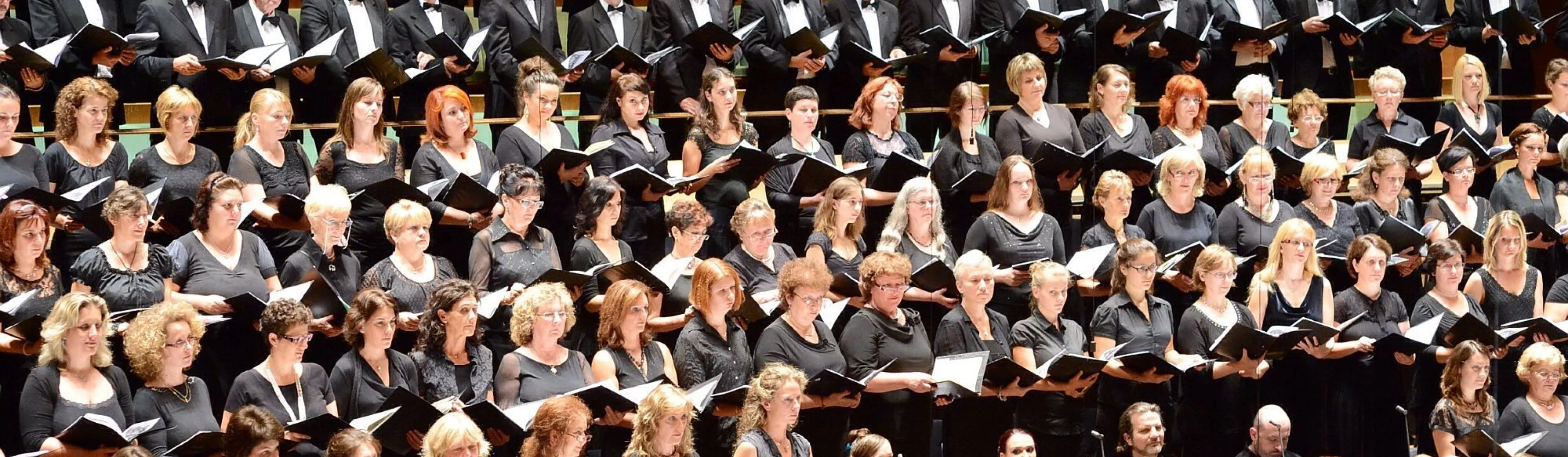
He finally made his African journey between 1969 and 1972. As he put it, many others had sought out and travelled through this magical and wonderful continent before him, and many others had reported on the ways of life and the cultures of the people living there, but nobody had yet recorded their music and ceremonies. Spending time in Egypt, Sudan, Uganda and Kenya, he was motivated throughout the trip primarily by his yearning for musical and cultural exploration. His winning personality made it easy for him to develop one relationship after another with the local inhabitants, no matter what their ethnicity, religion or culture was, because he was always guided by two aims: curiosity (that is, getting to know the 'other') and humble respect. Over the course of his travels, he lived and breathed together with the people who live there, shared their joys and sorrows, took part in their ceremonies and got an insider's glimpse into their lives. His African collections gave rise to African Sanctus, the extraordinarily thrilling musical work in which original audio recordings from Africa are combined with live music. What is interesting about the piece is the fact that the tunes written to the words of the mass are played over, and simultaneously with, the original African melodies, in one case combining a Muslim prayer with the choir's Kyrie.
Presented by: Dohnányi Orchestra Budafok
-
We wish to inform you that in the event that Müpa Budapest's underground garage and outdoor car park are operating at full capacity, it is advisable to plan for increased waiting times when you arrive. In order to avoid this, we recommend that you depart for our events in time, so that you you can find the ideal parking spot quickly and smoothly and arrive for our performance in comfort. The Müpa Budapest underground garage gates will be operated by an automatic number plate recognition system. Parking is free of charge for visitors with tickets to any of our paid performances on that given day. The detailed parking policy of Müpa Budapest is available here.