




Digital programme booklet
-
I. Introito
Requiem
KyrieII. Sequenza
Dies irae
Tuba mirum
Mors stupebit
Liber scriptus
Quid sum miser
Rex tremendae
Recordare
Ingemisco
Confutatis maledictis
LacrymosaIII. Offertorio
Domine Jesu Christe
HostiasIV. Sanctus
V. Agnus Dei
VI. Communio
Lux aeternamVII. Libera me
Libera me
Dies irae
Requiem aeternam
Libera meFeaturing:
Anna Netrebko – soprano
Agnieszka Rehlis – mezzo-soprano
Matthew Polenzani – tenor
Sándor Köpeczi – bass
Hungarian State Opera Orchestra
Hungarian Radio Choir (choir director: Máté Szabó Sipos)
Hungarian State Opera Chorus (choirmaster: Gábor Csiki)Conductor:
Michelangelo Mazza
-
What is the secret behind the unparalleled triumphs of music history? One very special recipe for success was conceived in the creative workshop of Giuseppe Verdi (1813‒1901). The focal point of our concert is a familiar work from his oeuvre: Verdi’s Requiem leads the listener from the spirit of the Risorgimento to the composer’s most personal experience of mourning.
Behind the composition lies a tangled web of political and private drama, existential deadlock and professional struggles. In wishing to pay homage to the memory of Gioachino Rossini (1792–1868), Verdi came up with a grand idea: on the anniversary of his colleague’s death, he wanted to present a unique Requiem in which each movement was written by one of the most prominent Italian composers of the era. The plan, however, ultimately ran aground due to conflicting interests.
In May 1873, more terrible news arrived: the passing of Alessandro Manzoni (1785–1873), a towering figure of Italian literature. For Verdi, it was the loss not only of a national hero but also of a true friend. Crushed by this latest bereavement, Verdi abandoned the idea of a collaborative work and single-handedly set about composing his Requiem, this time expressly dedicated to the memory of Manzoni, between the summer 1873 and spring 1874 in Paris.
Although the Requiem’s popularity has remained unbroken since its premiere on 22 May 1874, the piece’s unmistakably operatic tone provoked highly contradictory reactions in contemporary professional circles. One need only think of the Lacrymosa section of the seven-movement work’s Dies irae, which is founded on the duet between Carlos and Philip II that was cut from Don Carlos during the opera’s Paris rehearsals. Yet these operatic musical elements align perfectly with the compositional techniques typical of oratorios. The elaboration of harmonies and motifs, as well as the use of counterpoint, take centre stage from the very beginning of the work, while the choral sections give a sense of the structural principles of the 16th-century genius of Italian music history, Palestrina. This was presumably Verdi’s way of paying tribute to the enduring values of Italian culture.
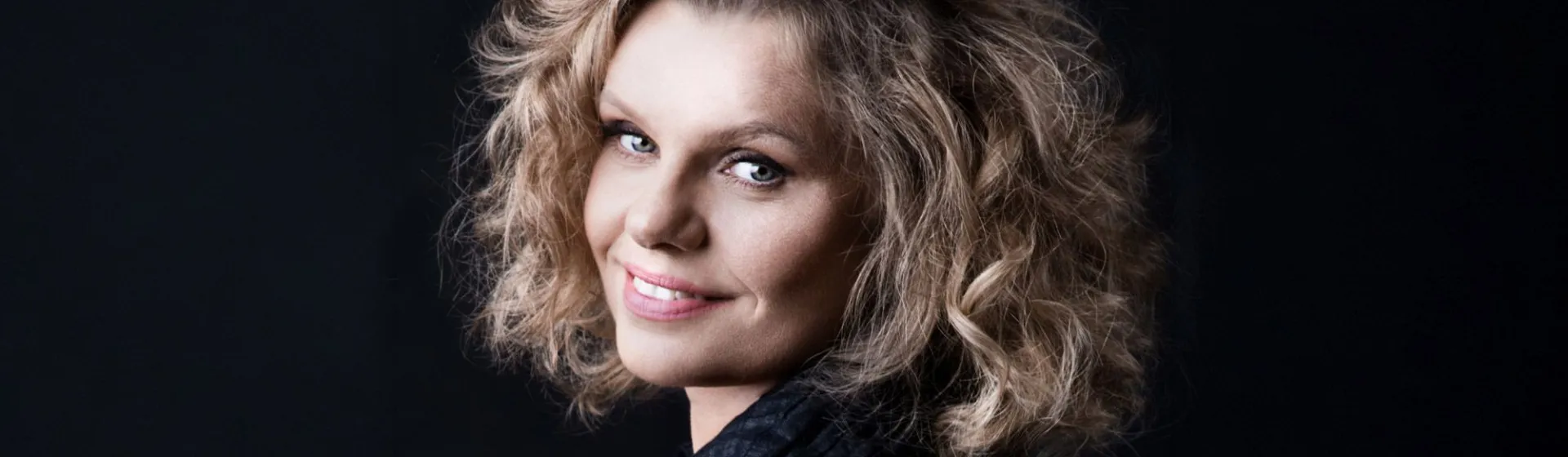
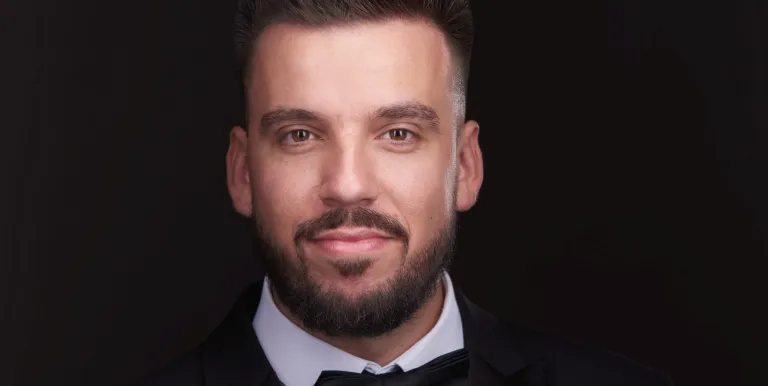
This extraordinary composition will be performed by an equally outstanding cast: Anna Netrebko, a reigning prima donna of the 21st century; Agnieszka Rehlis with her overwhelming stage presence; Matthew Polenzani, one of the most gifted and distinguished lyric tenors of his generation; and Sándor Köpeczi, who is quickly becoming one of the most sought-after talents today. The Hungarian State Opera Orchestra and Chorus, together with the Hungarian Radio Choir, will be conducted by Michelangelo Mazza, one of the most authoritative interpreters of Verdi’s oeuvre.

© Vladimir Shirokov
-
I. Introito
Requiem
KyrieII. Sequenza
Dies irae
Tuba mirum
Mors stupebit
Liber scriptus
Quid sum miser
Rex tremendae
Recordare
Ingemisco
Confutatis maledictis
LacrymosaIII. Offertorio
Domine Jesu Christe
HostiasIV. Sanctus
V. Agnus Dei
VI. Communio
Lux aeternamVII. Libera me
Libera me
Dies irae
Requiem aeternam
Libera meFeaturing:
Anna Netrebko – soprano
Agnieszka Rehlis – mezzo-soprano
Matthew Polenzani – tenor
Sándor Köpeczi – bass
Hungarian State Opera Orchestra
Hungarian Radio Choir (choir director: Máté Szabó Sipos)
Hungarian State Opera Chorus (choirmaster: Gábor Csiki)Conductor:
Michelangelo Mazza
-
What is the secret behind the unparalleled triumphs of music history? One very special recipe for success was conceived in the creative workshop of Giuseppe Verdi (1813‒1901). The focal point of our concert is a familiar work from his oeuvre: Verdi’s Requiem leads the listener from the spirit of the Risorgimento to the composer’s most personal experience of mourning.
Behind the composition lies a tangled web of political and private drama, existential deadlock and professional struggles. In wishing to pay homage to the memory of Gioachino Rossini (1792–1868), Verdi came up with a grand idea: on the anniversary of his colleague’s death, he wanted to present a unique Requiem in which each movement was written by one of the most prominent Italian composers of the era. The plan, however, ultimately ran aground due to conflicting interests.
In May 1873, more terrible news arrived: the passing of Alessandro Manzoni (1785–1873), a towering figure of Italian literature. For Verdi, it was the loss not only of a national hero but also of a true friend. Crushed by this latest bereavement, Verdi abandoned the idea of a collaborative work and single-handedly set about composing his Requiem, this time expressly dedicated to the memory of Manzoni, between the summer 1873 and spring 1874 in Paris.
Although the Requiem’s popularity has remained unbroken since its premiere on 22 May 1874, the piece’s unmistakably operatic tone provoked highly contradictory reactions in contemporary professional circles. One need only think of the Lacrymosa section of the seven-movement work’s Dies irae, which is founded on the duet between Carlos and Philip II that was cut from Don Carlos during the opera’s Paris rehearsals. Yet these operatic musical elements align perfectly with the compositional techniques typical of oratorios. The elaboration of harmonies and motifs, as well as the use of counterpoint, take centre stage from the very beginning of the work, while the choral sections give a sense of the structural principles of the 16th-century genius of Italian music history, Palestrina. This was presumably Verdi’s way of paying tribute to the enduring values of Italian culture.
This extraordinary composition will be performed by an equally outstanding cast: Anna Netrebko, a reigning prima donna of the 21st century; Agnieszka Rehlis with her overwhelming stage presence; Matthew Polenzani, one of the most gifted and distinguished lyric tenors of his generation; and Sándor Köpeczi, who is quickly becoming one of the most sought-after talents today. The Hungarian State Opera Orchestra and Chorus, together with the Hungarian Radio Choir, will be conducted by Michelangelo Mazza, one of the most authoritative interpreters of Verdi’s oeuvre.
© Vladimir Shirokov