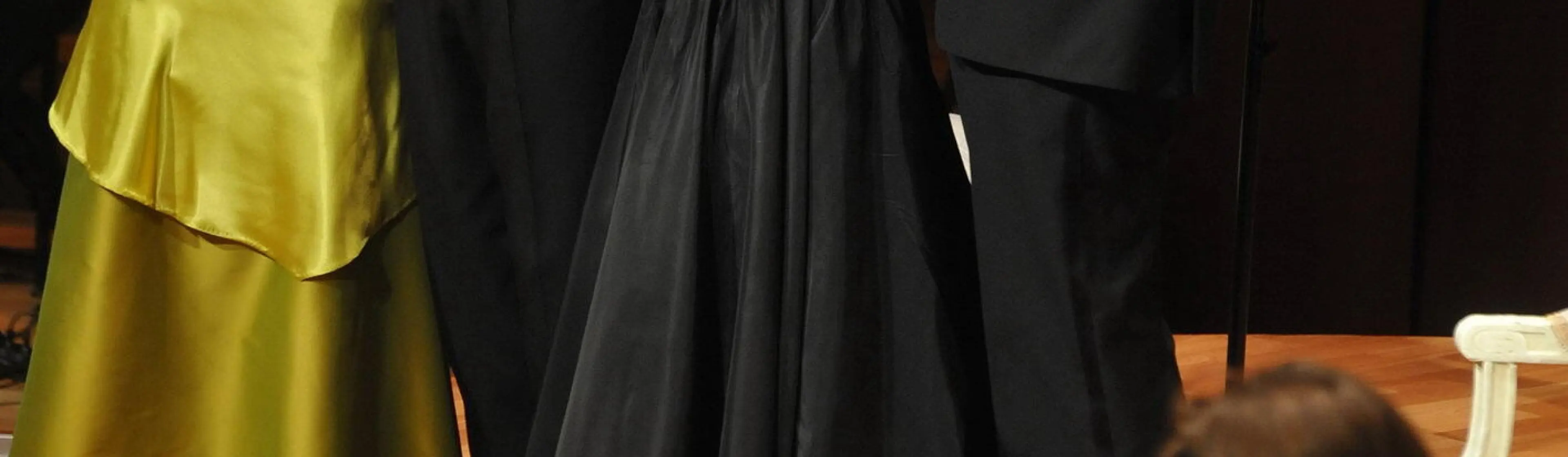
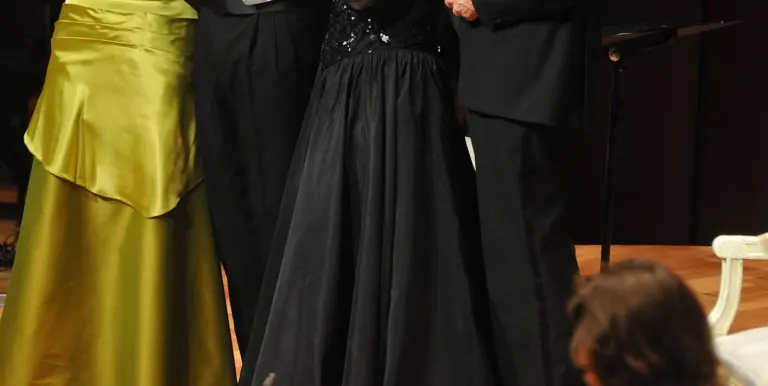
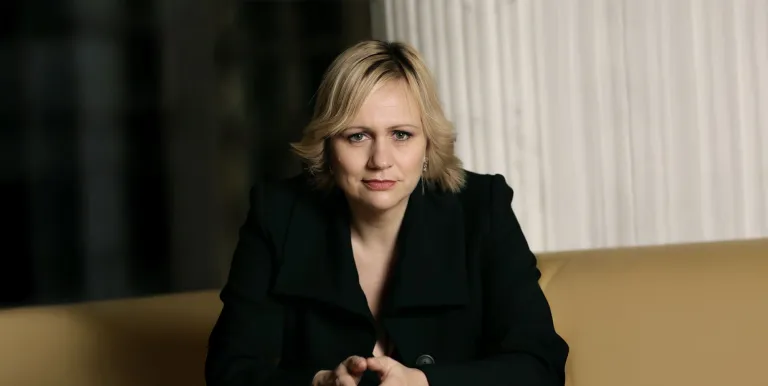
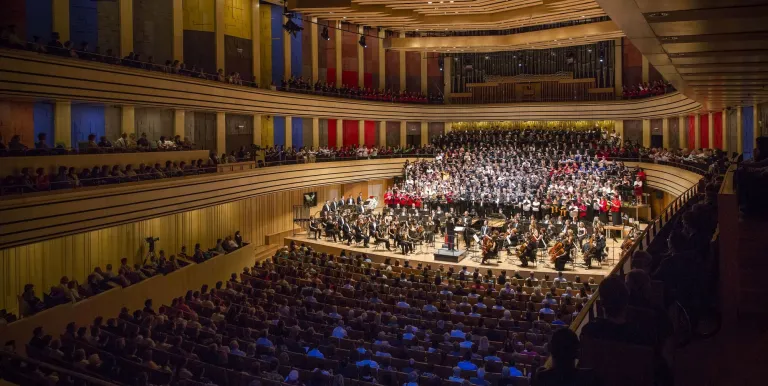
In the main roles: Count Almaviva: Markus Werba Countess: Dominique Labelle Susanna: Ekaterina Siurina Figaro: Marco Vinco Cherubino: Katharina Kammerloher Bartolo: Robert Lloyd Budapest Studio Choir (choirmaster: Kálmán Strausz) Budapest Festival Orchestra Conductor: Iván Fischer Mozart probably discovered the literary source of his opera The Marriage of Figaro (originally Le nozze di Figaro ossia la folle giornata) when he read Beaumarchais’s play La Folle journée ou le marriage de Figaro in 1784. The French dramatist’s comedy was written shortly before the great French Revolution and with its sharply anti-aristocratic message, it created a sensation. Mozart could not have seen it performed since it was banned from being staged in Vienna by Emperor Joseph II who was afraid it might cause an embarrassing scandal. (Napoleon himself said of the play, in which a count competes with his servants and loses, that it is “the Revolution in action”.) Mozart fortunately found the most suitable man available to help him compose the opera. Lorenzo da Ponte was a defrocked priest and adventurer and also a librettist in the court of Joseph II: he ensured the Emperor there was nothing in the opera, which would offend either his or the court’s sensitivities. So in place of Figaro’s tirade against the aristocrats, we hear an aria in the fourth act in which he gives vent to his bitterness about the female gender. Mozart composed Figaro in half a year. At the world première, which on the Emperor’s orders took place on May 1st 1786 at the Vienna Burgtheater, it enjoyed a modest success and was taken off after just nine performances. In December it was staged in Prague where it created a sensation. The audience there understood the message of the libretto and also the genius of the music.
Presented by:
-
We wish to inform you that in the event that Müpa Budapest's underground garage and outdoor car park are operating at full capacity, it is advisable to plan for increased waiting times when you arrive. In order to avoid this, we recommend that you depart for our events in time, so that you you can find the ideal parking spot quickly and smoothly and arrive for our performance in comfort. The Müpa Budapest underground garage gates will be operated by an automatic number plate recognition system. Parking is free of charge for visitors with tickets to any of our paid performances on that given day. The detailed parking policy of Müpa Budapest is available here.