



one interval

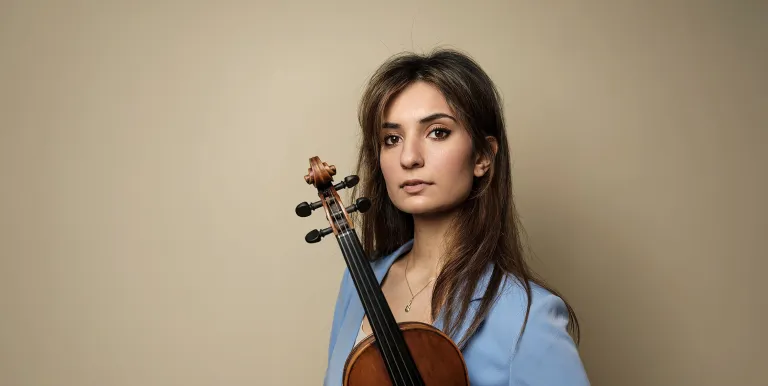

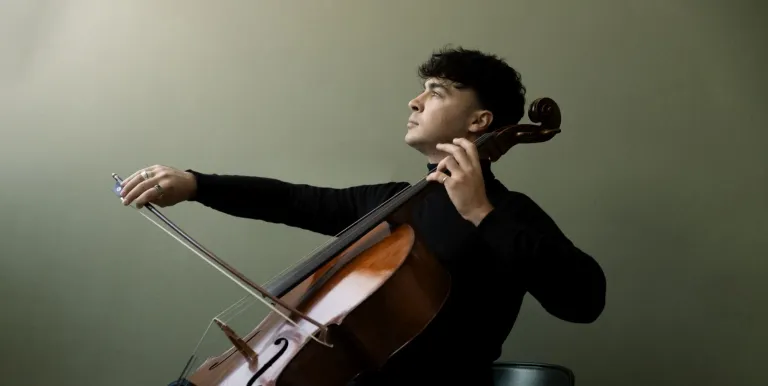


Conductor:
Featuring:
There are certain biblical stories that, thanks to the moral or psychological situations they depict, have struck particularly deep roots in Western culture over the past centuries. In modern everyday English speech, people often use the expression 'road to Damascus' – often without even realising that they are referring to the apostle Paul.
'Saul, Saul, why do you persecute me?' – Acts of the Apostles tells us that Saul heard Jesus speak these destiny-altering words after he was suddenly struck by a blinding light as he was walking northward from Jerusalem on the aforementioned thoroughfare. The rest is familiar: Saul then became Paul. For Mendelssohn, who was born Jewish, but was baptised as a Lutheran at the age of seven, the story of the apostle Paul was more than just a subject for a biblically themed oratorio: it was a deeply personal narrative to which he felt a particular connection. For him, the oratorio was not just about faith, but the question of identity. In addition to the Jewish-Christian duality, Paulus – which was premièred in Düsseldorf in 1836 – also has another exciting aspect: it is the first Romantic oratorio, which is nevertheless strongly connected to the Baroque traditions of the genre developed by Handel and Bach. This, too, is a duality. Although this is one of aesthetics and style rather than faith, it poses questions that are just as riveting as the first one.
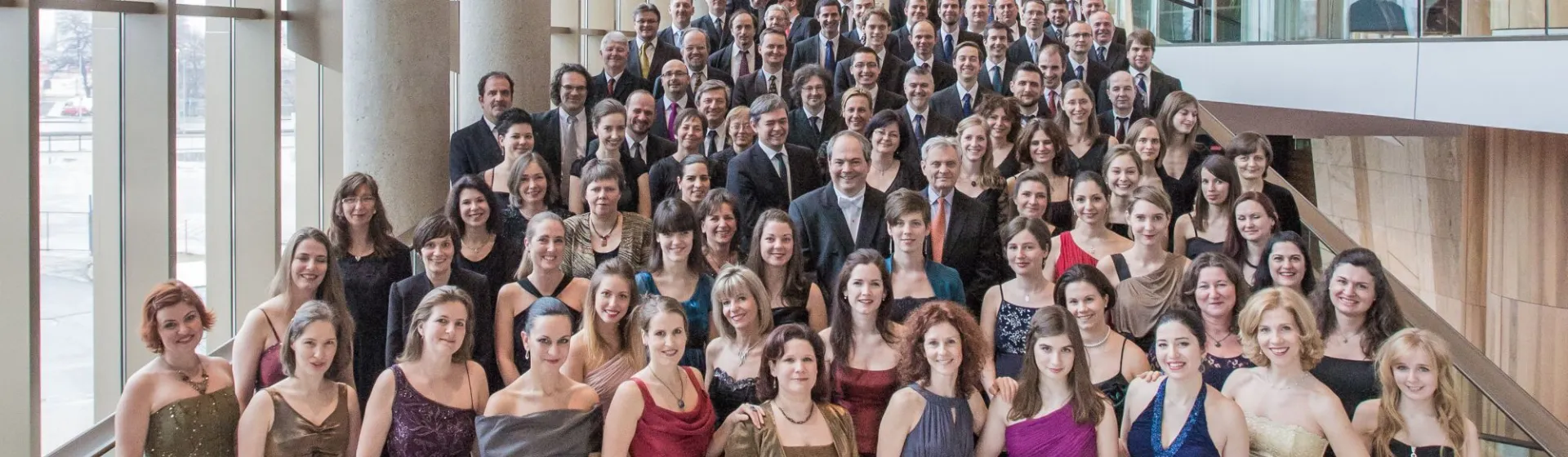
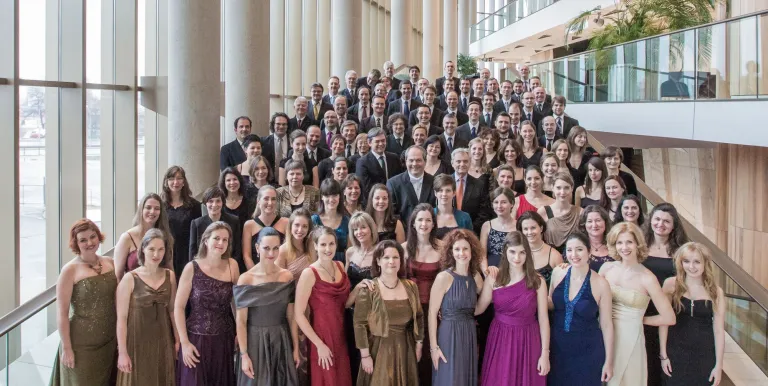
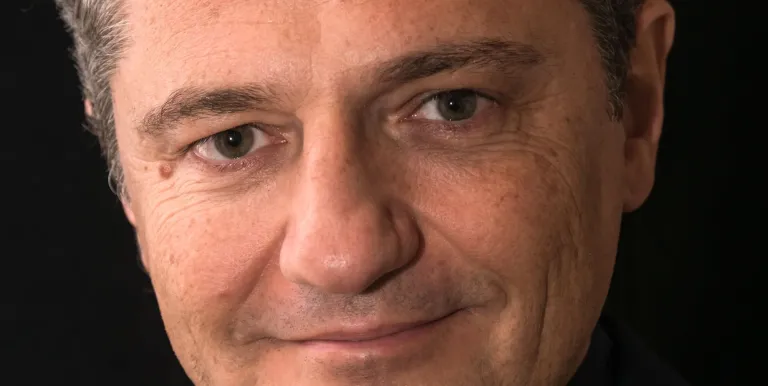
Long devoted to the treasures of Mendelssohn's oeuvre, György Vashegyi enjoys an intimate relationship with this oratorio: at the helm of his ensembles, the Purcell Choir and, functioning in symbiosis with it, the Orfeo Orchestra, he has conducted the composition several times over the past decades.
The concert will be preceded from 6.30 pm by a conversation entitled Prelude, where ticket holders will be invited to get to know the performing musician and the works to be performed more closely.
Presented by: Müpa Budapest
-
Parking is free of charge for visitors with tickets to any of our paid performances on the day of the performance. Upon entering the car park, you can either scan the barcode or QR code on your concert ticket, or take a parking ticket and validate it together with your concert ticket at one of the payment machines. Either option will enable you to exit through the gates operated by the number plate recognition system. We recommend that you plan to arrive at Müpa in good time, so that you can find the ideal parking spot quickly and without difficulty and arrive at your performance comfortably. The detailed parking policy of Müpa Budapest is available here.