
one interval
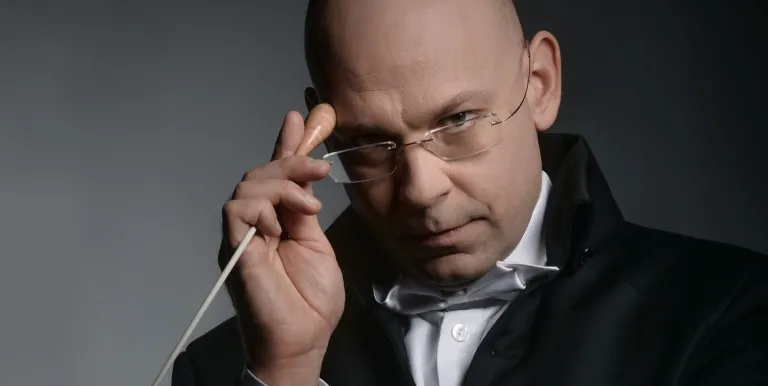
Conductor:
Featuring:
Rachmaninoff
Spring – cantata, op. 20
Berlioz
Nuits d'été – song cycle, op. 7
Rachmaninoff
The Bells – cantata, op. 35
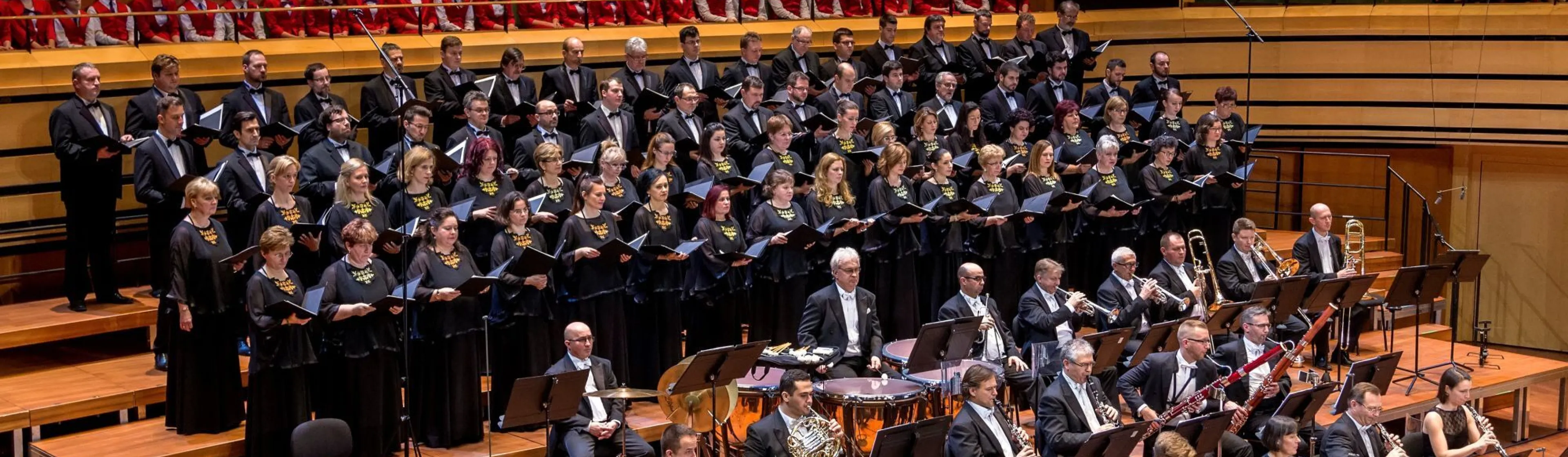
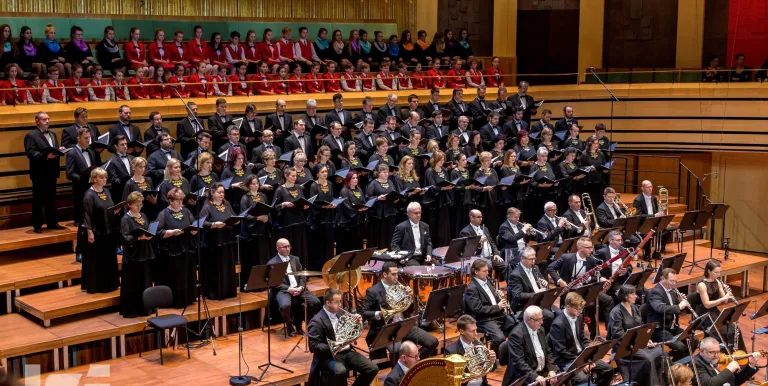
In the second half of the 18th century, concert arias constituted a natural part of orchestral concerts. In the 19th century, symphonic songs, song cycles and lyric cantatas performed a similar function. The programme for this night of Romantic music with the Hungarian Radio Symphony Orchestra features some representative works from this unique genre conceived in the 19th century. As he did with so many other Romantic genres, Hector Berlioz played a key role in the development of Romantic songs, with his orchestral version of Schubert's Erlkönig and his own Nuits d'été springing immediately to mind. His example had a stimulating effect on Liszt, Richard Strauss, Mahler, Grieg, Ravel and, of course, the Russian composers Rimsky-Korsakov and Rachmaninoff. The cantata Spring originates from 1902, during the period of Rachmaninoff's creative rebirth and around the same time he wrote his renowned Piano Concerto No. 2. The poem he selected to set to music is about a jealous and frustrated husband who is disappointed in his marriage and gripped by passionate and murderous thoughts of revenge. The approaching spring, however, delivers to him the possibility of relief and forgiveness.
Rachmaninoff's orchestral poem The Bells, which is often referred to as a 'choral symphony', dates from more than ten years later. The primary inspiration behind this piece, composed to a Russian translation of Edgar Allan Poe's famous poem, was perhaps not the verses themselves but the acoustic imprint from childhood of the ringing bells of Russian churches, not to mention the presence of bells in the works of the great Russian composers who had come before him.
Presented by: Hungarian Radio Art Groups




-
We wish to inform you that in the event that Müpa Budapest's underground garage and outdoor car park are operating at full capacity, it is advisable to plan for increased waiting times when you arrive. In order to avoid this, we recommend that you depart for our events in time, so that you you can find the ideal parking spot quickly and smoothly and arrive for our performance in comfort. The Müpa Budapest underground garage gates will be operated by an automatic number plate recognition system. Parking is free of charge for visitors with tickets to any of our paid performances on that given day. The detailed parking policy of Müpa Budapest is available here.