
Digital programme booklet
-
Conductor:
Ádám FischerFeaturing:
soprano Nikola Hillebrandtenor Mauro Peterbass Andreas Bauer Kanabasthe Danish Chamber OrchestraArnold Schoenberg Choir (artistic director: Erwin Ortner) -
Composers working prior to the birth of Joseph Haydn (1732–1809) always believed that anything could be depicted in musical notes: mountains, bodies of water, plants, animals, personal attributes, activities and the four seasons. In his oratorio The Creation (Die Schöpfung), however, the Austrian composer from Rohrau portrayed the entire world from the perspective of the story of its origin. Haydn was no longer young when he wrote the work, starting it at age 65 in 1797, seven years after leaving his by-then disagreeable post as resident musician for the Esterházy family, and finishing it the following year. Significant from the point of view of how the concept behind the oratorio formed are his two stays in London (in 1791/92 and 1794/95) and the impact of hearing some of Handel’s oratorios performed there – particularly the importance and function of the chorus and how it is handled.
Composed to text by the Viennese diplomat Baron Gottfried van Swieten (1733–1803) based on the Book of Genesis, Milton’s Paradise Lost and input from Thomas Linley, the work was first premiered at Vienna’s Burgtheater on 19 March 1799 – and generated huge interest and overwhelming acclaim. The first two parts deal with the six days of creation, while the third and final part presents the Edenic happiness of Adam and Eve. The fascinating wellspring of this music in the Viennese classic style is the so-called madrigalism employing countless details to illustrate animals, plants, celestial objects, mountains and bodies of water with sounds.

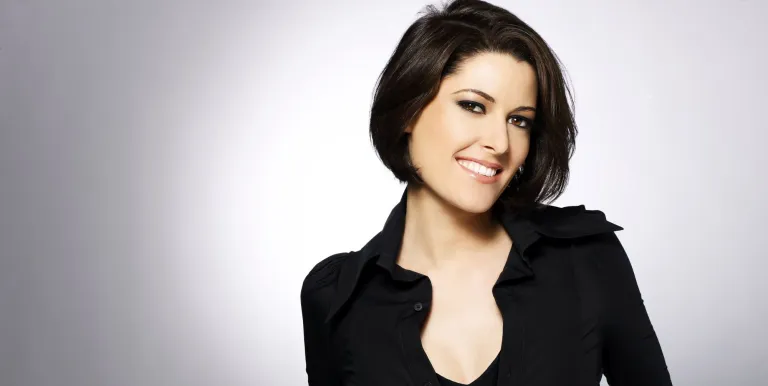
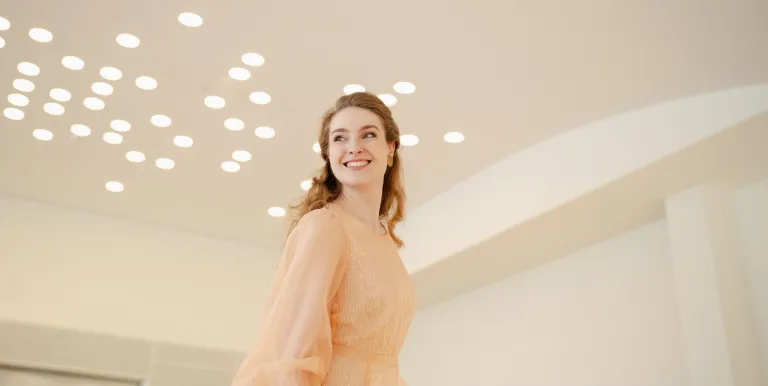
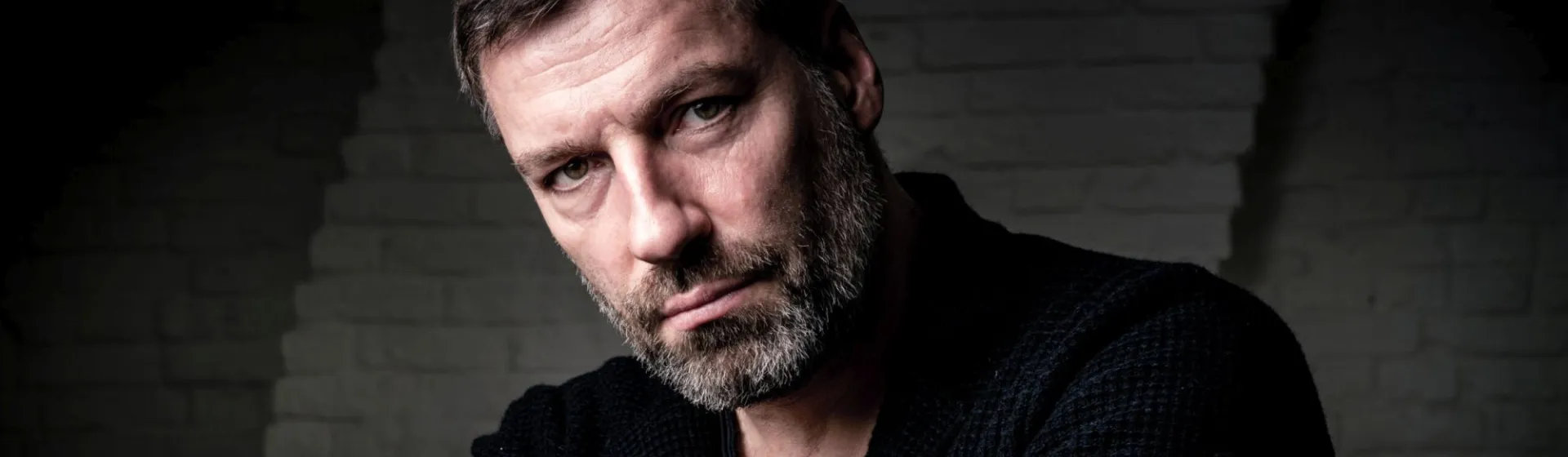
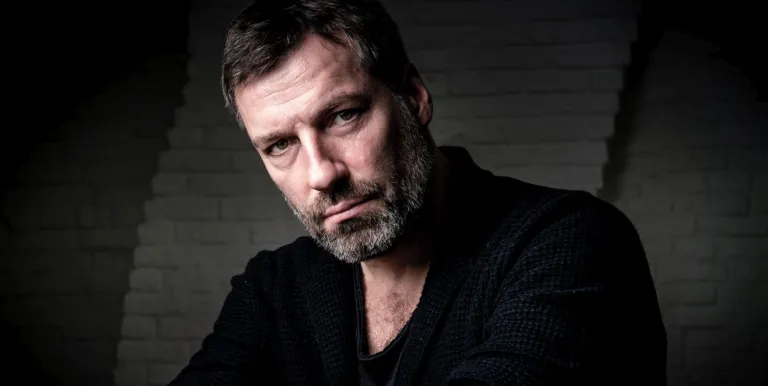
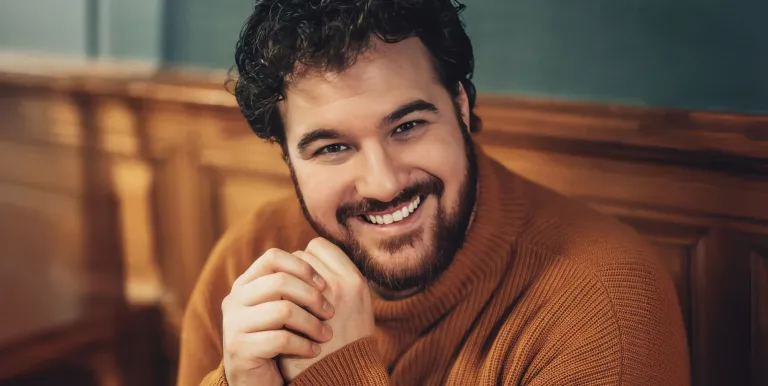
Ádám Fischer (1949), the permanent conductor of Müpa Budapest’s New Year’s concerts, is a musician of international renown, a regular guest at the world’s great concert halls and opera houses and the artistic director of the internationally lauded Budapest Wagner Days. His partners this time are the Danish Chamber Orchestra, with which he shares a long-standing artistic kinship, and the Vienna Arnold Schoenberg Choir, an ensemble whose history has become inextricably linked to Nikolaus Harnoncourt’s productions. The three outstanding soloists – all of them excellent opera, oratorio and Lied singers – are Nikola Hillebrand, Mauro Peter and Andreas Bauer Kanabas.
-
Conductor:
Ádám FischerFeaturing:
soprano Nikola Hillebrandtenor Mauro Peterbass Andreas Bauer Kanabasthe Danish Chamber OrchestraArnold Schoenberg Choir (artistic director: Erwin Ortner) -
Composers working prior to the birth of Joseph Haydn (1732–1809) always believed that anything could be depicted in musical notes: mountains, bodies of water, plants, animals, personal attributes, activities and the four seasons. In his oratorio The Creation (Die Schöpfung), however, the Austrian composer from Rohrau portrayed the entire world from the perspective of the story of its origin. Haydn was no longer young when he wrote the work, starting it at age 65 in 1797, seven years after leaving his by-then disagreeable post as resident musician for the Esterházy family, and finishing it the following year. Significant from the point of view of how the concept behind the oratorio formed are his two stays in London (in 1791/92 and 1794/95) and the impact of hearing some of Handel’s oratorios performed there – particularly the importance and function of the chorus and how it is handled.
Composed to text by the Viennese diplomat Baron Gottfried van Swieten (1733–1803) based on the Book of Genesis, Milton’s Paradise Lost and input from Thomas Linley, the work was first premiered at Vienna’s Burgtheater on 19 March 1799 – and generated huge interest and overwhelming acclaim. The first two parts deal with the six days of creation, while the third and final part presents the Edenic happiness of Adam and Eve. The fascinating wellspring of this music in the Viennese classic style is the so-called madrigalism employing countless details to illustrate animals, plants, celestial objects, mountains and bodies of water with sounds.
Ádám Fischer (1949), the permanent conductor of Müpa Budapest’s New Year’s concerts, is a musician of international renown, a regular guest at the world’s great concert halls and opera houses and the artistic director of the internationally lauded Budapest Wagner Days. His partners this time are the Danish Chamber Orchestra, with which he shares a long-standing artistic kinship, and the Vienna Arnold Schoenberg Choir, an ensemble whose history has become inextricably linked to Nikolaus Harnoncourt’s productions. The three outstanding soloists – all of them excellent opera, oratorio and Lied singers – are Nikola Hillebrand, Mauro Peter and Andreas Bauer Kanabas.