Digital programme booklet
-
Conductor: Christina Pluhar
Dido: Emőke Baráth
Aeneas: Tomáš Král
Venus, Belinda: Céline Scheen
Sorceress: Luciana Mancini
First Enchantress, Handmaiden, First Witch: Johanna Rosa Falkinger
Second Enchantress, Second Witch: Benedetta Mazzucato
Phoebus, Spirit: Dingle YandellFeaturing:
VOKTETT Hannover
Ensemble L’ArpeggiataReconstruction and arrangement of the Prologue by Christina Pluhar.
-
Henry Purcell (1659–1695) is one of the leading figures in the history of English music and was the founder of English Baroque music. Borrowing the title of his collections of songs published posthumously, posterity gladly bestowed the moniker Orpheus Britannicus upon the man himself. Over the course of his brief lifespan, he composed in a great variety of genres, the most significant among his works being theatrical pieces. Of these, the best known is his only true opera, Dido and Aeneas, which draws its subject from Aeneid, one of the most important works by the great ancient Roman poet Publius Vergilius Maro (70–19 BC). The libretto was written by the English-Irish poet and hymnist Nahum Tate (1652–1715).
© Michal Novak
The work in three acts differs from most Baroque operas in that its length is just an hour, its plot is simple, and the instrumental apparatus accompanying the singers is modest. This likely has much to do with the fact that the first performance in 1689 took place in the girls’ boarding school run by the English dancing master and choreographer Josias Priest in the London district of Chelsea. The happiness of the Carthaginian queen and the heroic Trojan commander are shattered by the intrigue of an evil sorceress and her witches: they raise a storm to separate the hunting lovers, then compel Aeneas, by means of a false command from Jupiter, to set sail with his men and abandon Dido, who dies of grief.
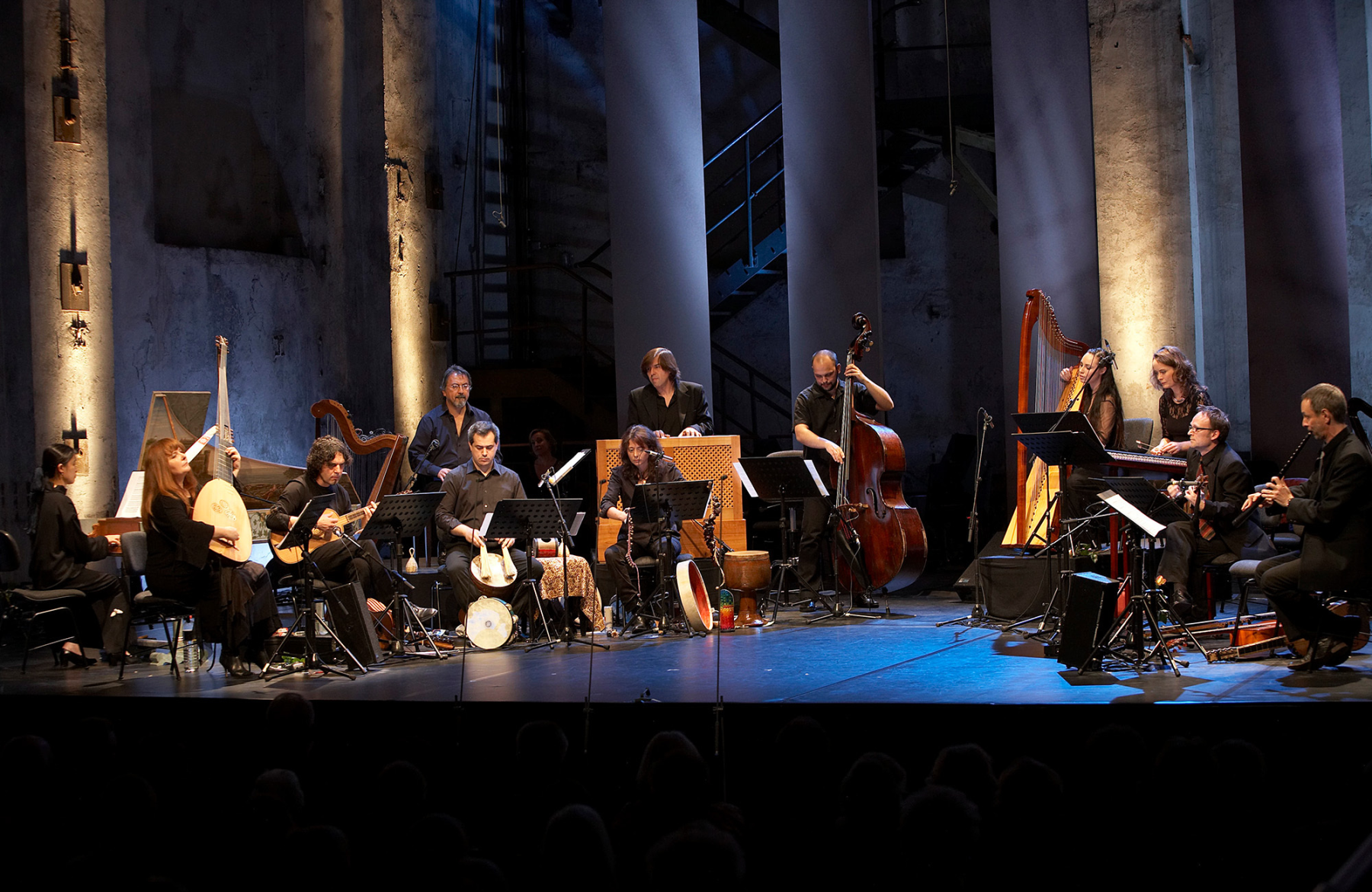
L’Arpeggiata, an ensemble renowned for its thrilling experiments at the forefront of historical performance practice, was founded in 2000 by outstanding musicians from many countries. It has been led by the Austrian theorbist, harpist and conductor Christina Pluhar from the beginning. Their recordings and concerts are characterised by a passion for unusual projects and an original, inquisitive approach. On the Müpa Budapest stage, the ensemble will perform Purcell’s opera with the world-famous Hungarian soprano Emőke Baráth – the venue’s Artist of the Season in 2021/2022 – and the internationally acclaimed Czech baritone Tomáš Král in the title roles. The participation of the Belgian soprano Céline Scheen, the Chilean-Swedish mezzo-soprano Luciana Mancini, the Austrian soprano Johanna Rosa Falkinger, the Italian alto Benedetta Mazzucato and the British bass-baritone Dingle Yandell are sure to turn the performance into a colourful international production. Since its foundation in 2012, the eight-member VOKTETT Hannover vocal ensemble has appeared at Europe’s most prestigious festivals and concert halls as a collaborator in countless outstanding concerts.
-
Conductor: Christina Pluhar
Dido: Emőke Baráth
Aeneas: Tomáš Král
Venus, Belinda: Céline Scheen
Sorceress: Luciana Mancini
First Enchantress, Handmaiden, First Witch: Johanna Rosa Falkinger
Second Enchantress, Second Witch: Benedetta Mazzucato
Phoebus, Spirit: Dingle YandellFeaturing:
VOKTETT Hannover
Ensemble L’ArpeggiataReconstruction and arrangement of the Prologue by Christina Pluhar.
-
Henry Purcell (1659–1695) is one of the leading figures in the history of English music and was the founder of English Baroque music. Borrowing the title of his collections of songs published posthumously, posterity gladly bestowed the moniker Orpheus Britannicus upon the man himself. Over the course of his brief lifespan, he composed in a great variety of genres, the most significant among his works being theatrical pieces. Of these, the best known is his only true opera, Dido and Aeneas, which draws its subject from Aeneid, one of the most important works by the great ancient Roman poet Publius Vergilius Maro (70–19 BC). The libretto was written by the English-Irish poet and hymnist Nahum Tate (1652–1715).
© Michal Novak
The work in three acts differs from most Baroque operas in that its length is just an hour, its plot is simple, and the instrumental apparatus accompanying the singers is modest. This likely has much to do with the fact that the first performance in 1689 took place in the girls’ boarding school run by the English dancing master and choreographer Josias Priest in the London district of Chelsea. The happiness of the Carthaginian queen and the heroic Trojan commander are shattered by the intrigue of an evil sorceress and her witches: they raise a storm to separate the hunting lovers, then compel Aeneas, by means of a false command from Jupiter, to set sail with his men and abandon Dido, who dies of grief.
L’Arpeggiata, an ensemble renowned for its thrilling experiments at the forefront of historical performance practice, was founded in 2000 by outstanding musicians from many countries. It has been led by the Austrian theorbist, harpist and conductor Christina Pluhar from the beginning. Their recordings and concerts are characterised by a passion for unusual projects and an original, inquisitive approach. On the Müpa Budapest stage, the ensemble will perform Purcell’s opera with the world-famous Hungarian soprano Emőke Baráth – the venue’s Artist of the Season in 2021/2022 – and the internationally acclaimed Czech baritone Tomáš Král in the title roles. The participation of the Belgian soprano Céline Scheen, the Chilean-Swedish mezzo-soprano Luciana Mancini, the Austrian soprano Johanna Rosa Falkinger, the Italian alto Benedetta Mazzucato and the British bass-baritone Dingle Yandell are sure to turn the performance into a colourful international production. Since its foundation in 2012, the eight-member VOKTETT Hannover vocal ensemble has appeared at Europe’s most prestigious festivals and concert halls as a collaborator in countless outstanding concerts.