Digital programme booklet
-
Shostakovich
Violin Concerto No. 1 in A minor, Op. 77
1. Nocturne. Moderato
2. Scherzo. Allegro
3. Passacaglia. Andante – Cadenza (attacca)
4. Burlesque. Allegro con brio – PrestoBeethoven
Symphony No. 3 in E-flat major (‘Eroica’), Op. 55
1. Allegro con brio
2. Marcia funebre. Adagio assai
3. Scherzo. Allegro vivace
4. Finale. Allegro moltoFeaturing:
Patricia Kopatchinskaja – violin
Rotterdam Philharmonic OrchestraConductor:
Lahav Shani
-
Dmitri Shostakovich (1906–1975) wrote his modern-spirited Violin Concerto No. 1 in A minor in 1947/48, during the ideological purges conducted in the name of the cultural policy of the feared Soviet official Andrei Zhdanov and his campaign against “formalism in music”. In order to avoid attacks, he kept his work hidden away in his desk drawer for seven years. Dedicated to David Oistrakh and quite difficult to play, the piece nevertheless holds back from anything flash, instead exploring a world of profound thought and emotion. In terms of genre, its four movements allude to a symphony, while their division into alternating slow and fast tempos suggests a sonata da chiesa, even as the names of the movements – Nocturne, Scherzo, Passacaglia and Burlesque – themselves remind the listener of a suite. The premiere, held in Leningrad on 29 October 1955, proved a great success.
While the first two symphonies Ludwig van Beethoven (1770–1827) wrote still follow the model of Mozart and Haydn, the Third introduces a change of scale to his symphonic output: the work, nicknamed the Eroica (meaning ‘heroic’), is much more massive and more symphonic in sound, incorporating a more theatrical world of gestures and employing sharper accents. With his political outlook largely consumed with the ideals of liberty, equality and fraternity, the composer trusted Napoleon to act as a servant of the people and planned to dedicate his new symphony to him. Later dismayed to learn that the French first consul was preparing to declare himself emperor, however, he tore up the title page, along with the dedication. The four-movement work consists of an opening movement in sonata form, a grand funeral march, a fast-paced, energetic scherzo, and a finale of variations on a simple theme organised in a highly complex structure. The composition received its premiere in Vienna on 7 April 1805.
Founded in 1918, the Rotterdam Philharmonic Orchestra has evolved under the leadership of such conductors as Jean Fournet, Edo de Waart, Valery Gergiev and Yannick Nézet-Séguin into one of the finest symphony orchestras in the Netherlands. The orchestra is currently led by Lahav Shani.
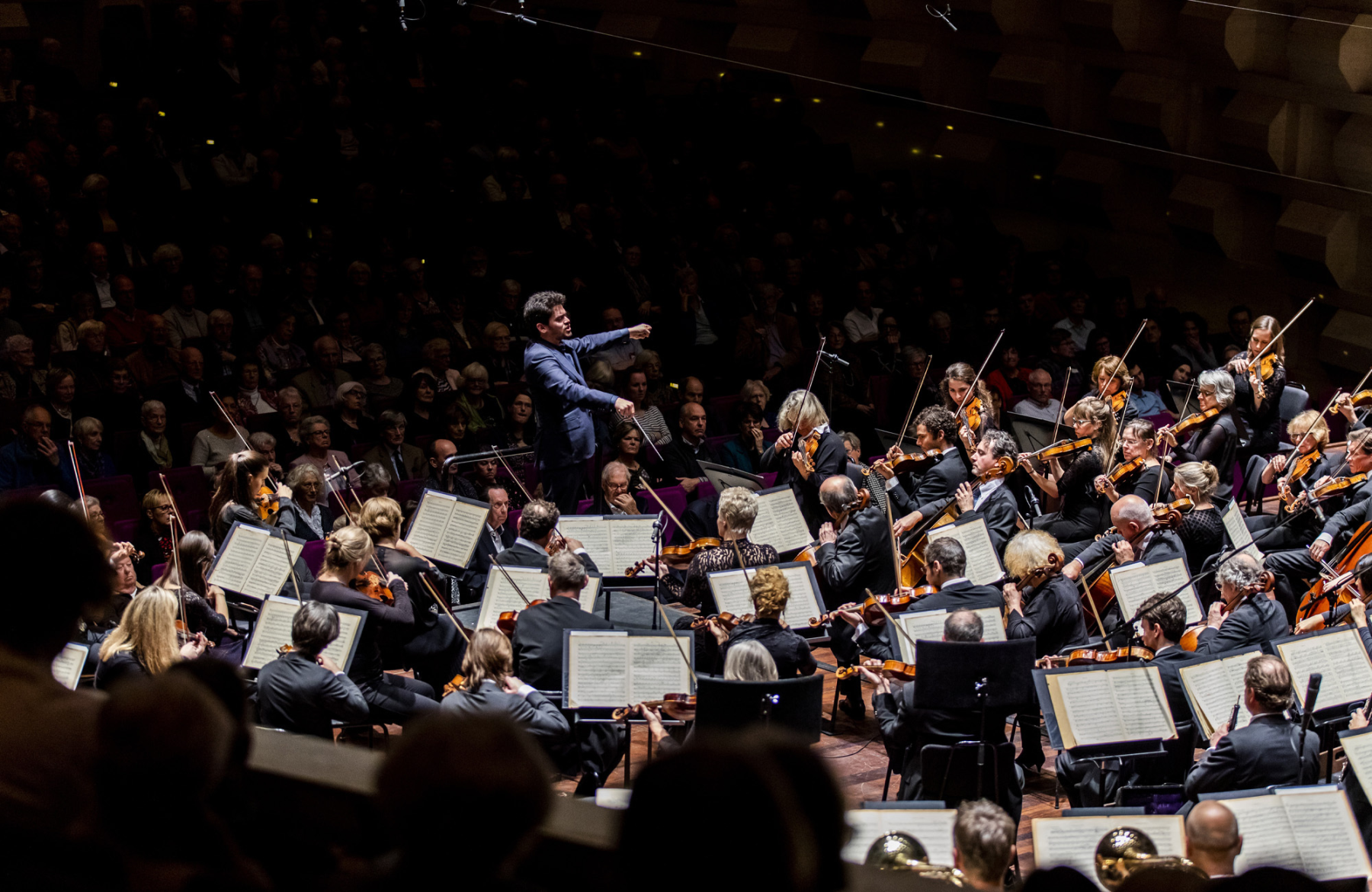
© Guido Pijper
Born in 1989, the Israeli conductor studied first in his homeland and then in Berlin, winning the Gustav Mahler Conducting Competition in Bamberg in 2013. His contract with the orchestra runs until 2026. Lahav Shani has been music director of the Israel Philharmonic Orchestra since 2020 and in summer 2026, he will take up his post as chief conductor of the Munich Philharmonic. Born in 1977, the Moldavian-Austrian-Swiss Patricia Kopatchinskaya is one of the most exciting violinists of our time.
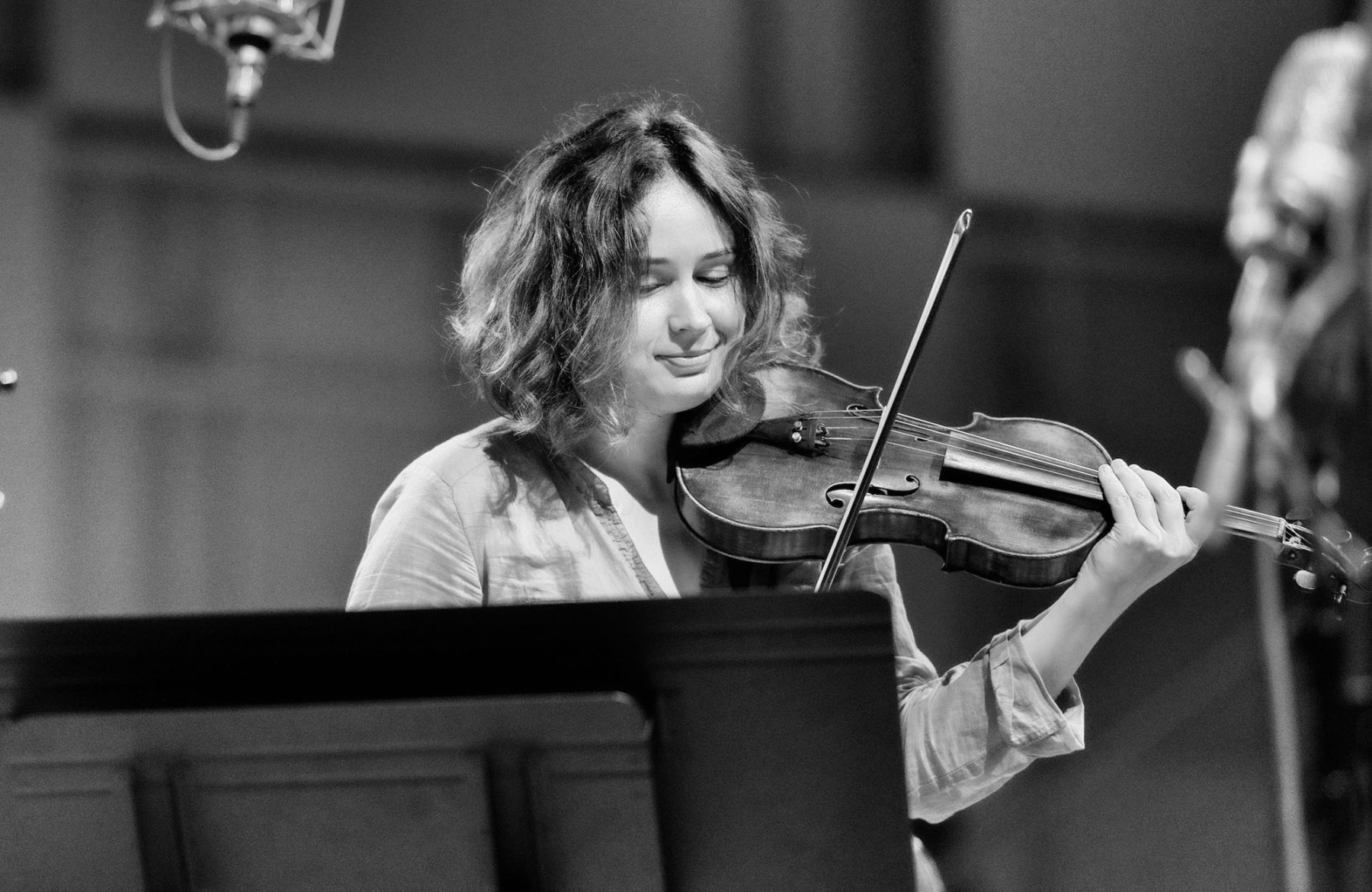
© Marco Borggreve
An experimental and innovative soloist and chamber musician, she performs with huge success all over the world, partnering with leading orchestras, conductors and fellow instrumentalists.
-
Shostakovich
Violin Concerto No. 1 in A minor, Op. 77
1. Nocturne. Moderato
2. Scherzo. Allegro
3. Passacaglia. Andante – Cadenza (attacca)
4. Burlesque. Allegro con brio – PrestoBeethoven
Symphony No. 3 in E-flat major (‘Eroica’), Op. 55
1. Allegro con brio
2. Marcia funebre. Adagio assai
3. Scherzo. Allegro vivace
4. Finale. Allegro moltoFeaturing:
Patricia Kopatchinskaja – violin
Rotterdam Philharmonic OrchestraConductor:
Lahav Shani
-
Dmitri Shostakovich (1906–1975) wrote his modern-spirited Violin Concerto No. 1 in A minor in 1947/48, during the ideological purges conducted in the name of the cultural policy of the feared Soviet official Andrei Zhdanov and his campaign against “formalism in music”. In order to avoid attacks, he kept his work hidden away in his desk drawer for seven years. Dedicated to David Oistrakh and quite difficult to play, the piece nevertheless holds back from anything flash, instead exploring a world of profound thought and emotion. In terms of genre, its four movements allude to a symphony, while their division into alternating slow and fast tempos suggests a sonata da chiesa, even as the names of the movements – Nocturne, Scherzo, Passacaglia and Burlesque – themselves remind the listener of a suite. The premiere, held in Leningrad on 29 October 1955, proved a great success.
While the first two symphonies Ludwig van Beethoven (1770–1827) wrote still follow the model of Mozart and Haydn, the Third introduces a change of scale to his symphonic output: the work, nicknamed the Eroica (meaning ‘heroic’), is much more massive and more symphonic in sound, incorporating a more theatrical world of gestures and employing sharper accents. With his political outlook largely consumed with the ideals of liberty, equality and fraternity, the composer trusted Napoleon to act as a servant of the people and planned to dedicate his new symphony to him. Later dismayed to learn that the French first consul was preparing to declare himself emperor, however, he tore up the title page, along with the dedication. The four-movement work consists of an opening movement in sonata form, a grand funeral march, a fast-paced, energetic scherzo, and a finale of variations on a simple theme organised in a highly complex structure. The composition received its premiere in Vienna on 7 April 1805.
Founded in 1918, the Rotterdam Philharmonic Orchestra has evolved under the leadership of such conductors as Jean Fournet, Edo de Waart, Valery Gergiev and Yannick Nézet-Séguin into one of the finest symphony orchestras in the Netherlands. The orchestra is currently led by Lahav Shani.
© Guido Pijper
Born in 1989, the Israeli conductor studied first in his homeland and then in Berlin, winning the Gustav Mahler Conducting Competition in Bamberg in 2013. His contract with the orchestra runs until 2026. Lahav Shani has been music director of the Israel Philharmonic Orchestra since 2020 and in summer 2026, he will take up his post as chief conductor of the Munich Philharmonic. Born in 1977, the Moldavian-Austrian-Swiss Patricia Kopatchinskaya is one of the most exciting violinists of our time.
© Marco Borggreve
An experimental and innovative soloist and chamber musician, she performs with huge success all over the world, partnering with leading orchestras, conductors and fellow instrumentalists.