

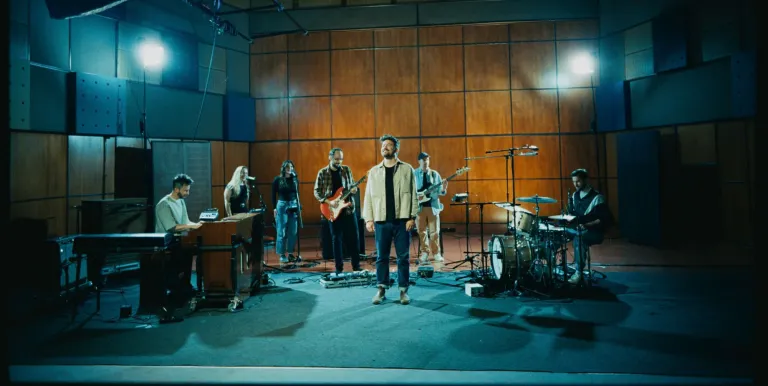
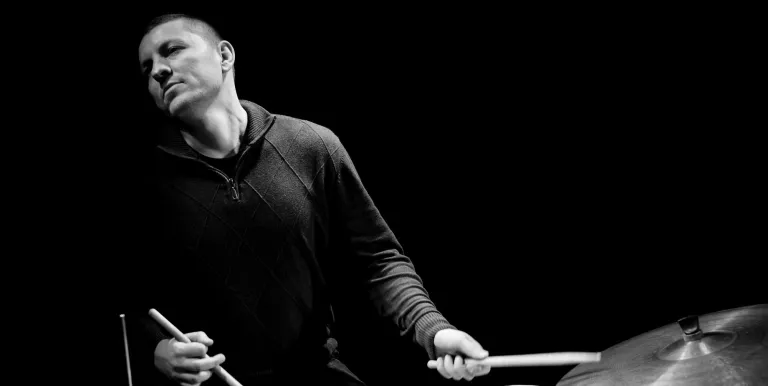
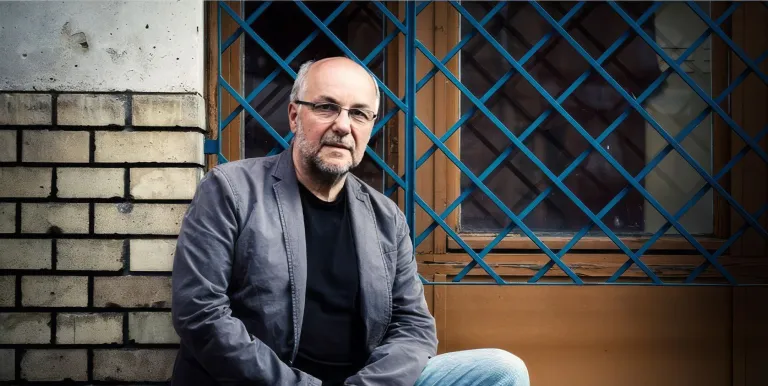
Chalaban: Said Tichiti – guembri, lute, vocals, percussion, Ahmed Tabet – mandolin, percussion, vocals, Dávid Torják – bass guitar, Bálint Kovács – guitar, Ferenc Golovic – drums, János Vázsonyi – saxophone, Péter Jelasity – saxophone, Abdul Aziz – percussion Chalaban, which was formed in Hungary, blends traditional Moroccan music with the modern and folk tunes of other cultures. Percussion instruments dominate, while Western music is represented by the saxophone, the guitar and the bass guitar. The band is regularly joined by guest musicians whose differing styles add extra colour to the performances of the group, which plays in several traditional Moroccan styles but is also highly receptive to other genres. In this way, Chalaban has played together with Bea Palya, David Yengibarian and David Shep. “Four-thousand-year-old rock ‘n roll”, wrote William Burroughs, the legendary figure of US beat literature about the trend also characterizing B’net Marrakesh. And the dynamism of the music, which sends the listener into a state of virtual ecstasy, is truly overwhelming. Add to all this the fact that B’net Marrakesh is made up exclusively of female musicians who have played this music since their childhoods. Before exploding onto the international scene at the 1998 WOMAD festival, they had mainly performed at family events. Besides the traditional Berber songs, they have added other genres of Moroccan music to their repertoire, complementing the call-and-response Berber vocals with the urban pop styles of rai and chaabi. In these productions they give voice to stringed or bowed instruments such as the ud or kemenche. Anyone attempting to follow the deluge of rhythms played by B’net Marrakesh may find they have bitten off more than they can chew. Within a given song, with several changes of rhythm the percussion instruments constantly add new layers of sound, all of which culminates in a short but incredibly intense “climax” of dance, drumming and singing. The performances are also visually stunning!
Presented by:

-
We wish to inform you that in the event that Müpa Budapest's underground garage and outdoor car park are operating at full capacity, it is advisable to plan for increased waiting times when you arrive. In order to avoid this, we recommend that you depart for our events in time, so that you you can find the ideal parking spot quickly and smoothly and arrive for our performance in comfort. The Müpa Budapest underground garage gates will be operated by an automatic number plate recognition system. Parking is free of charge for visitors with tickets to any of our paid performances on that given day. The detailed parking policy of Müpa Budapest is available here.