
Digital programme booklet
-
Don Juan:
Don Juan Francesco TotaroSganarelle, servant to Don Juan Csongor FüzesiDonna Elvira Letizia MelchiorreDonna Anna Miriam MunnoDon Ottavio Gergely CzárZerlina Adrienn NyesteMasetto Lotár VinczeThe Devil Boglárka RudischDon Carlos and the Stone Guest Róbert KissDon Louis Gioele Marcanteservant to Donna Elvira Málna CsatóDames Diletta Ranuzzi, Hanna Dorsichmusic Christoph Willibald Glucklighting design Ferenc Stadlerlighting Dániel Szabóset design Balázs Czieglerset construction Scabellocostumes Bianca Imelda Jeremiaschoreography Tamás JuronicsModerato Cantabile:
dancers Diletta Ranuzzi
Gergely Czár
Letizia Melchiorre
Csongor Füzesi
Miriam Munno
Lotár Vincze
Róbert Kiss
Francesco Totaro
Gioele Marcante
Adrienn Nyeste
Boglárka Rudisch
Málna Csató
Hanna Dorsich
Alisa Kurilenkovamusic montagelighting design Ferenc Stadlerlighting Dániel Szabóset construction Scabellocostumes Bianca Imelda Jeremiaschoreography Enrico Morelli -

The Szeged Contemporary Dance Company is bringing the Budapest audience partially revamped versions of two of its key productions, both featuring new casts. The first – the work of Tamás Juronics – takes us into an all-consuming inferno of passion. while the second, crafted by Enrico Morelli, speaks of a controlled and restrained, yet very present desire.
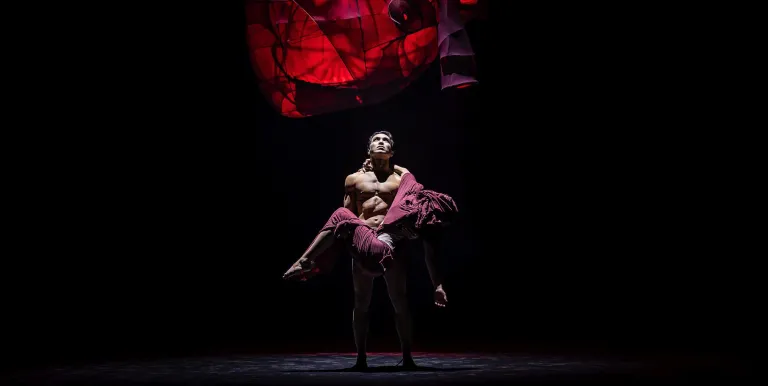
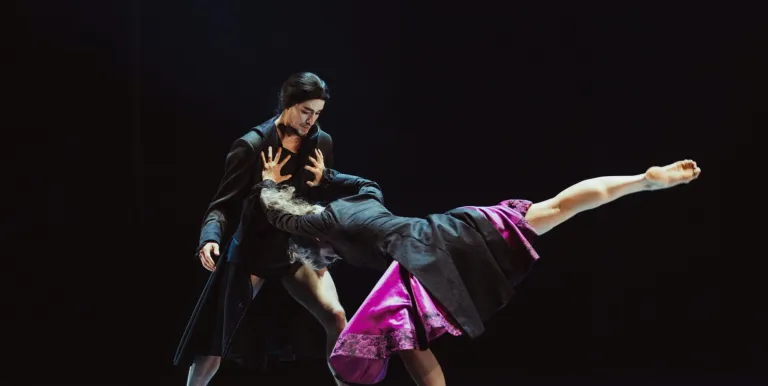
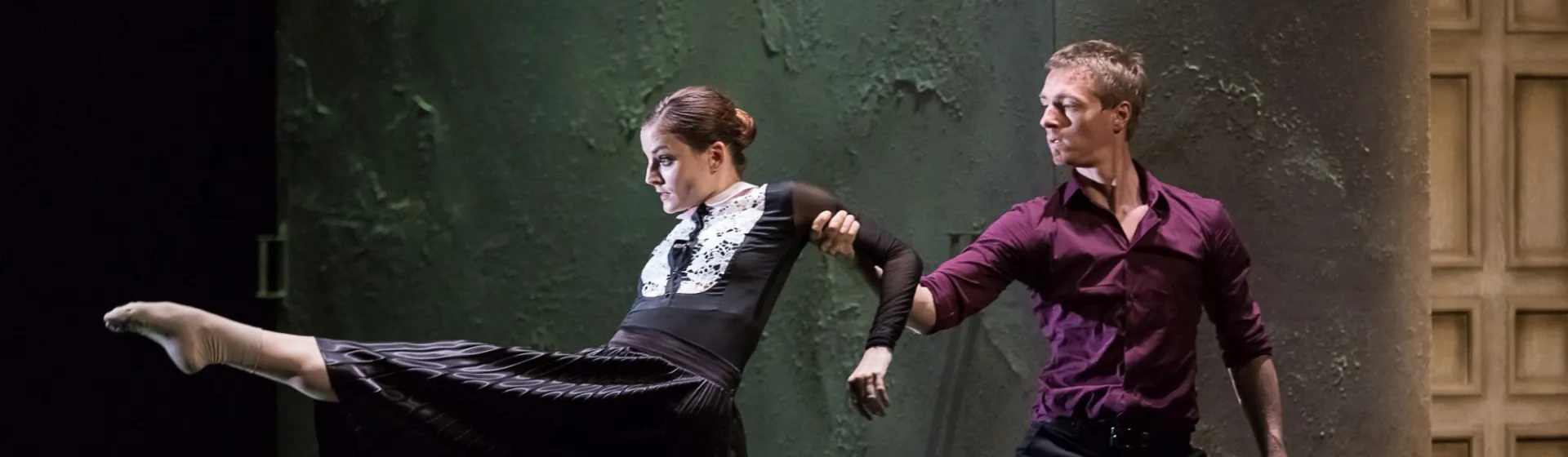
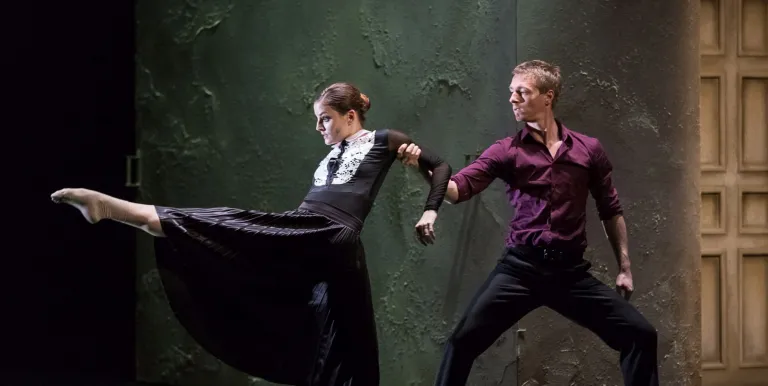
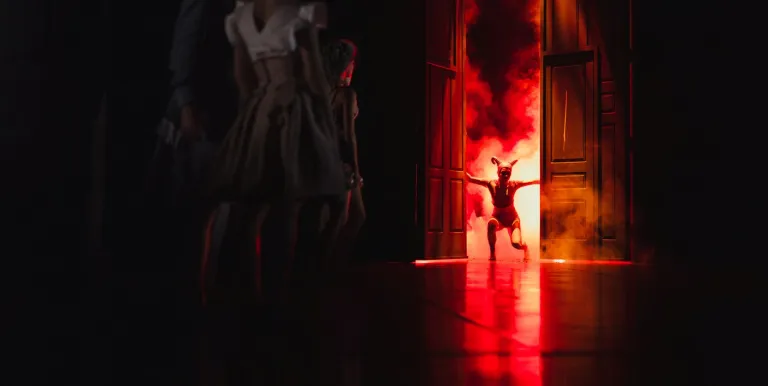
Over the course of the past few centuries, the story of Don Juan has evolved into something more than a record of the countless adventures of a womaniser. The former deceiver of Seville has become a great wanderer of Western culture comparable to Odysseus, Hamlet and Faust: his unwelcome encounter with the stone guest is equally familiar from the dramas on the subject by Tirso de Molina and Molière as it is from Mozart’s opera and Kierkegaard’s essay on the same theme. The point here, of course, is how Tamás Juronics, the Kossuth Prize-winning dancer, choreographer and artistic director of the Szeged Contemporary Dance Company, who has a special role in shaping the company’s distinctly original artistic profile, views the world’s most famous philanderer. As one critic described this take on the character: “Don Juan simultaneously channels an adulated rock star and a magician with mesmerising powers.” The protagonist is at once passionate and callous, tender and cruel, vain and heroic – he has just as many faces as the trophy women buzzing around him can possibly wish for. The story of Don Juan is actually the story of a man who does not consider the consequences of his actions: instead he experiences and survives everything life tosses his way – for as long as fate allows it.
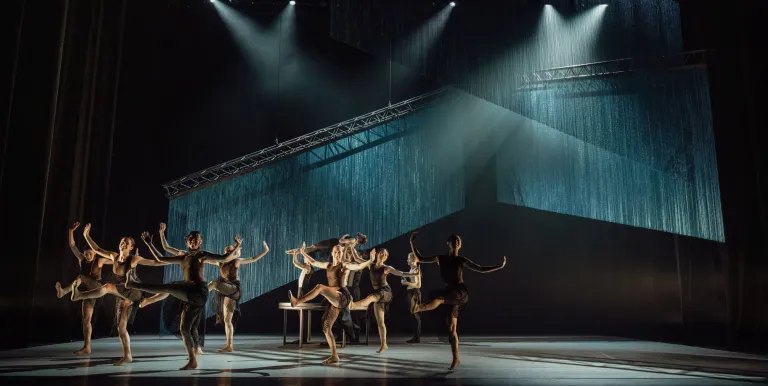
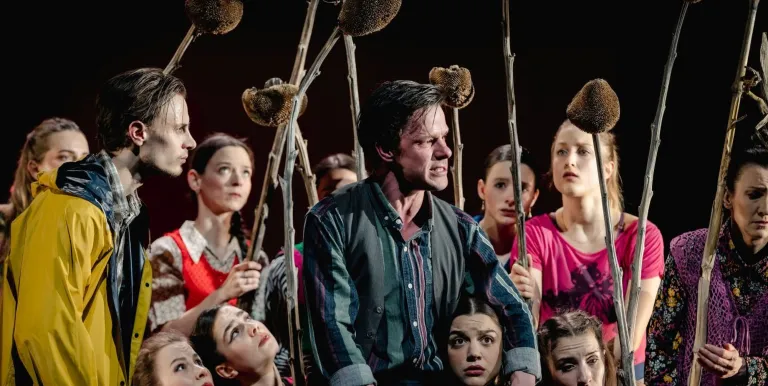
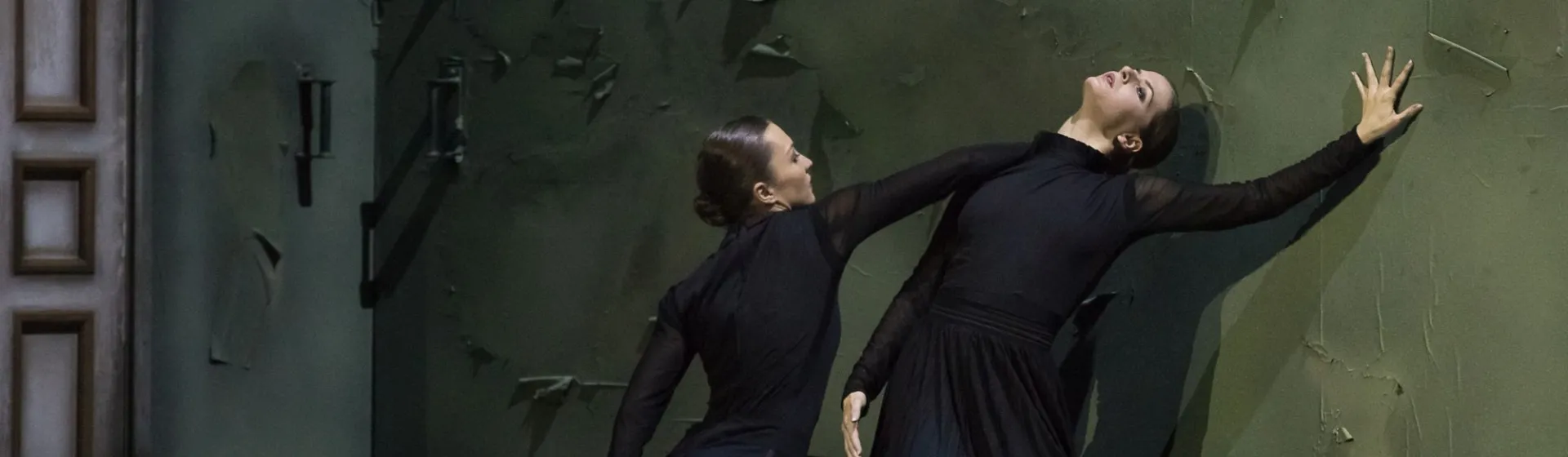
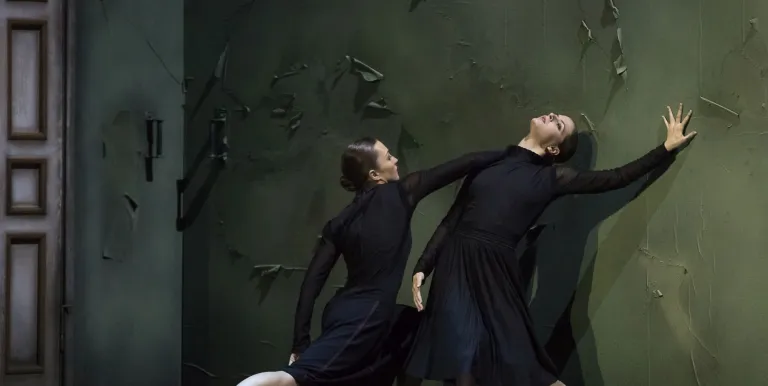
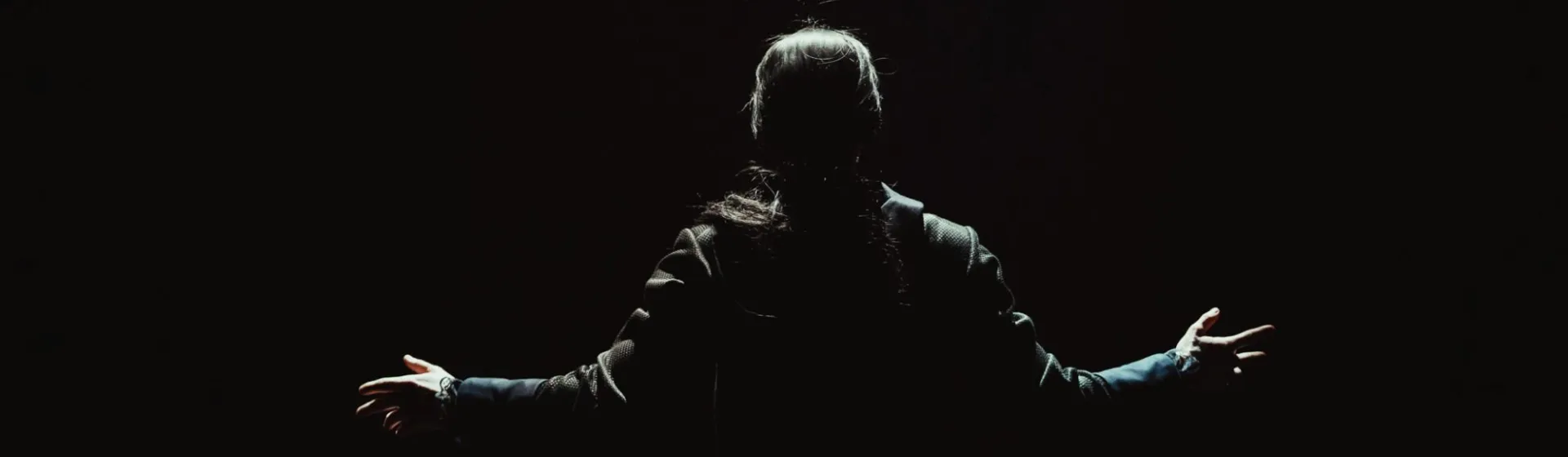
It was with Moderato Cantabile, a decade ago in 2015, that Enrico Morelli first joined creative forces with the Szeged company. The Italian dancer, choreographer and teacher, whose works combine a sensitive, modern world of movement with a deep technical understanding and expressive power, chose a musical term for the title of this dance drama: moderato cantabile simultaneously conveys a sense of disciplined, or moderated, so to speak, passion, while the slightly contrasting connotation of cantabile is one of a melodic and vocal-like performance style. The title is borrowed from Marguerite Duras, whose novel of the same name follows a woman living in tranquil but bleak affluence as she ponders the actual direction of her path in life and at whose side she will find true happiness. Morelli set this serious – though not gloomy – work in a room with strange properties and that exists outside of any specific space or time, where the characters arrive one after another. Of course, not only do they spend time there, they also leave their own marks on the space as it gradually fills with memories... But does true freedom actually exist? Can it come into being at all? Or is everything that surrounds us merely an illusion?
-
Don Juan:
Don Juan Francesco TotaroSganarelle, servant to Don Juan Csongor FüzesiDonna Elvira Letizia MelchiorreDonna Anna Miriam MunnoDon Ottavio Gergely CzárZerlina Adrienn NyesteMasetto Lotár VinczeThe Devil Boglárka RudischDon Carlos and the Stone Guest Róbert KissDon Louis Gioele Marcanteservant to Donna Elvira Málna CsatóDames Diletta Ranuzzi, Hanna Dorsichmusic Christoph Willibald Glucklighting design Ferenc Stadlerlighting Dániel Szabóset design Balázs Czieglerset construction Scabellocostumes Bianca Imelda Jeremiaschoreography Tamás JuronicsModerato Cantabile:
dancers Diletta Ranuzzi
Gergely Czár
Letizia Melchiorre
Csongor Füzesi
Miriam Munno
Lotár Vincze
Róbert Kiss
Francesco Totaro
Gioele Marcante
Adrienn Nyeste
Boglárka Rudisch
Málna Csató
Hanna Dorsich
Alisa Kurilenkovamusic montagelighting design Ferenc Stadlerlighting Dániel Szabóset construction Scabellocostumes Bianca Imelda Jeremiaschoreography Enrico Morelli -
The Szeged Contemporary Dance Company is bringing the Budapest audience partially revamped versions of two of its key productions, both featuring new casts. The first – the work of Tamás Juronics – takes us into an all-consuming inferno of passion. while the second, crafted by Enrico Morelli, speaks of a controlled and restrained, yet very present desire.
Over the course of the past few centuries, the story of Don Juan has evolved into something more than a record of the countless adventures of a womaniser. The former deceiver of Seville has become a great wanderer of Western culture comparable to Odysseus, Hamlet and Faust: his unwelcome encounter with the stone guest is equally familiar from the dramas on the subject by Tirso de Molina and Molière as it is from Mozart’s opera and Kierkegaard’s essay on the same theme. The point here, of course, is how Tamás Juronics, the Kossuth Prize-winning dancer, choreographer and artistic director of the Szeged Contemporary Dance Company, who has a special role in shaping the company’s distinctly original artistic profile, views the world’s most famous philanderer. As one critic described this take on the character: “Don Juan simultaneously channels an adulated rock star and a magician with mesmerising powers.” The protagonist is at once passionate and callous, tender and cruel, vain and heroic – he has just as many faces as the trophy women buzzing around him can possibly wish for. The story of Don Juan is actually the story of a man who does not consider the consequences of his actions: instead he experiences and survives everything life tosses his way – for as long as fate allows it.
It was with Moderato Cantabile, a decade ago in 2015, that Enrico Morelli first joined creative forces with the Szeged company. The Italian dancer, choreographer and teacher, whose works combine a sensitive, modern world of movement with a deep technical understanding and expressive power, chose a musical term for the title of this dance drama: moderato cantabile simultaneously conveys a sense of disciplined, or moderated, so to speak, passion, while the slightly contrasting connotation of cantabile is one of a melodic and vocal-like performance style. The title is borrowed from Marguerite Duras, whose novel of the same name follows a woman living in tranquil but bleak affluence as she ponders the actual direction of her path in life and at whose side she will find true happiness. Morelli set this serious – though not gloomy – work in a room with strange properties and that exists outside of any specific space or time, where the characters arrive one after another. Of course, not only do they spend time there, they also leave their own marks on the space as it gradually fills with memories... But does true freedom actually exist? Can it come into being at all? Or is everything that surrounds us merely an illusion?