Digital programme booklet
-
Pohle
Herr, wenn ich dich nur habePeranda
O Jesu mi dulcissimeJohann Christoph Bach
Ach, daβ ich Wasser’s g’nug hätteAlbrici
Cogita, o homoRitter
Salve mi pueruleTunder
Ack Herre, låt dina helga änglarKnüpfer
Suite de danses – Allemande, Courante, Ballet, SarabandeKrieger
I frid vill jag nu faraFischer
Das klagende Schweden-ReichTunder
Jubilate et exultate, vivat rex Carolus
Featuring:Lucile Richardot – mezzo-soprano
Ensemble Correspondances (artistic director: Sébastien Daucé) -
The Ensemble Correspondances concert entitled Northern Light provides an insight into a particularly rich – yet seldom performed – chapter of 17th-century northern European music: the fascinating world of the Swedish royal court, which brought together a variety of diverse influences. The pieces featured on the programme here are drawn from the Düben Collection, the unique source material assembled by the elder Gustav Düben and his family for the Stockholm court. Today, it is among the most treasured possessions of the Uppsala University Library and faithfully reflects how the north German Protestant tradition of lamentation came into contact with the Italian concertato style and the elegance of the French court.
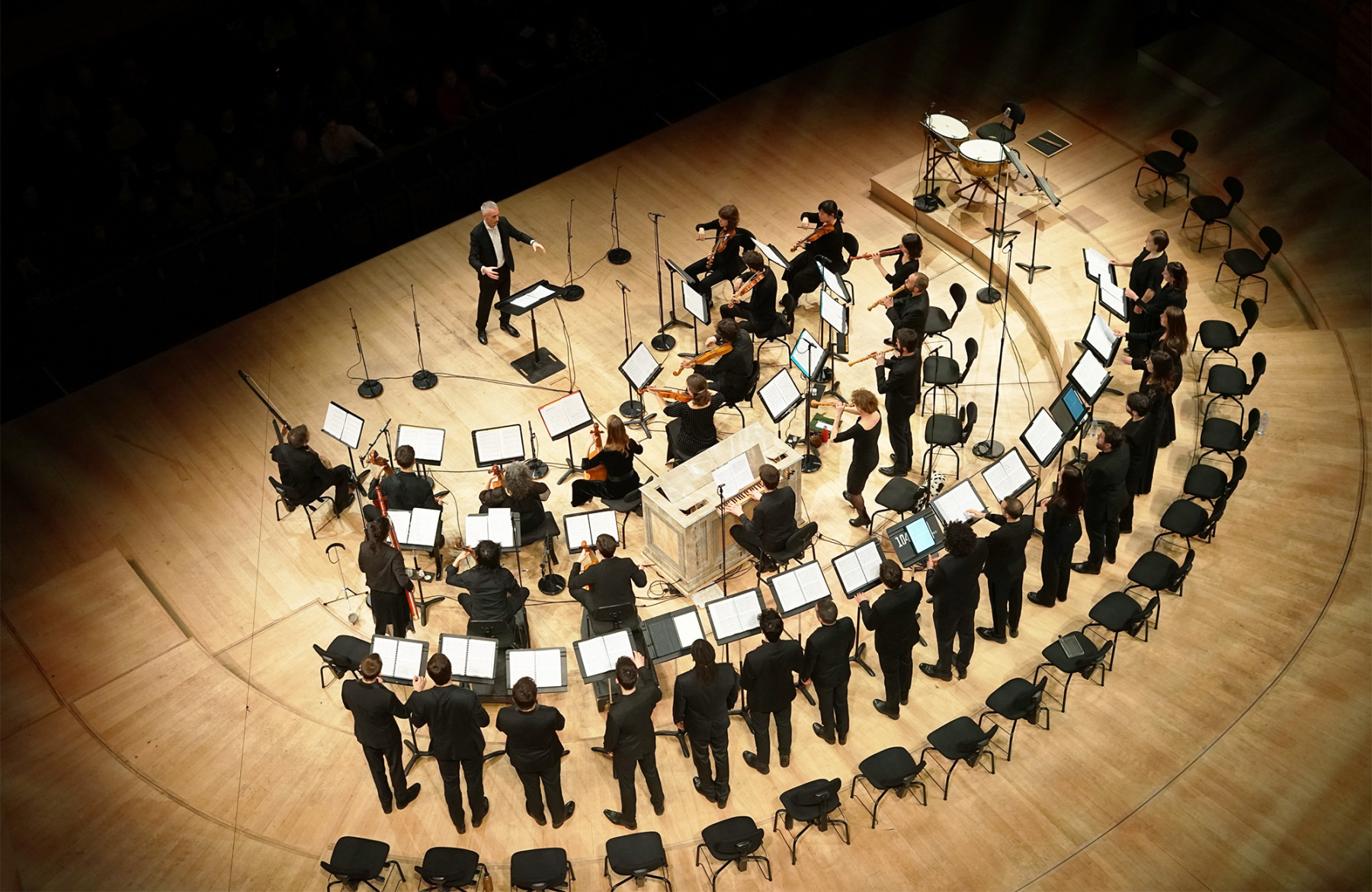
© Victoire Andrieux
The concert will trace a deliberate emotional arc, progressing from intimate, personal devotion towards pieces of communal celebration and royal representation. Johann Christoph Bach’s profoundly moving lamentation, the cantabile motets of Vincenzo Albrici and Giuseppe Peranda, and the soul-searching works of David Pohle and Johann Krieger all give voice to an individual’s most private prayers and contemplations. Christian Ritter’s joyful Christmas motet, which also reveals the mystery of the Nativity, serves as a kind of transition. These stand in contrast to the festive music – and the courtly laments for the sovereign – by Franz Tunder and Johann Fischer, which are closely linked to the figure and cult of Charles XI of Sweden. Roughly midway through the programme, Sebastian Knüpfer’s instrumental dance suite provides a counterpoint: its stylised dances evoke the refined movement culture of courtly life.
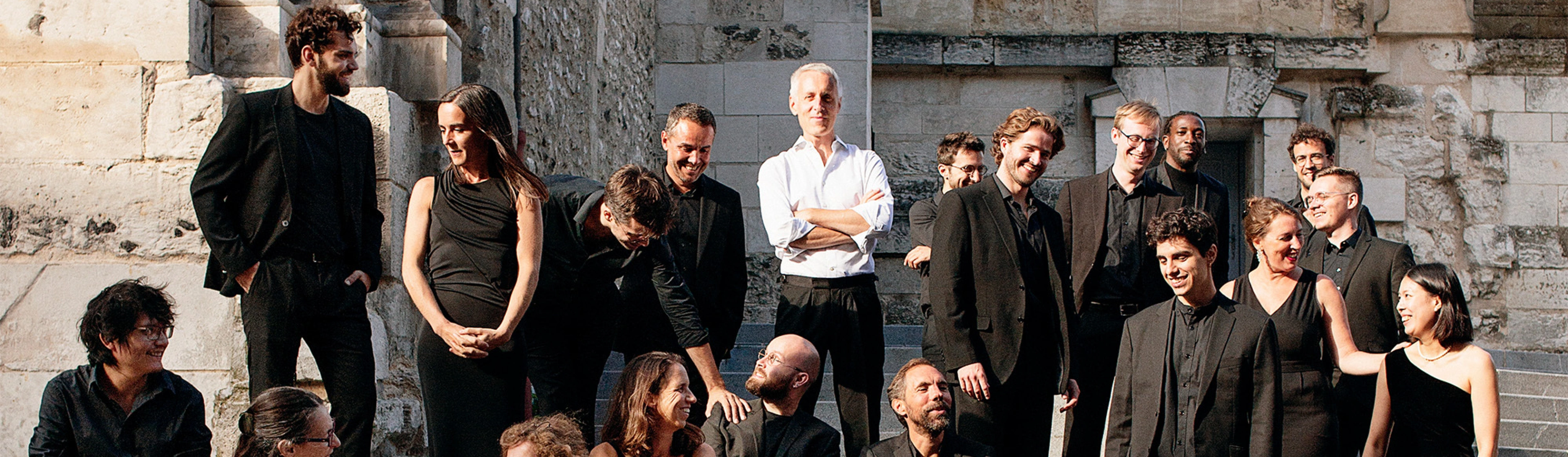
The performers for this evening are authoritative interpreters of the period in question. Founded by the French keyboard player and conductor Sébastien Daucé, Ensemble Correspondances has become one of the most significant specialists in the 17th-century vocal repertoire in recent years – bringing forgotten works vividly to life on their concert programmes and award-winning recordings by combining scholarly rigour with profound sensitivity. In the solo sections, the mezzo-soprano voice of Lucile Richardot – with its exceptional expressive force and dramatic depth – conveys the rhetorical power of the music, as though taking the listener gently by the hand through the thrilling world of the northern Baroque.
Northern Light is more than just a historical excursion; it is a musical articulation of timeless questions. Grief and consolation, repentance and hope, contemplation and praise each take their turn – reminding us of St Augustine’s counsel that “he who sings prays twice”. Things were no different in the 17th century; it was above all through music that the deepest responses to the finitude and meaning of life could be expressed.
-
Pohle
Herr, wenn ich dich nur habePeranda
O Jesu mi dulcissimeJohann Christoph Bach
Ach, daβ ich Wasser’s g’nug hätteAlbrici
Cogita, o homoRitter
Salve mi pueruleTunder
Ack Herre, låt dina helga änglarKnüpfer
Suite de danses – Allemande, Courante, Ballet, SarabandeKrieger
I frid vill jag nu faraFischer
Das klagende Schweden-ReichTunder
Jubilate et exultate, vivat rex Carolus
Featuring:Lucile Richardot – mezzo-soprano
Ensemble Correspondances (artistic director: Sébastien Daucé) -
The Ensemble Correspondances concert entitled Northern Light provides an insight into a particularly rich – yet seldom performed – chapter of 17th-century northern European music: the fascinating world of the Swedish royal court, which brought together a variety of diverse influences. The pieces featured on the programme here are drawn from the Düben Collection, the unique source material assembled by the elder Gustav Düben and his family for the Stockholm court. Today, it is among the most treasured possessions of the Uppsala University Library and faithfully reflects how the north German Protestant tradition of lamentation came into contact with the Italian concertato style and the elegance of the French court.
© Victoire Andrieux
The concert will trace a deliberate emotional arc, progressing from intimate, personal devotion towards pieces of communal celebration and royal representation. Johann Christoph Bach’s profoundly moving lamentation, the cantabile motets of Vincenzo Albrici and Giuseppe Peranda, and the soul-searching works of David Pohle and Johann Krieger all give voice to an individual’s most private prayers and contemplations. Christian Ritter’s joyful Christmas motet, which also reveals the mystery of the Nativity, serves as a kind of transition. These stand in contrast to the festive music – and the courtly laments for the sovereign – by Franz Tunder and Johann Fischer, which are closely linked to the figure and cult of Charles XI of Sweden. Roughly midway through the programme, Sebastian Knüpfer’s instrumental dance suite provides a counterpoint: its stylised dances evoke the refined movement culture of courtly life.
The performers for this evening are authoritative interpreters of the period in question. Founded by the French keyboard player and conductor Sébastien Daucé, Ensemble Correspondances has become one of the most significant specialists in the 17th-century vocal repertoire in recent years – bringing forgotten works vividly to life on their concert programmes and award-winning recordings by combining scholarly rigour with profound sensitivity. In the solo sections, the mezzo-soprano voice of Lucile Richardot – with its exceptional expressive force and dramatic depth – conveys the rhetorical power of the music, as though taking the listener gently by the hand through the thrilling world of the northern Baroque.
Northern Light is more than just a historical excursion; it is a musical articulation of timeless questions. Grief and consolation, repentance and hope, contemplation and praise each take their turn – reminding us of St Augustine’s counsel that “he who sings prays twice”. Things were no different in the 17th century; it was above all through music that the deepest responses to the finitude and meaning of life could be expressed.