

Digital programme booklet
-
Bernstein
Symphonic Dances from West Side Story
Gershwin
Rhapsody in Blue
intervalProkofiev
Romeo and Juliet – Suites 1, 2 and 3, Op. 64bis, Op. 64ter, Op. 101 (excerpts)
Conductor:
Myung-Whun ChungFeaturing:
piano Makoto OzoneTokyo Philharmonic Orchestra -
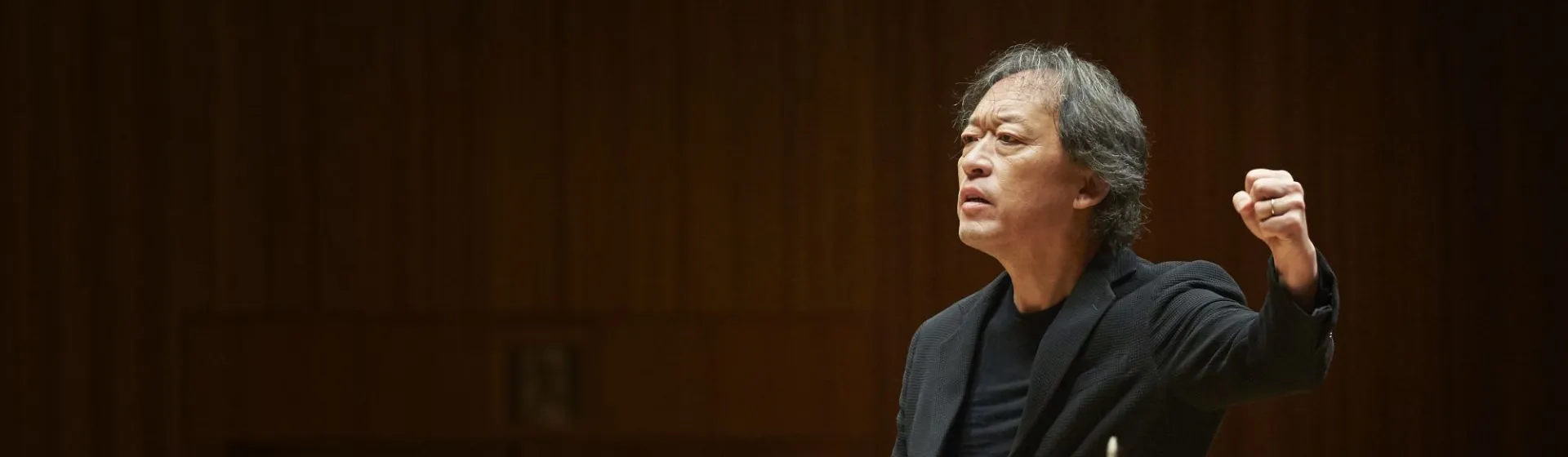
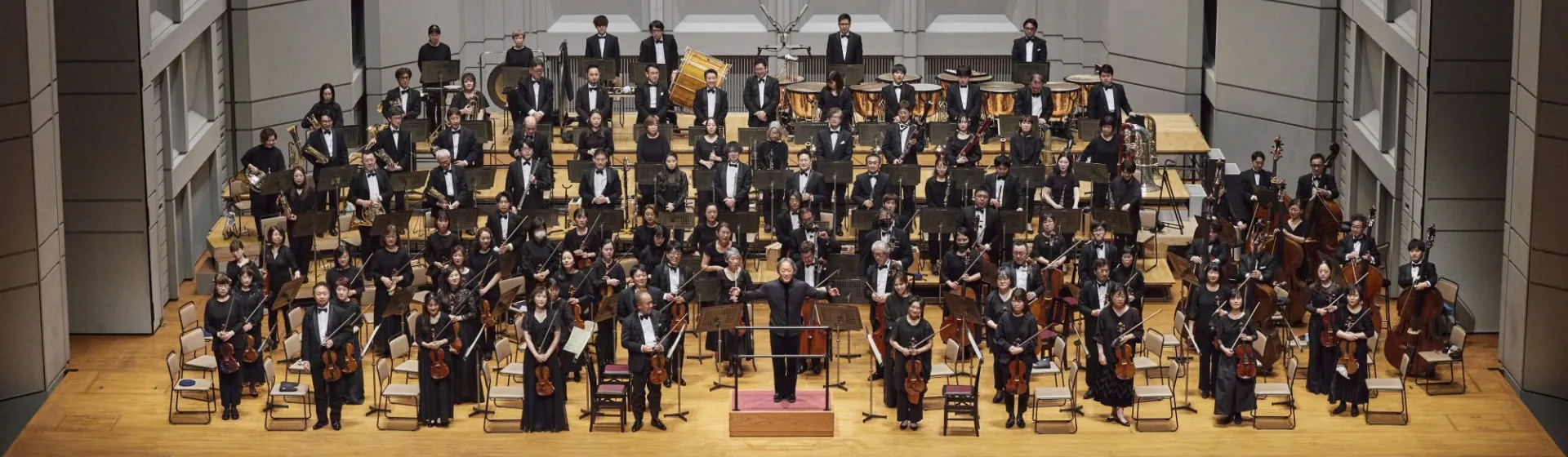
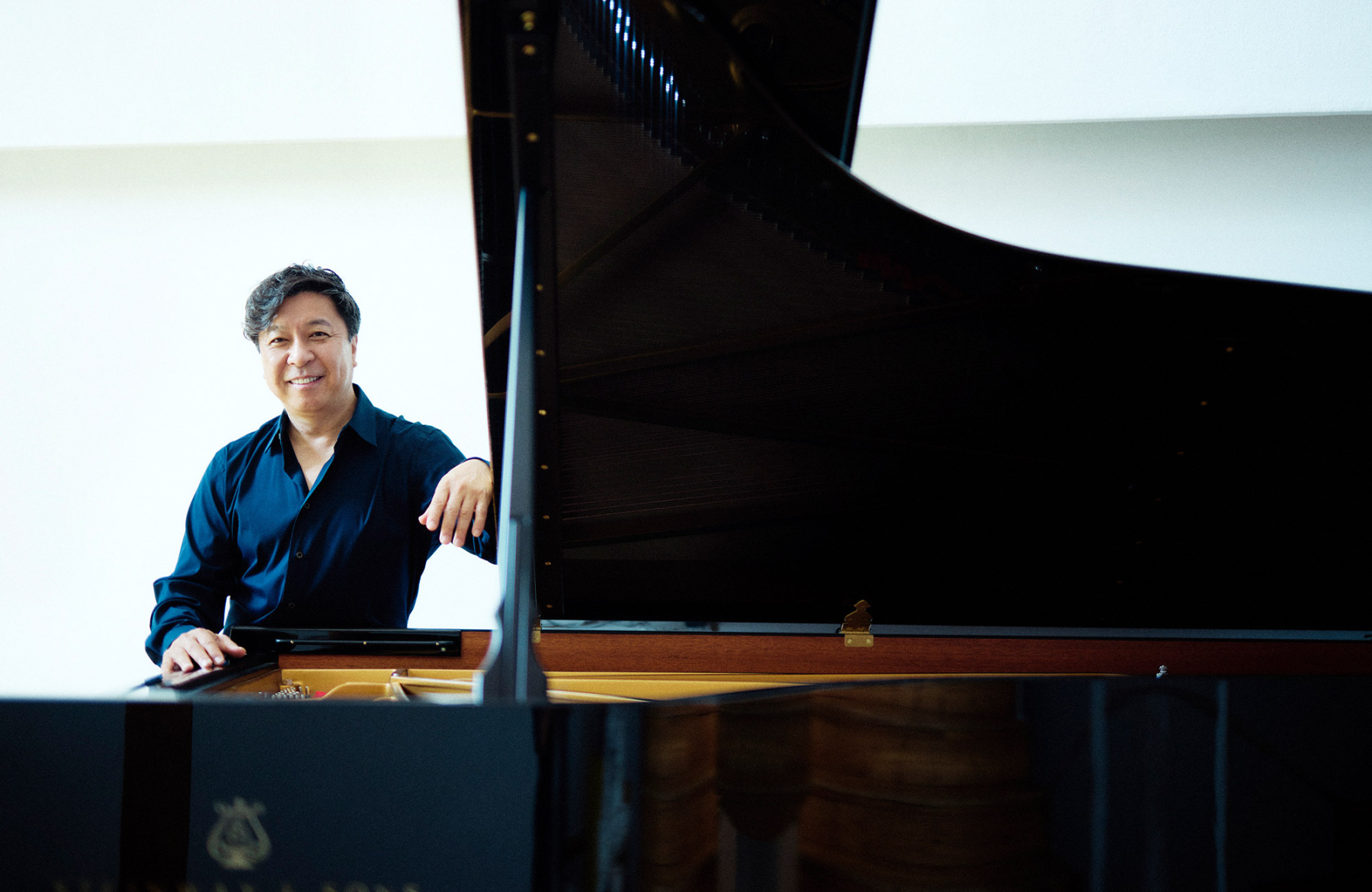
This concert by the Tokyo Philharmonic Orchestra promises to hit the heights of musical delight and will not only showcase some exceptionally popular and loveable examples of American classical music, but, by juxtaposing West Side Story with Prokofjev’s Romeo and Juliet, aims also to demonstrate the diverse ways in which Shakespeare’s tale of star-crossed lovers can be set to music. Founded as Japan’s first symphony orchestra, the Tokyo Philharmonic will be conducted by its honorary music director, Myung-Whun Chung, who has been collaborating with the orchestra since 2001 and will also take on the role of music director of Milan’s La Scala from 2027. The soloist for Gershwin’s concerto is Makoto Ozone, a pianist who brings together the sounds and influences of jazz and classical music like no other. It is no wonder his performance style has been hailed by the New York Times as “thrilling, virtuosic and unabashedly personal”.
First performed on Broadway in 1957, West Side Story pits the white American Jets and the Puerto Rican Sharks up against one another as two gangs whose rivalry retells the classic love story on the Upper West Side. Leonard Bernstein picked out nine movements in order to create the concert version of the work. Entitled Symphonic Dances, it was first performed on 13 February 1961 by the New York Philharmonic.
A true cornerstone of American music history, George Gershwin’s Rhapsody in Blue finds unique ways to bridge the worlds of jazz and classical concertos. It is joie de vivre embodied in music, with the concerto’s pulsating energy, ragtime and jazz rhythms, and bluesy flourishes captivating listeners today just as it did audiences in the 1920s.
Sergei Prokofiev’s Romeo and Juliet exhibits remarkable sensitivity in capturing everything in Shakespeare’s drama that makes the story immortal: the endless spectrum of human emotions from love and passion through hate and anger and on to concern and grief. The score contains some of Prokofiev’s most beautiful music, touching listeners with its dramatic power, rich contrasts, striking orchestration and profound lyricism.
-
Bernstein
Symphonic Dances from West Side Story
Gershwin
Rhapsody in Blue
intervalProkofiev
Romeo and Juliet – Suites 1, 2 and 3, Op. 64bis, Op. 64ter, Op. 101 (excerpts)
Conductor:
Myung-Whun ChungFeaturing:
piano Makoto OzoneTokyo Philharmonic Orchestra -
This concert by the Tokyo Philharmonic Orchestra promises to hit the heights of musical delight and will not only showcase some exceptionally popular and loveable examples of American classical music, but, by juxtaposing West Side Story with Prokofjev’s Romeo and Juliet, aims also to demonstrate the diverse ways in which Shakespeare’s tale of star-crossed lovers can be set to music. Founded as Japan’s first symphony orchestra, the Tokyo Philharmonic will be conducted by its honorary music director, Myung-Whun Chung, who has been collaborating with the orchestra since 2001 and will also take on the role of music director of Milan’s La Scala from 2027. The soloist for Gershwin’s concerto is Makoto Ozone, a pianist who brings together the sounds and influences of jazz and classical music like no other. It is no wonder his performance style has been hailed by the New York Times as “thrilling, virtuosic and unabashedly personal”.
First performed on Broadway in 1957, West Side Story pits the white American Jets and the Puerto Rican Sharks up against one another as two gangs whose rivalry retells the classic love story on the Upper West Side. Leonard Bernstein picked out nine movements in order to create the concert version of the work. Entitled Symphonic Dances, it was first performed on 13 February 1961 by the New York Philharmonic.
A true cornerstone of American music history, George Gershwin’s Rhapsody in Blue finds unique ways to bridge the worlds of jazz and classical concertos. It is joie de vivre embodied in music, with the concerto’s pulsating energy, ragtime and jazz rhythms, and bluesy flourishes captivating listeners today just as it did audiences in the 1920s.
Sergei Prokofiev’s Romeo and Juliet exhibits remarkable sensitivity in capturing everything in Shakespeare’s drama that makes the story immortal: the endless spectrum of human emotions from love and passion through hate and anger and on to concern and grief. The score contains some of Prokofiev’s most beautiful music, touching listeners with its dramatic power, rich contrasts, striking orchestration and profound lyricism.