
Digital programme booklet
-
György Kurtág
Double Concerto, Op. 27, No. 2
I. Poco allegretto
II. L’istesso tempo (quasi più mosso)
III. Presto agitato
IV. Adagio – LargoGyörgy Kurtág
Petite musique solennelle – En hommage à Pierre Boulez 90György Kurtág
Movement for viola and orchestraBartók
Piano Concerto No. 3, SZ 119, BB 127
I. Allegretto
II. Adagio religioso
III. Allegro vivaceBeethoven
String Quartet No. 13 in B-Flat Major (orchestral version) – V. CavatinaGyörgy Kurtág
Die Stechardin – world-premiereFeaturing:
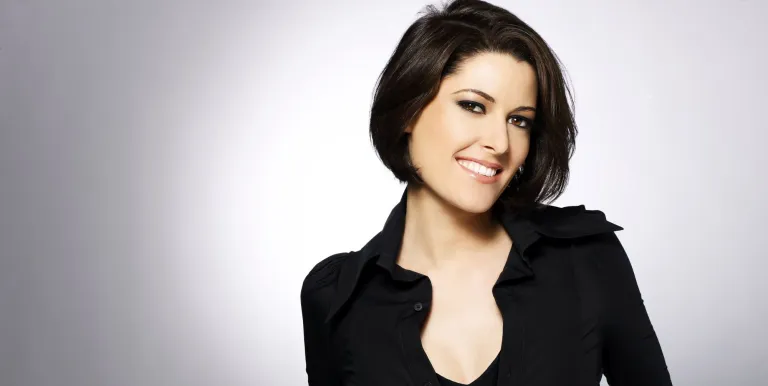
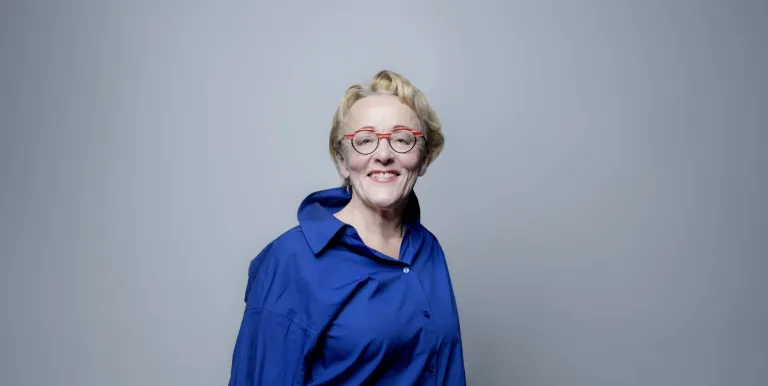
Maria Husmann – soprano
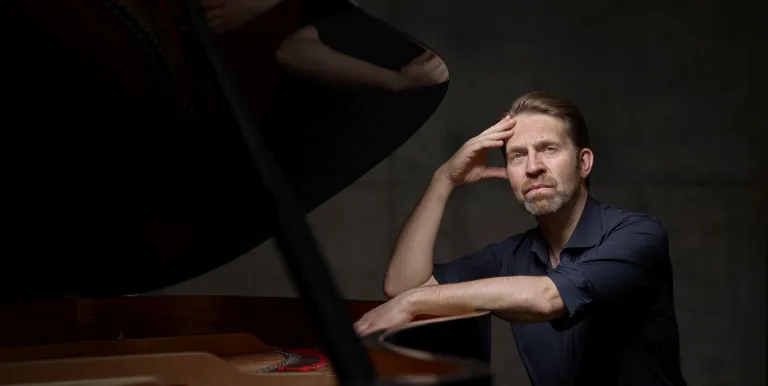
Pierre-Laurent Aimard – piano
Máté Szűcs – viola
László Fenyő – cello
Concerto BudapestConductor:
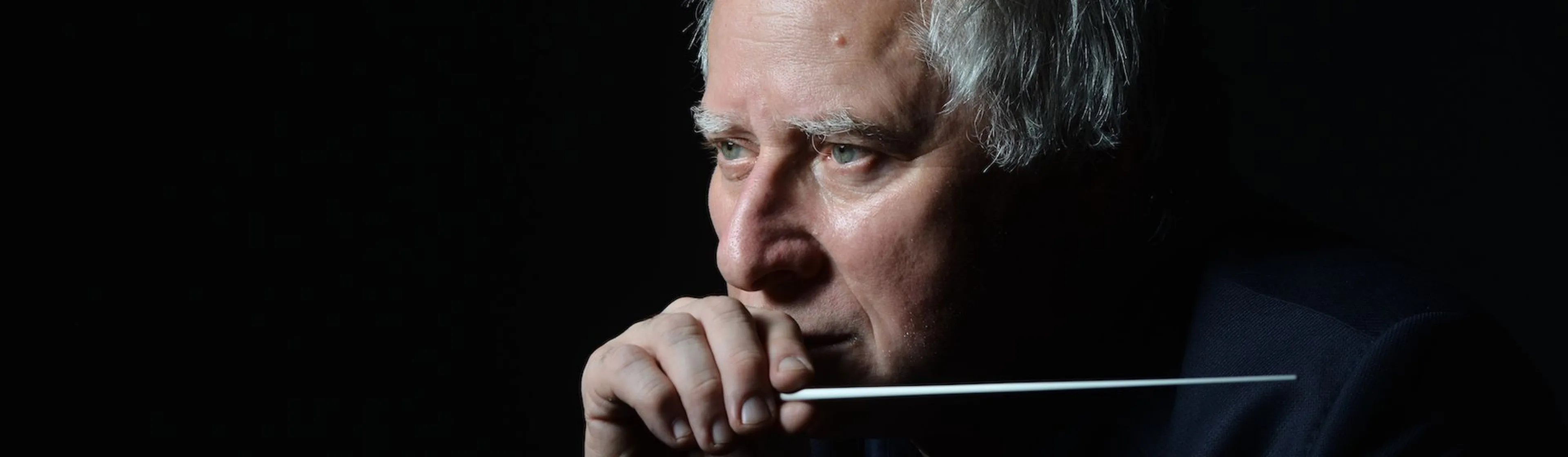
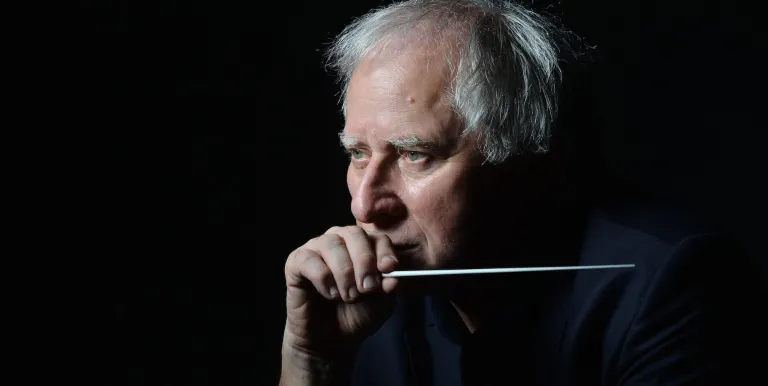
András Keller
Alkotók:
Libretto: Christoph Hein
Orchestration: Zsolt Serei
Costumes: Kati Zoób
Stage director: Csaba KáelThe event is taking place as part of the Kurtág 100 programme series organised by the BMC and presented by Müpa Budapest.

-
György Kurtág’s art, which embraces both composed art music and folk traditions, is connected by countless threads to the thousand-year heritage of Western music. He engages in a living dialogue with tradition in each of his works, and the music of Bach, Schumann and Bartók, as well as that of his contemporaries, is far more than a mere point of reference: the composers and works he evokes truly come alive and take on a reality of their own within the ever-expanding Kurtágian universe. Every moment and gesture in his compositions refers to – or unfolds from – a present instant, which is why Kurtág’s music feels so immediate and personal. In Kurtág’s case, performance and creation are inseparable: even when he is playing a movement by Bach or Mozart on the piano, Kurtág is rewriting it, and even when he is composing, he is interpreting.
Márta and György Kurtág play a Bach transcription:
Ludwig van Beethoven’s string quartets from his final creative period – such as the Quartet in B-flat major (Op. 130) – are cult works in the history of music, forming a coherent cycle in multiple respects. This cycle is an encyclopaedic summation, yet at the same time one of the most modern groupings of works of all time, and its influence is as strong today as it was 200 years ago. Numerous subsequent compositions draw directly from the legacy of Beethoven’s late quartets, the slow movement of Béla Bartók’s last completed work, the Piano Concerto No. 3, being just one example. Even the inscription is unique when it comes to Bartók’s oeuvre: Adagio religioso. This “religious” adagio recalls a section of Beethoven’s Quartet in A minor (Op. 132), to which the composer gave the title Holy Song of Thanksgiving of a Convalescent to the Deity, in the Lydian Mode.
Holy Song of Thanksgiving:
Just a few years later, in the mid-1950s, Bartók’s music can already be heard to echo forth in Kurtág’s work. The latter’s Viola Concerto, originally conceived in two movements, reflects on the tonal qualities of late Bartók.
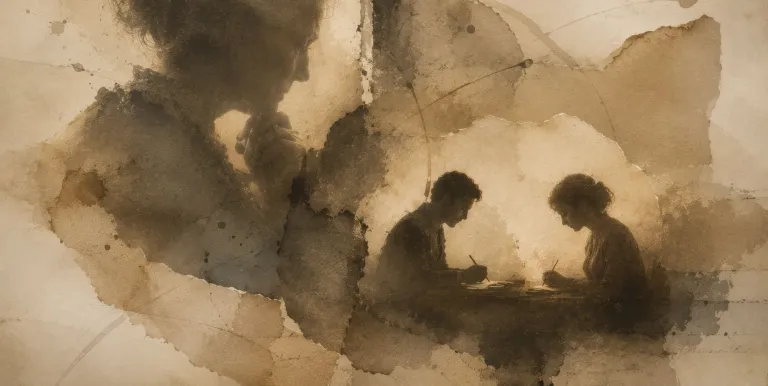
The world premiere of Die Stechardin, György Kurtág’s second opera, looks back on the origins of the four-hundred-year-old genre, while the libretto itself imagines a possible continuation of an actual 18th-century love story.
Maria Husmann, Pierre-Laurent Aimard and conductor András Keller are among the foremost interpreters of Kurtág’s musical world, while the works heard during the evening evoke the spirit of such outstanding figures as Zoltán Kocsis, Péter Eötvös and Pierre Boulez.
-
György Kurtág
Double Concerto, Op. 27, No. 2
I. Poco allegretto
II. L’istesso tempo (quasi più mosso)
III. Presto agitato
IV. Adagio – LargoGyörgy Kurtág
Petite musique solennelle – En hommage à Pierre Boulez 90György Kurtág
Movement for viola and orchestraBartók
Piano Concerto No. 3, SZ 119, BB 127
I. Allegretto
II. Adagio religioso
III. Allegro vivaceBeethoven
String Quartet No. 13 in B-Flat Major (orchestral version) – V. CavatinaGyörgy Kurtág
Die Stechardin – world-premiereFeaturing:
Maria Husmann – soprano
Pierre-Laurent Aimard – piano
Máté Szűcs – viola
László Fenyő – cello
Concerto BudapestConductor:
András Keller
Alkotók:
Libretto: Christoph Hein
Orchestration: Zsolt Serei
Costumes: Kati Zoób
Stage director: Csaba KáelThe event is taking place as part of the Kurtág 100 programme series organised by the BMC and presented by Müpa Budapest.
-
György Kurtág’s art, which embraces both composed art music and folk traditions, is connected by countless threads to the thousand-year heritage of Western music. He engages in a living dialogue with tradition in each of his works, and the music of Bach, Schumann and Bartók, as well as that of his contemporaries, is far more than a mere point of reference: the composers and works he evokes truly come alive and take on a reality of their own within the ever-expanding Kurtágian universe. Every moment and gesture in his compositions refers to – or unfolds from – a present instant, which is why Kurtág’s music feels so immediate and personal. In Kurtág’s case, performance and creation are inseparable: even when he is playing a movement by Bach or Mozart on the piano, Kurtág is rewriting it, and even when he is composing, he is interpreting.
Márta and György Kurtág play a Bach transcription:
Ludwig van Beethoven’s string quartets from his final creative period – such as the Quartet in B-flat major (Op. 130) – are cult works in the history of music, forming a coherent cycle in multiple respects. This cycle is an encyclopaedic summation, yet at the same time one of the most modern groupings of works of all time, and its influence is as strong today as it was 200 years ago. Numerous subsequent compositions draw directly from the legacy of Beethoven’s late quartets, the slow movement of Béla Bartók’s last completed work, the Piano Concerto No. 3, being just one example. Even the inscription is unique when it comes to Bartók’s oeuvre: Adagio religioso. This “religious” adagio recalls a section of Beethoven’s Quartet in A minor (Op. 132), to which the composer gave the title Holy Song of Thanksgiving of a Convalescent to the Deity, in the Lydian Mode.
Holy Song of Thanksgiving:
Just a few years later, in the mid-1950s, Bartók’s music can already be heard to echo forth in Kurtág’s work. The latter’s Viola Concerto, originally conceived in two movements, reflects on the tonal qualities of late Bartók.
The world premiere of Die Stechardin, György Kurtág’s second opera, looks back on the origins of the four-hundred-year-old genre, while the libretto itself imagines a possible continuation of an actual 18th-century love story.
Maria Husmann, Pierre-Laurent Aimard and conductor András Keller are among the foremost interpreters of Kurtág’s musical world, while the works heard during the evening evoke the spirit of such outstanding figures as Zoltán Kocsis, Péter Eötvös and Pierre Boulez.