Digital programme booklet
-
Debussy
Prelude to Afternoon of a Faun, L. 86Bartók
Piano Concerto No. 3, Sz. 119, BB 127
1. Allegretto
2. Adagio religioso
3. Allegro vivaceProkofiev
Romeo and Juliet – Suite No. 1 and 2, Op. 64
1. Montagues and Capulets (The Dance of the Knights, from the Suite No. 2)
2. Juliet, the Young Girl (from the Suite No. 2)
3. The Street Awakens (from the Suite No. 1)
4. Madrigal (from the Suite No. 1)
5. Minuet (from the Suite No. 1, arr. Paul Archibald)
6. Masks (from the Suite No. 1)
7. Romeo and Juliet (from the Suite No. 1)
8. The Death of Tybalt (from the Suite No. 1)
9. Romeo at Juliet’s Tomb (from the Suite No. 2)Featuring:
Kirill Gerstein – piano
Luxembourg Philharmonic OrchestraConductor:
Martin Rajna
-
According to Pierre Boulez, one of the most significant composers and conductors of the 20th century, the modern history of music began with Claude Debussy’s piece premiered in 1894, Prélude à l’après-midi d’un faune. Although the new music of the 20th century often seems to be “inaccessible” art that “pays no heed to the audience’s needs and exists purely for its own sake”, many works were nevertheless born of a spirit of modernity that readily compete with the great classical masterpieces in terms of their popularity. Examples include Sergei Prokofiev’s ballet score Romeo and Juliet and Béla Bartók’s Piano Concerto No. 3, written in the United States.
A real gem: Bartók’s Piano Concerto No. 3 performed by Ditta Pásztory, the composer’s widow, with the Vienna Symphony Orchestra under Tibor Serly:
Both compositions are audience favourites in today’s concert halls. The latter will be heard in concert this evening with Kirill Gerstein as soloist.
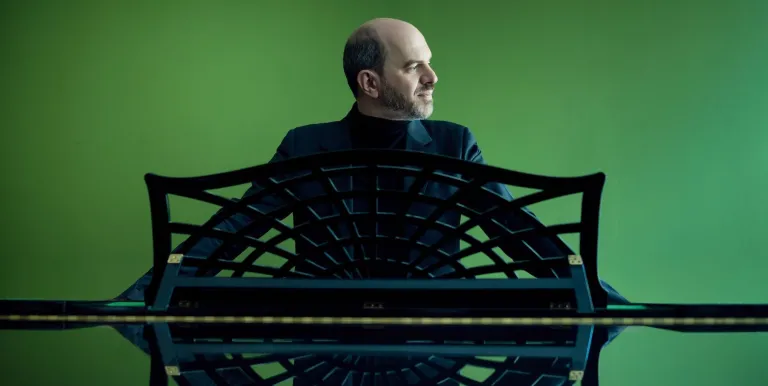
© Marco Borggreve
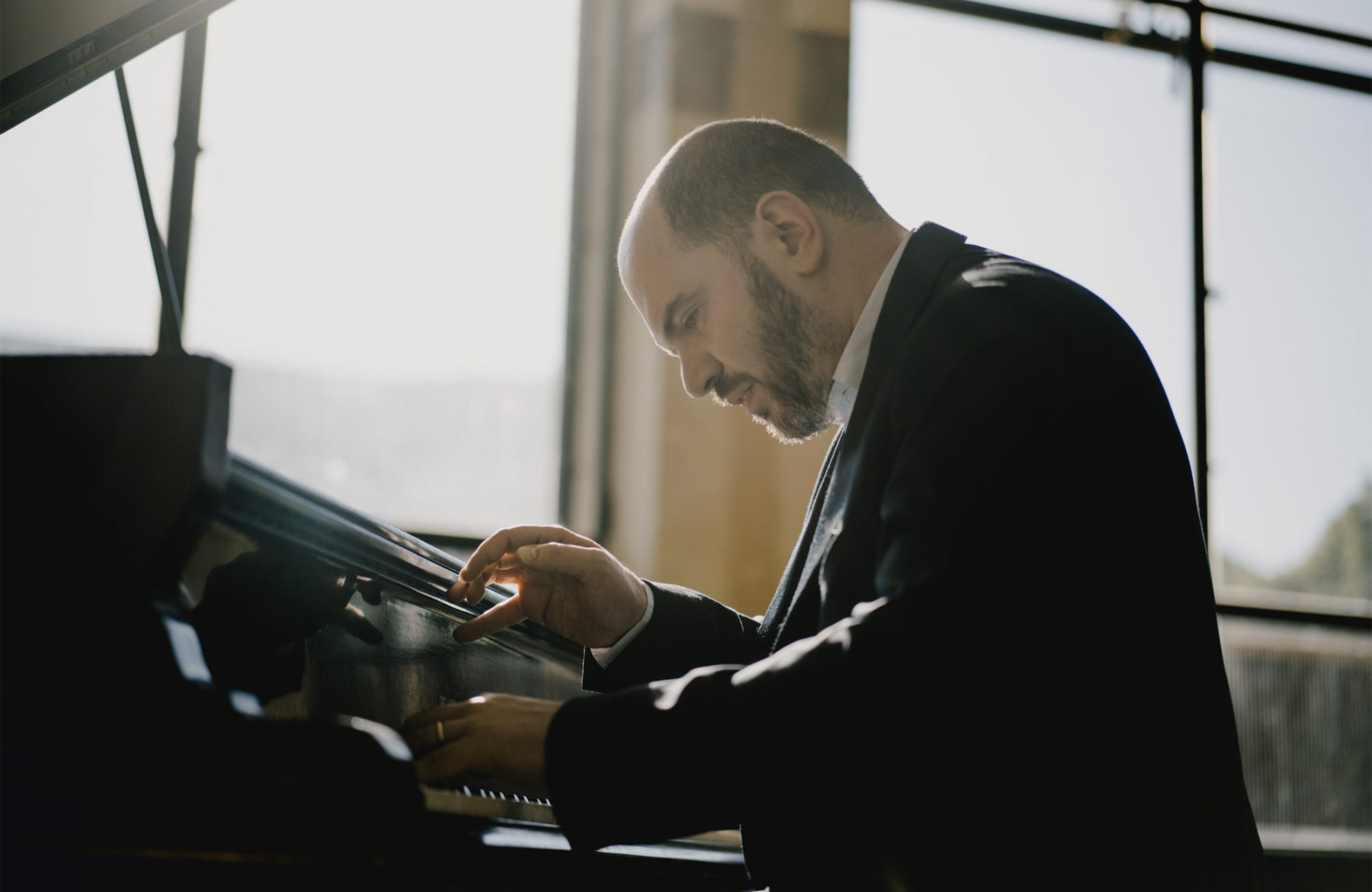
An exceptionally impulsive performer, the world-renowned Russian-born pianist is one of the most influential artists of our time. Gerstein is equally at home in the classical repertoire as he is in jazz and contemporary music, building bridges between the worlds of such creative artists as Thomas Adès and Chick Corea, Olivier Messiaen and Brad Mehldau.
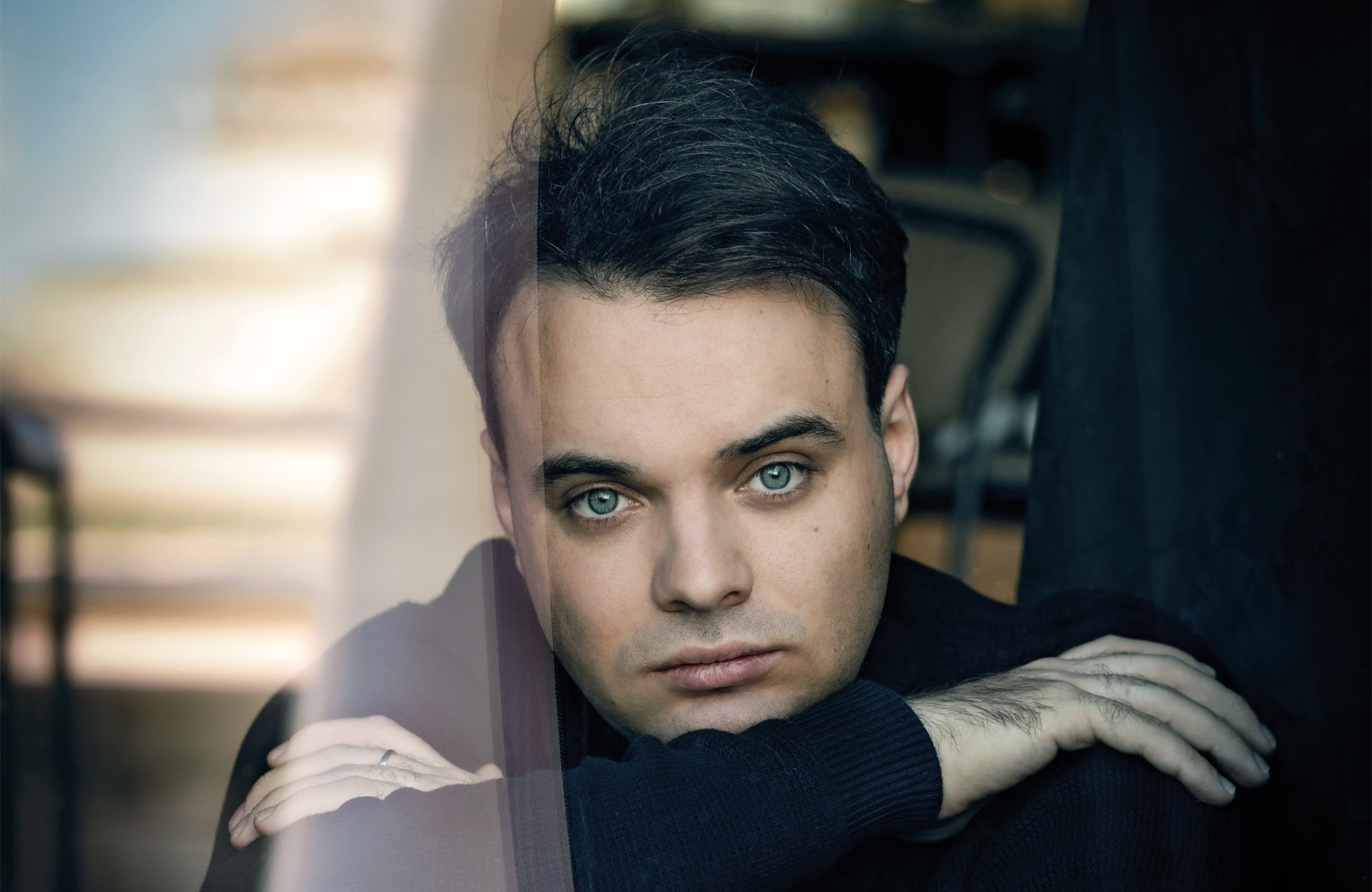
Budapest audiences have already heard him both as a concerto soloist and as an outstanding chamber musician. He will perform Bartók’s Piano Concerto with the Luxembourg Philharmonic Orchestra, under the baton of Martin Rajna.
© Szilvia Csibi, Müpa
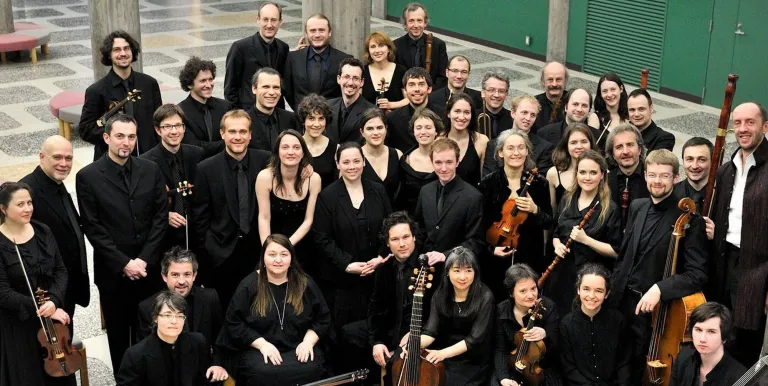
The Grand Duchy’s symphony orchestra, founded in 1933, was established to augment the broadcasting activities of Radio Luxembourg (RTL). The former radio orchestra has since evolved into an ensemble that moves with ease in every genre, possesses a distinctive sound, and plays a defining role in international concert life. The second half of the concert presents a selection drawn from Prokofiev’s two Romeo and Juliet suites that faithfully represent the ballet’s storyline. After the years of success he had enjoyed in Western Europe, Prokofiev composed Romeo and Juliet – his first major large-scale work following his permanent return to Stalin’s Soviet Union – in 1935–1936. The first version of the work was never performed and the revised score finally received its premiere in early 1940 at the Kirov Theatre in St Petersburg (then still called Leningrad). Parts of the work may already have been familiar to the audience; some movements had been performed some years earlier in the form of concert suites.
The piano version of Romeo and Juliet is also highly popular. In this performance, Evgeny Kissin plays one of the work’s most iconic excerpts, Dance of the Knights:
-
Debussy
Prelude to Afternoon of a Faun, L. 86Bartók
Piano Concerto No. 3, Sz. 119, BB 127
1. Allegretto
2. Adagio religioso
3. Allegro vivaceProkofiev
Romeo and Juliet – Suite No. 1 and 2, Op. 64
1. Montagues and Capulets (The Dance of the Knights, from the Suite No. 2)
2. Juliet, the Young Girl (from the Suite No. 2)
3. The Street Awakens (from the Suite No. 1)
4. Madrigal (from the Suite No. 1)
5. Minuet (from the Suite No. 1, arr. Paul Archibald)
6. Masks (from the Suite No. 1)
7. Romeo and Juliet (from the Suite No. 1)
8. The Death of Tybalt (from the Suite No. 1)
9. Romeo at Juliet’s Tomb (from the Suite No. 2)Featuring:
Kirill Gerstein – piano
Luxembourg Philharmonic OrchestraConductor:
Martin Rajna
-
According to Pierre Boulez, one of the most significant composers and conductors of the 20th century, the modern history of music began with Claude Debussy’s piece premiered in 1894, Prélude à l’après-midi d’un faune. Although the new music of the 20th century often seems to be “inaccessible” art that “pays no heed to the audience’s needs and exists purely for its own sake”, many works were nevertheless born of a spirit of modernity that readily compete with the great classical masterpieces in terms of their popularity. Examples include Sergei Prokofiev’s ballet score Romeo and Juliet and Béla Bartók’s Piano Concerto No. 3, written in the United States.
A real gem: Bartók’s Piano Concerto No. 3 performed by Ditta Pásztory, the composer’s widow, with the Vienna Symphony Orchestra under Tibor Serly:
Both compositions are audience favourites in today’s concert halls. The latter will be heard in concert this evening with Kirill Gerstein as soloist.
© Marco Borggreve
An exceptionally impulsive performer, the world-renowned Russian-born pianist is one of the most influential artists of our time. Gerstein is equally at home in the classical repertoire as he is in jazz and contemporary music, building bridges between the worlds of such creative artists as Thomas Adès and Chick Corea, Olivier Messiaen and Brad Mehldau.
Budapest audiences have already heard him both as a concerto soloist and as an outstanding chamber musician. He will perform Bartók’s Piano Concerto with the Luxembourg Philharmonic Orchestra, under the baton of Martin Rajna.
© Szilvia Csibi, Müpa
The Grand Duchy’s symphony orchestra, founded in 1933, was established to augment the broadcasting activities of Radio Luxembourg (RTL). The former radio orchestra has since evolved into an ensemble that moves with ease in every genre, possesses a distinctive sound, and plays a defining role in international concert life. The second half of the concert presents a selection drawn from Prokofiev’s two Romeo and Juliet suites that faithfully represent the ballet’s storyline. After the years of success he had enjoyed in Western Europe, Prokofiev composed Romeo and Juliet – his first major large-scale work following his permanent return to Stalin’s Soviet Union – in 1935–1936. The first version of the work was never performed and the revised score finally received its premiere in early 1940 at the Kirov Theatre in St Petersburg (then still called Leningrad). Parts of the work may already have been familiar to the audience; some movements had been performed some years earlier in the form of concert suites.
The piano version of Romeo and Juliet is also highly popular. In this performance, Evgeny Kissin plays one of the work’s most iconic excerpts, Dance of the Knights: