







Digital programme booklet
-
Julius Caesar: Jakub Józef Orliński
Cleopatra: Sabine Devieilhe
Ptolemy: Yuriy Mynenko
Cornelia: Beth Taylor
Sextus: Rebecca Leggett
Achillas: Alex Rosen
Curius: Marco Saccardin
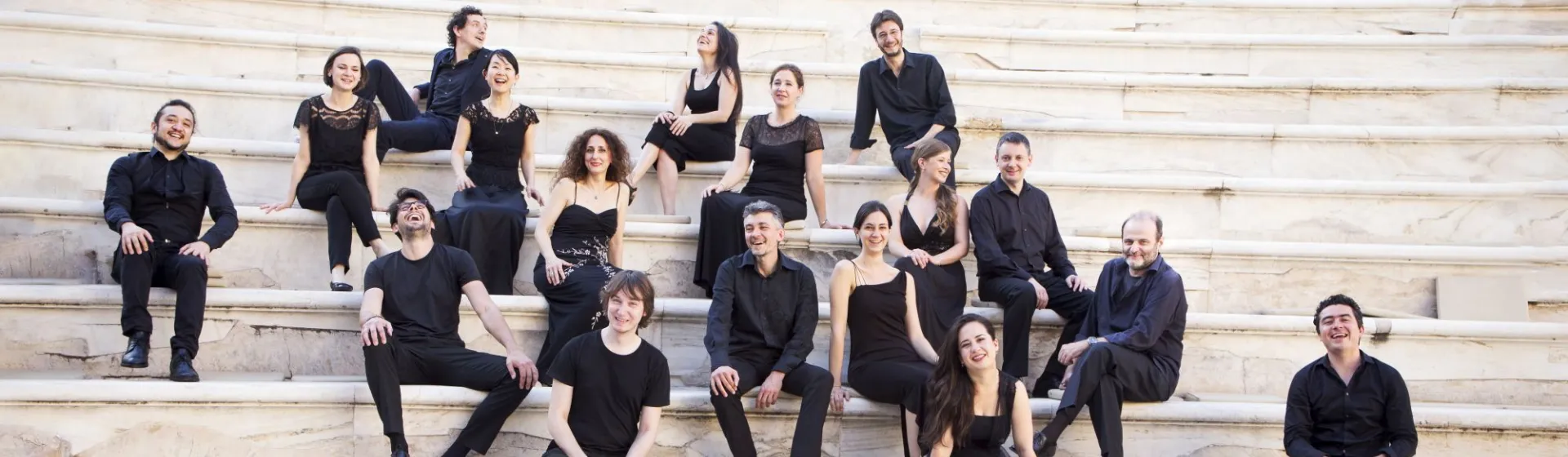
Nirenus: Rémy Brès-FeuilletFeaturing:
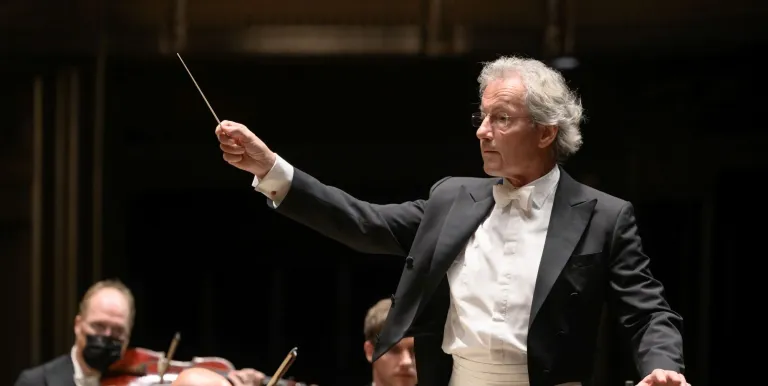
Il Pomo d’OroConductor and harpsichord player:
Francesco CortiTour Management:
Askonas Holt -
Premiered on 20 February 1724, Julius Caesar in Egypt is one of the outstanding achievements of George Frideric Handel’s (1685–1759) career as an opera composer in London. Five years previously, the composer had founded the Royal Academy of Music company with the aim of establishing the genre in Britain through the highest-quality performances of Italian works. Together with Tamerlano and Rodelinda, which premiered during the following season, Julius Caesar represented the pinnacle of the company’s artistic endeavours.
The plot of the work revolves around Caesar’s Egyptian campaign, with military events, political intrigues and personal emotions all closely intertwined. At its heart lies the alliance and love affair between Caesar and the Egyptian queen Cleopatra, which is threatened by the scheming of Cleopatra’s brother Ptolemy, who is vying with her for power. Handel adheres to the dramaturgy of the characteristic Italian Baroque genre of opera seria, literally meaning ‘serious opera’, so we learn of the plot’s twists from the recitatives, while the arias offer insight into the characters’ emotional states and inner struggles.
Cleopatra is one of the most memorable female figures in music history. Handel was particularly inspired by the character’s versatility: through his music, she reveals many facets of her temperament, from the playful and flirtatious seductress to the resolute ruler and the deeply emotional and anxious lover. For his part, Caesar is not merely a triumphant general entering the scene with a virtuoso aria: when confronting his enemy’s corpse, he reflects on mortality, while his lyrical side is revealed in the romantic scenes. The tragic storyline of the mother and son, Cornelia and Sextus, whose steadfast grief views revenge as a duty, provides a kind of emotional counterpoint, especially alongside the radiant Cleopatra, while the cruelty of Ptolemy and Achillas stands in sharp contrast to the rulers who fight for power but are not driven by malevolent intentions.
Two queens: Cleopatra and Joyce DiDonato
At the helm of the increasingly successful company, Handel devoted an unusually long time to composing Julius Caesar, having begun work on it as early as the summer of 1723. It is no wonder the work was to be the composer’s most lavish opera to date. Thanks to its wealth of melodies and splendid orchestration employing a range of unusual techniques, it rightly achieved great success: it was staged 13 times in its first run, before being revived three times over the following decade. It was even performed in Hamburg, Braunschweig, and – in concert form – in Paris. Revived in Göttingen in 1922, the work continues to be among Handel’s most frequently performed operas to this day.

© Caroline Doutre
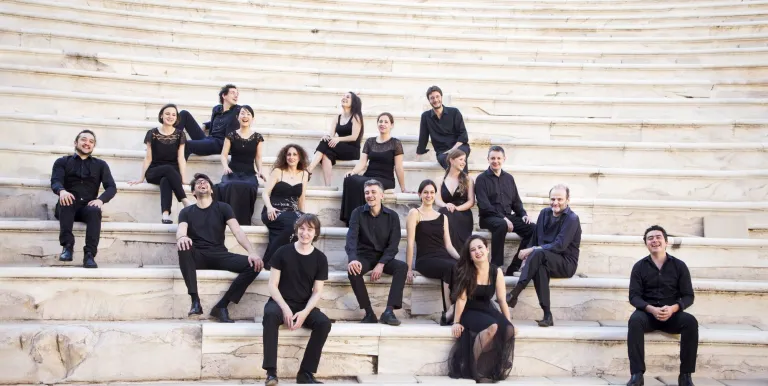
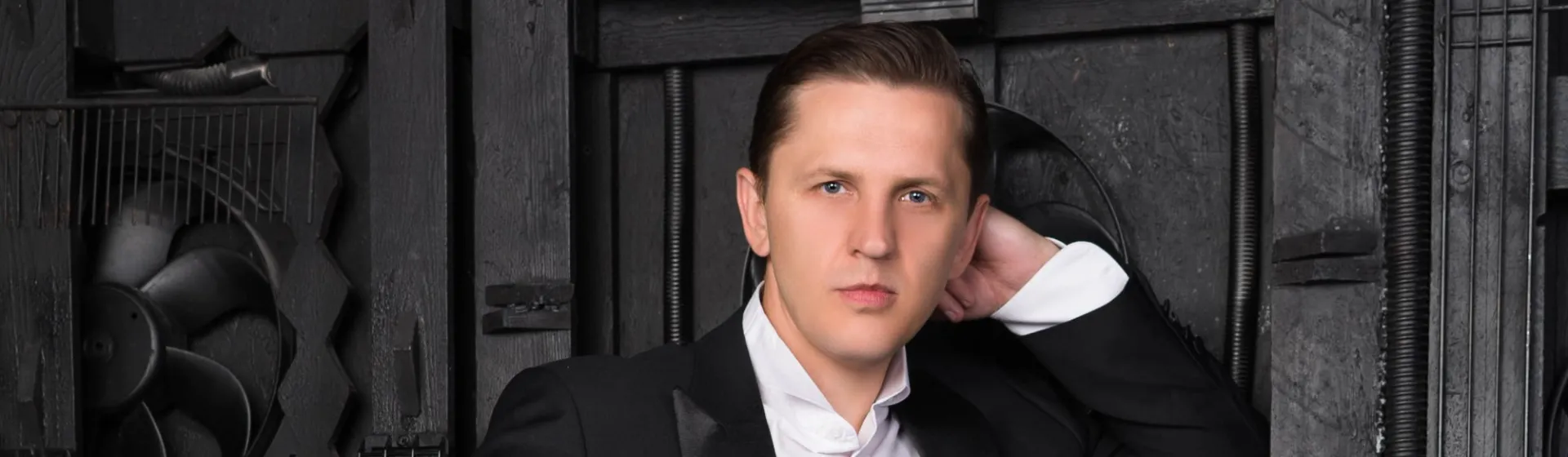
Jakub Józef Orliński is one of the most exciting performing artists of our time. As its discography shows, his partner, Il Pomo d’Oro, reserves a special place in its repertoire for Handel’s operas. For the production of Julius Caesar, Orliński, singing the title role, will be joined on stage by internationally renowned singers such as Sabine Devieilhe, Yuriy Mynenko, Beth Taylor, Rebecca Leggett, Alex Rosen, Marco Saccardin and Rémy Brès-Feuillet. The performance is led by Italian conductor and harpsichordist Francesco Corti.
-
Julius Caesar: Jakub Józef Orliński
Cleopatra: Sabine Devieilhe
Ptolemy: Yuriy Mynenko
Cornelia: Beth Taylor
Sextus: Rebecca Leggett
Achillas: Alex Rosen
Curius: Marco Saccardin
Nirenus: Rémy Brès-FeuilletFeaturing:
Il Pomo d’OroConductor and harpsichord player:
Francesco CortiTour Management:
Askonas Holt -
Premiered on 20 February 1724, Julius Caesar in Egypt is one of the outstanding achievements of George Frideric Handel’s (1685–1759) career as an opera composer in London. Five years previously, the composer had founded the Royal Academy of Music company with the aim of establishing the genre in Britain through the highest-quality performances of Italian works. Together with Tamerlano and Rodelinda, which premiered during the following season, Julius Caesar represented the pinnacle of the company’s artistic endeavours.
The plot of the work revolves around Caesar’s Egyptian campaign, with military events, political intrigues and personal emotions all closely intertwined. At its heart lies the alliance and love affair between Caesar and the Egyptian queen Cleopatra, which is threatened by the scheming of Cleopatra’s brother Ptolemy, who is vying with her for power. Handel adheres to the dramaturgy of the characteristic Italian Baroque genre of opera seria, literally meaning ‘serious opera’, so we learn of the plot’s twists from the recitatives, while the arias offer insight into the characters’ emotional states and inner struggles.
Cleopatra is one of the most memorable female figures in music history. Handel was particularly inspired by the character’s versatility: through his music, she reveals many facets of her temperament, from the playful and flirtatious seductress to the resolute ruler and the deeply emotional and anxious lover. For his part, Caesar is not merely a triumphant general entering the scene with a virtuoso aria: when confronting his enemy’s corpse, he reflects on mortality, while his lyrical side is revealed in the romantic scenes. The tragic storyline of the mother and son, Cornelia and Sextus, whose steadfast grief views revenge as a duty, provides a kind of emotional counterpoint, especially alongside the radiant Cleopatra, while the cruelty of Ptolemy and Achillas stands in sharp contrast to the rulers who fight for power but are not driven by malevolent intentions.
Two queens: Cleopatra and Joyce DiDonato
At the helm of the increasingly successful company, Handel devoted an unusually long time to composing Julius Caesar, having begun work on it as early as the summer of 1723. It is no wonder the work was to be the composer’s most lavish opera to date. Thanks to its wealth of melodies and splendid orchestration employing a range of unusual techniques, it rightly achieved great success: it was staged 13 times in its first run, before being revived three times over the following decade. It was even performed in Hamburg, Braunschweig, and – in concert form – in Paris. Revived in Göttingen in 1922, the work continues to be among Handel’s most frequently performed operas to this day.
© Caroline Doutre
Jakub Józef Orliński is one of the most exciting performing artists of our time. As its discography shows, his partner, Il Pomo d’Oro, reserves a special place in its repertoire for Handel’s operas. For the production of Julius Caesar, Orliński, singing the title role, will be joined on stage by internationally renowned singers such as Sabine Devieilhe, Yuriy Mynenko, Beth Taylor, Rebecca Leggett, Alex Rosen, Marco Saccardin and Rémy Brès-Feuillet. The performance is led by Italian conductor and harpsichordist Francesco Corti.