
Digital programme booklet
-
Purcell
Thou Knowest, Lord, the Secrets of our Hearts, Z. 58c
Purcell
Funeral Sentences and Music for the Funeral of Queen Mary, Z. 860
Purcell
Hear my Prayer, O Lord, Z. 15
Purcell
Remember Not, Lord, our Offences, Z. 50
Purcell
Lord, How Long Wilt Thou be Angry?, Z. 25
Purcell
Hosanna to the Highest, Z. 187 – chaconne
Purcell
O God, Thou Art My God, Z. 35
Purcell
Thy Word is a Lantern, Z. 61
Purcell
Since God So Tender a Regard, Z. 143
Purcell
I was Glad when They Said unto Me, Z. 19
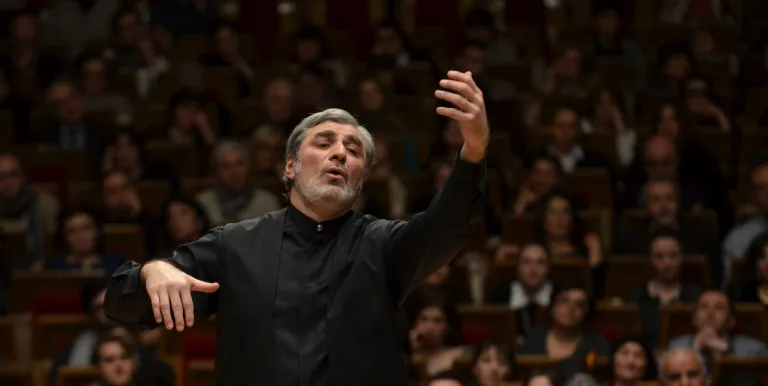
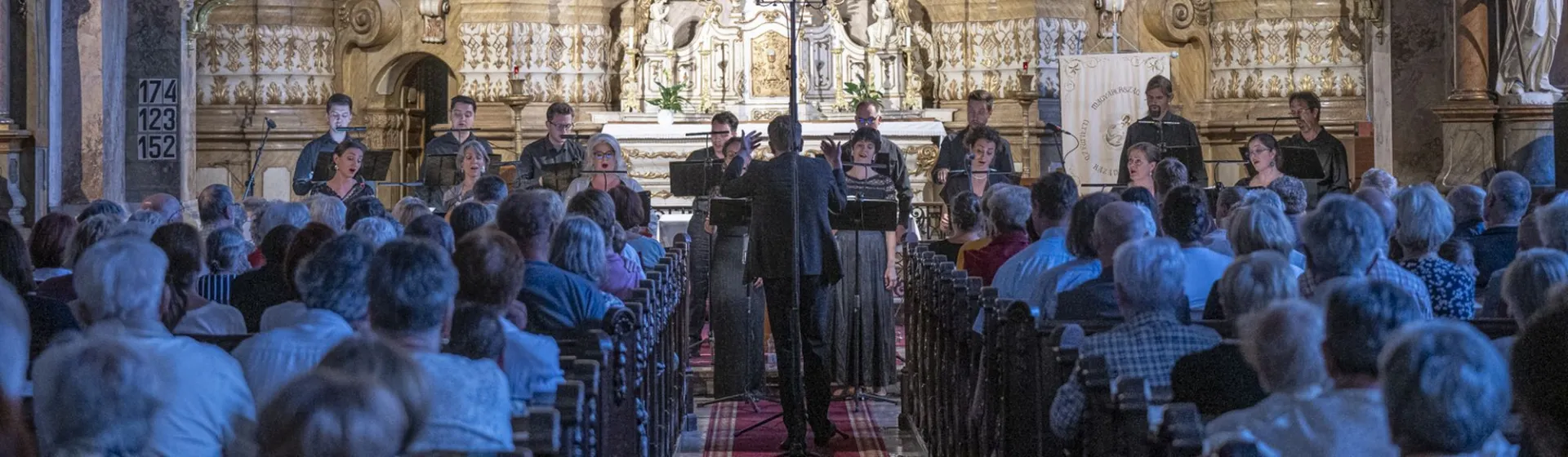
Conductor:
Zoltán PadFeaturing:
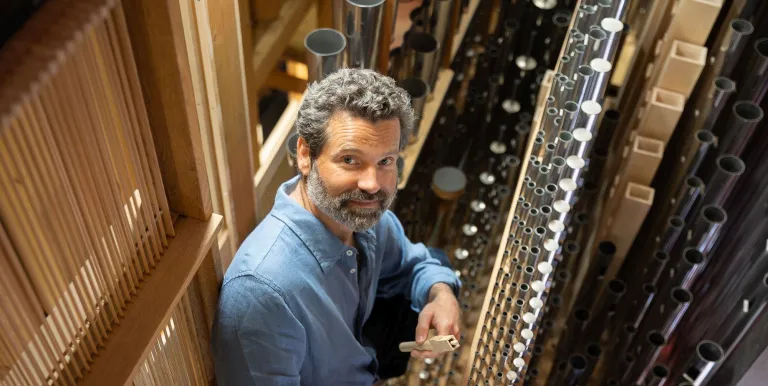
organ Augustin Szokosviola da gamba Lúcia Krommerlute Attila Völgyisolo singer Péter Bárány
Ágoston Cser
Eszter Danku
Zoltán Gavodi
Barnabás Hegyi
Márton Komáromi
Lóránt Najbauer
Júlia Pásztor
Márta Stefanik
János Szerekován -
England’s vibrant musical culture has always had a fertilizing influence on the music of the continent. Joseph Haydn wrote his last symphonies and two great oratorios for the London audience, Beethoven received the commission for his Ninth Symphony from the English capital, and Mendelssohn’s oratorio Elijah was premiered in Birmingham – and the list could go on for some time. Despite all this, England has produced relatively few composers who significantly influenced the development of Europe’s musical language. Among the earliest was John Dunstable, who was active in the 15th century and whose original and highly influential style was referred to on the continent as “contenance angloise” (English character). A hundred years later came John Dowland and William Byrd, the two giants of the English Renaissance, and it was another 100 years before the arrival of Henry Purcell, born in 1659. Interestingly, his opera Dido and Aeneas – now considered among the masterpieces of operatic literature – did not suit the tastes of contemporary audiences. At that time, the English preferred masques (musical stage interludes performed between the acts of plays) and incidental music written for prose theatre. Purcell’s The Fairy Queen, for example, is a colorful series of masques written for A Midsummer Night’s Dream, and its little stories cleverly connect to the Shakespeare play. Purcell’s beautiful and highly original church works are unjustly seldom heard, though his Ode for St. Cecilia is considerably better known, and one movement from the incidental music to Abdelazer, which was premiered on 25 March 1695, just months before his death, became a hit 250 years later thanks to Benjamin Britten.
Britten’s arrangements of Purcell’s works:
Purcell paved the way for Georg Friedrich Handel, who arrived in England as a German but became the adopted composer of the English. After Purcell, however, no significant composer emerged in England until the appearance of Edward Elgar. “I felt that here was music, the like of which had not appeared in this country since Purcell’s death,” said Gustav Holst, composer of The Planets, of Elgar’s Enigma Variations, premiered in 1899. Born in 1857, Elgar truly composed in a style that – like Purcell’s – was unlike anyone else’s; its elegance and refined restraint from extremes producing works of a quite remarkable character. Only a few pieces from his oeuvre have become part of the regular concert repertoire, perhaps because he composed unevenly and with varying intensity. Around the same time as the Enigma Variations, he wrote the Pomp and Circumstance Marches, the first of which became something of a second English national anthem and remains a permanent fixture at ceremonies and coronations to this day.
Elgar conducts his own work (1926):
Some 20 years later, when he was past the age of 60, his creative powers reached new heights; during this period came the String Quartet in E minor, the Violin Sonata in E minor, and the Cello Concerto in E minor – all in the key signified by the initial letters of his name – as well as the Piano Quintet in A minor, the key of which follows the name of his wife, Alice. The English Marathon also features some of his less frequently heard works, such as the witty Cockaigne Overture, the Serenade for Strings evoking Victorian restraint, and the grandiose Violin Concerto in B minor.
It was around the time of Elgar’s death in 1934 that the third great figure of English music, Benjamin Britten, entered the limelight; in the following decade or so, he would already go on to compose enduring works. It was from this period that some of his best-known pieces emerged: the playful Simple Symphony and the two ballet-like suites based on the music of Rossini (Soirées Musicales and Matinées Musicales). In addition to leaving a lasting impression as a 20th-century composer of opera, Britten wrote one of his most famous orchestral works, The Young Person’s Guide to the Orchestra, in 1946, establishing ties to his great predecessor Purcell. By this time, his epoch-defining masterpiece, the opera Peter Grimes, was already complete; and he went on to arrange an orchestral suite from its interludes. Also closely connected to medieval English musical traditions and English literature is his Christmas choral series, A Ceremony of Carols.
As a testament to his legacy, watch Benjamin Britten conduct his monumental masterpiece, the War Requiem:
-
Purcell
Thou Knowest, Lord, the Secrets of our Hearts, Z. 58c
Purcell
Funeral Sentences and Music for the Funeral of Queen Mary, Z. 860
Purcell
Hear my Prayer, O Lord, Z. 15
Purcell
Remember Not, Lord, our Offences, Z. 50
Purcell
Lord, How Long Wilt Thou be Angry?, Z. 25
Purcell
Hosanna to the Highest, Z. 187 – chaconne
Purcell
O God, Thou Art My God, Z. 35
Purcell
Thy Word is a Lantern, Z. 61
Purcell
Since God So Tender a Regard, Z. 143
Purcell
I was Glad when They Said unto Me, Z. 19
Conductor:
Zoltán PadFeaturing:
organ Augustin Szokosviola da gamba Lúcia Krommerlute Attila Völgyisolo singer Péter Bárány
Ágoston Cser
Eszter Danku
Zoltán Gavodi
Barnabás Hegyi
Márton Komáromi
Lóránt Najbauer
Júlia Pásztor
Márta Stefanik
János Szerekován -
England’s vibrant musical culture has always had a fertilizing influence on the music of the continent. Joseph Haydn wrote his last symphonies and two great oratorios for the London audience, Beethoven received the commission for his Ninth Symphony from the English capital, and Mendelssohn’s oratorio Elijah was premiered in Birmingham – and the list could go on for some time. Despite all this, England has produced relatively few composers who significantly influenced the development of Europe’s musical language. Among the earliest was John Dunstable, who was active in the 15th century and whose original and highly influential style was referred to on the continent as “contenance angloise” (English character). A hundred years later came John Dowland and William Byrd, the two giants of the English Renaissance, and it was another 100 years before the arrival of Henry Purcell, born in 1659. Interestingly, his opera Dido and Aeneas – now considered among the masterpieces of operatic literature – did not suit the tastes of contemporary audiences. At that time, the English preferred masques (musical stage interludes performed between the acts of plays) and incidental music written for prose theatre. Purcell’s The Fairy Queen, for example, is a colorful series of masques written for A Midsummer Night’s Dream, and its little stories cleverly connect to the Shakespeare play. Purcell’s beautiful and highly original church works are unjustly seldom heard, though his Ode for St. Cecilia is considerably better known, and one movement from the incidental music to Abdelazer, which was premiered on 25 March 1695, just months before his death, became a hit 250 years later thanks to Benjamin Britten.
Britten’s arrangements of Purcell’s works:
Purcell paved the way for Georg Friedrich Handel, who arrived in England as a German but became the adopted composer of the English. After Purcell, however, no significant composer emerged in England until the appearance of Edward Elgar. “I felt that here was music, the like of which had not appeared in this country since Purcell’s death,” said Gustav Holst, composer of The Planets, of Elgar’s Enigma Variations, premiered in 1899. Born in 1857, Elgar truly composed in a style that – like Purcell’s – was unlike anyone else’s; its elegance and refined restraint from extremes producing works of a quite remarkable character. Only a few pieces from his oeuvre have become part of the regular concert repertoire, perhaps because he composed unevenly and with varying intensity. Around the same time as the Enigma Variations, he wrote the Pomp and Circumstance Marches, the first of which became something of a second English national anthem and remains a permanent fixture at ceremonies and coronations to this day.
Elgar conducts his own work (1926):
Some 20 years later, when he was past the age of 60, his creative powers reached new heights; during this period came the String Quartet in E minor, the Violin Sonata in E minor, and the Cello Concerto in E minor – all in the key signified by the initial letters of his name – as well as the Piano Quintet in A minor, the key of which follows the name of his wife, Alice. The English Marathon also features some of his less frequently heard works, such as the witty Cockaigne Overture, the Serenade for Strings evoking Victorian restraint, and the grandiose Violin Concerto in B minor.
It was around the time of Elgar’s death in 1934 that the third great figure of English music, Benjamin Britten, entered the limelight; in the following decade or so, he would already go on to compose enduring works. It was from this period that some of his best-known pieces emerged: the playful Simple Symphony and the two ballet-like suites based on the music of Rossini (Soirées Musicales and Matinées Musicales). In addition to leaving a lasting impression as a 20th-century composer of opera, Britten wrote one of his most famous orchestral works, The Young Person’s Guide to the Orchestra, in 1946, establishing ties to his great predecessor Purcell. By this time, his epoch-defining masterpiece, the opera Peter Grimes, was already complete; and he went on to arrange an orchestral suite from its interludes. Also closely connected to medieval English musical traditions and English literature is his Christmas choral series, A Ceremony of Carols.
As a testament to his legacy, watch Benjamin Britten conduct his monumental masterpiece, the War Requiem: