

Digital programme booklet
-
Wagner
Faust Overture in D minor, WWW 59Ravel
Piano Concerto in D major for the Left HandMahler
Symphony No. 1 in D major (“Titan”)
1. Langsam, schleppend. Im Anfang sehr gemächlich
2. Kräftig bewegt, doch nicht zu schnell
3. Feierlich und gemessen, ohne zu schleppen
4. Stürmisch bewegtConductor:
Petr PopelkaFeaturing:
Anna Vinnitskaya – piano
Vienna Symphony Orchestra
-
As a young man, Richard Wagner (1813–1883) planned to write a Faust Symphony based on Goethe’s tragic play in verse, one similar to Liszt’s. The first movement of this unfinished work eventually evolved into the darkly dramatic Faust Overture (1839/40), a rare example of music that Wagner wrote for the concert hall rather than the theatre, which took on its final form after an 1855 revision.
Maurice Ravel (1875–1937) wrote his Piano Concerto in D major in 1929/30 for Paul Wittgenstein, an Austrian virtuoso who lost his right arm in World War I. The resulting work was a single uninterrupted, yet segmented, musical process for the left hand alone, one prominently marked by a wild sense of gloom, the influence of jazz, and a tarantella-like rhythm.
Gustav Mahler composed his First Symphony (known as the ‘Titan’) in Leipzig in 1887/88 and premiered it in Budapest on 20 November 1889. The work’s expansive opening and closing movements bookend a folklike Ländler and a lyrically grotesque funeral march. This composition (like his next three symphonies) was inspired by the German folk poetry collection Des Knaben Wunderhorn (published in several volumes in 1806 and 1808 by Achim von Arnim and Clemens Brentano), which also explains the melodic similarities between some parts of the piece and the song cycle Lieder eines fahrenden Gesellen (1884/85), a work that also drew on the same source a few years earlier.
© Peter Rigaud
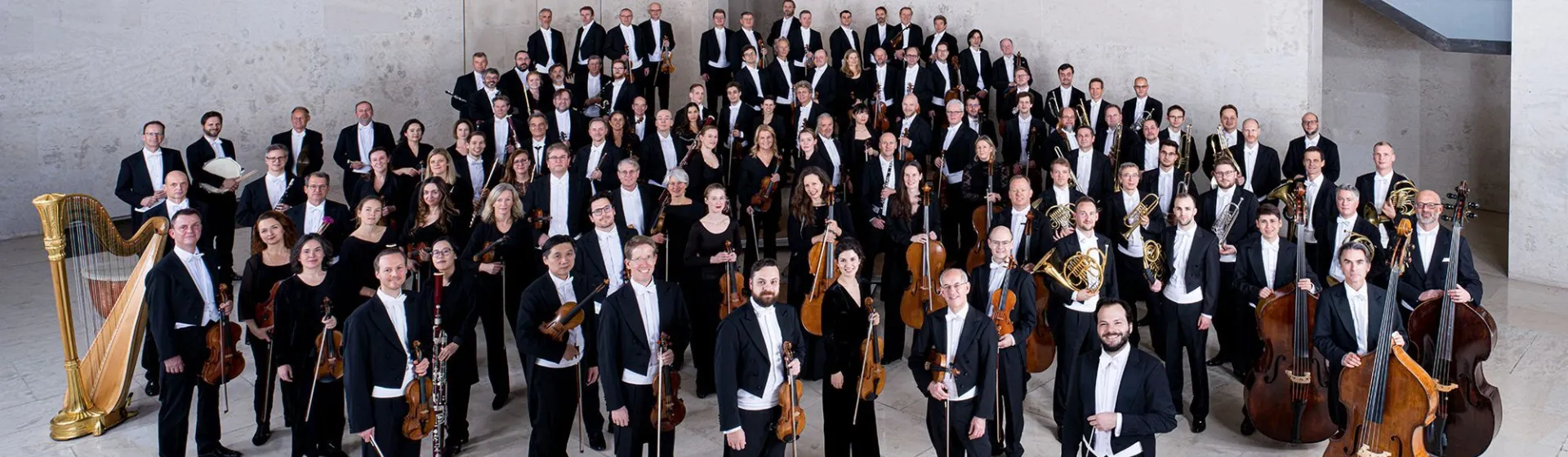
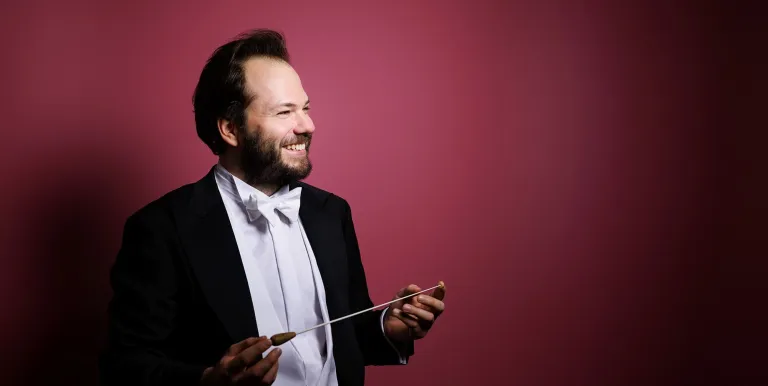
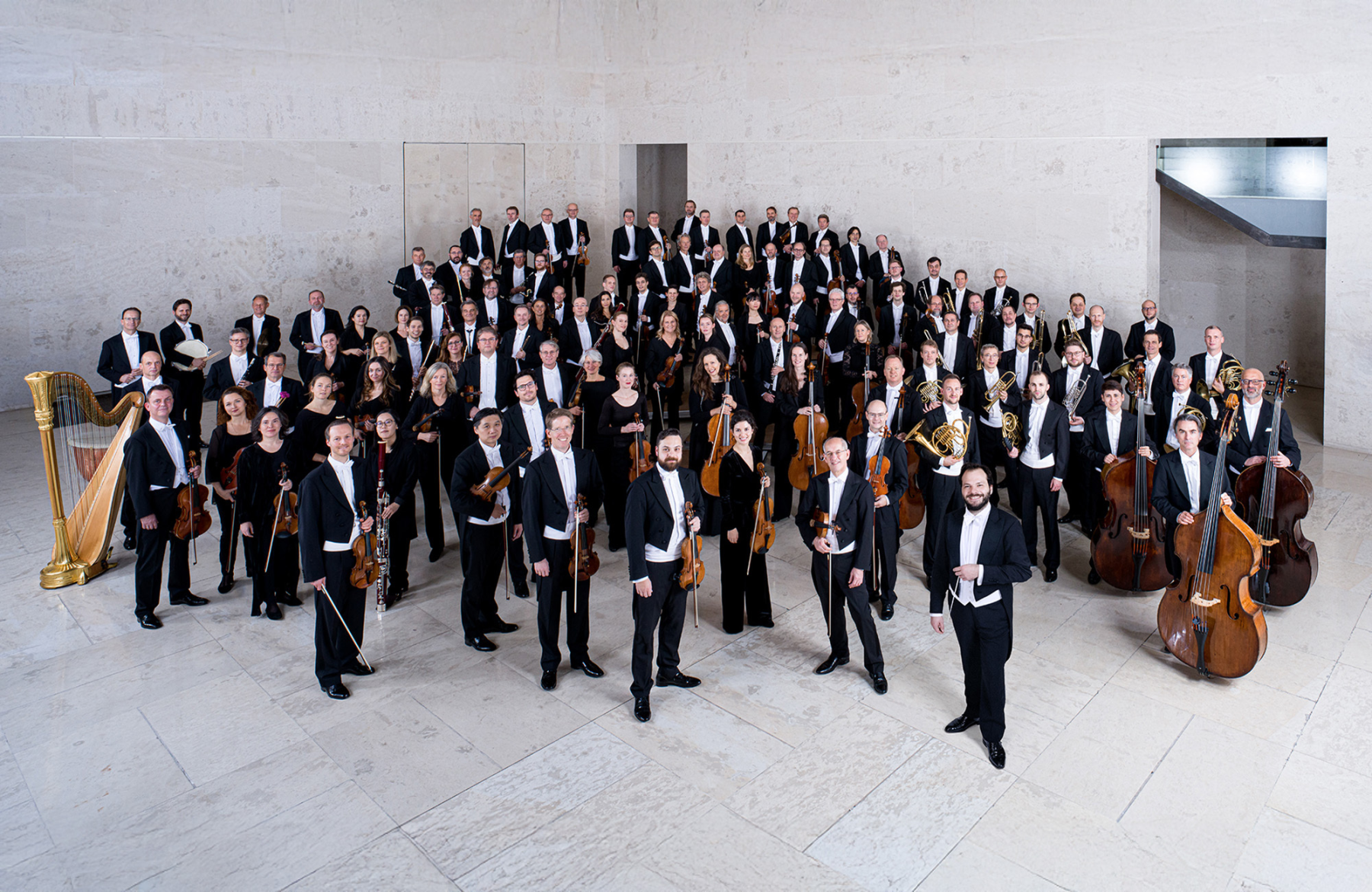
The Wiener Symphoniker is one of Europe’s leading symphonic ensembles. It was founded in 1900 by Ferdinand Löwe and primarily performs at the Wiener Konzerthaus and the Musikverein Wien. Over the course of its history, it has been headed by such conductors as Wolfgang Sawallisch, Carlo Maria Giulini, Fabio Luisi and Philippe Jordan. Serving since 2024, its current music director is the Czech conductor, double bassist and composer Petr Popelka. Born in Prague in 1986, he studied in that city’s conservatory before moving on to the University of Music Freiburg. Having led the Norwegian Radio Orchestra and the Prague Radio Symphony Orchestra, he is now contracted with the WSY for a five-year term.

© Johan Jacobs
Born in 1983, pianist Anna Vinnitskaya trained first in her native Russia and then at the Hamburg University of Music and Drama as a student of Evgeni Koroliov, going on to win the Queen Elisabeth Competition in Brussels in 2007. She is now a regular guest with major orchestras around the world, in addition to performing successful solo recitals throughout Europe.
-
Wagner
Faust Overture in D minor, WWW 59Ravel
Piano Concerto in D major for the Left HandMahler
Symphony No. 1 in D major (“Titan”)
1. Langsam, schleppend. Im Anfang sehr gemächlich
2. Kräftig bewegt, doch nicht zu schnell
3. Feierlich und gemessen, ohne zu schleppen
4. Stürmisch bewegtConductor:
Petr PopelkaFeaturing:
Anna Vinnitskaya – piano
Vienna Symphony Orchestra -
As a young man, Richard Wagner (1813–1883) planned to write a Faust Symphony based on Goethe’s tragic play in verse, one similar to Liszt’s. The first movement of this unfinished work eventually evolved into the darkly dramatic Faust Overture (1839/40), a rare example of music that Wagner wrote for the concert hall rather than the theatre, which took on its final form after an 1855 revision.
Maurice Ravel (1875–1937) wrote his Piano Concerto in D major in 1929/30 for Paul Wittgenstein, an Austrian virtuoso who lost his right arm in World War I. The resulting work was a single uninterrupted, yet segmented, musical process for the left hand alone, one prominently marked by a wild sense of gloom, the influence of jazz, and a tarantella-like rhythm.
Gustav Mahler composed his First Symphony (known as the ‘Titan’) in Leipzig in 1887/88 and premiered it in Budapest on 20 November 1889. The work’s expansive opening and closing movements bookend a folklike Ländler and a lyrically grotesque funeral march. This composition (like his next three symphonies) was inspired by the German folk poetry collection Des Knaben Wunderhorn (published in several volumes in 1806 and 1808 by Achim von Arnim and Clemens Brentano), which also explains the melodic similarities between some parts of the piece and the song cycle Lieder eines fahrenden Gesellen (1884/85), a work that also drew on the same source a few years earlier.
© Peter Rigaud
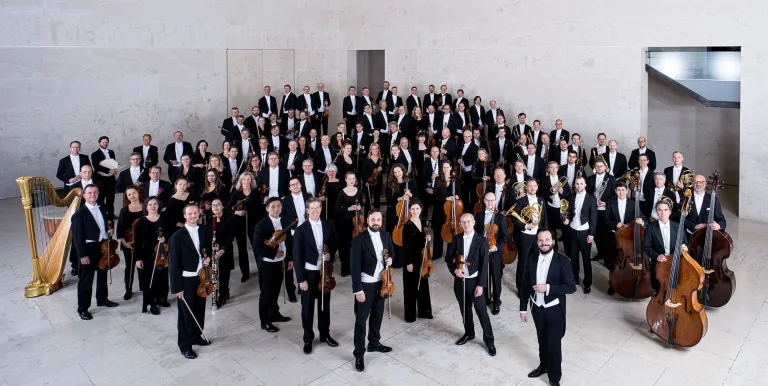
The Wiener Symphoniker is one of Europe’s leading symphonic ensembles. It was founded in 1900 by Ferdinand Löwe and primarily performs at the Wiener Konzerthaus and the Musikverein Wien. Over the course of its history, it has been headed by such conductors as Wolfgang Sawallisch, Carlo Maria Giulini, Fabio Luisi and Philippe Jordan. Serving since 2024, its current music director is the Czech conductor, double bassist and composer Petr Popelka. Born in Prague in 1986, he studied in that city’s conservatory before moving on to the University of Music Freiburg. Having led the Norwegian Radio Orchestra and the Prague Radio Symphony Orchestra, he is now contracted with the WSY for a five-year term.
© Johan Jacobs
Born in 1983, pianist Anna Vinnitskaya trained first in her native Russia and then at the Hamburg University of Music and Drama as a student of Evgeni Koroliov, going on to win the Queen Elisabeth Competition in Brussels in 2007. She is now a regular guest with major orchestras around the world, in addition to performing successful solo recitals throughout Europe.