Digital programme booklet
-
György Kurtág
Twittering – Games, Book 1/18b ; on grand piano
J. S. Bach–György Kurtág
Gottes Zeit ist die allerbeste Zeit, BWV 106 ; on grand piano
György Kurtág
Aus der Ferne (Alfred Schlee zum 80. Geburtstag) – Games, Book 5/6 ; on grand piano
György Kurtág
Harmonica (Hommage à Borsody László) – Games, Book 3/33 ; on grand piano
György Kurtág
A Little Chorale – Games, Book 1/5b ; on grand piano
J. S. Bach–Víkingur Ólafsson
Air on G-string, BWV 1068 (dedicated to György Kurtág on his 100th birthday) – premiere; on grand piano
György Kurtág
(sleepily) – Games, Book 1/11a ; on grand piano
György Kurtág
Hommage à Farkas Ferenc (2) (scraps from a colinda melody – faintly recollected) – JátékokGames, Book 3/25 ; on grand piano
Haydn
String Quartet in G major, Op. 76, No. 1 – Adagio (arranged for piano by György Kurtág)
György Kurtág
Hommage à R. Sch., Op. 15d
György Kurtág
…quasi una fantasia…, Op. 27, No. 1
intervalGyörgy Kurtág
Grabstein für Stefan, Op. 15c
György Kurtág
Stele, Op. 33
György Kurtág
Aus der Ferne (Alfred Schlee zum 80. Geburtstag) – Games, Book 5/6 ; on upright piano
György Kurtág
Harmonica (Hommage à Borsody László) – Games, Book 3/33 ; on upright piano
György Kurtág
A Little Chorale – Games, Book 1/5b ; on upright piano
J. S. Bach–Víkingur Ólafsson
Air on G-string, BWV 1068 (dedicated to György Kurtág on his 100th birthday) – premiere; on upright piano
György Kurtág
(sleepily) – Games, Book 1/11a ; on upright piano
György Kurtág
Hommage à Farkas Ferenc (2) (scraps from a colinda melody – faintly recollected) – Games, Book 3/25 ; on upright piano
György Kurtág
Twittering – Games, Book 1/18b ; on upright piano
J. S. Bach–György Kurtág
Gottes Zeit ist die allerbeste Zeit, BWV 106 ; on upright piano
Conductor:
Markus StenzFeaturing:
piano Víkingur Ólafsson, Halla Oddný Magnúsdóttirclarinet Csaba Klenyánviola Máté Szűcsguitar Pablo MárquezDanubia Orchestra -
György Kurtág is 100 years old, meaning the year of his birth is as distant from us in time as it was from 1826 – the year Beethoven composed his final work, his String Quartet in F major, Op. 135. A hundred years is an enormous timespan in human terms; of the major composers, only the American Elliott Carter (1908–2012) reached this illustrious milestone, passing away just a month before his 104th birthday. That said, Heinrich Schütz (1585–1672), a figure profoundly important to Kurtág, lived to 87, which was exceptionally old for the 17th century. Yet time is a relative concept, and intellectual vitality bears no direct correlation to it – it seems to have no effect whatsoever on György Kurtág's creative output. Indeed, Kurtág's oeuvre demonstrates that a hundred years can be viewed as a remarkably short period, one that can encompass a thousand years of music history – or even several thousand years of culture. For example, the title Stele is the Greek word for “gravestone” or “memorial stone”, so Kurtág’s orchestral piece refers back to the Hellenic era, the cradle of European culture, while the final movement of his chamber work Hommage à R. Sch. evokes Guillaume de Machaut, the most important composer of the 14th century. But this celebratory concert also features Bach, Haydn, and Romanian folk music, allowing countless stars, giant and dwarf planets of the Kurtág universe to shine – from grand orchestral works to piano pieces of barely one minute.
Kurtág’s Stele performed by Berliner Philharmoniker:
The performers of the evening are closely connected to the composer. The conductor Markus Stenz ranks among the most significant Kurtág interpreters; he premiered the composer’s first opera, Fin de partie, at La Scala in Milan in 2018, with the Danubia Orchestra performing at its Hungarian premiere. The clarinettist Csaba Klenyán has worked with Kurtág for decades, while the violist Máté Szűcs recently performed his early Viola Concerto at Pest Vigadó. As for Víkingur Ólafsson, whom Müpa named Artist of the Season for 2025-2026 – and who will now take the stage for a few four-hand pieces together with his wife, Halla Oddný Magnúsdóttir –, the Icelandic star pianist has been under Kurtág's spell since childhood. He has been in personal contact with the composer since 2021, and he said of his 2022 Deutsche Grammophon album dedicated to Kurtág that it was his most personal recording.
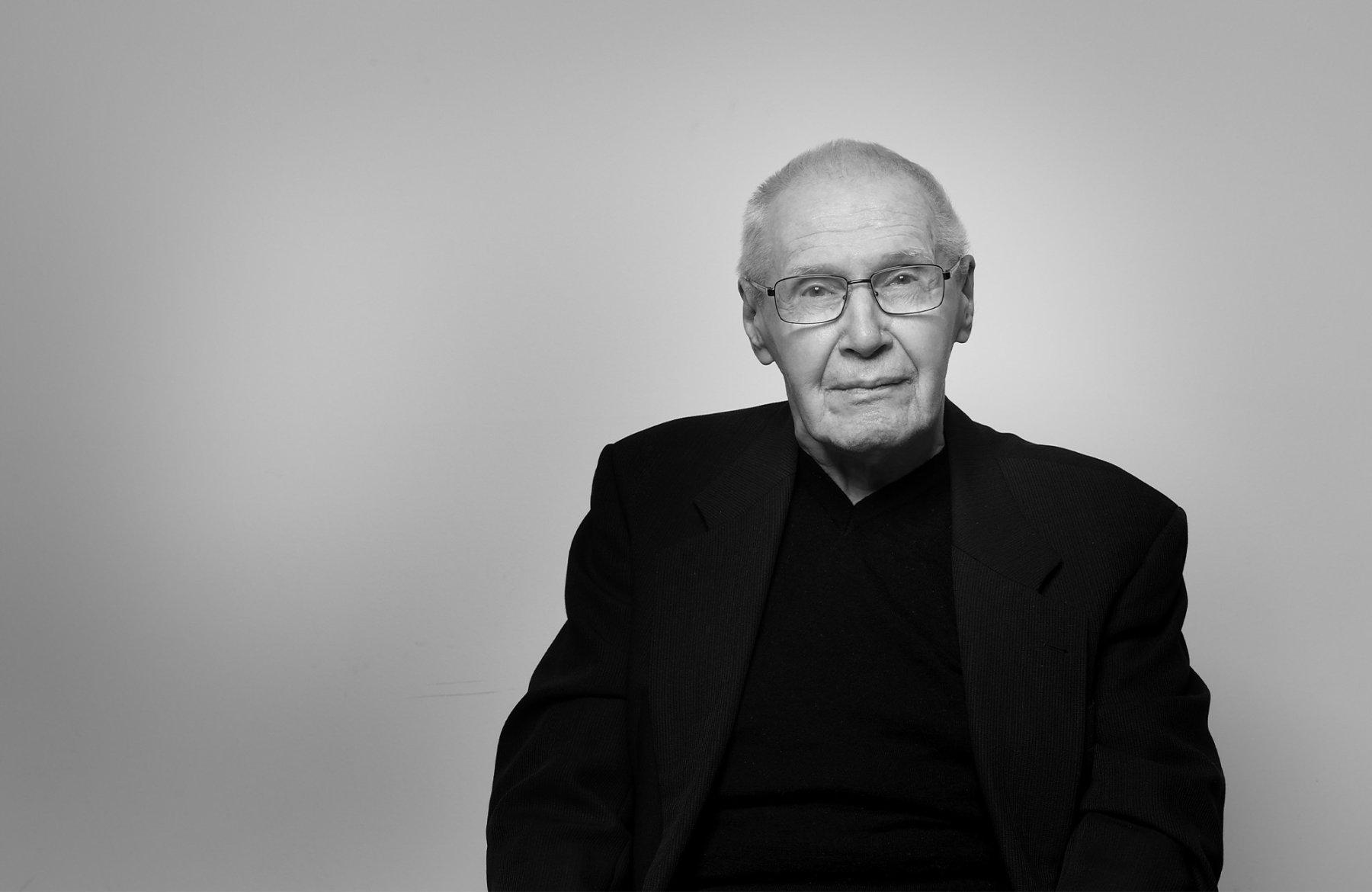
© István Huszti
-
György Kurtág
Twittering – Games, Book 1/18b ; on grand piano
J. S. Bach–György Kurtág
Gottes Zeit ist die allerbeste Zeit, BWV 106 ; on grand piano
György Kurtág
Aus der Ferne (Alfred Schlee zum 80. Geburtstag) – Games, Book 5/6 ; on grand piano
György Kurtág
Harmonica (Hommage à Borsody László) – Games, Book 3/33 ; on grand piano
György Kurtág
A Little Chorale – Games, Book 1/5b ; on grand piano
J. S. Bach–Víkingur Ólafsson
Air on G-string, BWV 1068 (dedicated to György Kurtág on his 100th birthday) – premiere; on grand piano
György Kurtág
(sleepily) – Games, Book 1/11a ; on grand piano
György Kurtág
Hommage à Farkas Ferenc (2) (scraps from a colinda melody – faintly recollected) – JátékokGames, Book 3/25 ; on grand piano
Haydn
String Quartet in G major, Op. 76, No. 1 – Adagio (arranged for piano by György Kurtág)
György Kurtág
Hommage à R. Sch., Op. 15d
György Kurtág
…quasi una fantasia…, Op. 27, No. 1
intervalGyörgy Kurtág
Grabstein für Stefan, Op. 15c
György Kurtág
Stele, Op. 33
György Kurtág
Aus der Ferne (Alfred Schlee zum 80. Geburtstag) – Games, Book 5/6 ; on upright piano
György Kurtág
Harmonica (Hommage à Borsody László) – Games, Book 3/33 ; on upright piano
György Kurtág
A Little Chorale – Games, Book 1/5b ; on upright piano
J. S. Bach–Víkingur Ólafsson
Air on G-string, BWV 1068 (dedicated to György Kurtág on his 100th birthday) – premiere; on upright piano
György Kurtág
(sleepily) – Games, Book 1/11a ; on upright piano
György Kurtág
Hommage à Farkas Ferenc (2) (scraps from a colinda melody – faintly recollected) – Games, Book 3/25 ; on upright piano
György Kurtág
Twittering – Games, Book 1/18b ; on upright piano
J. S. Bach–György Kurtág
Gottes Zeit ist die allerbeste Zeit, BWV 106 ; on upright piano
Conductor:
Markus StenzFeaturing:
piano Víkingur Ólafsson, Halla Oddný Magnúsdóttirclarinet Csaba Klenyánviola Máté Szűcsguitar Pablo MárquezDanubia Orchestra -
György Kurtág is 100 years old, meaning the year of his birth is as distant from us in time as it was from 1826 – the year Beethoven composed his final work, his String Quartet in F major, Op. 135. A hundred years is an enormous timespan in human terms; of the major composers, only the American Elliott Carter (1908–2012) reached this illustrious milestone, passing away just a month before his 104th birthday. That said, Heinrich Schütz (1585–1672), a figure profoundly important to Kurtág, lived to 87, which was exceptionally old for the 17th century. Yet time is a relative concept, and intellectual vitality bears no direct correlation to it – it seems to have no effect whatsoever on György Kurtág's creative output. Indeed, Kurtág's oeuvre demonstrates that a hundred years can be viewed as a remarkably short period, one that can encompass a thousand years of music history – or even several thousand years of culture. For example, the title Stele is the Greek word for “gravestone” or “memorial stone”, so Kurtág’s orchestral piece refers back to the Hellenic era, the cradle of European culture, while the final movement of his chamber work Hommage à R. Sch. evokes Guillaume de Machaut, the most important composer of the 14th century. But this celebratory concert also features Bach, Haydn, and Romanian folk music, allowing countless stars, giant and dwarf planets of the Kurtág universe to shine – from grand orchestral works to piano pieces of barely one minute.
Kurtág’s Stele performed by Berliner Philharmoniker:
The performers of the evening are closely connected to the composer. The conductor Markus Stenz ranks among the most significant Kurtág interpreters; he premiered the composer’s first opera, Fin de partie, at La Scala in Milan in 2018, with the Danubia Orchestra performing at its Hungarian premiere. The clarinettist Csaba Klenyán has worked with Kurtág for decades, while the violist Máté Szűcs recently performed his early Viola Concerto at Pest Vigadó. As for Víkingur Ólafsson, whom Müpa named Artist of the Season for 2025-2026 – and who will now take the stage for a few four-hand pieces together with his wife, Halla Oddný Magnúsdóttir –, the Icelandic star pianist has been under Kurtág's spell since childhood. He has been in personal contact with the composer since 2021, and he said of his 2022 Deutsche Grammophon album dedicated to Kurtág that it was his most personal recording.
© István Huszti