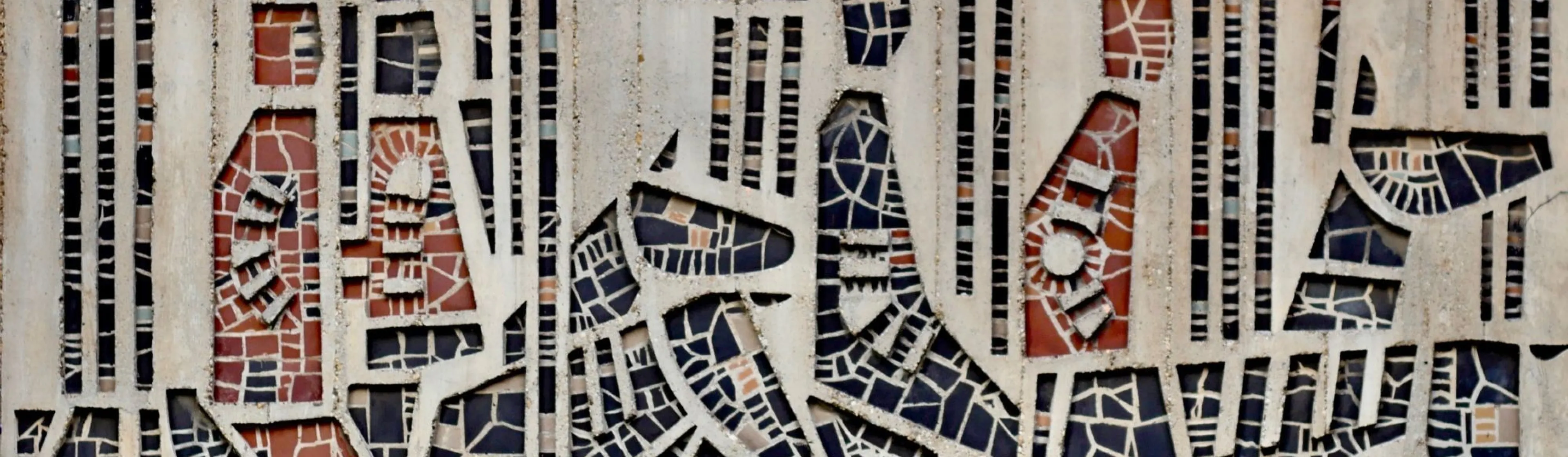
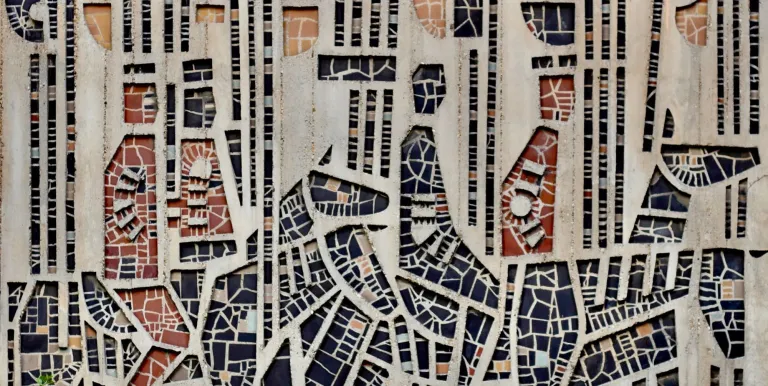
In essence, the plot of the Ring, featured in this year's Budapest Wagner Days festival, revolves around a dispute over the settlement of a payment between a client and a building contractor. It is in this spirit, and to honour the centenary of the Bauhaus movement, that we are presenting a selection of particularly interesting pieces from the modern architectural history of Hungary.
Human beings have always decorated their buildings - in styles that have varied by culture and historical era. In the history of the decorative arts, the modernism of the 1920s brought a key change: the new architecture, with the Bauhaus school being one of its key movements, dispensed with ornamentation. These innovative buildings were defined primarily by how planes and masses were set up proportionally to each other, and ornamentation and figurative decoration were generally not allowed to disrupt the composition. It was the play with the materials (stone, cement, glass and steel) that gave the surfaces their dynamism. Even in cases when an artistic work was introduced into a modern building, it was done in such a way as to adapt to the structure and emphasise the architectural features, usually in a non-figurative fashion. These non-representational or extensively reworked compositions constitute an integral part of the buildings, which is why we often do not regard them today as independent artworks: they blur the boundaries between architecture, decoration and the fine arts.
Our selection, spanning the years from 1936 to the 2000s, seeks to remind us that our cities and public buildings contain many high-quality works of modern art designed by noted fine artists that sometimes, nevertheless, remain unnoticed by passers-by. The overt aim of this exhibition is to make these works visible and put into focus the fact that they represent value that is by all means worth preserving.
Presented by: Müpa Budapest

Interjú
Korszakváltás fokozatosan
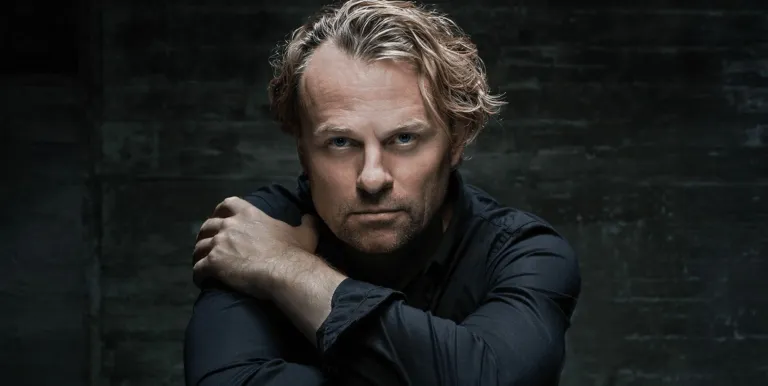
Rajna Martin, a Magyar Állami Operaház első karmestere és a Luxemburgi Filharmonikus Zenekar főzeneigazgatója társ-művészetivezetőként csatlakozik a jövőre húszéves Budapesti Wagner-napokhoz.
Jegyzet
Wagner-hősök nyomában
Miért nem veszi észre a naiv Siegfried az ellene szövődő ármányt, és miért kell Sentának meghalnia a bolygó hollandiért? Nézzünk egy kis Wagner-hőstipológiát a karakterek jobb megértése érdekében!




-
We wish to inform you that in the event that Müpa Budapest's underground garage and outdoor car park are operating at full capacity, it is advisable to plan for increased waiting times when you arrive. In order to avoid this, we recommend that you depart for our events in time, so that you you can find the ideal parking spot quickly and smoothly and arrive for our performance in comfort. The Müpa Budapest underground garage gates will be operated by an automatic number plate recognition system. Parking is free of charge for visitors with tickets to any of our paid performances on that given day. The detailed parking policy of Müpa Budapest is available here.