Featuring:
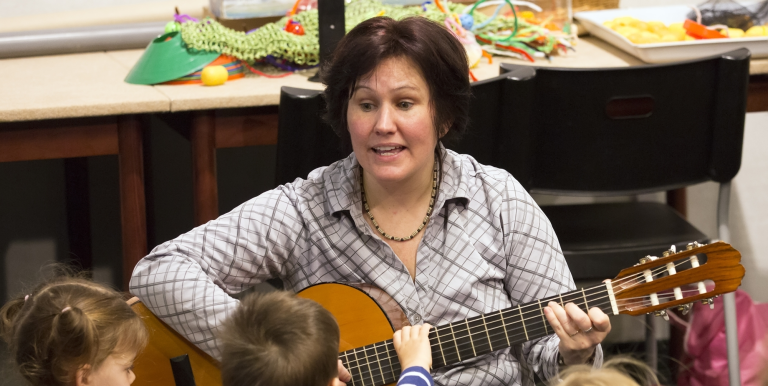
The stars of this series are the “tools” of music: its instruments. Children will get the chance to familiarise themselves with these instruments in the context of authentic live music and with the assistance of expert musicians. In this semester we return to the world at large, introducing children to the folk music and rarely seen or heard instruments of various parts of the globe at concerts and subsequent presentations of musical instruments.
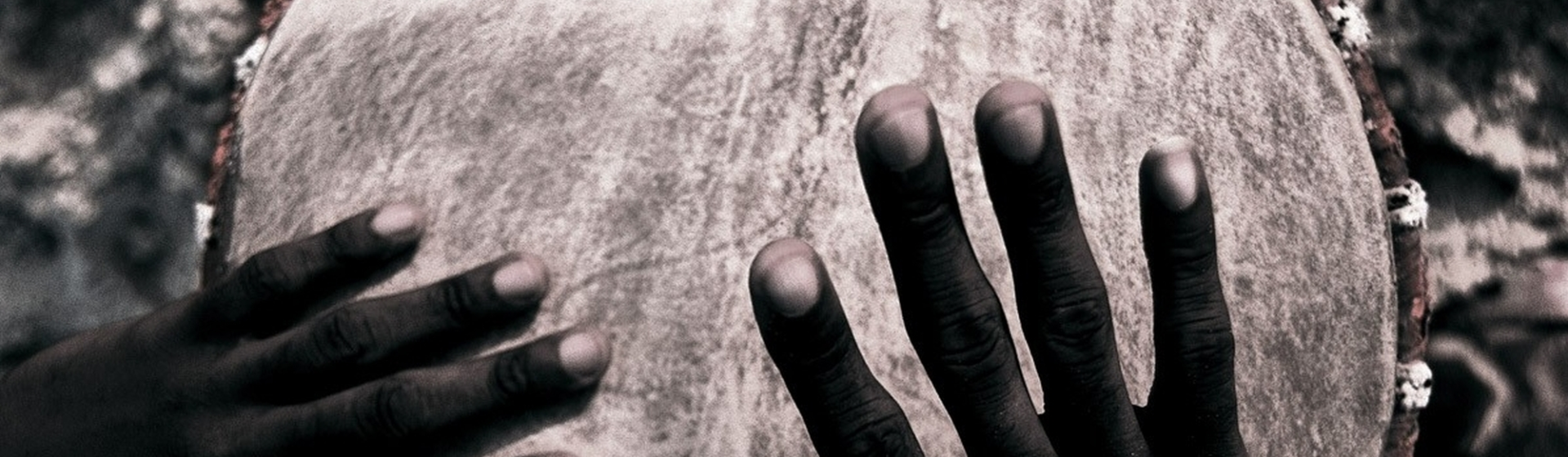
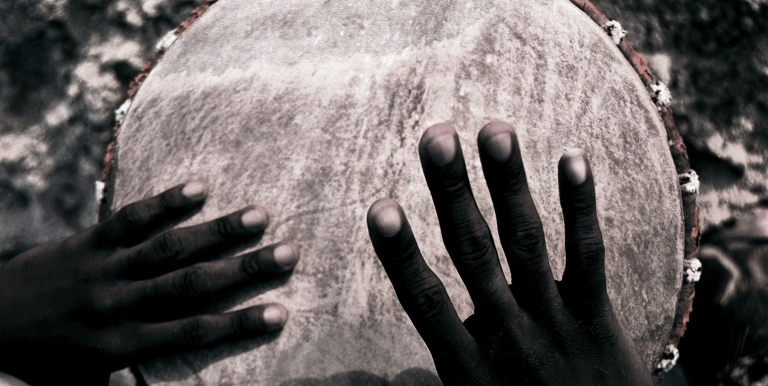
The distinctive sound of the traditional percussion instrument of West Africa, the djembe, is primarily attributable to its cylindrical shape, tapering from the base upwards before suddenly widening into the drumhead, which is generally covered with tough goatskin or calfskin. Tradition has it that three spirits inhabit the djembe: the spirit of the wood from which the drum is carved, the spirit of the animal which provided its hide for the playing surface, and the spirit of the drum-maker, without whose expertise the drum could not have been made. The guembri, originally played by the Gnawa tribe of Morocco, is a three-stringed plucked instrument, with a body carved from a single piece of wood and covered on the playing side with camelskin, similarly to the skin membrane of a banjo. The player not only plucks the instrument but uses it to produce percussive effects as well. With minor variations it is an instrument widespread in other areas of North Africa, and also known to Arab peoples.
Our partner in producing this series is the Ethnosound world music instrument shop.
Age: 8-12 year
Presented by: Müpa Budapest

-
We wish to inform you that in the event that Müpa Budapest's underground garage and outdoor car park are operating at full capacity, it is advisable to plan for increased waiting times when you arrive. In order to avoid this, we recommend that you depart for our events in time, so that you you can find the ideal parking spot quickly and smoothly and arrive for our performance in comfort. The Müpa Budapest underground garage gates will be operated by an automatic number plate recognition system. Parking is free of charge for visitors with tickets to any of our paid performances on that given day. The detailed parking policy of Müpa Budapest is available here.