Digital programme booklet
-
Performed by:
Székesfehérvár Ballet Theatre
Creators:
Music: Félix Lajkó
Costumes: Anett Herman
Stage set and lighting: Yaron Abulafia
Production manager: Bence Cselle
Assistant to the choreographer: Cristina Porres Mormeneo
Choreographer, director: Attila EgerháziThe premiere was presented by Müpa Budapest as a joint event with the Székesfehérvár Ballet Theatre as part of the Bartók Spring.
-
In 1874, Nándor Borostyáni wrote about a peasant family near Szeged: ‘On rare festive occasions, the farmer’s wife leads her guests into the “clean room,” this domestic sanctuary, which contains the most precious possessions of the family, passed down from generation to generation: the “tulip-painted chest,” in the most hidden corner of which rests a handful of silver coins tied up in a stocking; the guest bed, with its pillow and duvet swelling almost to the ceiling; and the large picture of the Virgin Mary, under which the devout housewife sometimes lights a flickering candle of piety.
© Szilvia Csibi, Müpa
This clean room always faces the street, and is usually separated from the real living room by the kitchen. During the winter, the family, forced together by the cold, huddles around the large stove in the common living room, heated with dung, with a wide shelf offering a warm place to sleep, while at other times of the year, on Sunday afternoons, the bench by the gate is the place and meeting point where neighbours prefer to gather to chat about the week’s occurrences.’
A clear room in Szék:
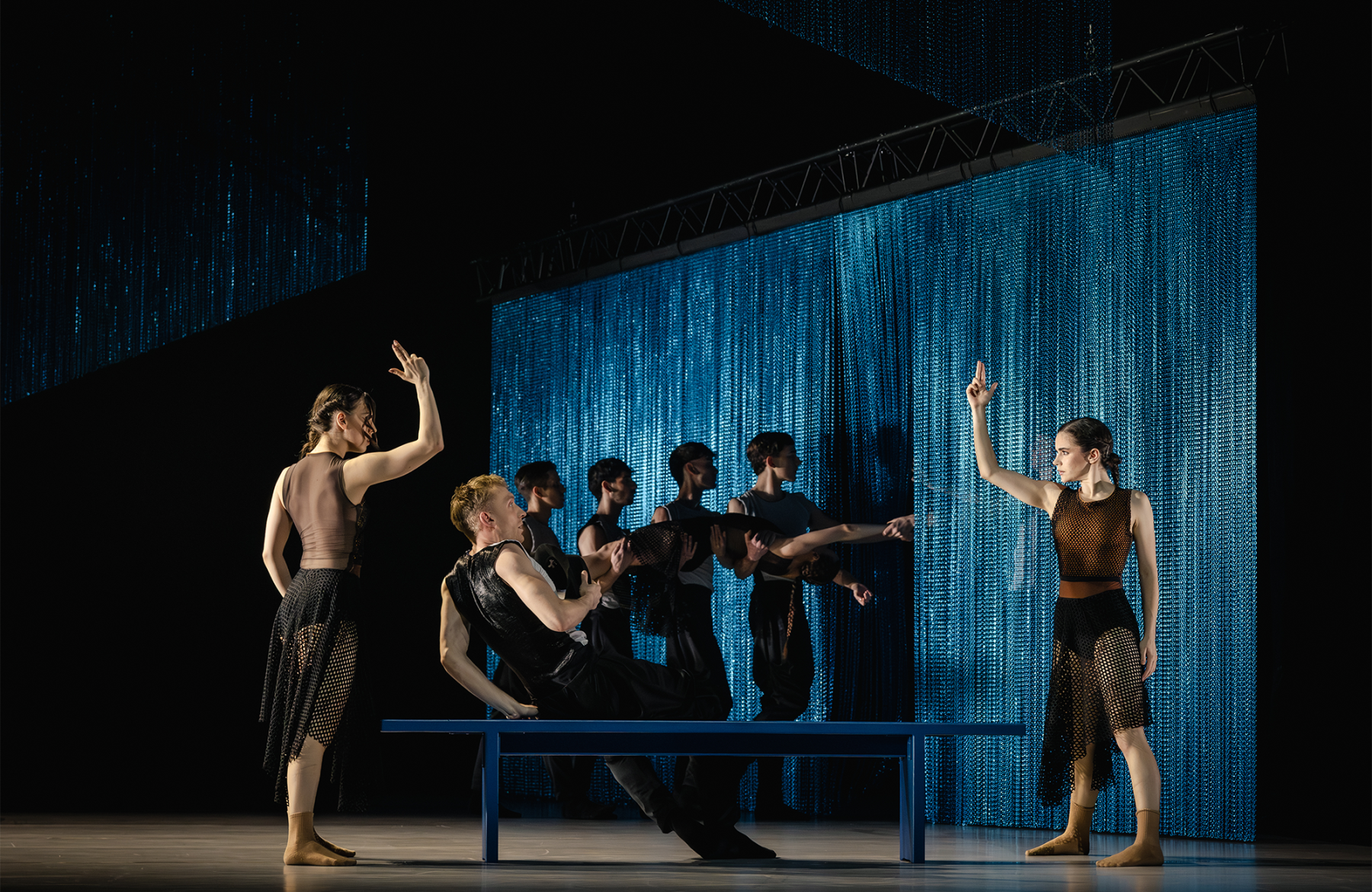
Attila Egerházi explained the meaning of the space of the new production: ‘The innermost, or “clean,” room is an ornately furnished room in the rural homes of the past, the cleanest space in the house, used for festive occasions rather than everyday ones. Wedding and christening parties were held here, wakes and burial feasts. It was also a status symbol of the family. The walls sometimes enclosed jealously guarded secrets.’ At the same time, the innermost room is not just a room, ‘but a symbol, a metaphor. A “place” where we keep the secrets of our souls, a repository of memories and thoughts, events and feelings both real and imaginary. Lying deep in our consciousness, these actual and fanciful things and events wait to be brought to life by some cathartic experience.
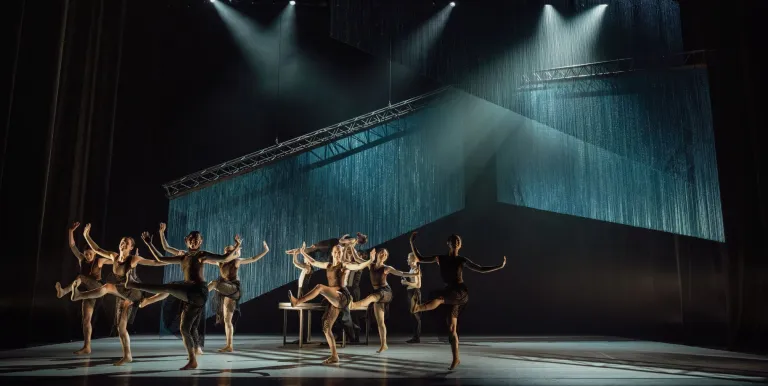
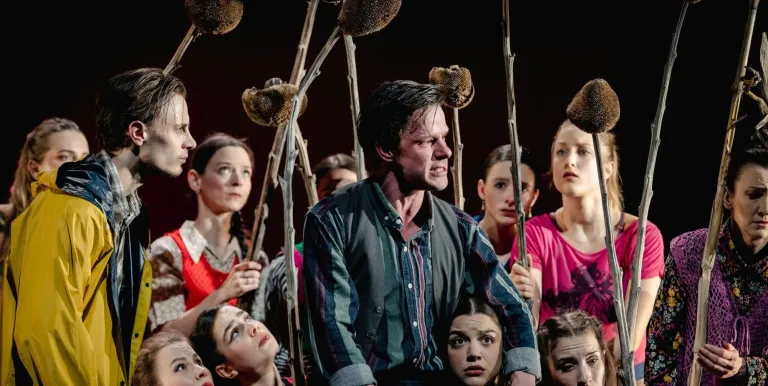
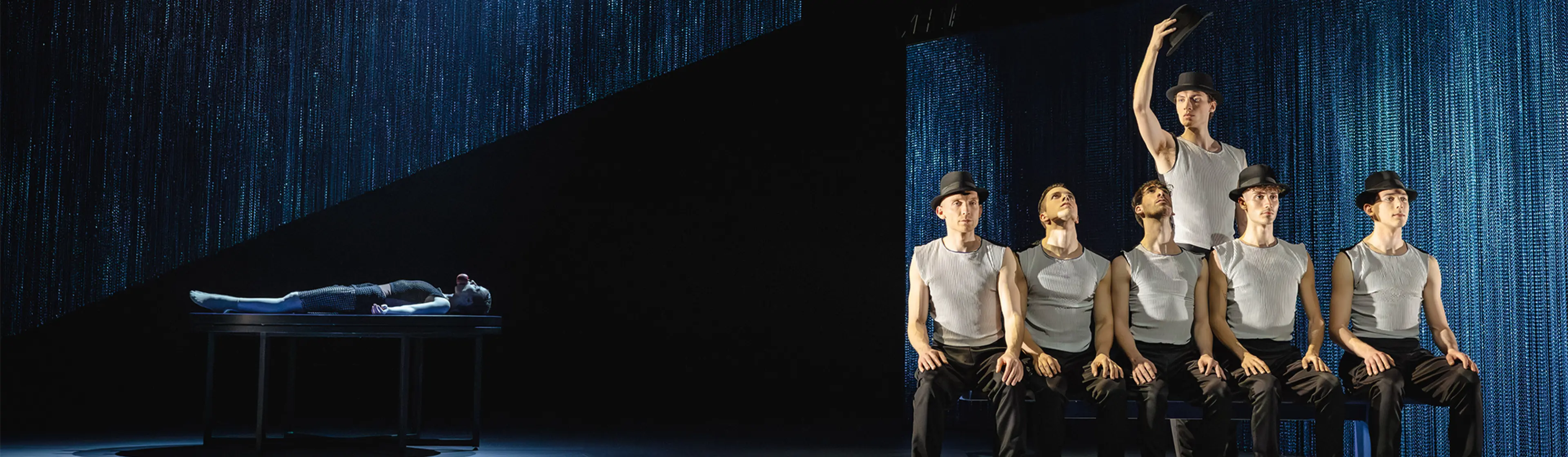
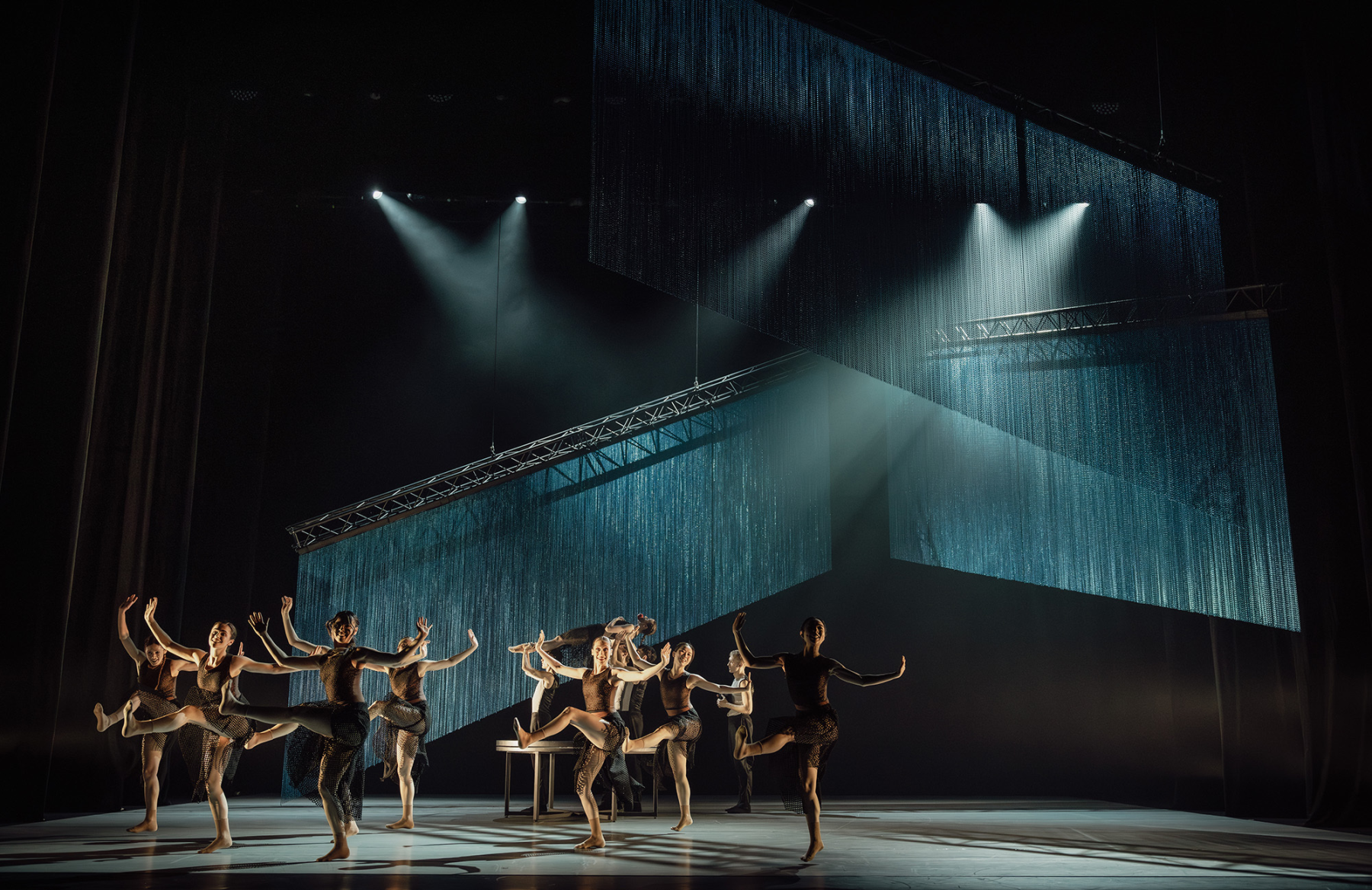
This production of dance theatre presents things and actions that cannot be expressed in words. The dramaturgical structure of the work is woven from dreamlike images, in which the individual events seem to operate independently of each other and only towards the end of the performance does the picture come together.
The action and music of the piece draw from the rich well of folk culture. As a choreographer, I have long been interested in and extremely inspired by the music and art of Félix Lajkó, which I feel very close to, and creating this production has now provided an opportunity to collaborate with the composer and work together creatively.”
© Szilvia Csibi, Müpa
-
Performed by:
Székesfehérvár Ballet Theatre
Creators:
Music: Félix Lajkó
Costumes: Anett Herman
Stage set and lighting: Yaron Abulafia
Production manager: Bence Cselle
Assistant to the choreographer: Cristina Porres Mormeneo
Choreographer, director: Attila EgerháziThe premiere was presented by Müpa Budapest as a joint event with the Székesfehérvár Ballet Theatre as part of the Bartók Spring.
-
In 1874, Nándor Borostyáni wrote about a peasant family near Szeged: ‘On rare festive occasions, the farmer’s wife leads her guests into the “clean room,” this domestic sanctuary, which contains the most precious possessions of the family, passed down from generation to generation: the “tulip-painted chest,” in the most hidden corner of which rests a handful of silver coins tied up in a stocking; the guest bed, with its pillow and duvet swelling almost to the ceiling; and the large picture of the Virgin Mary, under which the devout housewife sometimes lights a flickering candle of piety.
© Szilvia Csibi, Müpa
This clean room always faces the street, and is usually separated from the real living room by the kitchen. During the winter, the family, forced together by the cold, huddles around the large stove in the common living room, heated with dung, with a wide shelf offering a warm place to sleep, while at other times of the year, on Sunday afternoons, the bench by the gate is the place and meeting point where neighbours prefer to gather to chat about the week’s occurrences.’
A clear room in Szék:
Attila Egerházi explained the meaning of the space of the new production: ‘The innermost, or “clean,” room is an ornately furnished room in the rural homes of the past, the cleanest space in the house, used for festive occasions rather than everyday ones. Wedding and christening parties were held here, wakes and burial feasts. It was also a status symbol of the family. The walls sometimes enclosed jealously guarded secrets.’ At the same time, the innermost room is not just a room, ‘but a symbol, a metaphor. A “place” where we keep the secrets of our souls, a repository of memories and thoughts, events and feelings both real and imaginary. Lying deep in our consciousness, these actual and fanciful things and events wait to be brought to life by some cathartic experience.
This production of dance theatre presents things and actions that cannot be expressed in words. The dramaturgical structure of the work is woven from dreamlike images, in which the individual events seem to operate independently of each other and only towards the end of the performance does the picture come together.
The action and music of the piece draw from the rich well of folk culture. As a choreographer, I have long been interested in and extremely inspired by the music and art of Félix Lajkó, which I feel very close to, and creating this production has now provided an opportunity to collaborate with the composer and work together creatively.”
© Szilvia Csibi, Müpa