


one interval
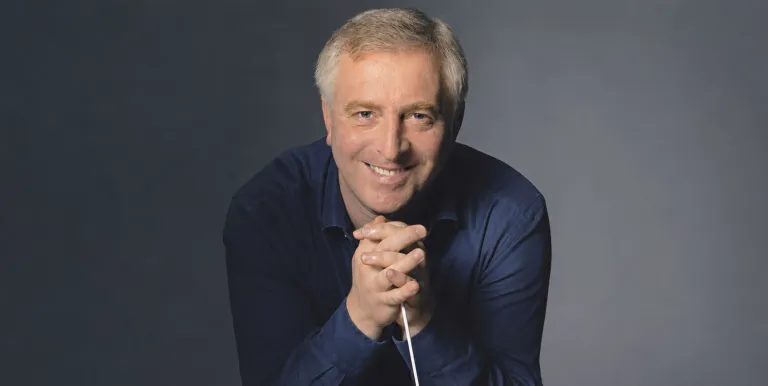
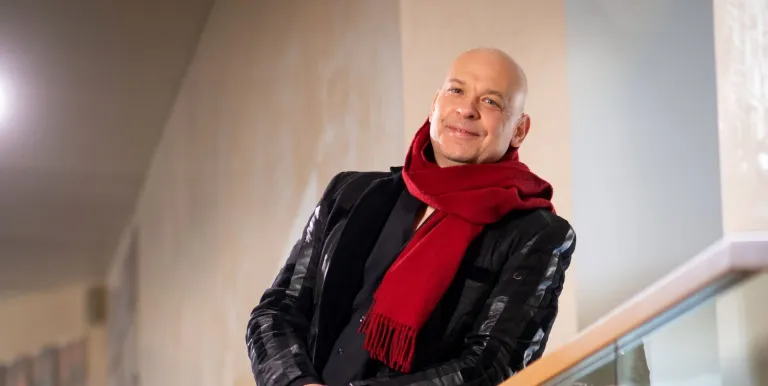
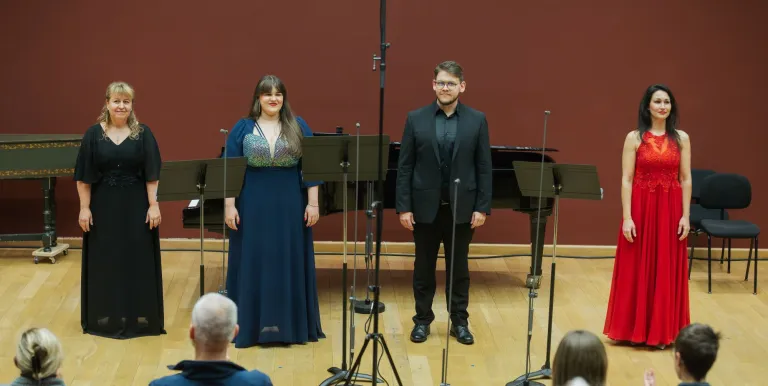
Featuring:
Artistic director:
Gluck
Don Juan – Dance of spectres and furies
Porpora
Mitridate – Vedrà turbato il mare
Vivaldi
Violin concerto in G minor (“L’Estate””), RV 315
Albinoni
Eraclea (instrumental) – Dopo i nembi e le procelle
Hasse
Euristeo – Vede il nocchier la sponda
Telemann
Wassermusik overture, TWV 55:C3 – Der stürmende Aeolus
Porpora
Adelaide – Nobil onda
Sellitto
Nitocri – Scenda dal cielo irato
Zavateri
Violin concerto in G major („A tempesta di mare”), op. 1, No. 12
Vivaldi
Griselda – Dopo un’orrida procella
Giacomelli
Scipione in Cartagine nuova – Villanel la nube estiva
Hasse
Viriate – Come nave in mezzo l’onde
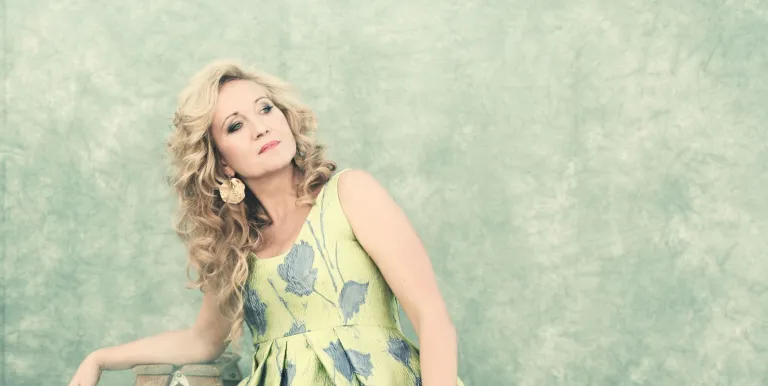
Signifying a natural phenomenon of overwhelming power, a more suitable title could scarcely have been found for this programme featuring the works of composers from the 17th and 18th centuries, for Simone Kermes captivates her audience with a tempestuous energy that simply cannot be resisted. The world-renowned German soprano rejoices in music, and her spontaneous and natural delivery permeates each of her performances. The listener would gladly start dancing – if only because they must not break into song – for she is one of only very few in the singing profession able to handle the coloratura fireworks of the Baroque repertoire with such elemental power and perfection. Figuratively speaking, Kermes beats the most daring extreme sports enthusiasts hands down: like a wingsuit flyer, she leaps from cliffs before gliding, swiftly and surely as the wind, through gaps in the rocks only a few metres wide. The difference is that she herself determines the conditions on stage, leaving nothing to chance. In what promises to be a special evening, Kermes performs arias “plucked” from operas, but – thanks to the expressive and even visual power of her voice – the listener will see the full character and situation in each case materialise before them.
To achieve all this naturally also requires an ensemble that follows the tiniest vibrations of the soloist while generating its own irresistable energy. Cappella Gabetta, the period chamber orchestra led by concertmaster Andrés Gabetta, is just such an ensemble, which, with a repertoire that includes classics and rarities alike, regularly performs at prestigious festivals with world-famous soloists.
Presented by: Müpa Budapest
-
Parking is free of charge for visitors with tickets to any of our paid performances on the day of the performance. Upon entering the car park, you can either scan the barcode or QR code on your concert ticket, or take a parking ticket and validate it together with your concert ticket at one of the payment machines. Either option will enable you to exit through the gates operated by the number plate recognition system. We recommend that you plan to arrive at Müpa in good time, so that you can find the ideal parking spot quickly and without difficulty and arrive at your performance comfortably. The detailed parking policy of Müpa Budapest is available here.