one interval
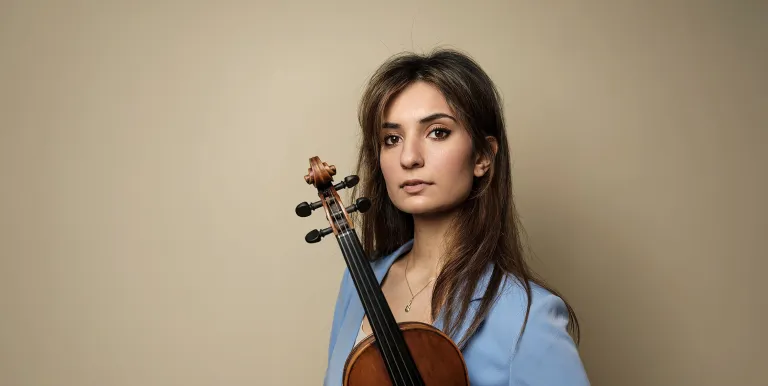
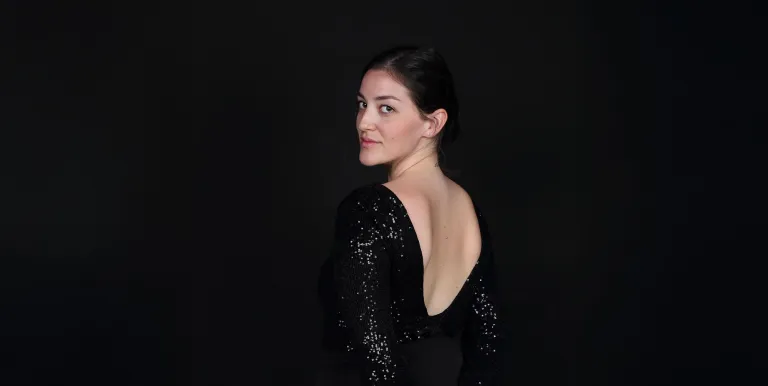
J. S. Bach
Cello Suite No. 3 in C major, BWV 1009 – On four-string cello
Beethoven
Cello Sonata No. 4 in C major, op. 102, No. 1 – On four-string cello
J. S. Bach
Violin Partita No. 3 in E major, BWV 1006 – On five-string cello
Schubert
Sonata in A minor ('Arpeggione'), D. 821 – On five-string cello
Five-string cello, four-string cello, cello in the dance movements of a suite, cello playing a sonata, solo cello, cello accompanied by piano, cello playing Baroque music, cello playing the Vienna classics, cello playing early Romantic music – no one will get bored at this concert, with its coherent and yet still varied programme.
Three of the greatest masterpieces from the literature for the cello will be played on this evening, along with a 'special guest' – a masterpiece of similar weight from the solo violin repertoire – transcribed for cello. Bach's cello suites were ignored for two entire centuries, until Pablo Casals recorded them and gave them a breakthrough in their public estimation. The instrument has no less to thank Beethoven's cello sonatas for than the emancipation of chamber music, while Schubert's Arpeggione Sonata – originally written for a six-string instrument equipped with frets and resembling a guitar – already points the way toward Romanticism.
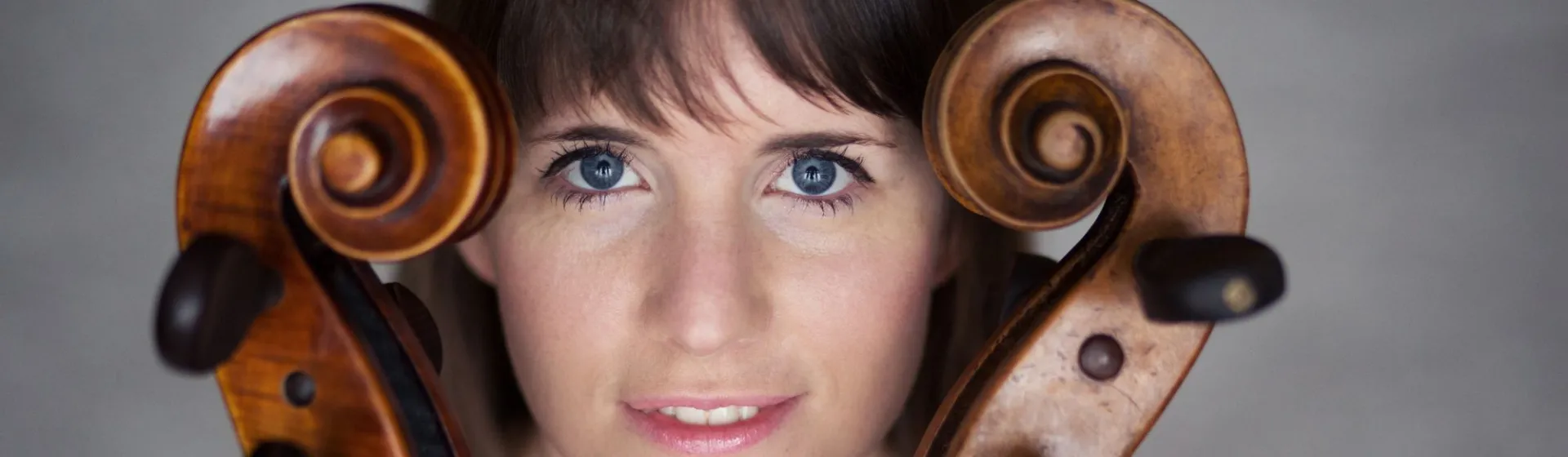
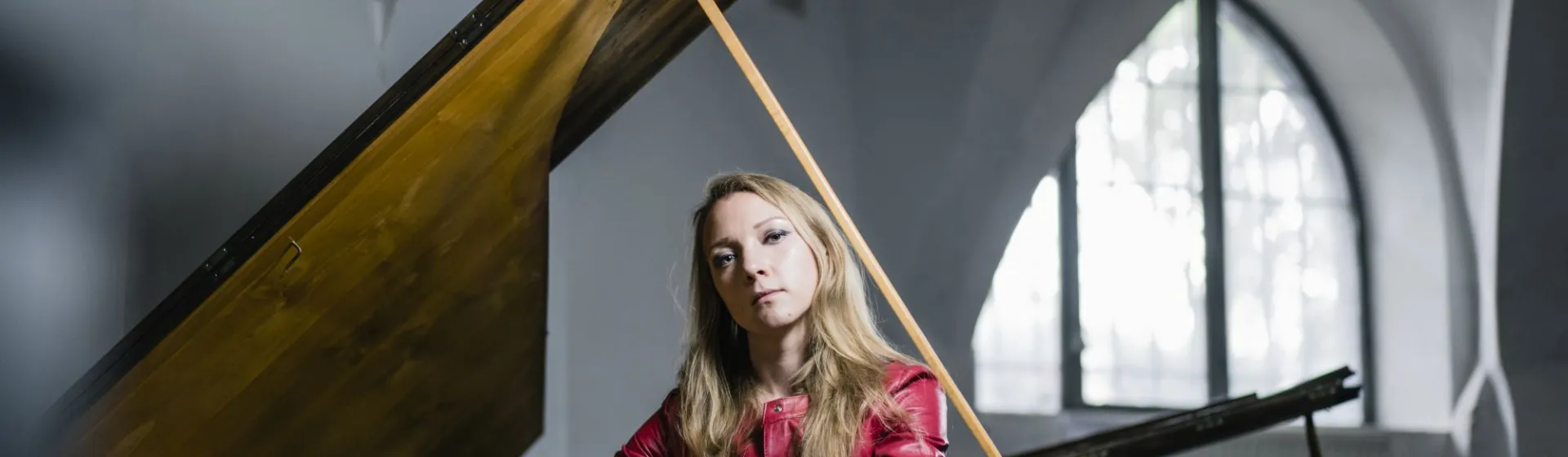
Ditta Rohmann was born in Budapest 1983. After spending two years studying at the New England Conservatory in Boston in the early '90s, she enrolled at Budapest's Franz Liszt Academy of Music in 1995, where she spent the next ten years studing under Ottó Kertész and Miklós Perényi. Later on, in 2007/08, she also attended Ivan Monighetti's classes at the City of Basel Music Academy. She is considered to be an experimentative individual, an enthusiastic chamber musician and a sensitive and creative artist. She herself said of her partner, Olga Pashchenko, that she is 'a fantastic keyboard virtuoso and an elemental talent. She is very self-confident and possesses enormous skill and experience, even though we are the same age. It is very inspiring to play music with her.'
Presented by: Müpa Budapest
-
Parking is free of charge for visitors with tickets to any of our paid performances on the day of the performance. Upon entering the car park, you can either scan the barcode or QR code on your concert ticket, or take a parking ticket and validate it together with your concert ticket at one of the payment machines. Either option will enable you to exit through the gates operated by the number plate recognition system. We recommend that you plan to arrive at Müpa in good time, so that you can find the ideal parking spot quickly and without difficulty and arrive at your performance comfortably. The detailed parking policy of Müpa Budapest is available here.