one interval
Handel
Radamisto, HWV 12 – Overture
Handel
Flavio, HWV 16 – Son pur felice…Bel contento
Handel
Concerto Grosso in G major, op. 6, No. 1 – IV. Allegro
Handel
Siroe, HWV 24 – Son stanco...Deggio morire, o stelle
Handel
Concerto Grosso in C minor, op. 6, No. 8 – II. Grave, III. Andante; Allegro
Handel
Imeneo, HWV 41 – Se potessero i sospir miei
Handel
Concerto Grosso in A minor, op. 6, No. 4 – III. Largo, IV. Allegro
Handel
Radamisto – Vieni d’empieta…Vile! Se mi dai morte
Handel
Concerto Grosso in F major, op. 6, No. 2 – III. Largo
Handel
Giustino, HWV 37 – Chi mi chiama alla gloria?... Se parla nel mio cor
Handel
Concerto Grosso in G minor, op. 6, No. 6 – II. Allegro ma non troppo
Handel
Concerto Grosso in G major, op. 3, No. 3 – Largo e staccato; Allegro
Handel
Tolomeo, HWV 25 – Inumano fratel… Stille amare
Handel
Concerto Grosso in A minor, op. 6, No. 4 – I. Larghetto affetuso, II. Allegro
Handel
Radamisto – Ombra cara
Handel
Conceto Grosso in G major, op. 3, No. 3 – III. Allegro
Handel
Flavio – Privarmi ancora… Rompo i lacci
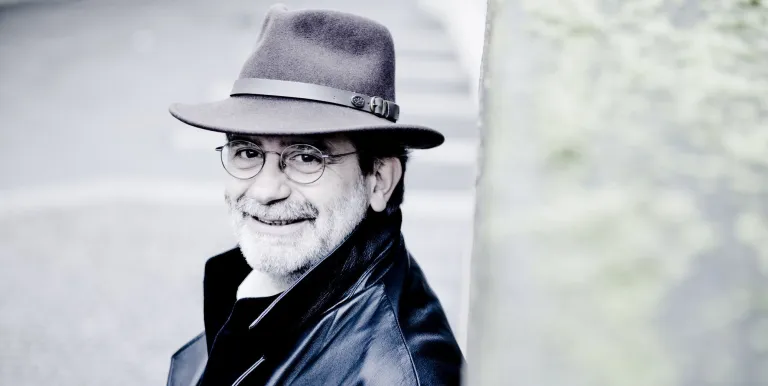
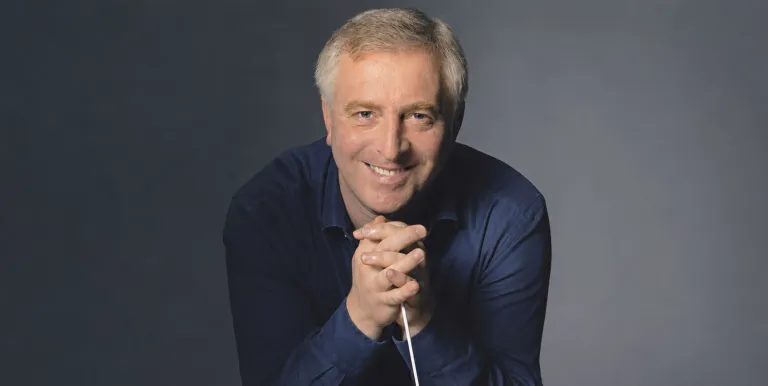
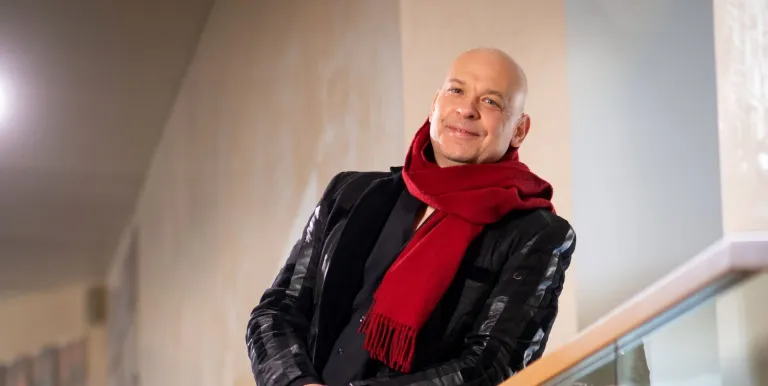
A sound closer to heaven, it is customary to say of countertenors; and yet one of the most famous exponents of our time, Philippe Jaroussky, much prefers wicked figures that require diabolical virtuosity to angelic roles. Although at this concert he will still be only in the first week of his 40th year, he has already spent a decade at the forefront of his profession – and it is astonishing how much he has sung already. Besides a dozen solo albums, he has collaborated on five opera recordings and nine albums of arias, almost every recording winning prizes and, on more than one occasion, immediately topping the sales charts. His repertoire is extraordinarily broad, though Baroque music plays the starring role. As one of the central figures on the early music scene today, he has worked with the most distinguished performing ensembles, among them the Concerto Köln, Les Arts Florissants, Le Concert d’Astrée, L’Arpeggiata and Europa Galante, accepting invitations from noted conductors specialising in early music such as Jean-Christophe Spinosi, William Christie, René Jacobs, Christina Pluhar, Emmanuelle Haïm and Fabio Biondi.
Almost no review neglects to mention Jaroussky’s velvet-smooth voice, the perfection of his performing style, his authenticity and sincerity. Every performance of the French countertenor is a celebration, and we can be sure that this evening will be no different. At the Béla Bartók National Concert Hall, he sings works by a composer who, as the greatest of his age, wrote arias of brilliant elasticity or heart-wrenching sadness for the greatest singers of his day. Although the full story will not appear on stage, a portrait of a fantastic artist will take shape through this extraordinary selection of arias.
Presented by:
-
Parking is free of charge for visitors with tickets to any of our paid performances on the day of the performance. Upon entering the car park, you can either scan the barcode or QR code on your concert ticket, or take a parking ticket and validate it together with your concert ticket at one of the payment machines. Either option will enable you to exit through the gates operated by the number plate recognition system. We recommend that you plan to arrive at Müpa in good time, so that you can find the ideal parking spot quickly and without difficulty and arrive at your performance comfortably. The detailed parking policy of Müpa Budapest is available here.