

Featuring:
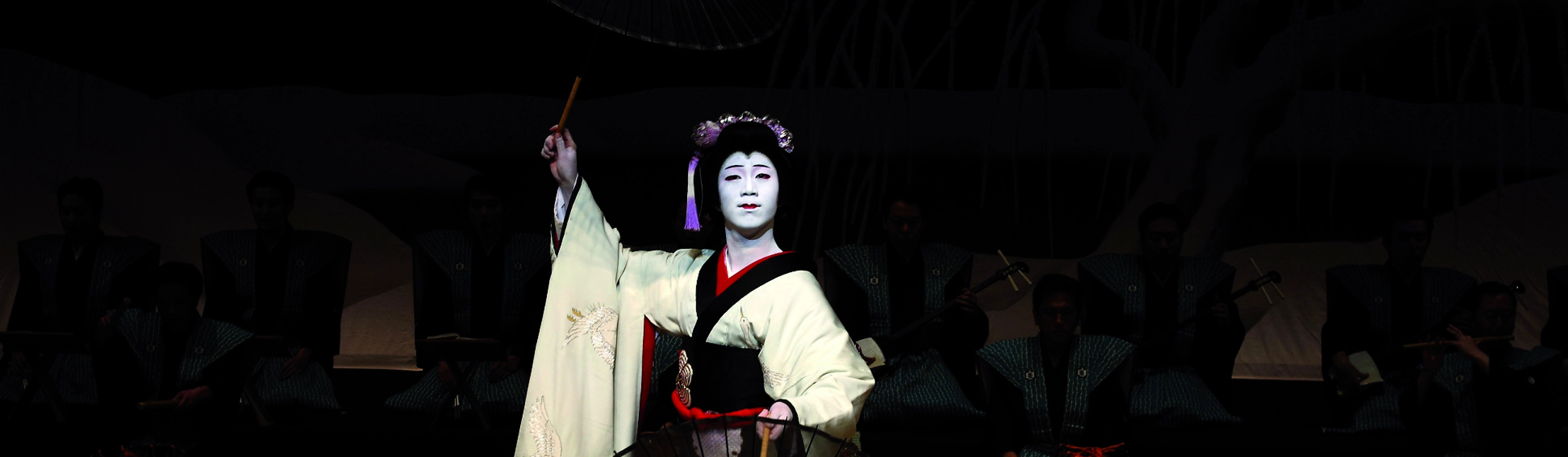
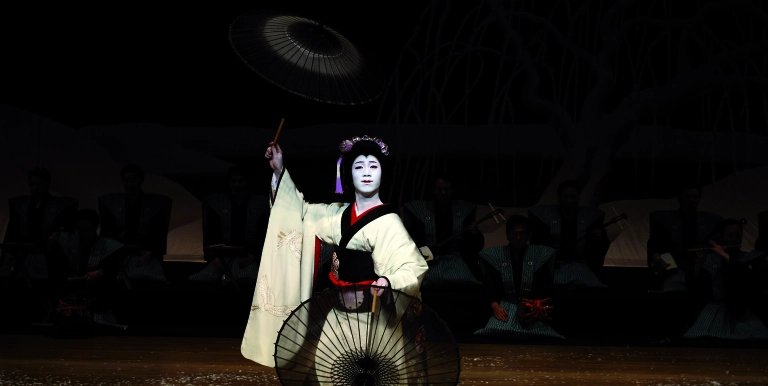
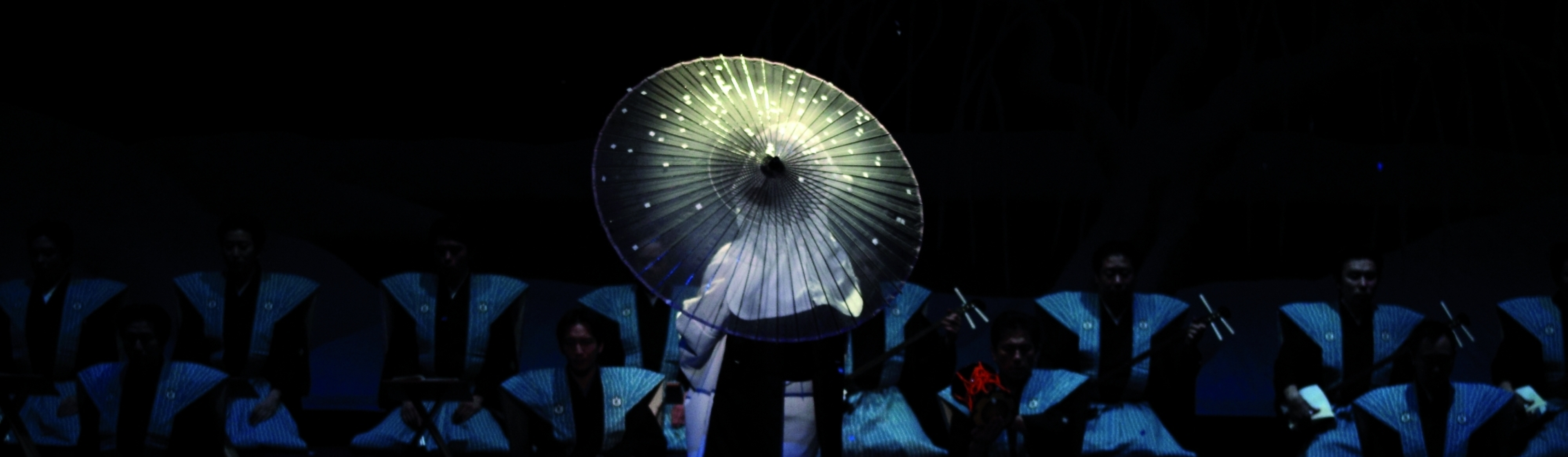
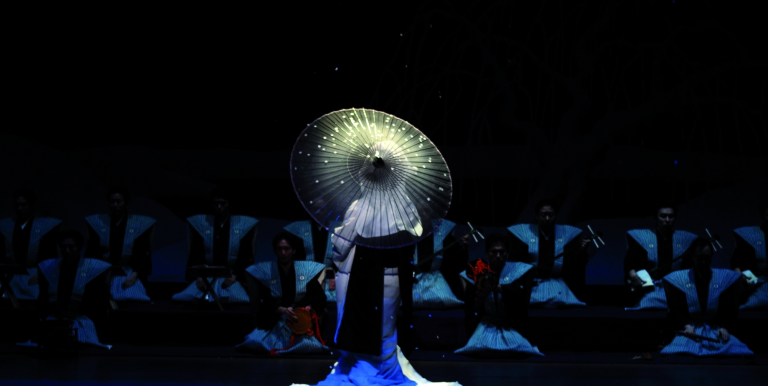
A world of sensual movements and monumental sounds is brought to life in this Japanese production showcasing centuries-old traditions of performing art. The distinctive blend of dramatic art, dance and traditional music in kabuki dance is combined with a dramatically tense, lyrical jōruri story told through a narrator to produce an enthralling cultural exploration of the world of Japanese arts.
The kabuki dance interlude Echigojishi (The Echigo Lion) is a rhythmic dance drama featuring traditional singing and musical accompaniment as a unique amalgam of the “lion dance” and the Japanese tap dance performed in traditional ippon-geta wooden clogs.
Kikaigashima (Devil’s Island), a jōruri piece with a musical backdrop and unique narration, is a work from 1719 by the famed dramatist Chikamatsu Monzaemon, the “Japanese Shakespeare”. The work immortalises the extraordinary Japanese moral system characterised by parental solicitude, the virtue of self-sacrifice and fervent loyalty to one’s master.
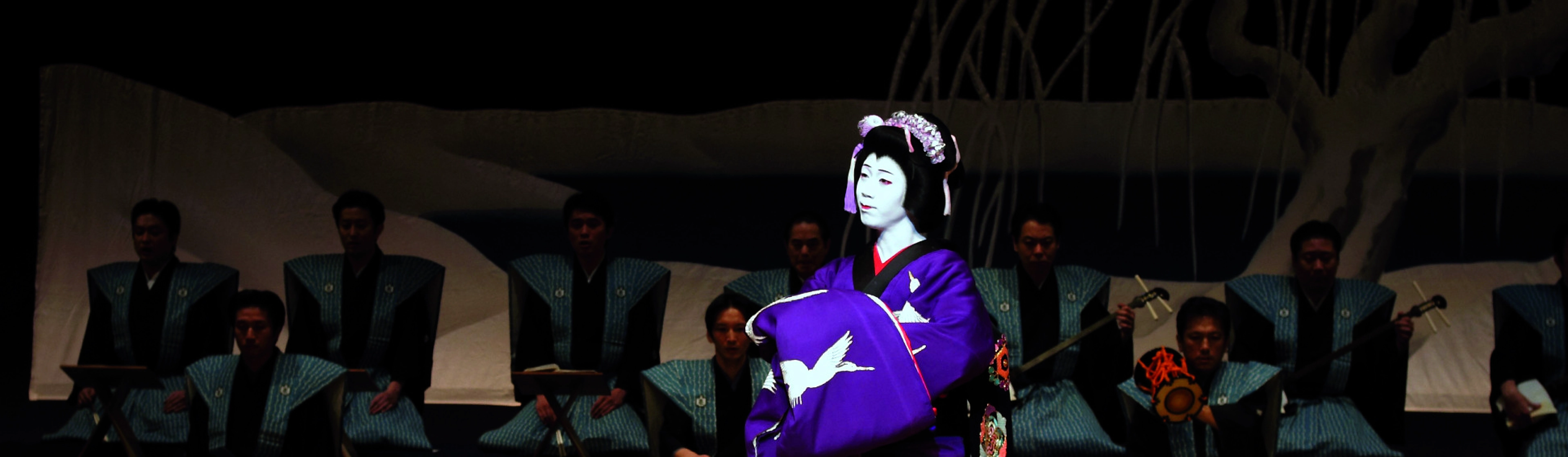
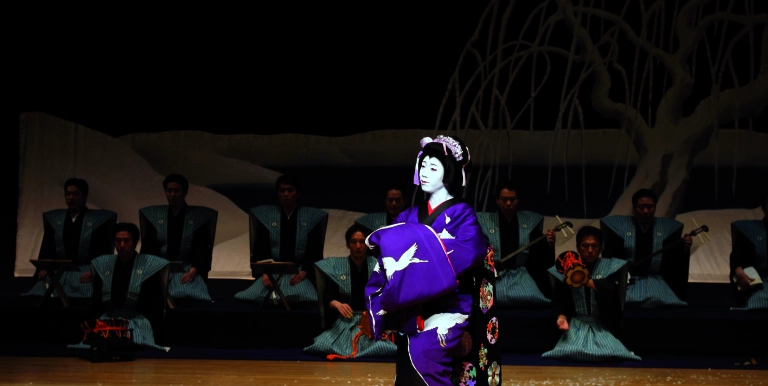
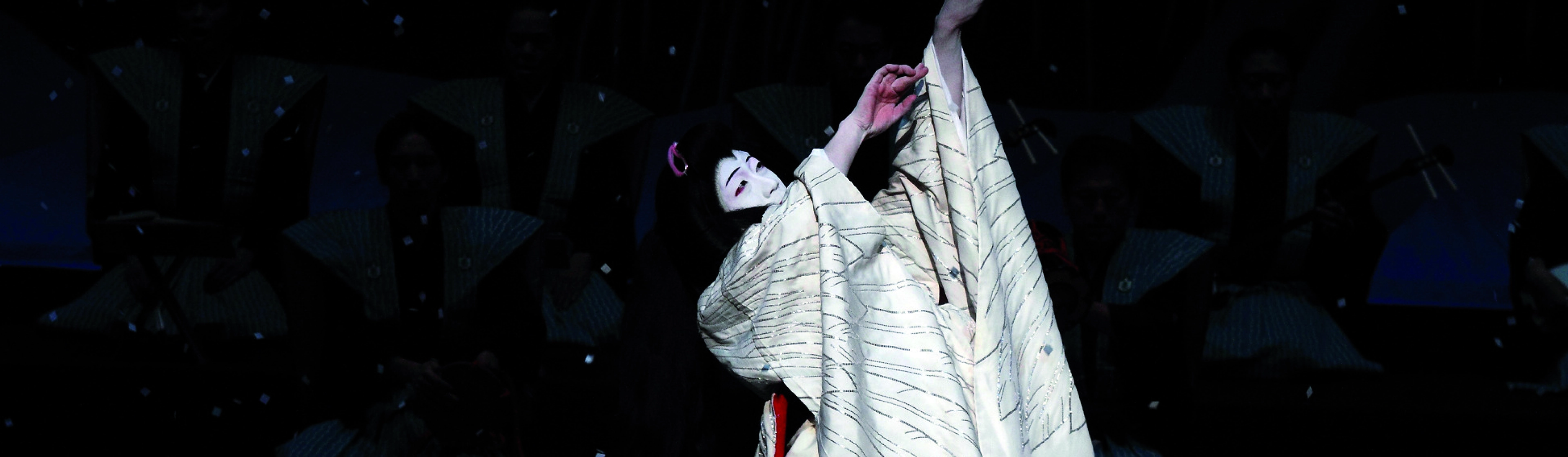
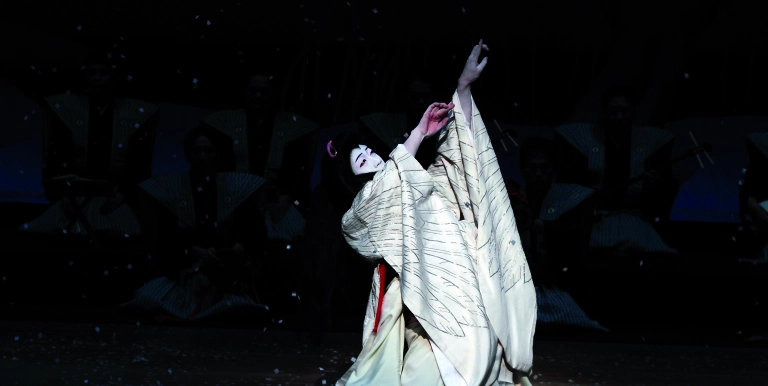
One of the most famous pieces in the kabuki dance repertoire is Sagi musume (The Heron Maiden). This is the spiritual tale of a white heron that takes the form of a young girl, portraying the struggle of a soul concealed in human form and imbued with feelings of love, jealousy and the agonies of death. The performance demands exceptional command of Japanese technique through its rapid on-stage costume changes.
Presented by: Japan Foundation, Nippon Steel & Sumitomo Metal Arts Foundation
-
We wish to inform you that in the event that Müpa Budapest's underground garage and outdoor car park are operating at full capacity, it is advisable to plan for increased waiting times when you arrive. In order to avoid this, we recommend that you depart for our events in time, so that you you can find the ideal parking spot quickly and smoothly and arrive for our performance in comfort. The Müpa Budapest underground garage gates will be operated by an automatic number plate recognition system. Parking is free of charge for visitors with tickets to any of our paid performances on that given day. The detailed parking policy of Müpa Budapest is available here.