
one interval
Creator:
J. S. Bach
Ich hatte viel Bekümmernis – Sinfonia from the cantata, BWV 21
J. S. Bach
Ich habe genug – cantata, BWV 82
J. S. Bach
Am Abend aber desselbigen Sabbats – Sinfonia from the cantata, BWV 42
J. S. Bach
Der Friede sei mit Dir – cantata, BWV 158
J. S. Bach
Der Geist hilft unser Schwachheit auf – motet, BWV 226
J. S. Bach
Gott soll allein mein Herze haben – Sinfonia from the cantata, BWV 169
J. S. Bach
Ich will den Kreuzstab gerne tragen – cantata, BWV 56
Müpa Budapest was built to be a concert hall, and its management takes great care to ensure that it does not become a 'church of art' – that it remains a comfortable, friendly place where as many people as possible say: I love to be here. However, for a single night, the hall will transform into a church so that we may better experience Bach's cantatas.
Church cantatas are a ceremonial genre, and the way they formed and developed is closely linked to Lutheran religious practices. Time has done much to change these pieces: Bach's church cantatas became a common fixture in concert halls as modern concerts took shape. But in order to understand the pieces themselves and the purpose they served, we must be aware of their original function. The church cantata sought to use art to improve the spiritual lives of believers: the music was thought to elevate and deepen self-awareness, inspiring hope and repentance through its soul-stirring beauty and truth.
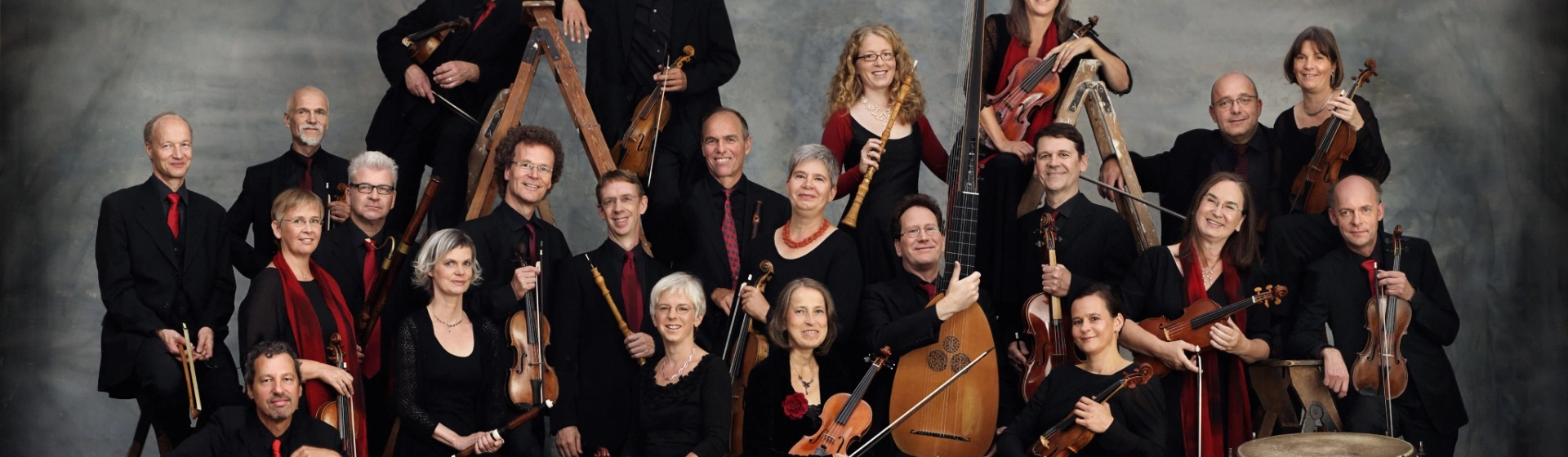
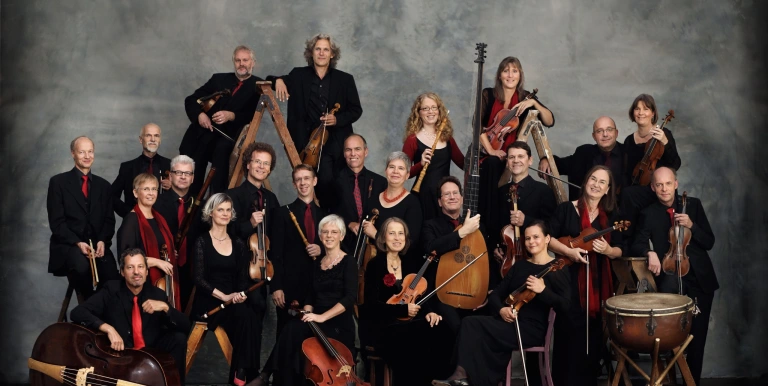
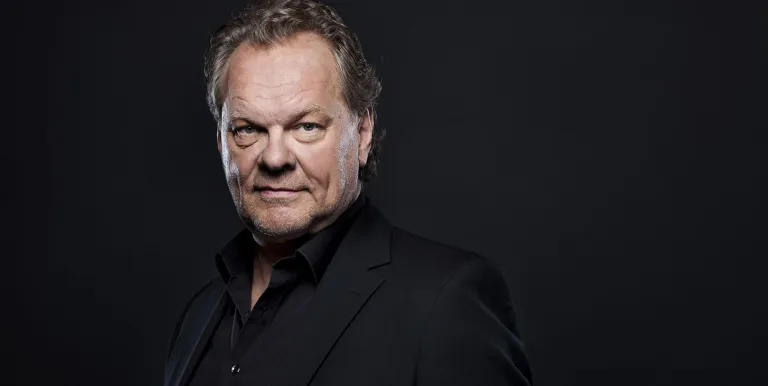
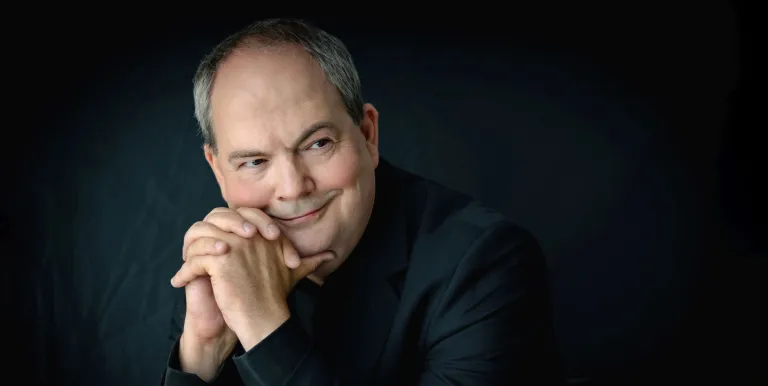
This purpose should be kept in mind when listening to the outstanding German baritone, Michael Volle, and his accomplished partner, the Akademie für Alte Musik Berlin, in their carefully crafted programme exclusively comprised of Bach cantatas (and one motet). Marvelling at the singer's voice alone, however, is enough in itself. Volle is an exceptionally versatile artist and opera singer whose repertoire spans from Don Giovanni to Golaud and from Wotan to Wozzeck, and who has appeared throughout his career with such composers as Wolfgang Sawallisch, Seiji Ozawa, Helmuth Rilling and Philippe Herreweghe. He now partners with one of the most significant ensembles in international Early Music, the Berlin-based 'Akamus'. In its 36-year existence, the orchestra has performed everything from the world of Early Music and shared the stage with the greatest soloists and conductors from Cecilia Bartoli to René Jacobs.
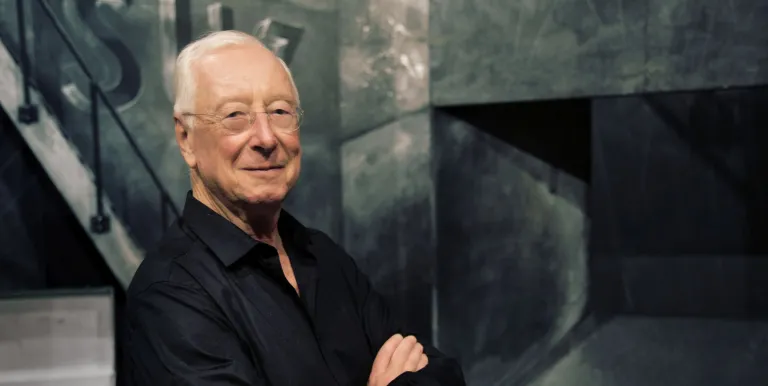
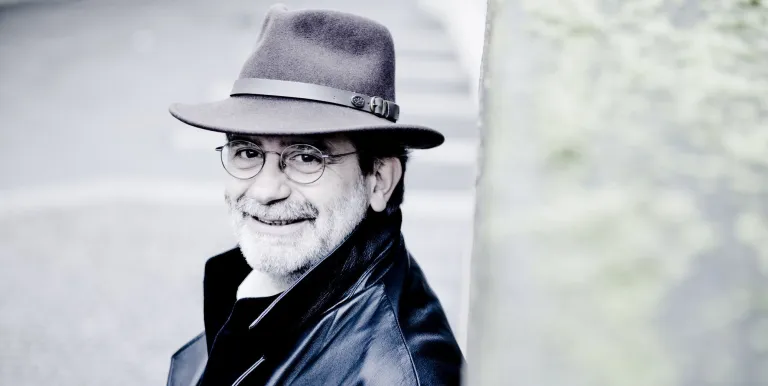
The concert will be preceded, at 6.30 pm, by an introductory presentation by János Mácsai and Michael Volle entitled Prelude, which will be open to anyone holding a ticket for the performance.
Presented by: Müpa Budapest
-
Parking is free of charge for visitors with tickets to any of our paid performances on the day of the performance. Upon entering the car park, you can either scan the barcode or QR code on your concert ticket, or take a parking ticket and validate it together with your concert ticket at one of the payment machines. Either option will enable you to exit through the gates operated by the number plate recognition system. We recommend that you plan to arrive at Müpa in good time, so that you can find the ideal parking spot quickly and without difficulty and arrive at your performance comfortably. The detailed parking policy of Müpa Budapest is available here.