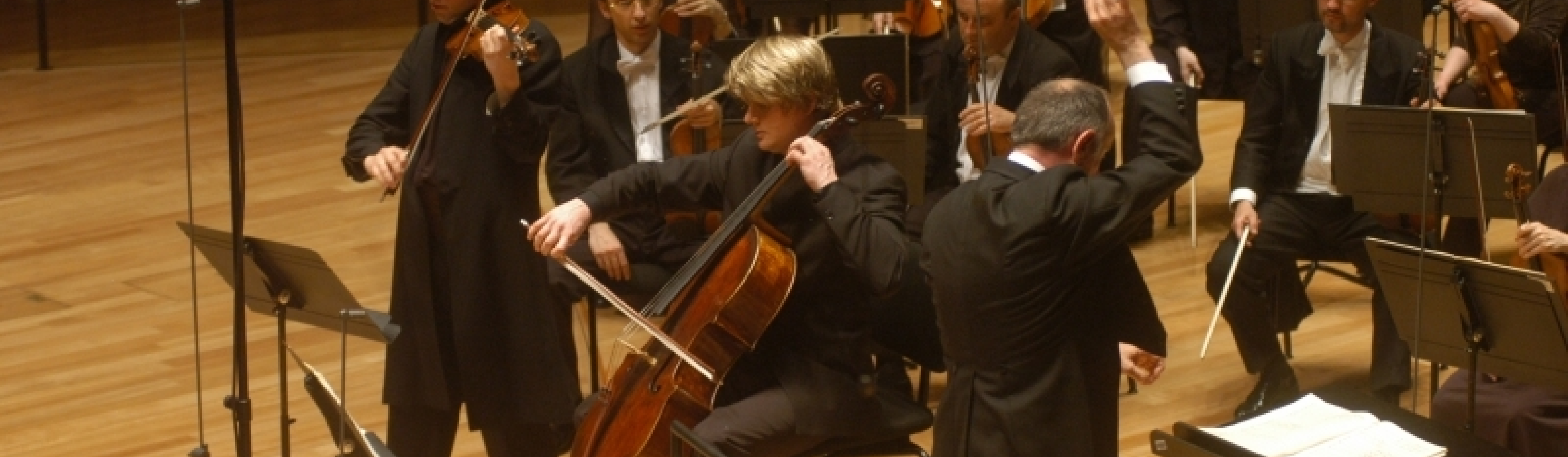
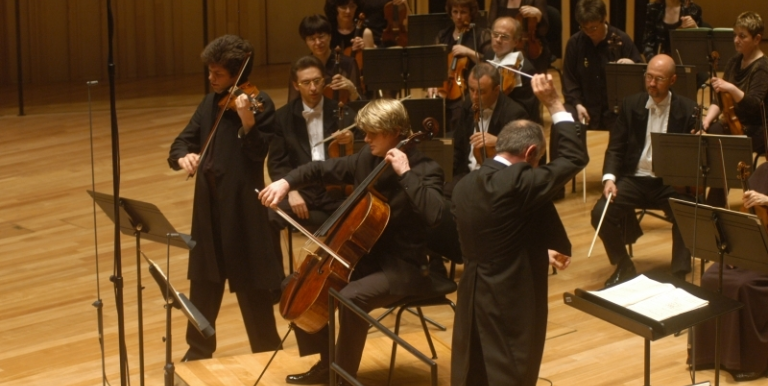
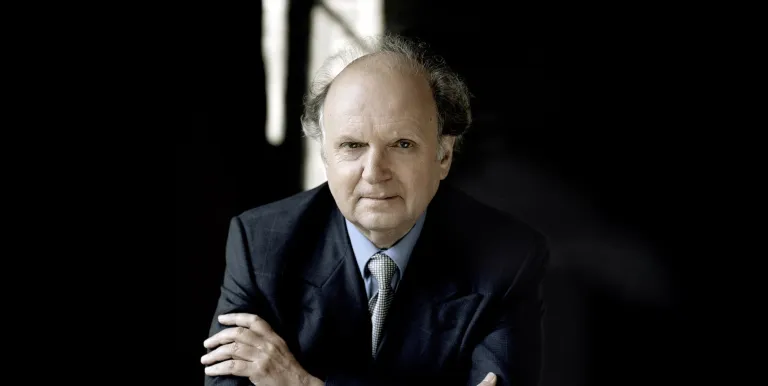
Conductor: Zoltán Kocsis Featuring: László Fenyő – cello, Hungarian National Choir (choirmaster: Mátyás Antal) Brahms: Gesang der Parzen, op. 89 Bartók: Four Orchestral Pieces József Soproni: Cello Concerto No. 1 Ravel: Daphnis et Chloé – ballet music As with many other ensembles in recent years, the Hungarian Symphony Orchestra has undergone a period of change. Following the tenure of András Ligeti, András Keller stepped into the role of artistic director in August 2007 and he is placing great emphasis on rehearsing the Viennese classics but he will also be retaining the large scale works so characteristic of the Ligeti era in the century old orchestra’s active repertoire. These include the rather unusual choral work, Gesang der Parzen, which Brahms wrote towards the end of his life. It is based on a scene from Goethe’s Iphigenia in Tauris and is remarkable for its uniquely dark tone. One of our era’s greatest interpreters of Bartók, Zoltán Kocsis has chosen a less typical, but in its own way, truly remarkable Bartók work to conduct this evening. It still retains the hallmarks of late Romantic style, and despite completing it in 1912 the composer only orchestrated it a decade later, remaining true to an artistic ideal he had by then relinquished. József Soproni wrote this about his Cello Concerto: “The work attained its final form in 1967: six variations which have a prelude and a conclusion. After the orchestral introduction the solo cello intones the basic idea of the work which reaches a great climax through a series of transforming variations, before the closing postlude”. Maurice Ravel’s three part choreographed symphony was premiered in 1912 by the Ballets Rousses led by Diaghilev. This marvellous example of Ravel’s art of orchestration, based on the mythical pastoral novel by Langos, is rarely heard in its original version. The use of a chorus singing without words is particularly notable and it enjoys an important role in cultic dance that concludes the ballet.
Presented by:


-
We wish to inform you that in the event that Müpa Budapest's underground garage and outdoor car park are operating at full capacity, it is advisable to plan for increased waiting times when you arrive. In order to avoid this, we recommend that you depart for our events in time, so that you you can find the ideal parking spot quickly and smoothly and arrive for our performance in comfort. The Müpa Budapest underground garage gates will be operated by an automatic number plate recognition system. Parking is free of charge for visitors with tickets to any of our paid performances on that given day. The detailed parking policy of Müpa Budapest is available here.