Digital programme booklet
-
Gounod
Messe dite de Clovis, CG 62 – Kyrie, GloriaGuilmant
O Salutaris, Op. 37Gounod
Messe dite de Clovis, CG 62 – CredoAubert
O Salutaris, No. 2, AWV 69Gounod
Messe dite de Clovis, CG 62 – Sanctus, BenedictusSaint-Saëns
Tantum ergo, Op. 5Gounod
Messe dite de Clovis, CG 62 – Agnus DeiDubois
Benedicat vobisFauré
Requiem, Op. 48
I. Introït et Kyrie
II. Offertoire
III. Sanctus
IV. Pie Jesu
V. Agnus Dei
VI. Libera me
VII. In ParadisumFeaturing:
Emőke Baráth – soprano
Jean-Christophe Lanièce – baritone
Le Concert SpirituelConductor:
Hervé Niquet
-
The composers featured in Le Concert Spirituel’s Budapest programme share many common traits. They were all French, children of the 19th century, alumni and teachers of the Paris Conservatoire, organists, and dedicated exponents of sacred music. Artists who in their own day were respectable scholars and leading figures of cultural life, yet were unscrupulously accused by their pupils one or two generations younger of regarding themselves as the anointed high priests of aesthetic secrets, when in reality they were nothing more than rigid, rather soulless professionals who worked for a monthly wage like diligent cogs in the sluggish machinery of cultural life.
Yet this characterisation was decidedly unfair. The artist who had earlier been a servant (of the church or court) underwent an abrupt transformation into a genius, visionary and preacher in the Romantic era, and now became a citizen: a socially useful employee who fitted neatly into society and who had to channel his inspiration, as far as possible, into satisfying the interests and tastes of a broader public than ever before. When it came to sacred music, the oppressive effect of these mutually contradictory expectations hit particularly hard: the artist was now required to appear simultaneously mystical and practical, unfathomably grand yet reassuringly rooted in convention, and to fulfil a function while at the same time proclaiming the ideal of art independent of everything else. Composers from Liszt through Gounod to Fauré sought to free themselves in various ways from the constraints of traditional structures that had lost their meaning; yet almost all of them agreed that the appropriate artistic inspiration for modern times lay in the music of the Middle Ages and the Renaissance – in the floating impersonality of a Divine Office that rejected theatrical drama.
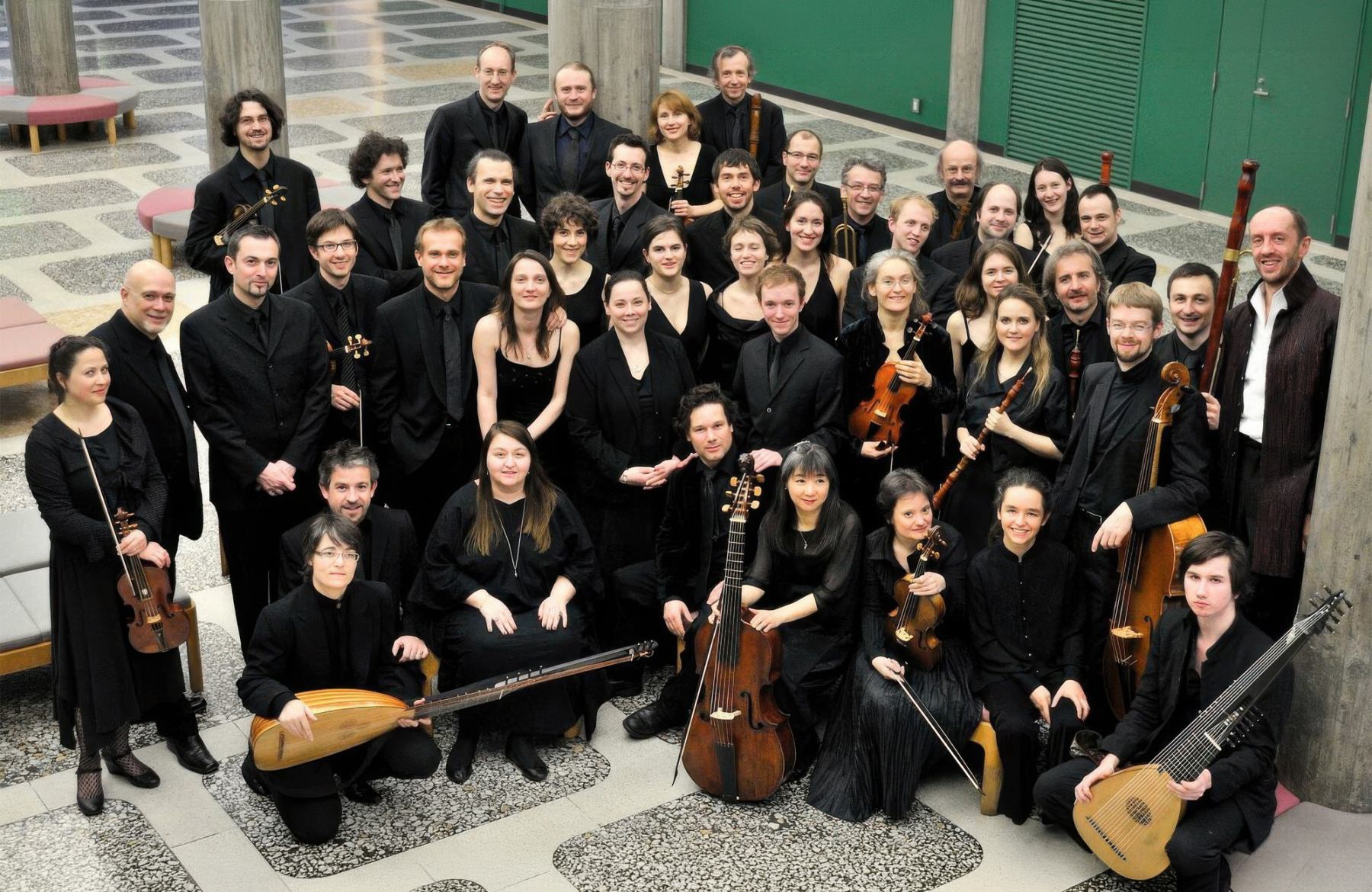
© Satochi Aoyagi
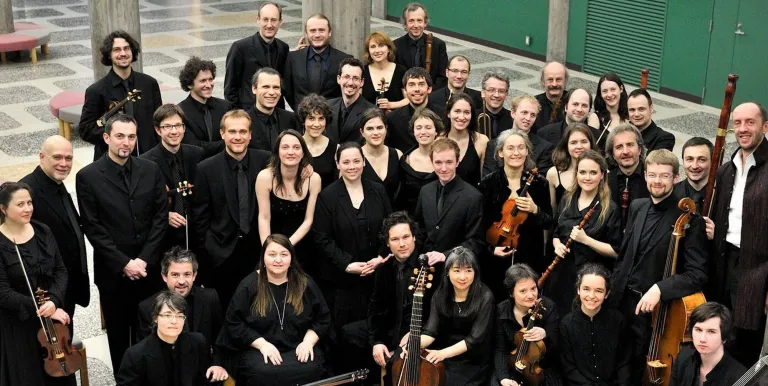
Charles Gounod’s touchingly modest neo-Renaissance piece Messe de Clovis, Gabriel Fauré’s consoling Requiem, which portrays death as a joyful transition, and the motets of Louis Aubert, Théodore Dubois, Camille Saint-Saëns and Alexandre Guilmant – effective in their very simplicity – all illustrate the endeavour of composers in the second half of the century to find a place for sacred art within the bourgeois daily life of a secularising society. Their creed is given voice by one of the most exciting experts in French music, Hervé Niquet, and his historically informed ensemble Le Concert Spirituel, which will play on 18th-century stylistic associations with the participation of the versatile Jean-Christophe Lanièce and the justly celebrated Emőke Baráth.
Le Concert Spirituel and Hervé Niquet recording Fauré’s Requiem:
-
Gounod
Messe dite de Clovis, CG 62 – Kyrie, GloriaGuilmant
O Salutaris, Op. 37Gounod
Messe dite de Clovis, CG 62 – CredoAubert
O Salutaris, No. 2, AWV 69Gounod
Messe dite de Clovis, CG 62 – Sanctus, BenedictusSaint-Saëns
Tantum ergo, Op. 5Gounod
Messe dite de Clovis, CG 62 – Agnus DeiDubois
Benedicat vobisFauré
Requiem, Op. 48
I. Introït et Kyrie
II. Offertoire
III. Sanctus
IV. Pie Jesu
V. Agnus Dei
VI. Libera me
VII. In ParadisumFeaturing:
Emőke Baráth – soprano
Jean-Christophe Lanièce – baritone
Le Concert SpirituelConductor:
Hervé Niquet
-
The composers featured in Le Concert Spirituel’s Budapest programme share many common traits. They were all French, children of the 19th century, alumni and teachers of the Paris Conservatoire, organists, and dedicated exponents of sacred music. Artists who in their own day were respectable scholars and leading figures of cultural life, yet were unscrupulously accused by their pupils one or two generations younger of regarding themselves as the anointed high priests of aesthetic secrets, when in reality they were nothing more than rigid, rather soulless professionals who worked for a monthly wage like diligent cogs in the sluggish machinery of cultural life.
Yet this characterisation was decidedly unfair. The artist who had earlier been a servant (of the church or court) underwent an abrupt transformation into a genius, visionary and preacher in the Romantic era, and now became a citizen: a socially useful employee who fitted neatly into society and who had to channel his inspiration, as far as possible, into satisfying the interests and tastes of a broader public than ever before. When it came to sacred music, the oppressive effect of these mutually contradictory expectations hit particularly hard: the artist was now required to appear simultaneously mystical and practical, unfathomably grand yet reassuringly rooted in convention, and to fulfil a function while at the same time proclaiming the ideal of art independent of everything else. Composers from Liszt through Gounod to Fauré sought to free themselves in various ways from the constraints of traditional structures that had lost their meaning; yet almost all of them agreed that the appropriate artistic inspiration for modern times lay in the music of the Middle Ages and the Renaissance – in the floating impersonality of a Divine Office that rejected theatrical drama.
© Satochi Aoyagi
Charles Gounod’s touchingly modest neo-Renaissance piece Messe de Clovis, Gabriel Fauré’s consoling Requiem, which portrays death as a joyful transition, and the motets of Louis Aubert, Théodore Dubois, Camille Saint-Saëns and Alexandre Guilmant – effective in their very simplicity – all illustrate the endeavour of composers in the second half of the century to find a place for sacred art within the bourgeois daily life of a secularising society. Their creed is given voice by one of the most exciting experts in French music, Hervé Niquet, and his historically informed ensemble Le Concert Spirituel, which will play on 18th-century stylistic associations with the participation of the versatile Jean-Christophe Lanièce and the justly celebrated Emőke Baráth.
Le Concert Spirituel and Hervé Niquet recording Fauré’s Requiem: