


Conductor:
Featuring:
Brahms
A German Requiem, op. 45
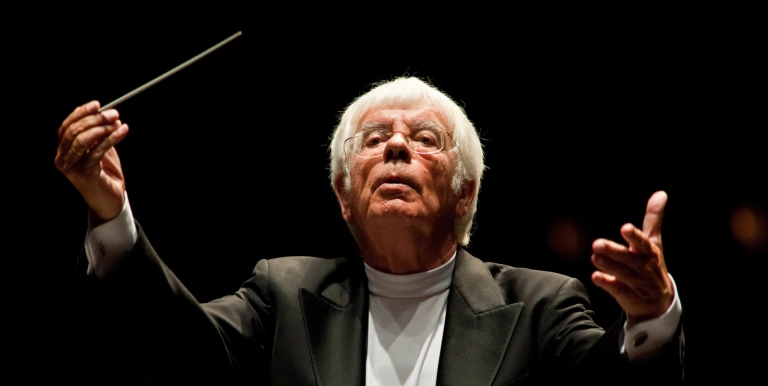
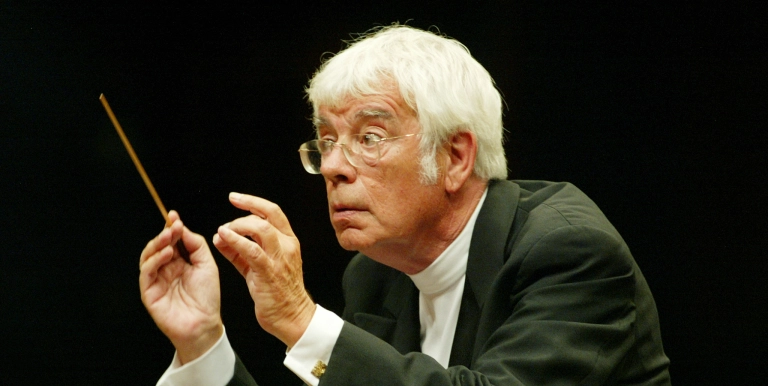
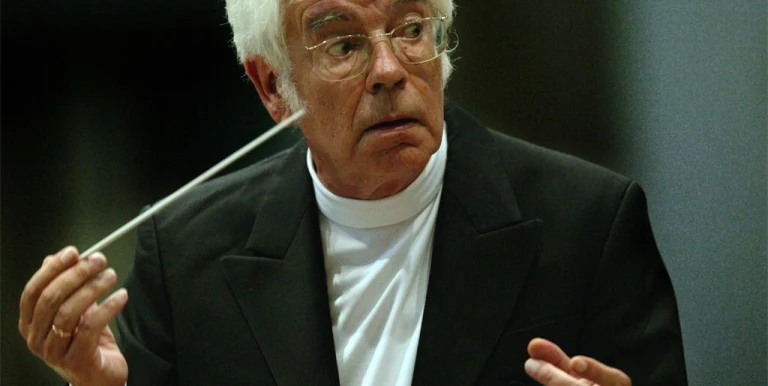
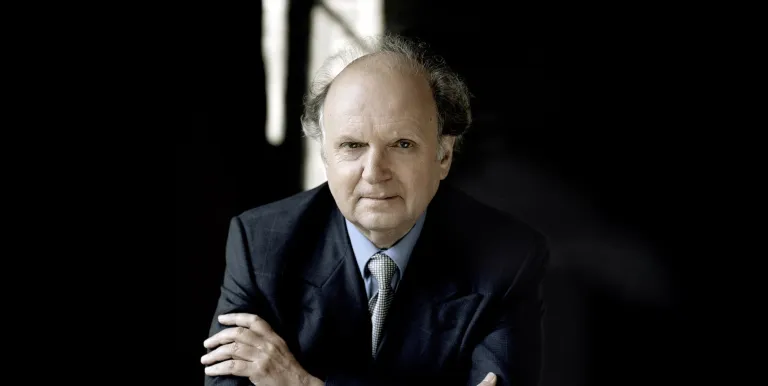
Even beyond his 80th year, the tireless Helmuth Rilling remains one of the world’s leading interpreters of vocal music and, within this, is in his prime element in the oratorio genre. The Gächinger Kantorei, the choir he formed 60 years ago, still functions today, but the noted conductor has also founded a number of other ensembles, festivals and academies over the intervening decades, both in his home country and in the United States. His musical projects presenting forgotten Romantic oratorios carry historical significance, while he has also commissioned major works from world-renowned contemporary composers. Rilling is also the only conductor to have twice recorded the complete choral works by Johann Sebastian Bach. In 2011 – in the footsteps of greats such as Alfred Brendel and Daniel Barenboim – he won the prestigious Herbert von Karajan Music Prize. On All Saints’ Day at the Béla Bartók National Concert Hall, he conducts one of the most personal of works inspired by thoughts of death.
Johannes Brahms’ work is unusual in the sense that the then 35-year-old composer, rather than setting the standard liturgical text of the requiem to music, instead selected excerpts from the Bible beneath which numerous human emotions, characters and moods related to mourning find their place. The production features a set of exceptional soloists: with what promises to be a dazzling career ahead of her, Mária Celeng achieved an outstanding result at the 2013 Cardiff Singer of the World competition, while Dietrich Henschel is a sought-after oratorio singer who has worked with such big-name conductors as John Eliot Gardiner, Nikolaus Harnoncourt, René Jacobs and Philippe Herreweghe – as well as Zoltán Kocsis, under whose baton he delivered a superb performance on the Müpa stage as Schneidebart the barber in Richard Strauss’s opera Die schweigsame Frau.
Presented by: Palace of Arts


-
We wish to inform you that in the event that Müpa Budapest's underground garage and outdoor car park are operating at full capacity, it is advisable to plan for increased waiting times when you arrive. In order to avoid this, we recommend that you depart for our events in time, so that you you can find the ideal parking spot quickly and smoothly and arrive for our performance in comfort. The Müpa Budapest underground garage gates will be operated by an automatic number plate recognition system. Parking is free of charge for visitors with tickets to any of our paid performances on that given day. The detailed parking policy of Müpa Budapest is available here.