Digital programme booklet
-
Shostakovich
Symphony No. 9 in E-flat major, Op. 70
Prokofiev
Piano Concerto No. 2 in G minor, Op. 16
intervalBeethoven
Symphony No. 5 in C minor (“Fate”), Op. 67
Conductor:
Sir Antonio PappanoFeaturing:
piano Seong-Jin ChoLondon Symphony Orchestra -
The London Symphony Orchestra and its chief conductor Sir Antonio Pappano go way back nearly three decades. Together, they have delivered countless successful concerts both in London and at major venues worldwide. The orchestra’s relationship with the renowned South Korean pianist Seong-Jin Cho began in 2016, when he recorded his first studio album with the LSO as the recent winner of the International Chopin Piano Competition in Warsaw. At their Budapest concert, the LSO and Seong-Jin Cho will perform Sergei Prokofiev’s Piano Concerto No. 2. The first version of the work was composed in 1912–1913 and premiered with the 22-year-old Prokofiev as its soloist. Its bold, modernist characteristics made a major impression on the audiences of the time. However, the manuscript was lost and then destroyed in a fire during the upheaval following the 1917 revolution. In 1923, Prokofiev rewrote the piece from memory, but the result was by his own admission a thorough revision of the original composition and was heavily influenced by the works he wrote after 1913, including his Piano Concerto No. 3. It is no wonder he once remarked that his Piano Concerto No. 2 was, in essence, his fourth.
Dmitri Shostakovich composed his Symphony No. 9 in the summer of 1945, when the Soviet press was anticipating a work celebrating victory in World War II. When the piece premiered in November, the audience was surprised to hear a light, playful symphony rather than a triumphant ode. Shostakovich later noted, “Things with the Ninth took an unfortunate turn. They desired fanfares, an ode, they wanted me to write a majestic Ninth Symphony.”
Ludwig van Beethoven introduced his Symphony No. 5 during a grand concert dedicated to his work in December 1808. The other music heard at the concert included his Symphony No. 6, his Piano Concerto No. 4 in G major, and his Choral Fantasy. The Symphony No. 5 is a departure from the conventions followed by Beethoven’s contemporaries as the legendary composer developed both overt and subtle connections between movements. For instance, the second movement’s brief, fanfare-like episodes foreshadow the mood of the final movement, while the third movement’s distinctive ‘knocking’ theme recalls the rhythm of the first movement’s main motif.
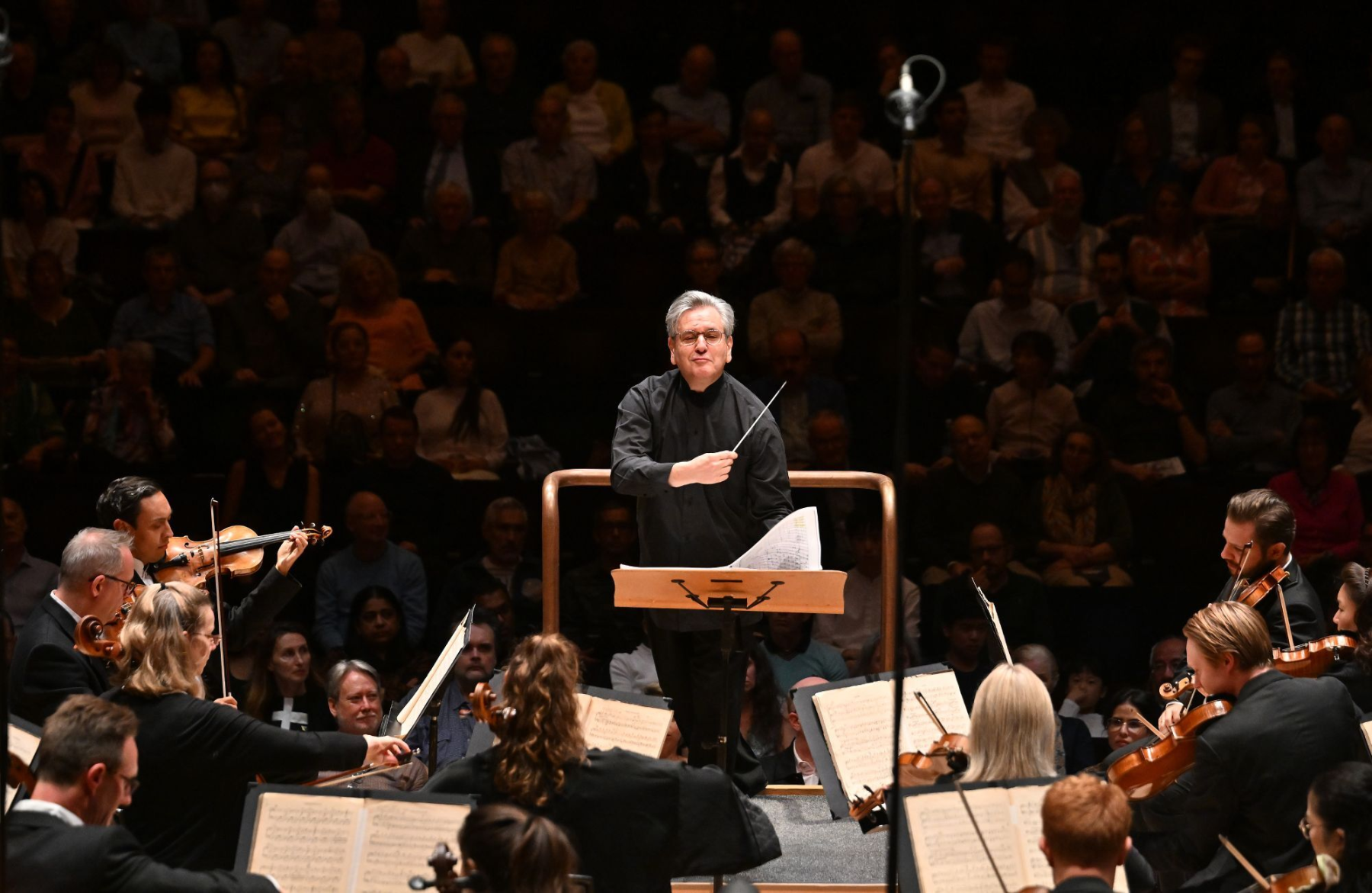
© Mark Allan
-
Shostakovich
Symphony No. 9 in E-flat major, Op. 70
Prokofiev
Piano Concerto No. 2 in G minor, Op. 16
intervalBeethoven
Symphony No. 5 in C minor (“Fate”), Op. 67
Conductor:
Sir Antonio PappanoFeaturing:
piano Seong-Jin ChoLondon Symphony Orchestra -
The London Symphony Orchestra and its chief conductor Sir Antonio Pappano go way back nearly three decades. Together, they have delivered countless successful concerts both in London and at major venues worldwide. The orchestra’s relationship with the renowned South Korean pianist Seong-Jin Cho began in 2016, when he recorded his first studio album with the LSO as the recent winner of the International Chopin Piano Competition in Warsaw. At their Budapest concert, the LSO and Seong-Jin Cho will perform Sergei Prokofiev’s Piano Concerto No. 2. The first version of the work was composed in 1912–1913 and premiered with the 22-year-old Prokofiev as its soloist. Its bold, modernist characteristics made a major impression on the audiences of the time. However, the manuscript was lost and then destroyed in a fire during the upheaval following the 1917 revolution. In 1923, Prokofiev rewrote the piece from memory, but the result was by his own admission a thorough revision of the original composition and was heavily influenced by the works he wrote after 1913, including his Piano Concerto No. 3. It is no wonder he once remarked that his Piano Concerto No. 2 was, in essence, his fourth.
Dmitri Shostakovich composed his Symphony No. 9 in the summer of 1945, when the Soviet press was anticipating a work celebrating victory in World War II. When the piece premiered in November, the audience was surprised to hear a light, playful symphony rather than a triumphant ode. Shostakovich later noted, “Things with the Ninth took an unfortunate turn. They desired fanfares, an ode, they wanted me to write a majestic Ninth Symphony.”
Ludwig van Beethoven introduced his Symphony No. 5 during a grand concert dedicated to his work in December 1808. The other music heard at the concert included his Symphony No. 6, his Piano Concerto No. 4 in G major, and his Choral Fantasy. The Symphony No. 5 is a departure from the conventions followed by Beethoven’s contemporaries as the legendary composer developed both overt and subtle connections between movements. For instance, the second movement’s brief, fanfare-like episodes foreshadow the mood of the final movement, while the third movement’s distinctive ‘knocking’ theme recalls the rhythm of the first movement’s main motif.
© Mark Allan