Digital programme booklet
-
Brahms
Piano Concerto No. 2 in B-flat major, Op. 83
intervalLiszt
Faust Symphony, S. 108
Conductor:
Sebastian WeigleFeaturing:
piano Dezső Ránkitenor Nikolai SchukoffHungarian National Philharmonic OrchestraHungarian National Male Choir (choirmaster: Csaba Somos) -
Ferenc Liszt (1811–1886) and Johannes Brahms (1833–1897) were representatives of the same stylistic era, yet the Romanticism shaped by Liszt’s creative work differs greatly from that formed by Brahms’s artistic endeavours. Liszt was the period’s most progressive composer. He created the symphonic poem, reformed the concerto and based his aesthetic on connections to other arts, while Brahms – though his music abounds with surprising melodic and harmonic turns, as well as noteworthy metric and rhythmic structures – adhered to traditional forms and genres.
Brahms’s Piano Concerto No. 2 in B-flat major was composed between 1878 and 1881, with its première taking place in Budapest on 9 November 1881. The concert featured the composer as soloist and was conducted by Sándor Erkel. Unlike the typical three-movement concerto, this composition contains four movements – in addition to the two fast outer movements and a slow movement, the second movement is a stormy scherzo in D minor. The virtuosic but not ostentatious piano part is not merely ‘accompanied’ by the orchestra: the soloist and the symphonic ensemble participate as equal partners, complementing each other rather than being subordinate.
Liszt’s Faust Symphony was composed between 1854 and 1857 in Weimar. Its subtitle is: Three Character Pictures after Goethe. I. Faust, II. Gretchen, III. Mephistopheles. Liszt conducted the première at the Weimar Court Theatre on 5 September 1857. Although the multi-movement structure is in keeping with the classical symphony tradition, the monothematic compositional approach and the practice of thematic transformation owe much to the symphonic poem. The epilogue (Chorus mysticus), which sets the final lines of Faust to music with its tenor solo and male chorus parts, reflects the influence of Beethoven’s Ninth Symphony.
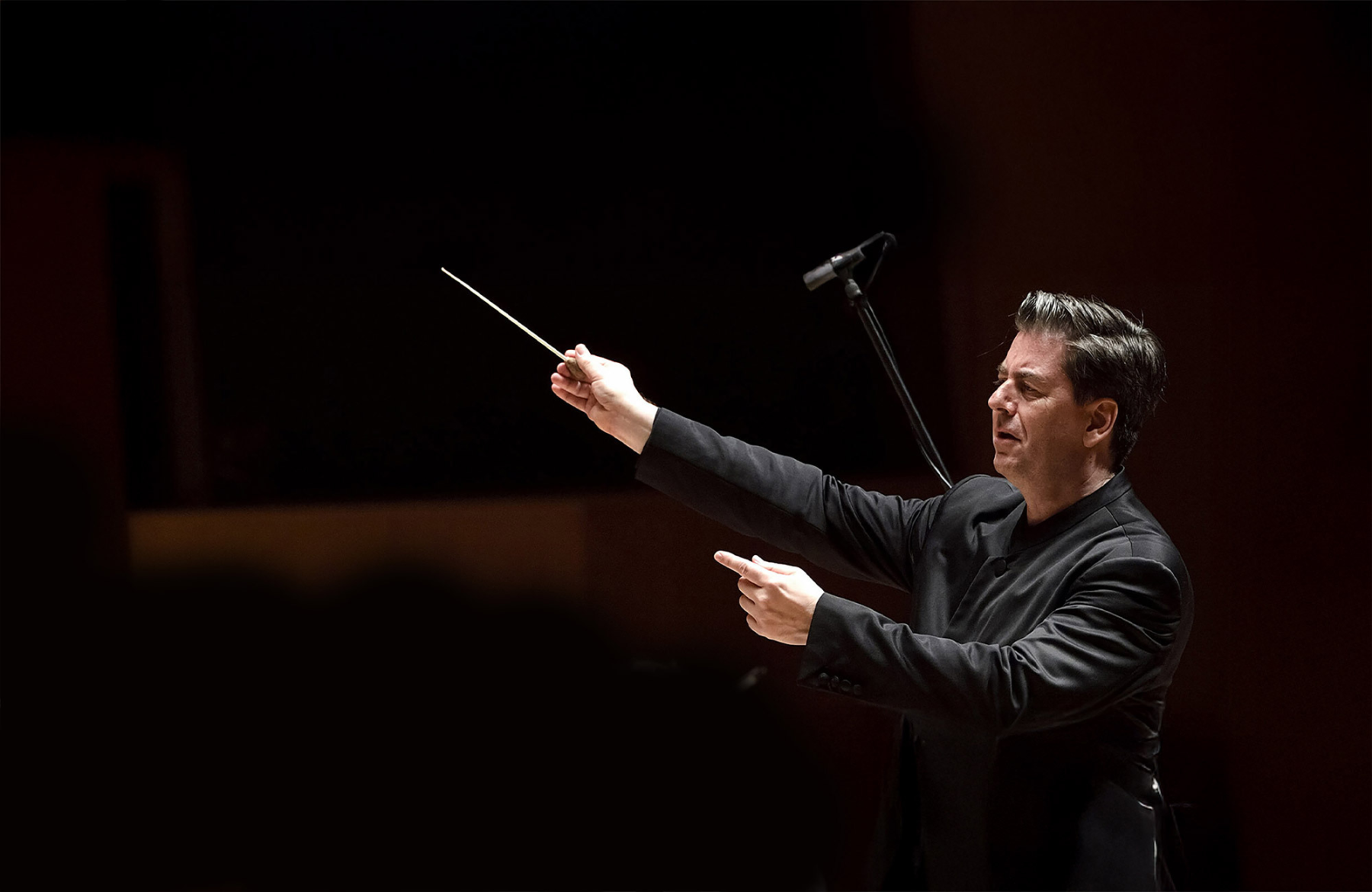
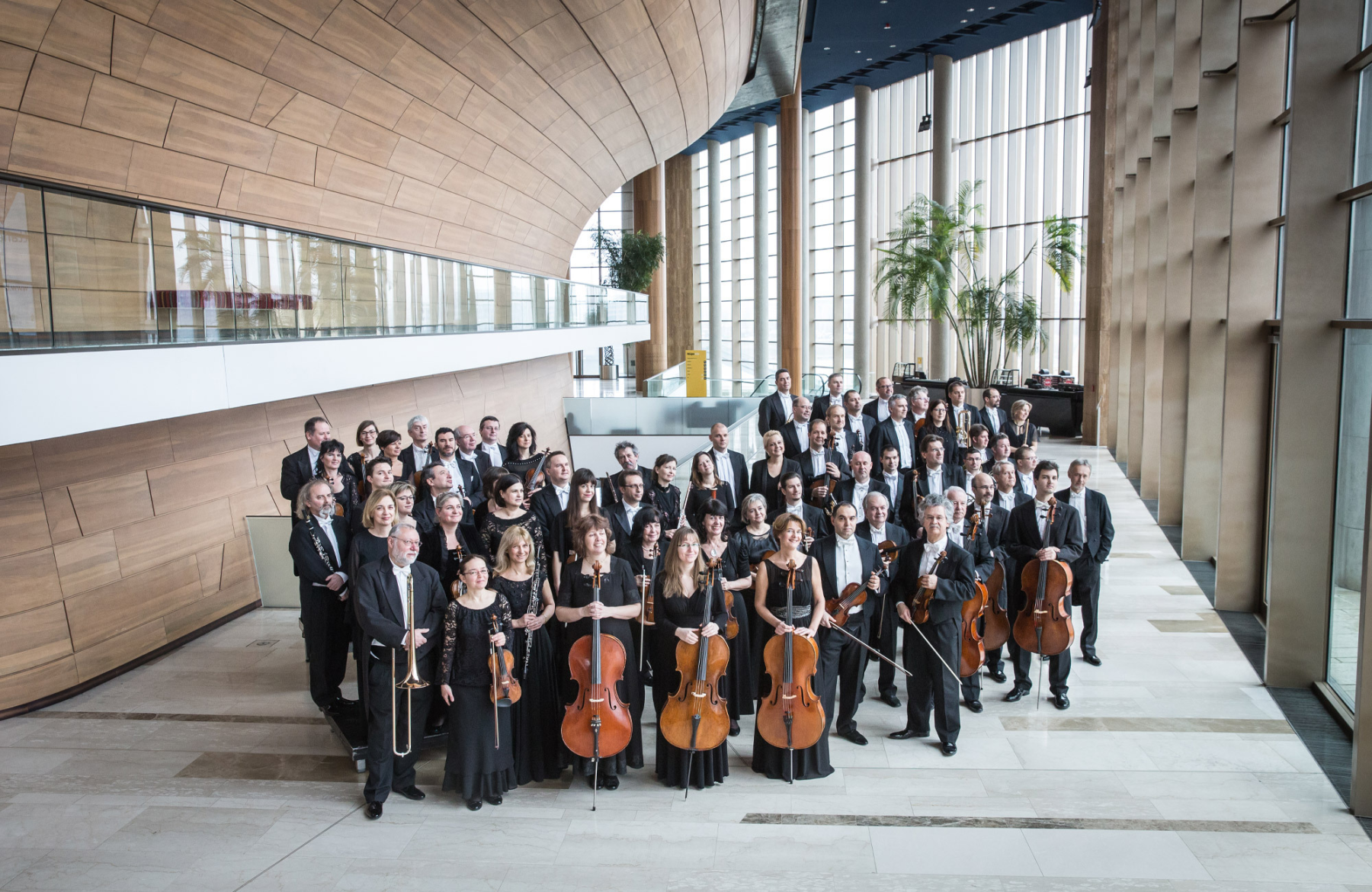
Former Chief Conductor at the Gran Teatre del Liceu in Barcelona (2004–2009) and General Music Director of Oper Frankfurt (2008–2023), Sebastian Weigle has served as Chief Conductor of the Yomiuri Nippon Symphony Orchestra in Tokyo since 2019. As one of Hungary’s most significant symphonic ensembles, the National Philharmonic Orchestra has been active since 1923, with György Vashegyi serving as its chief conductor since the autumn of 2022. The National Choir, which works in symbiosis with the orchestra, was founded in 1985, Csaba Somos has been its choirmaster since 2016. Dezső Ránki is an internationally renowned pianist and one of the most prominent representatives of Hungary’s community of musical performers. Graz-born heldentenor, Nikolai Schukoff sang the title role of Parsifal at the Budapest Wagner Days in 2009, and in 2024 partnered Diana Damrau here at Müpa Budapest.
© Csibi Szilvia, Müpa
-
Brahms
Piano Concerto No. 2 in B-flat major, Op. 83
intervalLiszt
Faust Symphony, S. 108
Conductor:
Sebastian WeigleFeaturing:
piano Dezső Ránkitenor Nikolai SchukoffHungarian National Philharmonic OrchestraHungarian National Male Choir (choirmaster: Csaba Somos) -
Ferenc Liszt (1811–1886) and Johannes Brahms (1833–1897) were representatives of the same stylistic era, yet the Romanticism shaped by Liszt’s creative work differs greatly from that formed by Brahms’s artistic endeavours. Liszt was the period’s most progressive composer. He created the symphonic poem, reformed the concerto and based his aesthetic on connections to other arts, while Brahms – though his music abounds with surprising melodic and harmonic turns, as well as noteworthy metric and rhythmic structures – adhered to traditional forms and genres.
Brahms’s Piano Concerto No. 2 in B-flat major was composed between 1878 and 1881, with its première taking place in Budapest on 9 November 1881. The concert featured the composer as soloist and was conducted by Sándor Erkel. Unlike the typical three-movement concerto, this composition contains four movements – in addition to the two fast outer movements and a slow movement, the second movement is a stormy scherzo in D minor. The virtuosic but not ostentatious piano part is not merely ‘accompanied’ by the orchestra: the soloist and the symphonic ensemble participate as equal partners, complementing each other rather than being subordinate.
Liszt’s Faust Symphony was composed between 1854 and 1857 in Weimar. Its subtitle is: Three Character Pictures after Goethe. I. Faust, II. Gretchen, III. Mephistopheles. Liszt conducted the première at the Weimar Court Theatre on 5 September 1857. Although the multi-movement structure is in keeping with the classical symphony tradition, the monothematic compositional approach and the practice of thematic transformation owe much to the symphonic poem. The epilogue (Chorus mysticus), which sets the final lines of Faust to music with its tenor solo and male chorus parts, reflects the influence of Beethoven’s Ninth Symphony.
Former Chief Conductor at the Gran Teatre del Liceu in Barcelona (2004–2009) and General Music Director of Oper Frankfurt (2008–2023), Sebastian Weigle has served as Chief Conductor of the Yomiuri Nippon Symphony Orchestra in Tokyo since 2019. As one of Hungary’s most significant symphonic ensembles, the National Philharmonic Orchestra has been active since 1923, with György Vashegyi serving as its chief conductor since the autumn of 2022. The National Choir, which works in symbiosis with the orchestra, was founded in 1985, Csaba Somos has been its choirmaster since 2016. Dezső Ránki is an internationally renowned pianist and one of the most prominent representatives of Hungary’s community of musical performers. Graz-born heldentenor, Nikolai Schukoff sang the title role of Parsifal at the Budapest Wagner Days in 2009, and in 2024 partnered Diana Damrau here at Müpa Budapest.
© Csibi Szilvia, Müpa