

Creator:
Featuring:
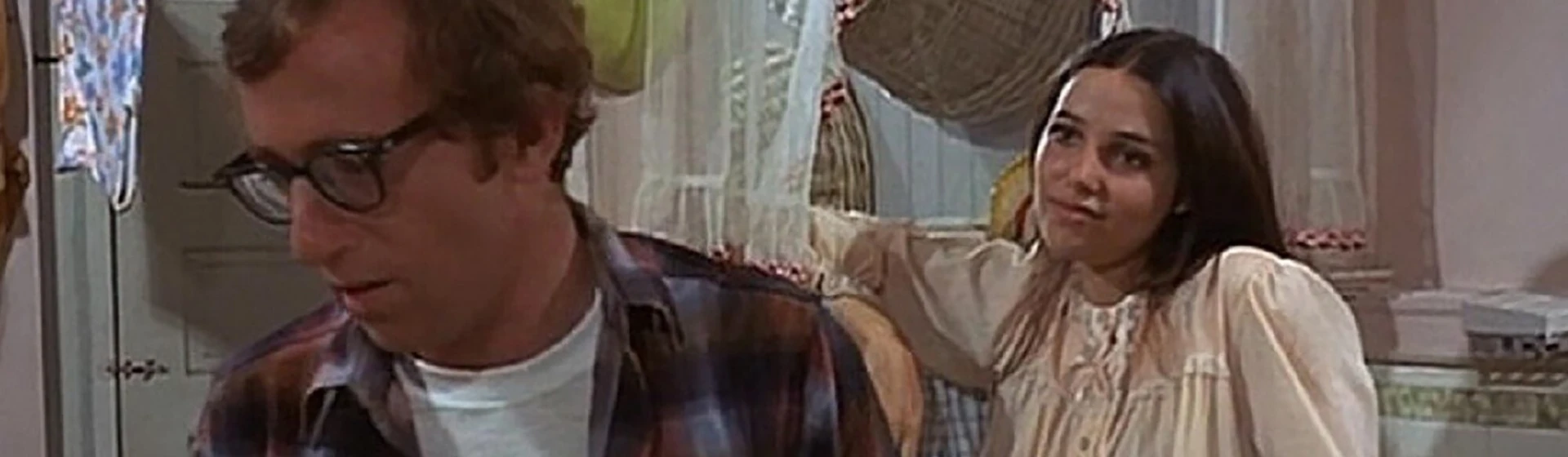
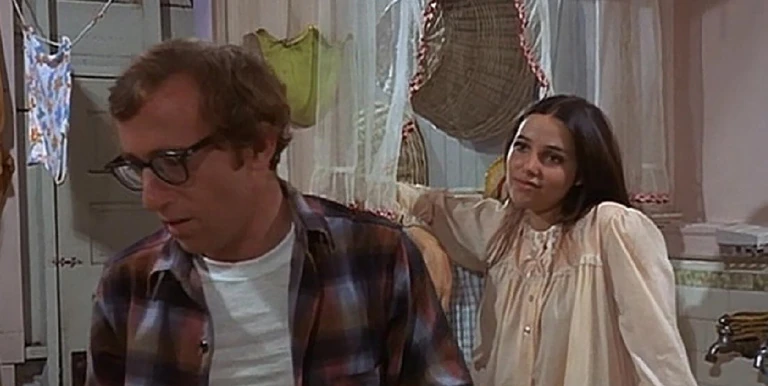
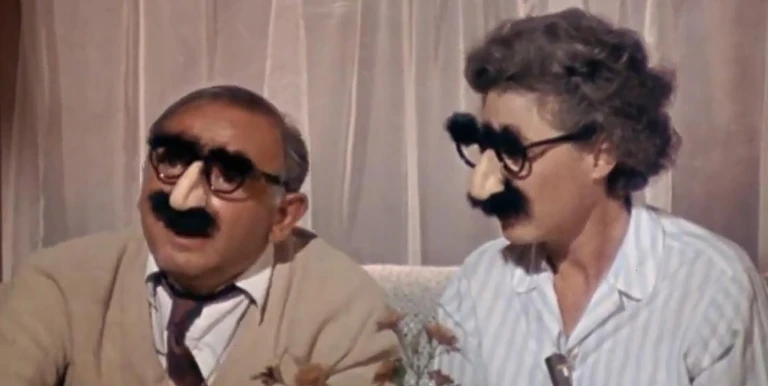
Seven decades of work without stopping. Initially as a writer of jokes, stand-up comedian and then as a filmmaker. After two parody films, the first truly Woody Allen film in every detail, Take the Money and Run (written, directed and starring Woody Allen himself), was finally produced. After that he did not stop. Woody Allen brilliantly develops the character he created in his stand-ups, the little loser Jew coming from Brooklyn. Indeed, this character keeps appearing in many of his later films, too.
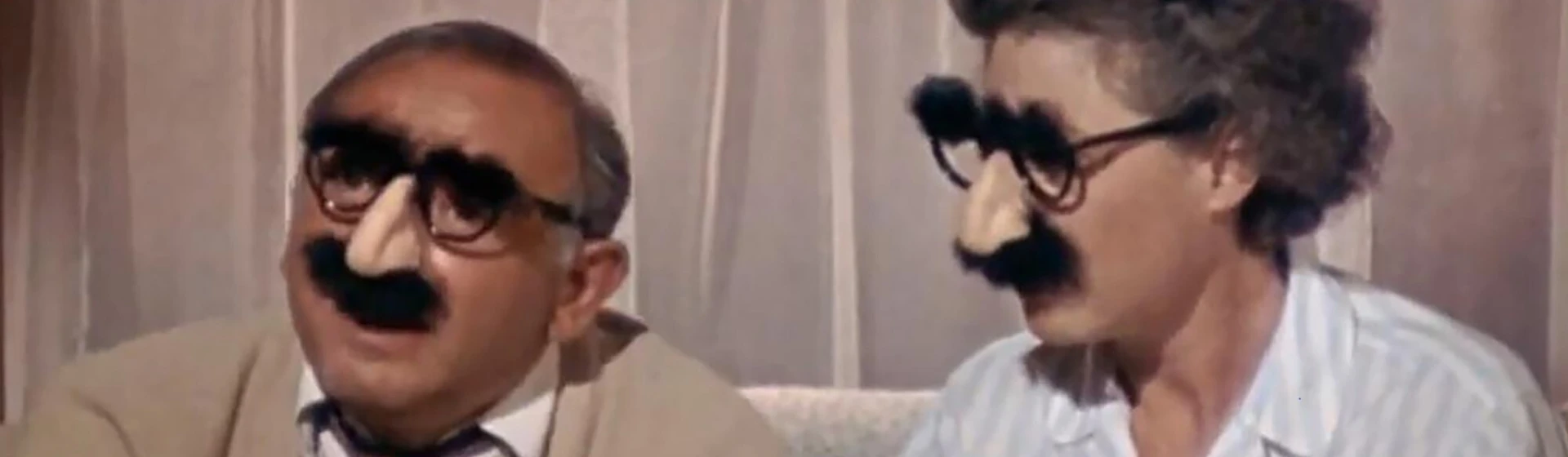
Anyone familiar with the films of Allan Stewart Konigsberg (Allen’s original name) will recognise his trademark features: the self-contained scenes embedded in the story, the double-entendre verbal jokes, the fake documentary tricks, the twisted dramatic turns, the subtle cultural references - and the self-flagellation. The latter he took from the world of stand-up, because in a world of colleagues prone to parody, slander, provocation and who knows what else, he is the chump. (If you watch Woody Allen’s oeuvre, you’ll get a short but useful Yiddish glossary.) And the references. The references by the jerk he plays are sometimes highly intellectual. This is the humour of the East Coast, New York, not Hollywood. The mad folding machine in the prison, for example, is a dramaturgical device, since our protagonist, Virgil Starkwell’s wife, is a laundress, and it is a reference to Chaplin's film Modern Times. This is how it goes. Well, why should we be surprised if a little literary history, a little film history, a little bit of old world culture comes out of Woody Allen’s films? In other words: take a sham bank robber who comes into conflict only with his parents, school, work, women, the cello, spelling and, of course, the law. Laugh all the way through! Then, from a different perspective, take a look at the guy whose glasses are broken by everyone and who wants to be accepted. Well, this is Woody Allen.
In English, with Hungarian subtitles.
The discussions before and after the screening will be conducted in Hungarian.
Presented by: Müpa Budapest
-
Parking is free of charge for visitors with tickets to any of our paid performances on the day of the performance. Upon entering the car park, you can either scan the barcode or QR code on your concert ticket, or take a parking ticket and validate it together with your concert ticket at one of the payment machines. Either option will enable you to exit through the gates operated by the number plate recognition system. We recommend that you plan to arrive at Müpa in good time, so that you can find the ideal parking spot quickly and without difficulty and arrive at your performance comfortably. The detailed parking policy of Müpa Budapest is available here.