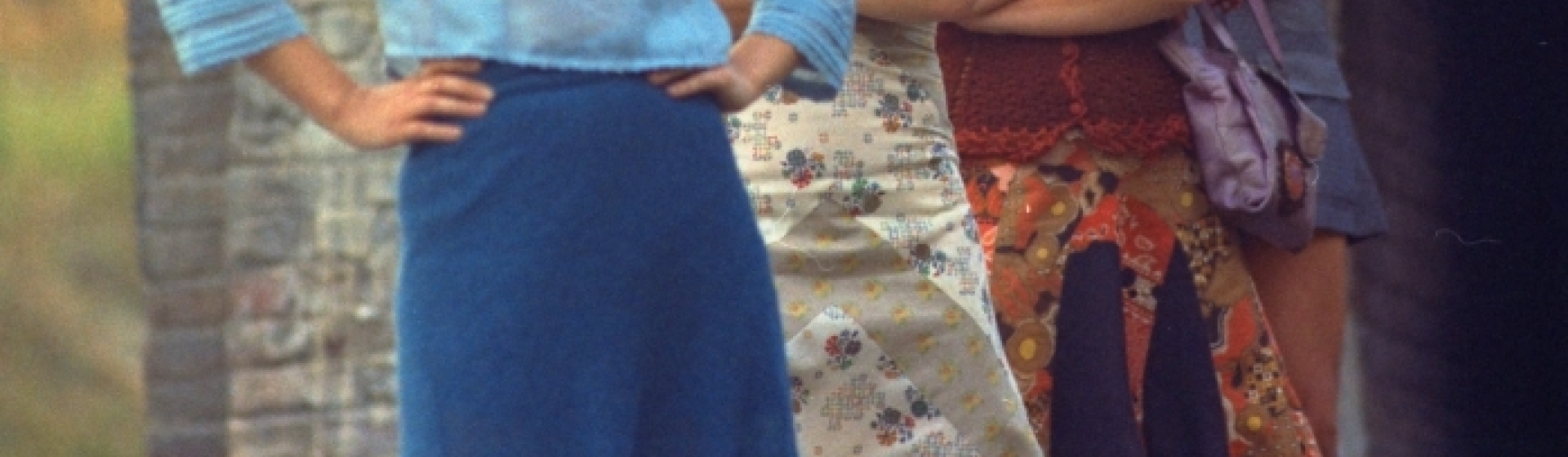
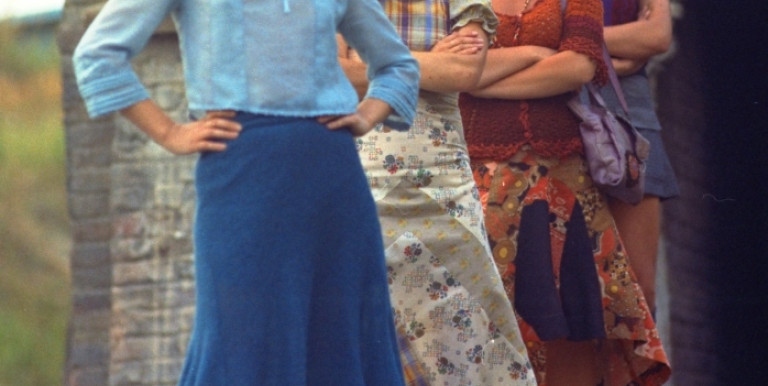
Singing on the Treadmill (Bástyasétány hetvennégy ) (1974) – Mafilm, Hunnia Film Studio Company, colour, 73 minutes
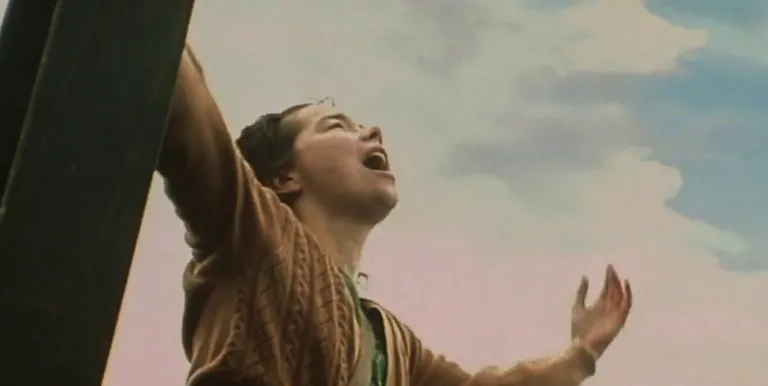
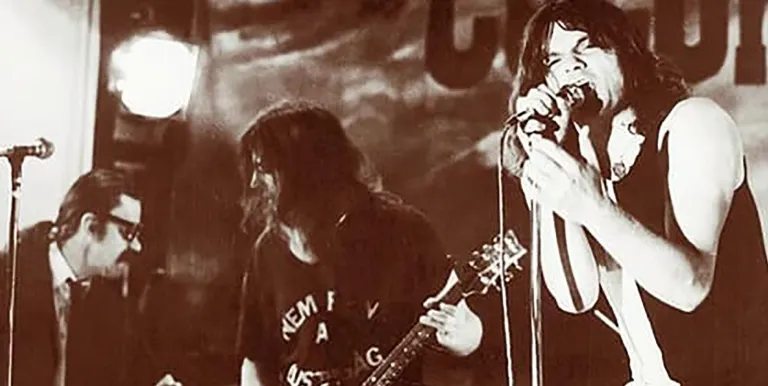
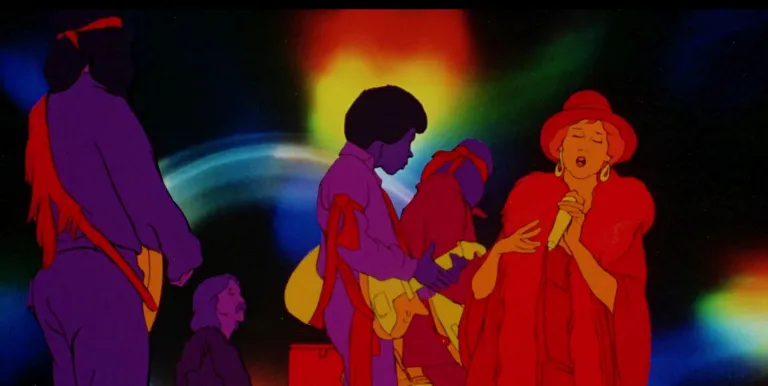
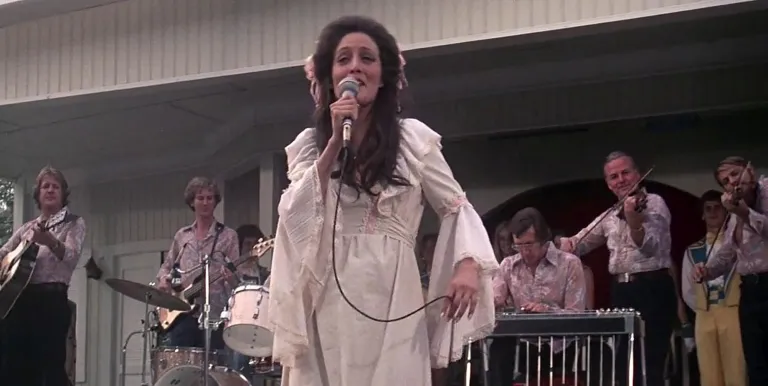
Müpa Mozi, the film club of the Palace of Arts and the Hungarian National Digital Archive and Film Institute (MaNDA), continues to welcome sell-out audiences for its third season. This series of musical films beginning in February presents a selection of iconic screen gems containing the biggest Hungarian hit tunes of the past 50 years. Audiences will get to see their favourite stars perform in a broad variety of genres, from operetta to socialist-era road movie, and from straight musical to retro parody. The casts feature everyone from János Sárdy to Zsuzsa Koncz, Hobo to the Latabár Brothers, Violetta Ferrari to János Gálvölgyi, Miklós Gábor to Hanna Honthy, and Imre Soós to “Bill the King”. The film club hosted by András Réz explores the source material behind the birth of hundreds of hit tunes, examining how the professional world of cabaret and operetta – inherited from the films of Gyula Kabos – was enriched by the social “workshops” of the 1950s: the factory, the swimming pool, and the sports field. Seen through a variety of filters in both period films and later satirical adaptations, we can discover how the naïve and love-struck, but ideologically ignorant, young worker was re-educated in the 1950s. During the lukewarm period of “goulash communism” in the 1960s, what role did the World Festival of Youth and Students and the TV talent show “Ki mit tud?” play in the emergence of beat groups such as Illés and singers such as Zsuzsa Koncz? How were iconic objects such as the Pacsirta radio set, noodles with grits or the Bambi soft drink – as well as socialism in general and its declaration of communal cooperation and ideals – portrayed in a musical film of the 1960s, or in a later retro satire from the 1990s? Why has György Ránki’s musical Egy szerelem három éjszakája (Three Nights of Love) remained a popular favourite almost continuously since its appearance in the 1960s? How is it possible to capture the feeling of blues-rock in the context of a documentary-style portrayal of the Kőbánya district of Budapest? And to the rhythm of which tune by the band Fonográf do we recall the emblematic image of the Zil truck grinding over the socialist asphalt having picked up a curly-haired blonde hitchhiker? Twenty years after the film version of Állami áruház (State Department Store), popular songs from the movie, such as Egy boldog nyár Budapesten (“A Happy Summer in Budapest”), found their way into this satire by Gyula Gazdag: as an ironic homage in tune with the post-1968 theme of “to rebel or to conform”. They are sung, illuminated in red lighting, by young people proclaiming their individuality and desire to be different from the average. The film was directly inspired by György Aczél, the communist cultural ideologue. The Gazdag/Györffy writing partnership wrote Aczél’s interfering paternalism into the roles of Mr. Rezső and Mr. Dezső, the two operetta librettists who “condemn the youth to happiness”. The original socialist-realist operetta Bástyasétány 77, which – beyond its love interest – tackled the problems of housing shortages and bureaucracy, represented a challenge for Gazdag to draw a parallel between the rose-tinted operetta clichés of Rezső and Dezső and the slogans painted for decades by the Kádár regime. Any event which the two librettists deem inappropriate is rewound, like a film reel, and then replayed in pink hues, and, if even this does not do the trick, they call on Hanna Honthy, the ageless operetta prima donna, to come to their aid to preserve the rose-tinted illusion at the Lake of Happiness. No wonder that the film “disappeared” without a trace immediately prior to its première and remained in the can for the next decade. Presented by: Palace of Arts, MaNDA
Presented by:
-
We wish to inform you that in the event that Müpa Budapest's underground garage and outdoor car park are operating at full capacity, it is advisable to plan for increased waiting times when you arrive. In order to avoid this, we recommend that you depart for our events in time, so that you you can find the ideal parking spot quickly and smoothly and arrive for our performance in comfort. The Müpa Budapest underground garage gates will be operated by an automatic number plate recognition system. Parking is free of charge for visitors with tickets to any of our paid performances on that given day. The detailed parking policy of Müpa Budapest is available here.