Creator:
Featuring:
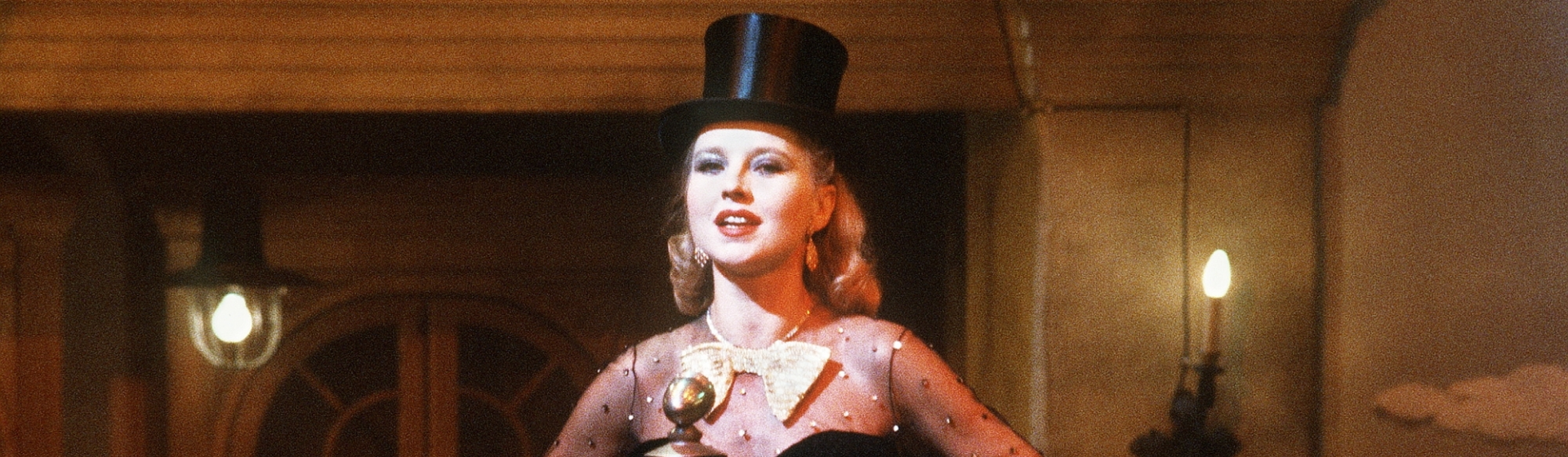
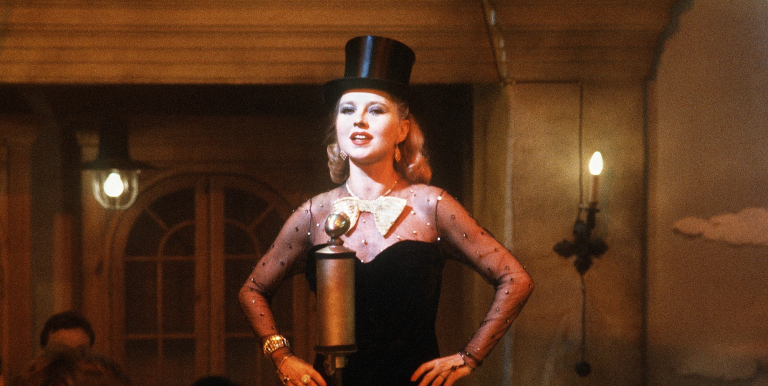
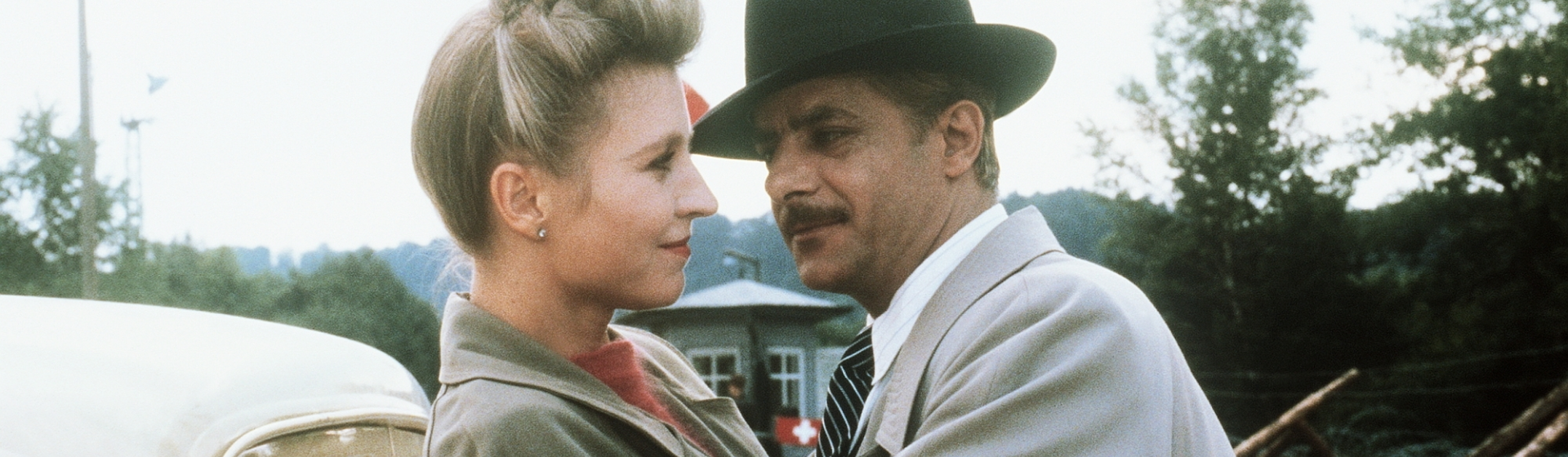
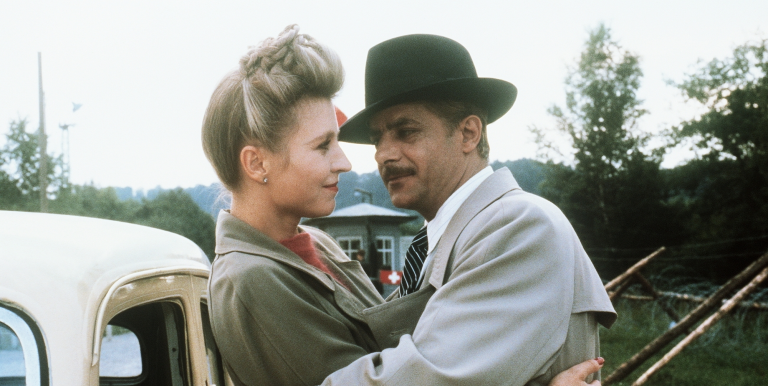
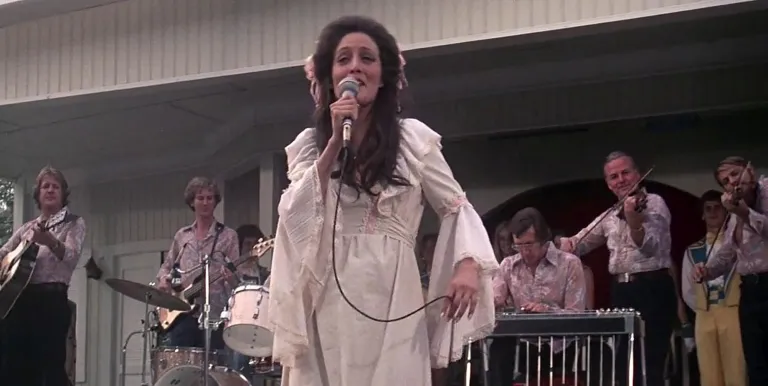
Lili Marleen is a hit. It is incredibly kitsch, though it's becoming increasingly harder to define what kitsch is, exactly. The poem written by Hans Leip at the time of the First World War was set to music by Norbert Schultze, and became successful mainly through a performance by Lale Andersen, before in World War Two it became a massive catchy smash at the frontline on both sides of the divide. In Fassbinder's hands it becomes a melodrama, not that this particular genre is typical of the director. You can rightly wonder whether the film isn't really be about the painful tale of the Aryan singer (Hanna Schygulla) and the Jewish pianist and composer (Giancarlo Giannini).
If someone were to draw a parallel between István Szabó's Mephisto and Lili Marleen, it would come as no surprise. "But it's just a song...” says Lili Marleen. A similar era to Mephisto, with the two films also made around the same time. The genre is unquestionably different, as the structure of melodrama can also entail romance, high waves of emotions and the movement of resistance. (In relation to the latter, Fassbinder inserts himself as one of the leaders of the resistance.) In this story, however, the little chanson singer who becomes a star is unable to make sensible decisions. Only her heart decides. The song outgrows her. (With knowing irony, Fassbinder includes the endlessly played super hit in the ranks of torture devices.) The director, however, is deeply absorbed by the question of the intentions of the government for what is otherwise no more than a sentimental, homesick and nostalgic song. Not to mention the person tied to the song too. And there is something else. Something we hear less of in relation to films focusing on the destructive reign of the Third Reich: are they capable of preserving the moral superiority, the respect of the victims? Doesn't the dictatorship produce public distrust and paranoia in the victims? It is a strange song, that's for sure.
In German, with Hungarian subtitles.
The discussions before and after the screening will be conducted in Hungarian.
Presented by: Müpa Budapest
-
We wish to inform you that in the event that Müpa Budapest's underground garage and outdoor car park are operating at full capacity, it is advisable to plan for increased waiting times when you arrive. In order to avoid this, we recommend that you depart for our events in time, so that you you can find the ideal parking spot quickly and smoothly and arrive for our performance in comfort. The Müpa Budapest underground garage gates will be operated by an automatic number plate recognition system. Parking is free of charge for visitors with tickets to any of our paid performances on that given day. The detailed parking policy of Müpa Budapest is available here.