
Featuring:
Carlo Francesco Pollarolo (1653–1723)
Overture (Ariodante)
Giovanni Bononcini (1670–1747)
Astianatte – Spera che questo cor
Georg Friedrich Händel (1685–1759)
Scipione – Scoglio d’immota fronte
Attilio Ariosti (1666–1729)
Lucio Vero – Vorreste, o mie pupille
G. F. Händel
Giulio Cesare – Piangerò la sorte mia
Johann Adolph Hasse (1699–1783)
Dalisa – Priva del caro bene
Nicola Antonio Porpora (1686–1768)
Elisa – Nobil onda
J. A. Hasse
Cleofide – Se mai più sarò geloso
N. A. Porpora
Overture (Orfeo)
Giuseppe Arena (1713–1784)
La clemenza di Tito – Come potesti, oh dio
Leonardo Vinci (1690–1730)
Ifigenia in Tauride – L’onda chiara che dal fonte
Geminiano Giacomelli (1692–1740)
Scipione in Cartagine nuova – Villanella nube estiva
J. A. Hasse
Issipile – Impallidisce in campo
J. A. Hasse
Artaserse – Va’ tra le selve ircane
J. A. Hasse
Cajo Fabricio – Padre ingiusto
Pietro Torri (1650–1737)
Amadis – Ferma crudel… Son costretta esser crudele
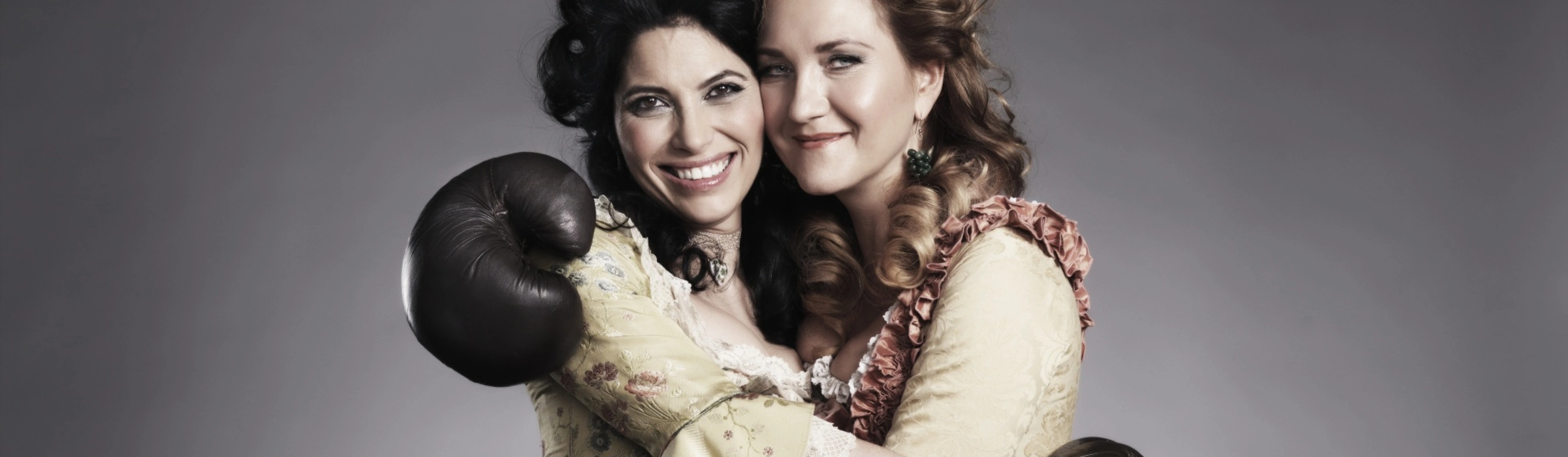
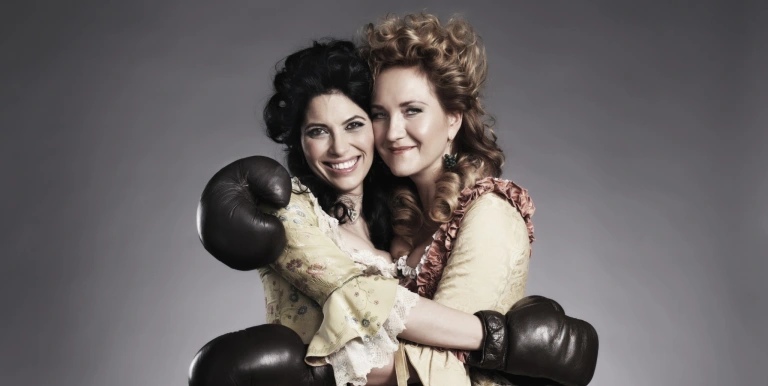
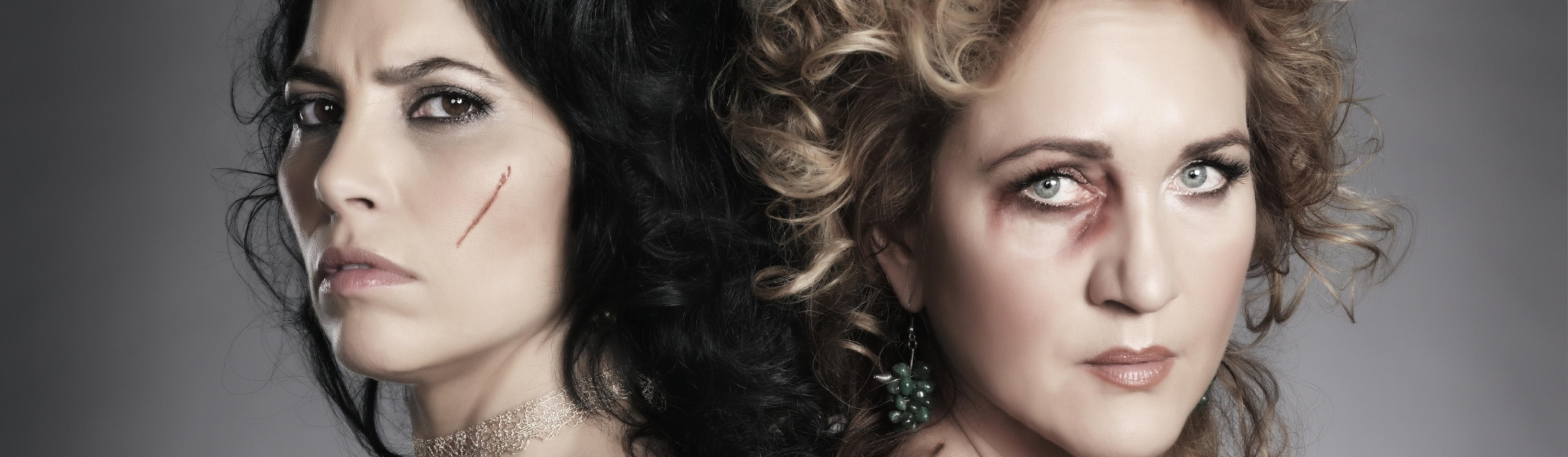
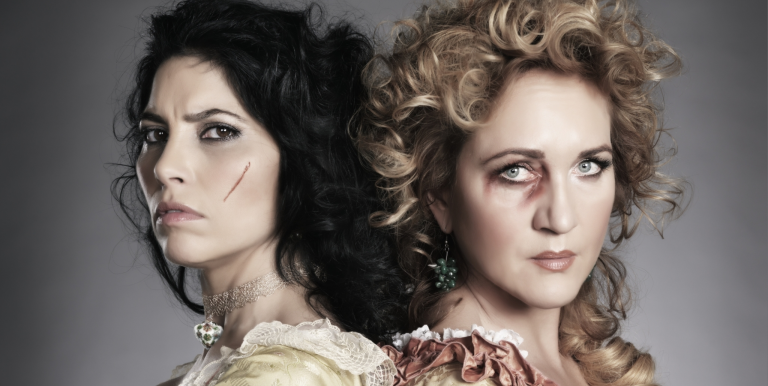
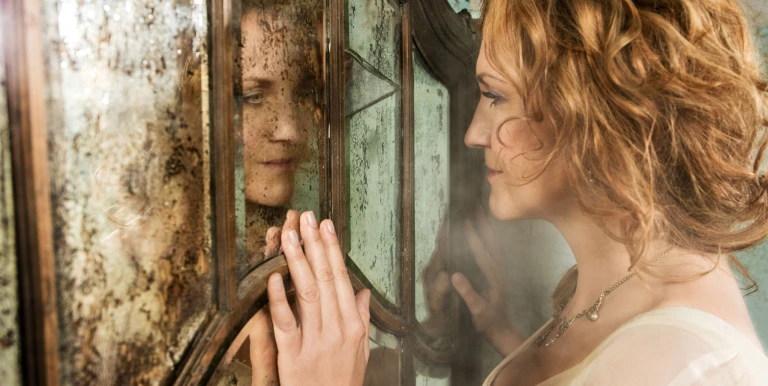
Who has the most expansive coloratura? Who has the greatest vocal range, who can sing the most notes in one breath, and who can sing the highest and the lowest notes? Who is the fastest? Such contests are not the exclusive privilege of sportspeople, as from time to time instrumentalists or singers have also been known to get into the ring together. The winner is always the same: the audience. This noble tradition is revived here at this concert, evoking the rivalry of two 18th century superstars, Faustina Bordoni and Francesca Cuzzoni, whose virtuoso wizardry inspired many composers to write arias some thought impossible to sing.
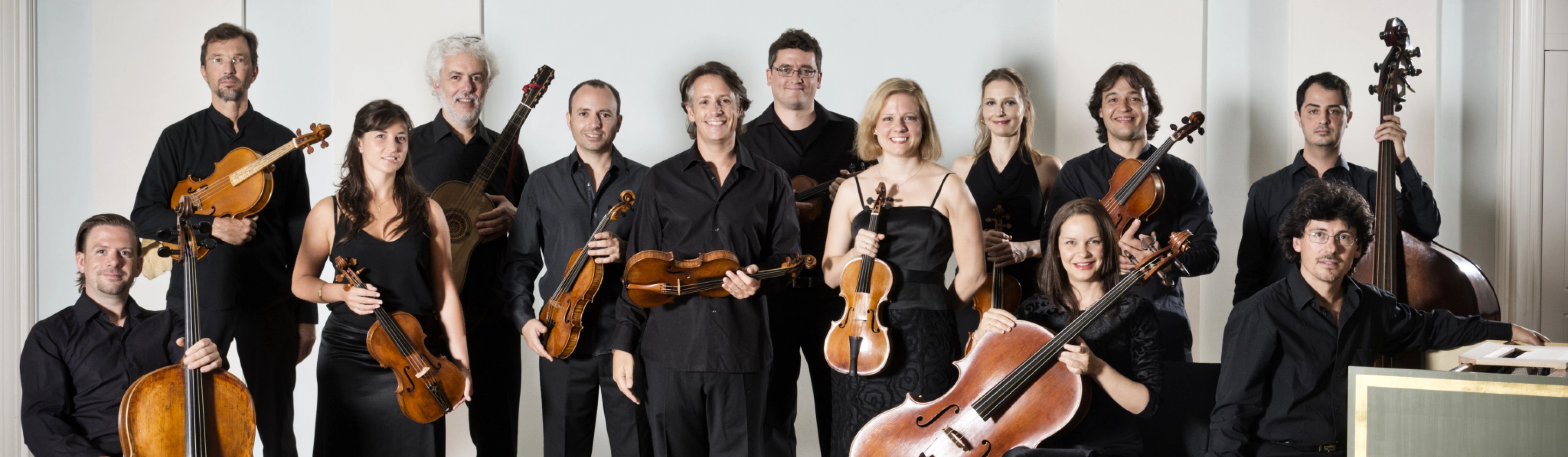
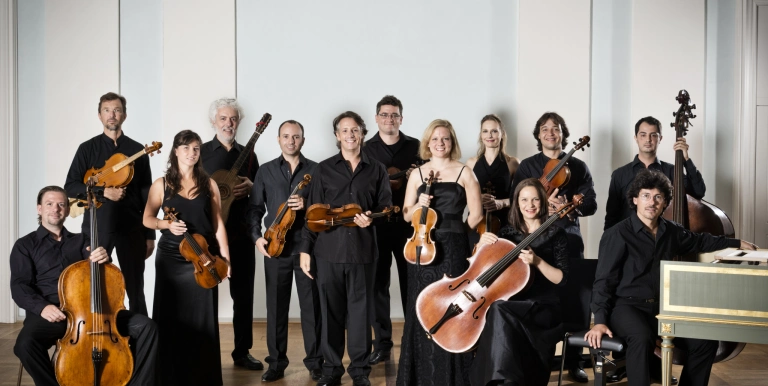
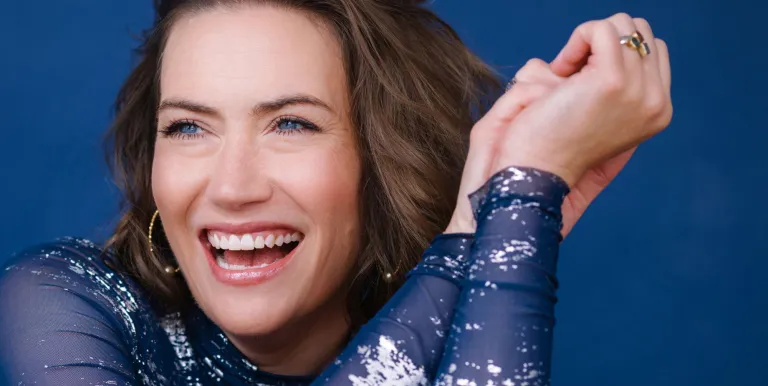
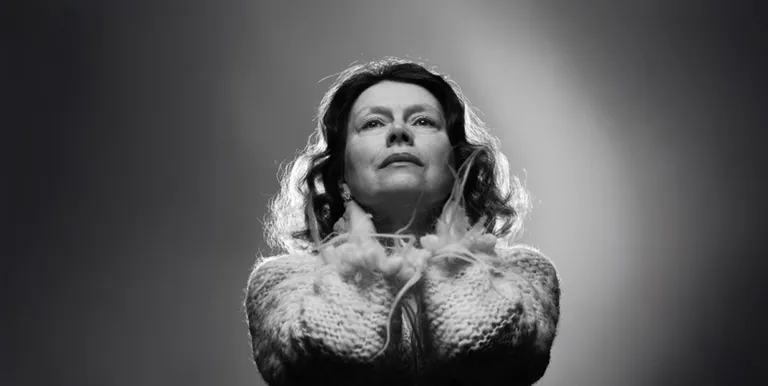
This evening the two living greats of the style take to the stage: Simone Kermes perfected her skills in Germany, while Vivica Genaux began her journey of global conquest somewhat farther afield in Alaska. The performing style of both these artists is characterised by a captivating and passionate, almost demonic power, naturally alloyed to flawless intonation and sweepingly energetic tempo. For them nothing is impossible, and in reality what they accomplish with their voices on stage might be regarded as athletic feats. It is rare that we have the opportunity to hear the passionate arias and duets of Baroque and pre-Classical composers performed by such a matchless pairing. And as if this were not enough, instrumental accompaniment will be provided by the ensemble founded by the noted cellist Sol Gabetta and her brother, which specialises in the music of the period and performs on authentic instruments.
Presented by: Palace of Arts
-
We wish to inform you that in the event that Müpa Budapest's underground garage and outdoor car park are operating at full capacity, it is advisable to plan for increased waiting times when you arrive. In order to avoid this, we recommend that you depart for our events in time, so that you you can find the ideal parking spot quickly and smoothly and arrive for our performance in comfort. The Müpa Budapest underground garage gates will be operated by an automatic number plate recognition system. Parking is free of charge for visitors with tickets to any of our paid performances on that given day. The detailed parking policy of Müpa Budapest is available here.