

Conductor:
Featuring:
Mahler
Symphony No. 8 in E-flat major (“Symphony of a Thousand”)
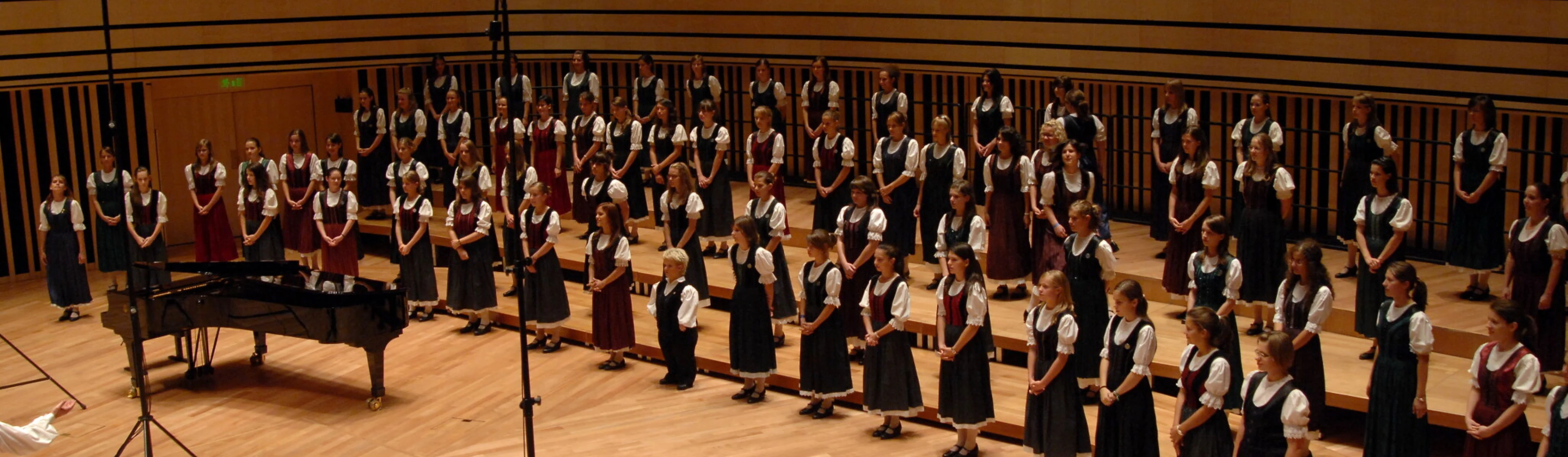
This joint series presented by Müpa and the Dohnányi Orchestra Budafok focuses on our relationship with eternity, one of the greatest questions of human existence and art. As an emblematic figure of the late Romantic period, Gustav Mahler gives expression in his works to the confrontation between our everyday existence and eternity, all the while adding extra dimensions to his musical armoury. The Symphony No. 8 is one of the high points of both his life’s work and the late Romantic era itself, truly the most monumental oratorio in music history. Envisioned for two large mixed choirs, children’s choir, seven vocal soloists and an over 100-strong orchestra, it is an enigmatic work in both structure and concept.
The pairing of the texts for the two-part composition is unusual indeed: on the surface, the mediaeval hymn Veni creator spiritus does not seem to fit well with the setting of the closing scene of Faust in the second part. In reality, the focus of the work is on the creative human mind confronted with the dilemmas of the universe, creation and human existence. Mahler, like many in the Romantic era, identifies himself with the figure of Faust, in whom he sees humanity’s creative power. In somewhat simplified terms, the first part extols the limitlessness of creative power, while the second is a musical expression of Goethe’s response to the dilemma of creative human existence, proclaiming the redeeming power of eternal womanhood as a kind of divine intervention.
Presented by: Dohnányi Orchestra Budafok, Müpa Budapest






-
We wish to inform you that in the event that Müpa Budapest's underground garage and outdoor car park are operating at full capacity, it is advisable to plan for increased waiting times when you arrive. In order to avoid this, we recommend that you depart for our events in time, so that you you can find the ideal parking spot quickly and smoothly and arrive for our performance in comfort. The Müpa Budapest underground garage gates will be operated by an automatic number plate recognition system. Parking is free of charge for visitors with tickets to any of our paid performances on that given day. The detailed parking policy of Müpa Budapest is available here.