Legendary Conductors From the Past 50 Years
It is no easy task to compile a list of the most iconic conductors of the last half-century, as we are fortunate in having many charismatic artists emerge in the music world who then to go on to become the key leaders of their orchestras. For this article, we have come down to a final selection: Ken'ichiro Kobayashi, Ádám Medveczky, Riccardo Muti, Sir John Eliot Gardiner and Sir Simon Rattle, whose careers we will summarise here from oldest to youngest, with no intention of providing a definitive ranking.
Ken'ichiro Kobayashi
Ken'ichiro Kobayashi captured the hearts of the Hungarian public over 50 years ago when he won Hungarian Television’s First International Conducting Competition . The Japanese conductor was fascinated with composing as a child, but turned to conducting as a university student. After his victory here placed him into the international spotlight, he went on to spend his career leading some of the world’s most distinguished orchestras. In his homeland, he conducted ensembles in Tokyo, Kyoto, Nagoya and other cities, while serving in Hungary first as principal conductor of the State Symphony Orchestra (now the National Philharmonic) and later of the MÁV Symphony Orchestra. For many years, he taught at the Tokyo University of the Arts, his own alma mater, and even found time to develop as a composer: in 1999, for example, he wrote an orchestral work entitled Passacaglia to mark 400 years of Japanese-Dutch relations, which he premiered with the Netherlands Philharmonic.
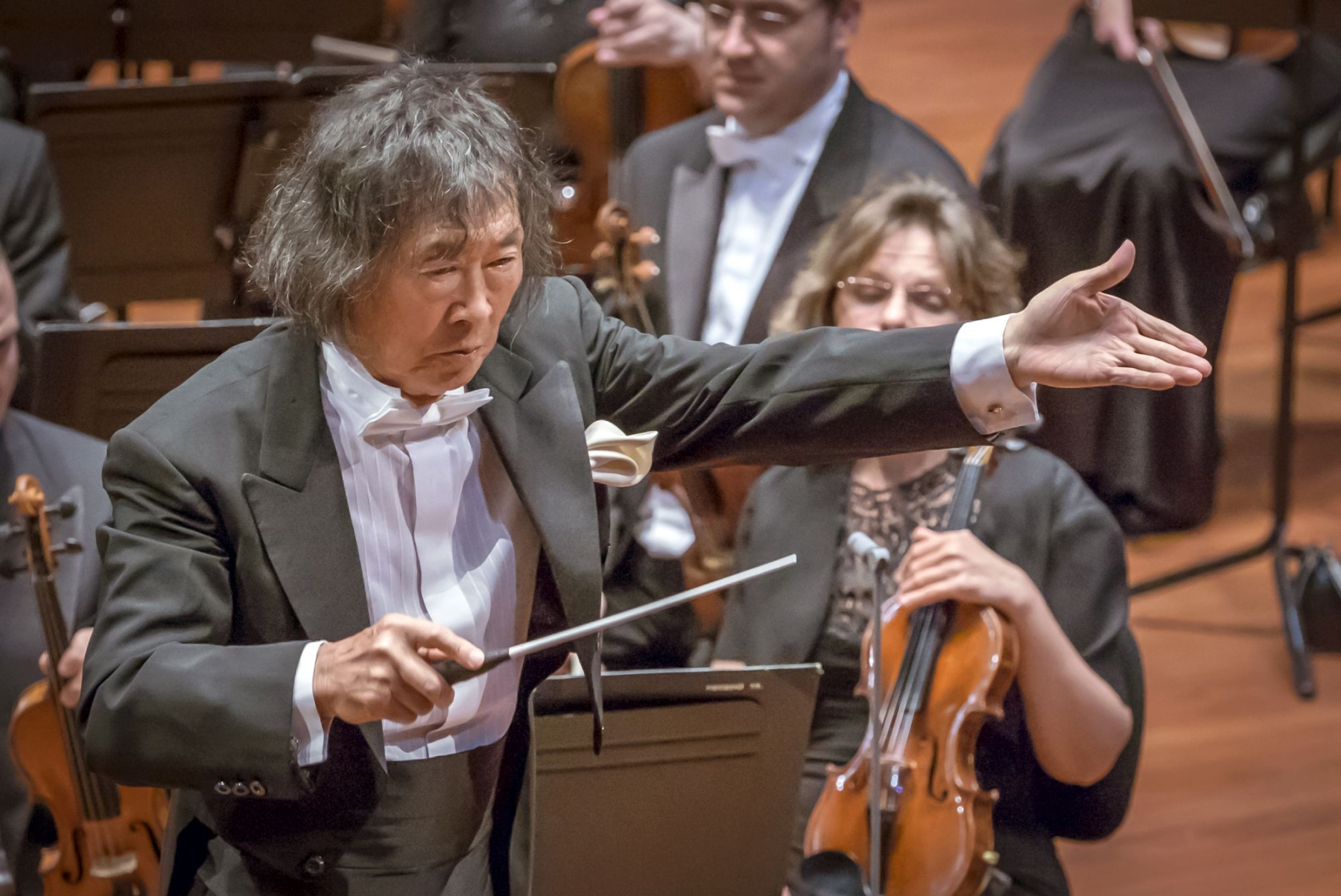
Ken-Ichiro Kobayashi and the Hungarian Radio Symphony Orchestra © Gábor Kotschy, Müpa Budapest
Ádám Medveczky
Ádám Medveczky also found his career gathering steam after the MTV Conducting Competition, in which he won second place. However, prior to taking up the baton, he spent some years as an orchestra member, having served from 1960 to 1969 as the State Symphony Orchestra’s principal timpanist. He then went on to work as a répétiteur, and later as a conductor, for the Hungarian State Opera, where he continues to appear after more than half a century and served as chief music director for three years. Over the course of his career, he has conducted some 80 operas, and can boast a rich symphonic repertoire too, which he had the opportunity to expand in his role as music director of the MATÁV Symphony Orchestra. As a guest conductor, he has performed in every country in Europe and has been invited across the Atlantic and to Asia on several occasions. His teaching activities at the Liszt Academy have made him an iconic figure there since the 1970s.
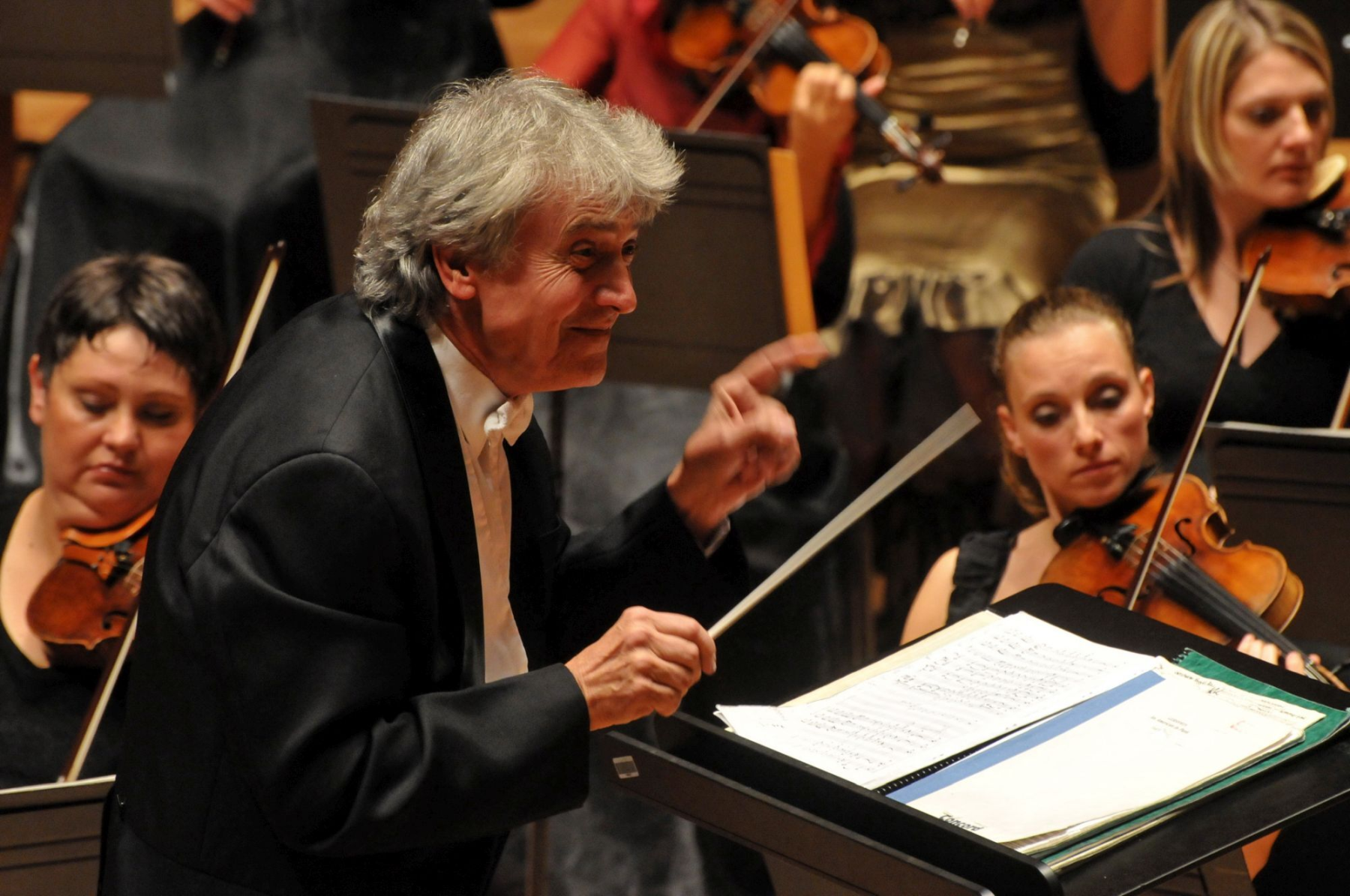
Ádám Medveczky and the Danubia Orchestra
Riccardo Muti
One of the leading Italian conductors of our time, Riccardo Muti also keeps the nurturing of future talent close to his heart, having established an international opera academy where students can study conducting, piano and voice in 2015. The Naples-born maestro started out as a pianist and choirmaster before winning the Guido Cantelli International Conducting Competition in 1967, and four years later was invited by Herbert von Karajan to debut at the Salzburg Festival. One milestone in his career was the period between 1986 and 2005, when he served as music director at Milan’s La Scala. In addition to opera, he is equally at home in the world of symphonic works, as demonstrated by his numerous excellent recordings. He has worked with the world’s most prestigious orchestras, conducting the Vienna Philharmonic’s New Year's Concert seven times, for example. After heading the Chicago Symphony Orchestra between 2010 and 2023, he was elected the ensemble’s music director emeritus for life, and it was Muti who conducted them at Müpa Budapest in January 2024.
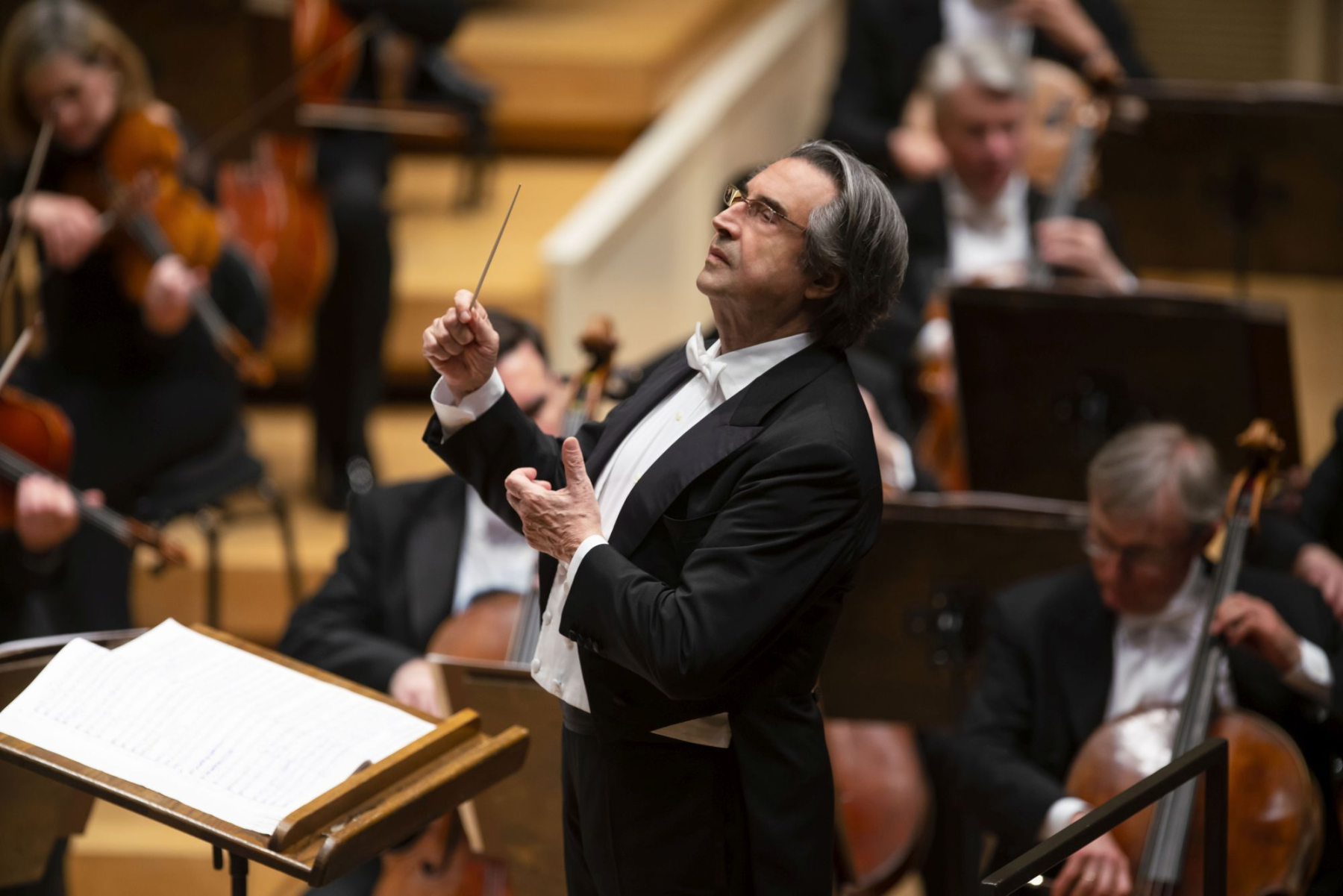
Riccardo Muti and the Chicago Symphony Orchestra © Todd Rosenberg Photography
Sir John Eliot Gardiner
It was not so long on, on 7 April, that we got the chance to experience the excellence of Sir John Eliot Gardiner, the doyen of historically informed performance, when he brought his ensemble The Constellation Choir & Orchestra to Müpa Budapest. The British conductor settled on a career in music after studying history, and the inclination to ‘found’ things has been a constant throughout his life. In 1966, he established the Monteverdi Choir, and then the Monteverdi Orchestra, which, after evolving into a period-instrument ensemble, gained global fame under the name the English Baroque Soloists. The Orchestre Révolutionnaire et Romantique would later become another initiative of his. Although his repertoire goes far beyond early music, his Bach interpretations are what stand out most in his work, and he also deals in depth with the Baroque composer as a researcher. Gardiner has also visited the world’s leading symphony orchestras, from Vienna and Berlin to Chicago and Boston, and even took on the artistic direction of the Lyon National Opera in the 1980s. In addition to all his other accolades, the artist was awarded an honorary doctorate by Budapest’s Liszt Academy in 2023. Whenever not touring the globe, he retreats to his organic farm in southern England, where he raises livestock.
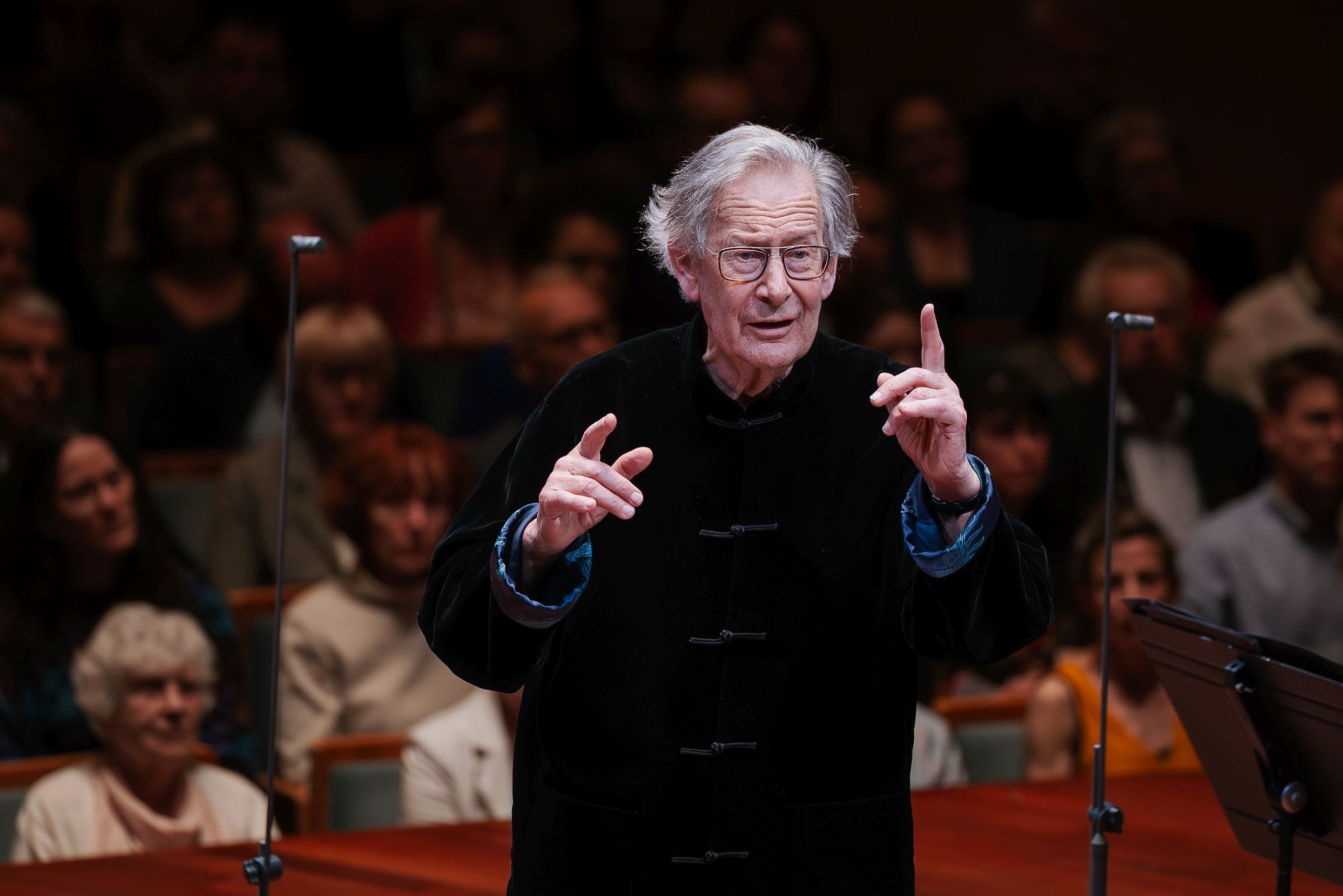
Sir John Eliot Gardiner and The Constellation Choir and Orchestra © Attila Nagy, Müpa Budapest
Sir Simon Rattle
Gardiner’s compatriot Sir Simon Rattle was born in Liverpool. In addition to studying piano, violin and percussion, he began conducting at an early age, forming his own orchestra at the age of 15. He graduated from London’s Royal Academy of Music in 1974 and won first prize at the John Player International Conducting Competition that same year. His first major position was with the City of Birmingham Symphony Orchestra, which he made world-famous during his 18 years there. He then went on to work as principal conductor of such renowned orchestras as the Berlin Philharmonic and the London Symphony Orchestra. He currently serves as artistic director of the Bavarian Radio Symphony Orchestra and Choir and principal guest conductor of the Czech Philharmonic, and regularly conducts the Orchestra of the Age of Enlightenment as well. He also places great emphasis on his teaching efforts, having established programmes in both London and Berlin to support young talent. His career has been recognised with prestigious awards, including three decorations from the British royal family.
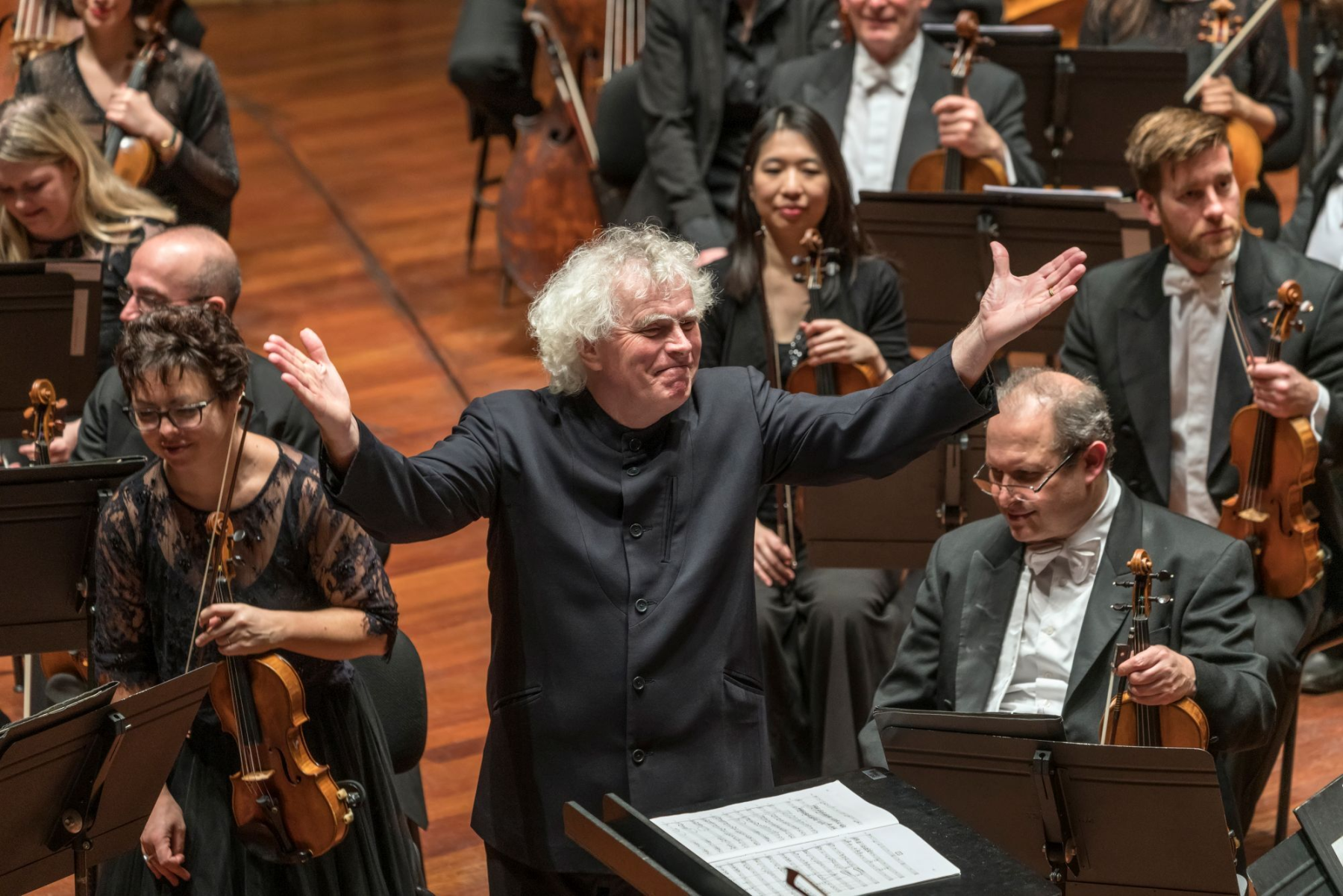
Sir Simon Rattle and the London Symphony Orchestra © János Posztós, Müpa Budapest